Top 10 Posts of 2015

Scalzi did his list today, which reminded me that I haven’t done mine. See if you notice a theme here.  Asterisks are next to posts that weren’t written this year:

  1. In Which I Tell You How Your Religion Works (105,278 views)
  2. SNOWPIERCER: I hated, hated, hated, hated, HATED this movie (12,925 views) (*)
  3. Creepy Children’s Programming Reviews: BOB ZOOM (3,653 views)
  4. In which the kids are fine, shut up (2,921 views) (*)
  5. Creepy Children’s Programming Reviews: OCTONAUTS (2,623 views)
  6. Creepy Children’s Programming Reviews: CURIOUS GEORGE (2,158 views) (*)
  7. Creepy Children’s Programming Reviews: COLOR CREW (1,642 views) (*)
  8. Creepy Children’s Programming Reviews: PEG + CAT (1,197 views) (*)
  9. In Which My Kid is Weird as Hell (1,193 views) (*)
  10. Creepy Children’s Programming Reviews: BUSYTOWN MYSTERIES (876 views) (*)

All but three of those are connected to children’s shows, since the Weird as Hell bit is actually about Curious George.  Clearly I need to adapt the blog and just talk about kids’ TV all the time, because it gets ridiculous traffic when I do.  The Kids are Fine was Freshly Pressed in January, and we all know about the damn Syria and Snowpiercer posts.

Most of those, you’ll note, are from previous years.  If I restrict this to only posts written in 2015, here’s the list:

  1. In Which I Tell You How Your Religion Works (105,278 views)
  2. Creepy Children’s Programming Reviews: BOB ZOOM (3,653 views)
  3. Creepy Children’s Programming Reviews: OCTONAUTS (2,623 views)
  4. Blood Transfusions Don’t Work Like That: A Review of MAD MAX: FURY ROAD (787 views)
  5. STAR WARS: THE FORCE AWAKENS is a miserable, wonderful mess of a movie: a spoiler-filled review (464 views)
  6. In Which I Refuse to Shut Up:  A Response to Delilah Dawson (391 views)
  7. How to Launch Your New Book: Everything I Know (361 views)
  8. Creepy Children’s Programming Reviews: PINGU (319 views)
  9. GUEST BLOG: I watched Jessica Jones, and My Hands Froze, by James Wylder (299 views)
  10. In Which I am Way Ahead of Myself (242 views)

This is a teeny bit more diverse, adding a couple of movie review posts and a few about writing; the #9 post, not written about me, was about television and responding to/dealing with trauma, and is probably the most important of the ten.  The only one I don’t really get was #10, which basically benefited from being written the same day as the Syria post and got a lot of secondhand attention as a result.

Tomorrow or the day after, general 2015 blogwanking, and probably a saleswanking post not long after that.  This was a really interesting year.

The Top 10 New(*) Books I Read in 2015

And here we go: my list of the 10 Best New Books I Read This Year, where “New” means “read it for the first time in 2015,” not “came out in 2015.”  Although, that said, I think for the first time there aren’t any books on this list that are more than a couple of years old at the most, and the majority of them actually did come out this year.

(I know I said yesterday that this wasn’t coming out until next week.  I assume y’all will forgive me.)

Also, don’t take the rankings too seriously other than the top three or four books.  My first cut went from 21 to 14, and wasn’t all that hard, but going from 14 books to 10 was really difficult.  There will be an Honorable Mention section at the end.

And, just in case you’re curious, here’s the 2014 list and here’s the 2013 list.

So, without further ado:
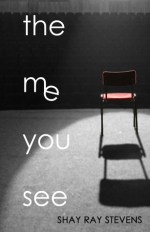
2335021910) The Me You See, by Shay Ray Stevens.  This was actually the first book to be added to the shortlist, as I read it in the car on a road trip very early in January.  I read the entire thing basically cover-to-cover along the trip, so the best thing this book has going for it is that it’s a hell of a page-turner.

The premise is simple, but effectively pulled off:  the book begins at the end, with a shooting, but the identity of the shooter is obscured.  We then jump back in time to follow the story of the first victim of the shooting, with bits and pieces of her story told in first-person by people she knows and has interacted with.  The mystery unfolds effectively and the multi-narrator aspect of the story is great.  I got home and ordered the book in print immediately so that I could have it on the shelf and look at it.

Shay Ray is also an indie author and a Twitter buddy; you should be following her at @shayraystevens if you aren’t.
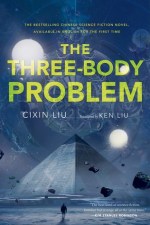
205188729) The Three-Body Problem, by Cixin Liu, translated by Ken Liu.  This book is weird; when I reviewed it I gave it five stars, but with some reservations, and there were points during the year where Three-Body Problem could very well have been the top book on this list.  However, it is part of a trilogy, and part of a trilogy in a really clear way— it’s not one of those trilogies where the first book was a one-off that did well so they added more books; this story clearly wants the next two books to be complete.  And the second book, The Dark Forest, wasn’t translated by Ken Liu.

And the translation utterly ruins the book.  The second book is so bad and so unreadable that I couldn’t get through more than 15 to 20% of it, and that’s as the sequel to one of my favorite books of the year.  Unfortunately, the fact that the second book is a one-star at best means that I can’t recommend the first one as highly, because it  really isn’t as self-contained as it could have been.

The worst thing?  The English translation of Volume 3 comes out soon, and Ken Liu translated it.  So I’m in the position of either just trying to read Books 1 and 3, or trying to force my way through the awful second book.  Blech.

But 3BP, evaluated by itself, really is something special.

(Sidenote: speaking of Ken Liu, you might also remember me highly praising his The Grace of Kings, which also came out this year.  I loved the hell out of it while I was reading it, but it unfortunately didn’t hold up as well as I expected it to.  I still plan to read the sequels, and it’s still good enough that it’ll appear in the Honorable Mention section down below, but some of the criticisms of it I read afterword resonated strongly enough that I can’t put it in the top 10.  Dude still had a hell of a year.)

231302868) The Venusian Gambit, by Michael J. Martinez.  This book’s presence on my Best of the Year list has nothing to do with the fact that Michael Martinez specifically thanks me for some reason in the afterword.  The three books known as the Daedalus Series constitute some of the most fun I’ve had reading science fiction in years; they’re adventure books in a way that I really don’t think you see very often nowadays.  Gambit is the best of the three, taking every cool idea that Martinez could think of, throwing them all at the wall, and then writing a book out of everything that stuck.  There are zombies and aliens and the future and the past and space galleons and the French fighting the British and power armor and magic and alchemy and how the hell is this all in one book and oh there are jungles on Venus in one of the alternate realities because this series exists in two different parallel universes and Christ, how many times do I have to recommend this series before you read it?
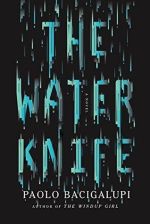
232099247) The Water Knife, by Paolo Bacigalupi.  My favorite thing about this book is that it’s a Paolo Bacigalupi book and I liked it.  Bacigalupi is one of those authors who has gotten a lot of recognition and won a fair number of awards and whose work I haven’t previously been able to get into in a yeah, this is my fault, not his sort of way.  The Water Knife was probably his last shot; if I didn’t like it I was just going to have to put him up on the shelf with Stanley Kubrick and stop worrying about it.

But!  The Water Knife ends up being an excellent sci-fi thriller, taking what feels very much like a Clancy novel or some sort of crime book and tossing it into an American Southwest just far enough in the future that the states are starting to literally go to war over water.  It’s kinda post-apocalyptic in the sense that a bunch of terrible shit has already happened and kinda pre-apocalyptic because it’s clear that climate change is going to make things a lot worse before they get better, but once you get past the book being set in the future there’s little that’s science fictiony about it.  That’s not a complaint; “<other genre> book set in the future” is a perfectly cromulent way to write science fiction, and in fact I’d call it one of speculative fiction’s strengths, because I can recommend this to somebody who only reads, say, Clancy or Grisham and expect them to enjoy it.  This is the only book on the list I think my Dad might like; you see what I’m saying?
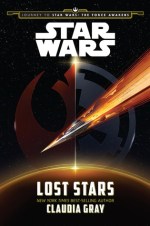
250670466) Lost Stars, by Claudia Gray.  I read almost all of the Star Wars books.  Most of them, lately, have been bad.  Some of them have been absolutely terrible.  And I don’t read a lot of YA unless it’s so popular (say, Hunger Games or Harry Potter) that I can’t avoid it, or it’s written by an author I’m already familiar with.  Claudia Gray writes for kids and adults, and her YA Star Wars book is good enough that I’m going to be looking for her work for grown-ups in the very near future.  This is the best Star Wars book written in a long time, and if you liked Force Awakens or the original trilogy you really ought to check it out, as this book spans the events from A New Hope through to the Battle of Jakku which you see the aftermath of in the beginning of the new movie.  Check out my review for more details, and note that of the three things I found clues to in the book, I was right about one, wrong about another, and as yet somewhat undetermined on the third.  But definitely read the book.
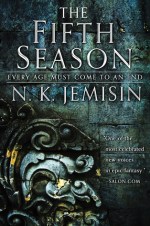
191618525) The Fifth Season, by N.K. Jemisin.  I have… six books by N.K. Jemisin?  And they’re all wonderful, so you really ought to just start with The Hundred Thousand Kingdoms and by the time you get through to the last book in the Dreamblood duology the sequel to The Fifth Season will probably be out.  The Fifth Season is the first book in her third series, called The Broken Earth, set in (again) a post-apocalyptic world, or maybe it’s more that the apocalypse is ongoing and repeating and they just sort of have, like, apocalypse eruptions every now and again in this world.  It bounces around, Song of Ice and Fire-style, between a handful of main narrators, and all of them are compelling and interesting and there’s a big twist at the end that I totally did not see coming and was super awesome.  Like I said, she’s great; read all of her books.  All of them.
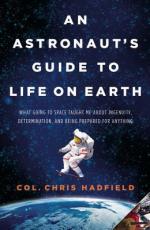
181701434) An Astronaut’s Guide to Life on Earth, by Chris Hadfield.  I didn’t actually read a lot of nonfiction this year, but you should look at the Honorable Mentions list at the bottom of this post to see three more nonfiction books that it hurt me to trim out of the final Top 10.  This is the only nonfiction book that made the list, because there was no chance in Hell that a memoir by Chris Hadfield about his life and career as an astronaut was not going to be one of my favorite books of the year unless it turned out that Chris Hadfield couldn’t put two words together correctly to save his life.

As it turns out, Chris Hadfield can write, among his many, many other skills.  You will note that the book credits no co-author.   The guy’s literally one of the most interesting people on Earth and, as I said before, the book is a mix of a self-help/inspirational title, a memoir, and an instruction manual on how to be an astronaut.  EVERYONE wants to be an astronaut.  Go.  Read.

234444823) The Traitor Baru Cormorant, by Seth Dickinson.  This is the most recent read on the list– I just finished it a week or so ago– and I didn’t bother doing a full review of it because I knew it was going to be on this list soon anyway.  Interestingly, Traitor and the next book on the list are almost the same book in a lot of ways: both take a character from a foreign culture and plunge them into court intrigue and a position of power and then shake things around and see what’s left standing.  Also like the next book, this is a book that I enjoyed despite a couple of what are probably pretty major flaws.  Chief among them, in this case, is that the culture that Baru Cormorant comes from is vastly more interesting than the one she ends up in– homosexuality is so normalized that most people have multiple parents, and Baru herself has two fathers and one mother, and one of the conflict points of the novel is that the culture that colonizes her home and eventually sweeps her off to her “merit-based” position as chief accountant (more interesting than it sounds, I promise) of a foreign land is not so big on The Gay.

It also has the laziest map I’ve ever seen in a fantasy book.  Read it anyway; Baru is fascinating and the weight of the entire book rests on her shoulders; if she wasn’t as interesting as it is the book would have collapsed, but she’s great.
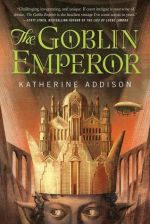
179100482) The Goblin Emperor, by Katherine Addison.  Goblin Emperor is weird as hell; it’s my second-favorite book of the year, and it belongs here, but if you read my review you’d think I hated the thing.  It’s much like The Force Awakens in that respect.  I’ve already given you the broad outlines of the plot because they’re very similar to Baru Cormorant; the main difference between the two is that Cormorant is very low-fantasy and Goblin Emperor is very much Tolkien-esque high fantasy, with a glossary at the end and a bunch of words that you won’t be able to pronounce or spell and will probably have to look up a few times to remember what the hell they mean and goddammit I liked this book I just can’t talk about it without sounding like I didn’t.  Go read it so you know what I’m talking about.  I can’t wait for the sequel, and I’ll reread it before I read the sequel, too.

209806671) The Mechanical, by Ian Tregillis, is the best book I read this year, and the gap between it and Goblin Emperor is pretty stark.  It is set in an alternate-history twentieth century where the Dutch invented mechanical clockwork automatons called Clakkers sometime in the seventeenth or eighteenth century and then used them to take over the goddamn world.  Clakkers are sentient but have no free will, and the main character of the book is a Clakker named Jax who manages to escape his geasa and I ain’t telling you a single other damn thing about it other than that you ought to go read the damn thing right now.  The sequel just came out but my wife snatched it up before I could get to it; she told me last night that the bit that she just finished reading was the best action sequence she has ever seen in a book.  Not for nothing, this is also the most beautifully-written book I read this year; I’m typically more of a story guy than a language guy, but it’s notable enough in this book that I need to mention it.

So, what’s your top 10?

HONORABLE MENTION, in NO PARTICULAR ORDER:  Public Enemy: Inside the Terrordome, by Tim Grierson; Zer0es, by Chuck Wendig; The Grace of Kings, by Ken Liu; Between the World and Me, by Ta-Nehisi Coates; Dr. Mutter’s Marvels: A True Tale of Intrigue and Innovation at the Dawn of Modern Medicine, by Cristin O’Keefe Aptowicz; Abbadon’s Gate and Cibola Burn, by James S.A. Corey; Anathem, by Neal Stephenson; and The Unquiet Grave by Katherine Lampe.
The Top 10 New(*) Books I Read in 2014

I wrote this post last year and it proved pretty popular (and, not for nothing, it was fun to write) so there was no way I was passing it up again this year: the Top 10 New Books I Read in 2014, where “new” is described as “I hadn’t read it before this year,” not “came out in 2014.”  As one of the books was first released in 1924, this is an important distinction.

Also, don’t take the specific number rankings too seriously past number three or so.

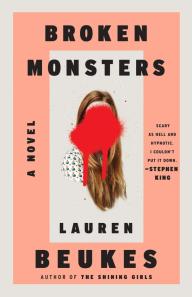
  1. books14f-1-webBroken Monsters, by Lauren Beukes.  I got into a ridiculous conversation on Twitter after reading Beukes’ previous book, The Shining Girls, about whether Beukes qualified as a horror writer or not.  I maintained that she was not, at least based on the evidence of that one book.  Allow me to be clear:  while this book has elements of the crime procedural to it much as The Shining Girls did, Beukes has mad horror chops, and this book is one of a very small subset of books that actually legitimately scared the hell out of me at a couple of points.  Broken Monsters is twisted and fucked up in what turn out to be several terribly wonderful ways, and the title itself is wonderfully evocative of what’s going on inside.  The two books I’ve read by her have both been great; as Beukes is South African, I’m not sure what percent of her work is actually available in the North American market right now but I can’t wait to dig into the rest of it.  I know there’s more out there.
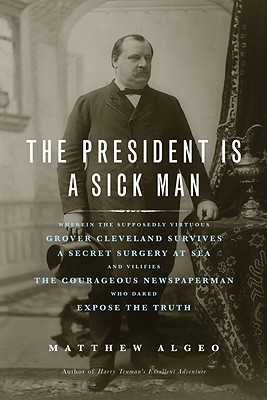
  2. 9781569763506The President is a Sick Man: Wherein the Supposedly Virtuous Grover Cleveland Survives a Secret Surgery at Sea and Vilifies the Courageous Newspaperman who Dared Expose the Truth, by Matthew Algeo.  Let’s be real, here; this book would have made the top 10 just based on the title alone, which is spectacular; the fact that Algeo writes a wonderful, fast-moving, cinematic narrative history based on one of the more insane events in American presidential history is just icing on the cake.  With that title it didn’t need to be good.  It also has the advantage (at least to me) of being about Cleveland, one of our most obscure and creepiest presidents.  Yes, creepiest; Cleveland’s relationship with his wife, Frances Folsom, who he met when she was an infant, is creeeeeeeepy.  I won’t give you the details; they’re worth looking up.  Good stuff.
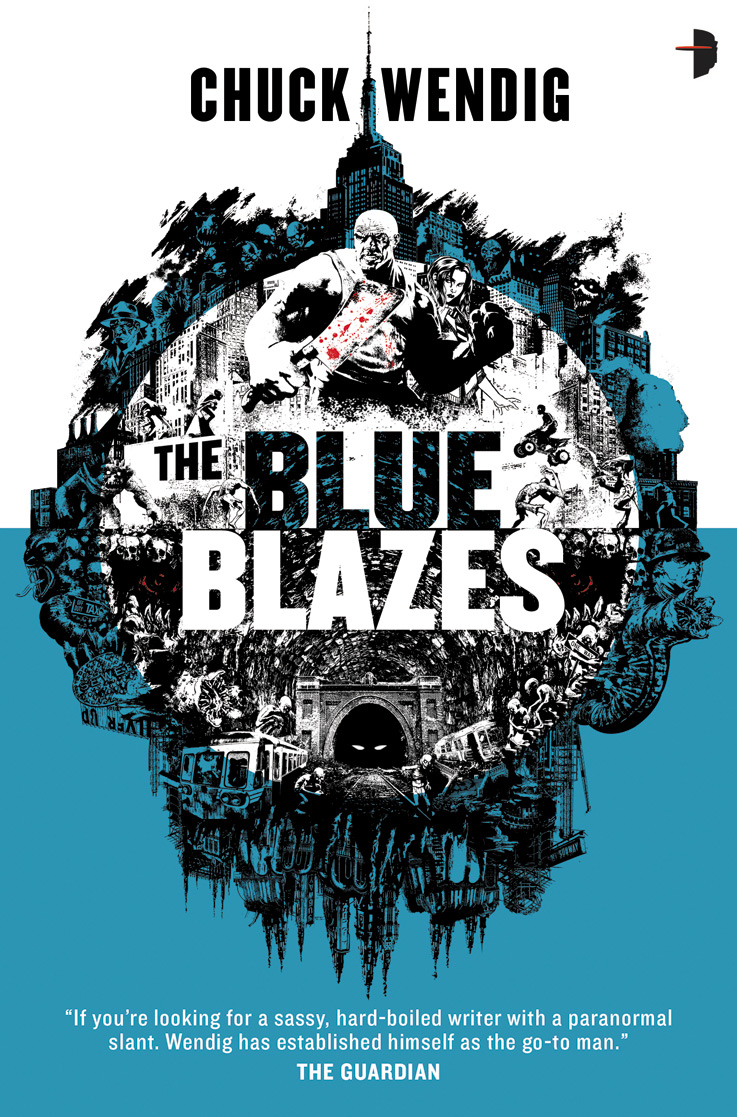
  3. TheBlueBlazes-144dpiThe Blue Blazes, by Chuck Wendig.  I read… three books by Chuck Wendig in 2014?  I think?  Wendig’s work sorta fits into what I’ve always called the “vampires fucking werewolves” genre and what everyone else calls “urban fantasy,” but The Blue Blazes is so gritty and brutal and nasty that I hesitate on including it there.  Plus like half of it takes place in Hell.  Wendig himself once nutshelled the book as “Man eats meat, fights Hell,” which is only inaccurate insofar as it minimizes the role of drug use in the story.  I’d add “takes drugs” in the middle there.  I learned what the word charcuterie meant while reading this book.  This is one of the better-written books on the list in the sense of the words themselves making me want to eat the author’s brain and steal their powers; the main character is described as looking like “a brick shithouse made up of a hundred smaller brick shithouses.”  It’s lovely.  You should go read it right now.
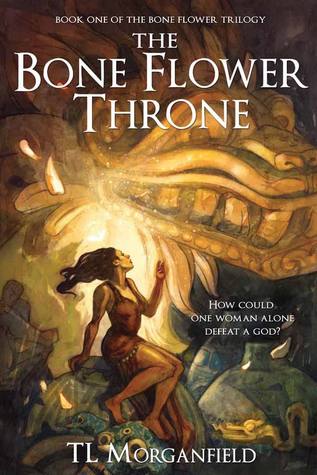
  4. 18336300The Bone Flower Throne, by TL Morganfield.  I actually reviewed this one when I read it; I read it in May and it is still the only book I have ever read set in tenth-century Mexico.  It won’t be for long, though; the sequel The Bone Flower Queen just came out and it’s already in my shopping cart at Amazon waiting for the holiday rush to die down a bit.  Everything about this book is fascinating: the culture, the characters, the setting, the plot itself.  It’s all so goddamn new that there was almost no chance that I wasn’t going to love the hell out of it.
    One tiny warning, though: the names can be tricky.  Each character has like four of them, so make sure you’re paying attention the whole way through or you’re going to lose track of who’s doing what to who really quickly, which you probably won’t want to do.  This one’s worth the work.
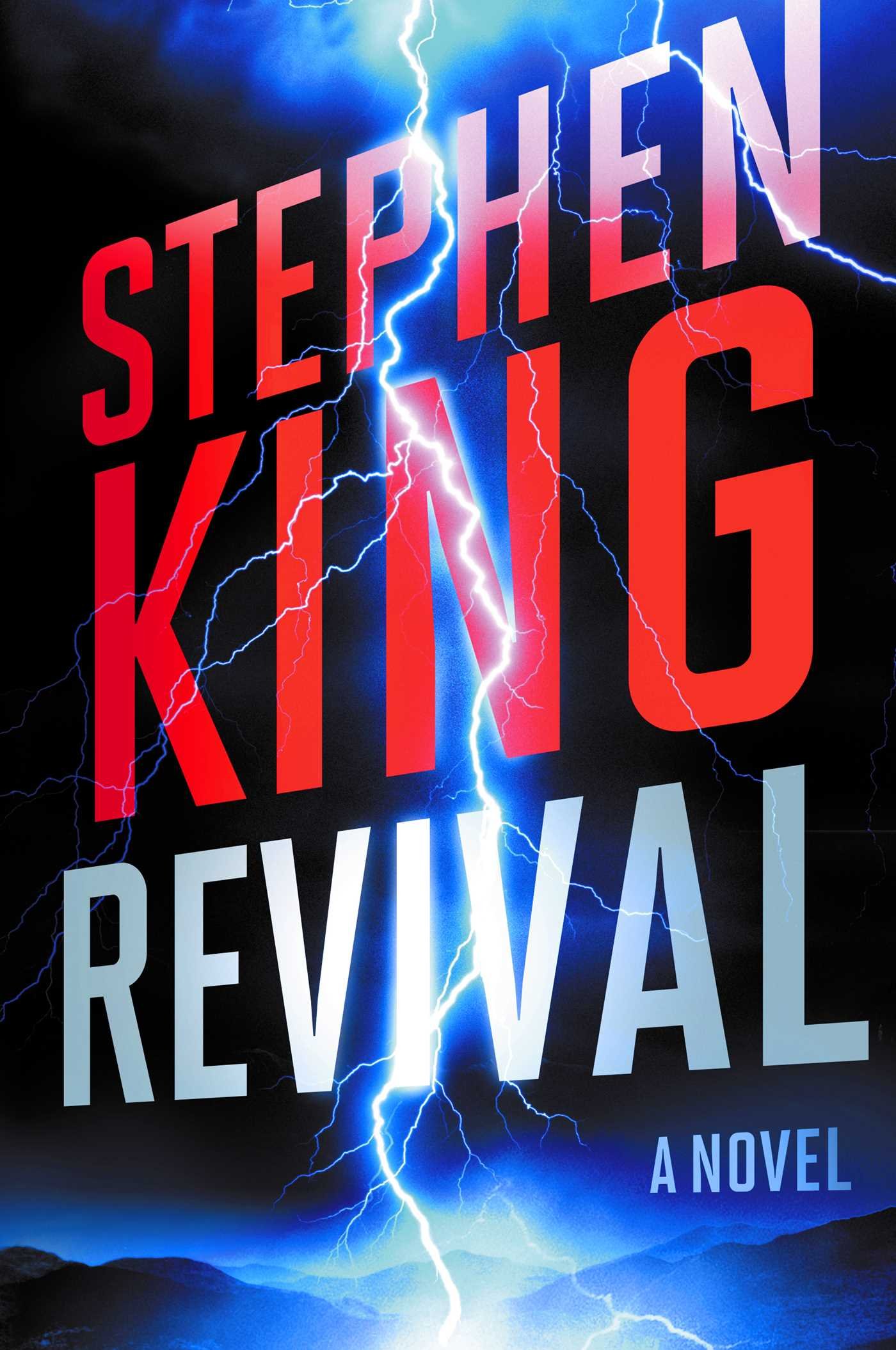
  5. 81KbwsMpmKLRevival, by Stephen King.  Yes, Stephen King, who somehow wrote something like four or five novels this year and managed to produce his best work in years in this novel.  That sounds dismissive; I love King’s work and religiously purchase and read almost every book he releases (I skipped the new Dark Tower book) but the man is a whole entirely different thing unto himself and I don’t know that I expect to be surprised by him any longer.  This should be right up there with It or The Stand.  Revival blew me away; if it hadn’t been written by King I’d have been knocking people down to tell them about it, but he’s already the highest-selling motherfucker on the planet and I’m not sure he really needs my help.  I need his help; Steve (ahem, Mr. King,) read Benevolence Archives, dammit!  I was floored enough by this one that I made my wife read it to make sure I wasn’t crazy; she’s been telling people about it ever since.  If you haven’t read any King in a while, this one is absolutely the book to come back with.
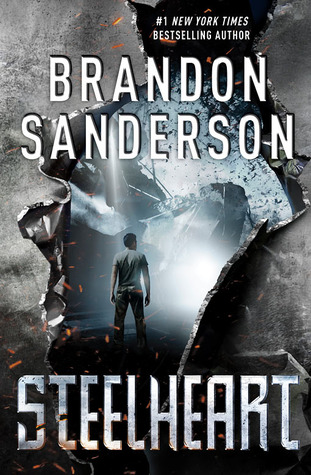
  6. 17182126Steelheart, by Brandon Sanderson.  I went back and forth on whether I should include this Brandon Sanderson book or one of the other two I read this year; his Rithmatist was a bit on the forgettable side, but Words of Radiance, the second book in his Stormlight Archives series, was also brilliant.  I ended up going with Steelheart because I feel like it’s less likely that you’ve read it before, and you ought to have.  I just had a conversation with somebody the other day about how superheroes don’t show up in books all that often; well, Steelheart manages to combine superheroes and dystopia in a way that’s pretty damn fascinating, with a clever twist ending and lots of promise for future work in the universe.  Firefight, the second book in the series, is out… soon, I think?  Definitely next year sometime, and it might actually be in the next couple of months.  This is technically a YA book but it’s the kind of YA that adults can enjoy just as easily; highly recommended.
  7. 51zDC4DndAL._SY344_BO1,204,203,200_One Square Mile of Hell: The Battle for Tarawa, by John Wukovits.  I don’t know what the deal was with this book; I found out about it somewhere, picked it up, and it sat on the shelf forever.  I literally picked this book up and took it places with me on multiple occasions and it ended up back on the shelf unread; I don’t know what the hell was wrong with me or why it took me so long to get to it but the book is amazing.  It’s about a single battle in the Pacific theater during World War II; basically an Allied attempt to take over a tiny little spit of land that had a Japanese airport on it, with a bit of detail about the lives of some of the soldiers involved in the battle for color.  I find it hard to believe that Wukovits wasn’t at the battle given how detailed his history is– almost as hard as I find it to believe that anyone actually survived the battle.  I know I praised Lauren Beukes’ horror storytelling up there and there’s a Stephen King book on the list besides, but for my money One Square Mile of Hell is the scariest book of the year, and the best nonfiction I read all year besides.
  8. Gone_with_the_Wind_coverGone with the Wind, by Margaret Mitchell.  Yep.  Goddamn Gone With the Wind.  Technically I started this in 2013 but it was after I did the top 10 list for the year, so I figure I can count it 2014 under the ever-present “my blog, shut up” rule.  I did a fairly extensive write-up of my feelings about the book right after I read it that I won’t go into huge detail about here; needless to say, while this book is generally about awful people and tries to sugar-coat some of the worst atrocities in American history, it’s still an amazing goddamned book and everyone who reads should make sure they read it.  Yes, I know your reasons for not wanting to, do it anyway.  Does Scarlett O’Hara’s genuine proto-feminist sensibility help any?  The bloody thing is over 1000 pages and still manages to be a pretty fast read.  You can spare a couple of days.  Read Gone with the Wind.
  9. 51kGoLm2MVL._SY344_BO1,204,203,200_Sunshine Patriotsby Bill Campbell.  I was starting to worry about the overall quality of 2014’s reading (a fear that proved unfounded once I started thinking about it more) when Sunshine Patriots touched off a hell of a run; four of the books on this list are books I read in the last month.  I will reread this book over and over again, guys, and the language of the book is the reason why.  I’m attracted to powerful dialogue, and nearly everyone in Sunshine Patriots talks in this proto-Jamaican/Spanglish, slangy patter that was just absolutely a joy to read.  The fact that the cover grabs you so quickly– Afro-Caribbean cyberpunk?  Yes please— is only additional evidence that the book demands a close look.  Of all the books on the list, this is the one I’m going to evangelize the hardest, because I’d never even heard of Campbell prior to Saladin Ahmed randomly doing a promotion for this book on Twitter, and the people I’ve mentioned him to haven’t known him either.  I love finding new authors and I love exposing new people to what I’ve found; Sunshine Patriots is really something special and you ought to check it out if you like things that are good.
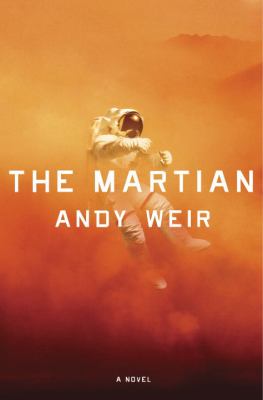
  10. The_Martian_2014The Martian, by Andy Weir. I knew when I finished The Martian that it was going to be the best book of the year.  I mean, Sunshine Patriots is a great book, but the challenge of 2014 was to find a book that was close to being as enjoyable as I found The Martian, and it just never happened.  I should have hated this book; considering that I also released a book involving being in massive trouble and on Mars this year, and this guy not only was winning a bunch of book awards but apparently has Matt Damon starring in the damn movie already, I shoulda been mad at him.  I’m not.  His book’s better than mine.  You should read Skylights anyway, because Skylights is pretty damn good, but… manThe Martian is an amazing piece of science fiction and you need to go read it.  Just read my book first, because otherwise you’ll be all “This isn’t nearly as good!” and that’s not what I want.  🙂  I love this book and I want to hug Andy Weir for letting me read it.  It’s the best book I read this year, by a long shot.  Write more, dude.  

Honorable Mentions:  Reamde, by Neil Stephenson; Maplecroft, by Cherie Priest; Johannes Cabal the Necromancer by Jonathan L. Howard; The Enceladus Crisis by Michael J. Martinez; Lock In by John Scalzi.

So, what did you read this year?

Posts of the Year: 2014

2014Despite the weather today– fifty freaking degrees!  Sweatshirt weather!– it’s probably about time to start doing some retrospective posts on 2014, and I figure I’ll start with Posts of the Year, since it doesn’t seem super likely that anything will be changing positions between now and January 1st.  Here is last year’s edition; the rule for this year was that you had to be acquire the traffic after last year’s list to count for this one.  There are a couple of posts that would be on both lists, namely In Which I Hurt Myself and Acquire Toys and The 10 SF/(mostly) F Works that Meant the Most to Me, but this post is all stuff that’s new since I wrote the last one.
Also, we’re doing a top 11, not a top 10.

  1. MOAR BUTTZ, a tale told with pictorial accompaniment:  January 16, 272 hits.  This post is why this is a top 11; this is probably my favorite post of the entire year– I spent the entire time during the events this describes planning the blog post, and I was literally laughing myself to tears while I was writing it.  I love this post.
  2. In which I am still a bad student (pt. 2 of 3):  August 2, 2013, 286 hits.  This one’s interesting, and I had to think hard about whether to include it– because  technically I wrote it in 2013, but it didn’t catch on until 2014.  This is also the sole teacher post on the list, and is part of a three-part series on determining teacher quality.  It’s one of my more thinky pieces.
  3. Creepy Children’s Programming Reviews: Super Why:    March 6, 299 hits.  True fact: at the time I wrote this, I was unaware that future seasons of Super Why actually added a talking dog to the cast.  I have nearly revisited this post on any number of occasions, because the talking dog took a show I already hated and catapulted it somewhere… else.  Somewhere darker.  “Hate” isn’t even the word anymore.
  4. In which my kid is weird as hellOctober 13, 316 hits.  There are a fair number of posts on this list that are generated somehow by my son; this one details his obsession with kicking hats that took over his life around Halloween.  It’s fun.
  5. And none could say they were surprised: on #Ferguson:  November 25, 331 hits.  I’m very gratified that this post has gotten the attention that it has.  It’s the newest post on the list, too.  I’m rarely completely serious around here; this is one of those times.
  6. On “awareness,” with swearing:   May 9, 367 hits.  I have a theory that the angrier I am and the more times I use the F-word in a post, the more popular the post is destined to be.  This one’s a little… intemperate.  It’s about slacktivism!
  7. Creepy Children’s Programming Review: Color Crew: February 16, 480 hits.  The other thing that I need to do a lot to generate traffic?  Review stuff I don’t like, as you’ll see below.  I don’t dislike Color Crew as much as I dislike Super Why, although it’s a much, much weirder show.  Interesting fact:  all four CCPR posts (the other two are Peg + Cat and Curious George) are in my all-time top 20.
  8. The Top 10 new (*) books I read in 2013: December 17, 2013, 577 hits.  This is another one that was technically written in 2013 but was written after the top 10 posts list, and therefore it got nearly all of its traffic in 2014.  The sequel to this is coming soon; right now my shortlist for my top 10 is 16 books long.  That’s too many.
  9. This one has some bad words in it: September 5, 2013, 852 hits.  The third and final 2013-blew-up-in-2014 post; I got this one linked prominently in the comment thread on a Scalzi post, and it got a lot of attention.  I’m not entirely sure it deserves to be here; it just happened to have a section that was perfectly relevant to the conversation going on over at his place, so I linked and got lucky.
  10. Think before you post: February 16, 930 hits.  This post combines lots of swearing and anger with a direct attack on a common Facebook meme, and ended up with a pretty high number of Facebook likes for one of my posts.  It got linked all over the place and still picks up little surges of hits every now and again.
  11. SNOWPIERCER: I hated, hated, hated, hated, HATED this movie.: August 5, three goddamn thousand three hundred and seventy-one hits.  And, surprising absolutely no one, number one with a bullet, the goddamn SNOWPIERCER review.  I am actually tired of this post, if I’m being honest.  I hated this movie, although I enjoyed reviewing it, I haven’t come around to liking it since I reviewed it, and this post appears to have become home base for everyone on the Internet who sees this terrible, stupid little movie, wonders why it got such great reviews, and goes onto Google to search for like-minded individuals.  Its popularity blows away anything else I’ve ever written– note that this is one of the newer posts on the list– and it’s still a rare day that it isn’t my most popular post of the day.  I finally had to close the comments on it last week; people were starting to fight with each other and I am heartily tired of monitoring it.  Stupid post.  Stupid movie.

Anyway, that’s it: my 11 most high-traffic posts of 2014.  I will have to come up with new rules next year to disqualify the Snowpiercer post, as I’m sure that it will still be tops on the list.  It’ll be interesting to see what’s blown up in the meantime.

Anything that ought to be on here?  Feel free to wander through the archives all day.  🙂

10 awesome fictional females

think I’ve stolen this idea from someone, but I’ve been kicking it around in my head for over a month now and have completely lost where it came from.  Despite thinking about it for a month, I’m still pretty sure I’ve forgotten about someone.

This list is in no particular order.

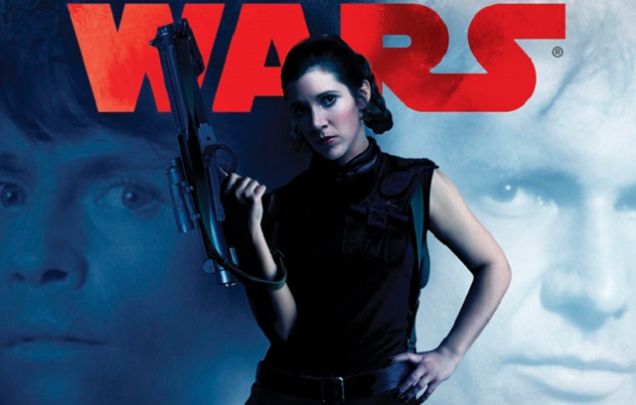
1.  Leia Organa, STAR WARS18lr3b0ga56o5jpg

This will surprise no one, and shouldn’t.  And no, not because of the slave bikini.  Okay, maybe a little because of the slave bikini.  Honestly, the Leia of the later Star Wars books has always been more interesting to me than the Leia of the movies, because they move away from “Princess” Leia and more into “uber-competent intergalactic diplomat, badass Jedi grandmother Leia” who is way more interesting.  Rhundi from The Benevolence Chronicles is at least a little bit based on this later Leia, although Rhundi is less of a politician than Leia is.

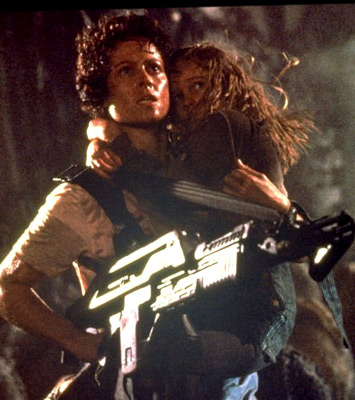
92.  Ellen Ripley, ALIEN franchise

Also from the “should surprise no one” category, and in fact the first name I came up with when writing this.  Sigourney Weaver as Ellen Ripley should have killed the idea that women can’t carry action films stone cold goddamned dead after Aliens.  She was even good in the bad Alien franchise movies.

Honorable mention here goes to Dana Barrett from Ghostbusters, which is actually my favorite movie with Sigourney Weaver in it, and Gwen DiMarco from Galaxy Quest, which is probably Weaver’s most underrated role.  But Ripley is easily her most iconic and her best role, and certainly her best character.

willow06013.  Buffy Summers and Willow Rosenberg, BUFFY THE VAMPIRE SLAYER

Yes, both of them; my blog post and I get to set the rules.  Truth be told I think I prefer Willow slightly to Buffy; the character has a more interesting arc over the course of the show (and the episode pictured in the picture here was at least a minor part of the evolution of that character arc) but they both belong together.  Buffy the Vampire Slayer is my favorite television series of all time, basically, right up there with M*A*S*H, and I miss the hell out of it.  I’ve never been able to get into the comics or the books, both of which are still coming out, at least partially because I hated Angel so much toward the end and I refuse to admit that anyone from that show is still alive.  But it wouldn’t take much to get me to read more about Buffy or Willow.

Zoe4.  Zoe Washburne, FIREFLY

Do you know what the definition of a hero is? Someone who gets other people killed. You can look it up later.

Why not, stick with the Whedonverse for number four.  I love all of the characters in Firefly, but Zoe was the glue that held the rest of the cast together, and I wish to hell she’d gotten her own TV series somehow.  Or a movie.  Or anything, really.  Where she brings Wash back from the dead with the sheer power of her own awesomeness, because I’m still pissed off that Wash is dead.  If I ever meet Joss Whedon I’m going to hug him and then punch him in the mouth and tell him that was for Wash, and then while his security guys are hauling me away and beating me up I’m going to try and kick him and tell him that was for Tara from Buffy.

Joss is a dick, is what I’m getting at here, but Zoe was an amazing character and I wish I’d had more chances to see more of her.

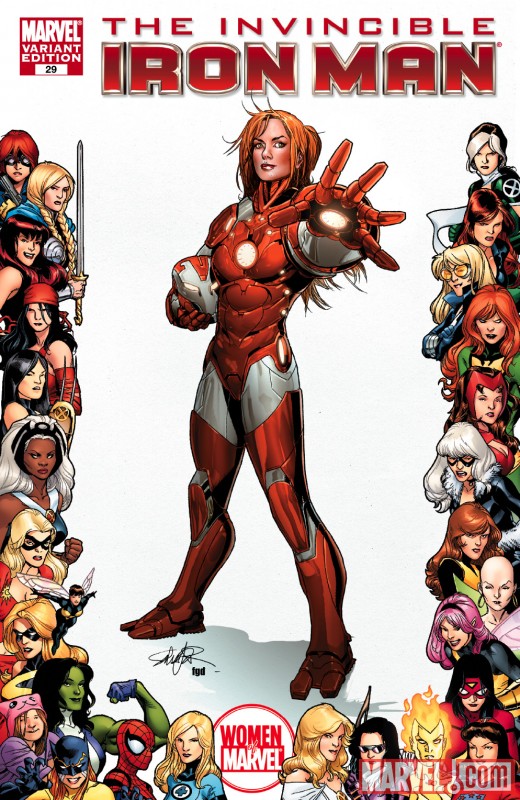
INVIRONMAN_29_CoverWoM5.  Pepper Potts, IRON MAN

Little-known fact: for most of the existence of the character, Pepper Potts and Tony Stark were not  an item.  In fact, over the 40-some-odd years since the character debuted (created by Stan Lee, by the way) she has spent almost all but the last seven or eight married to someone else.  Pepper was always interesting to me because she was immune to Tony’s bullshit; the womanizing aspects of the Stark character just bounced off of her.  Pepper was what kept Stark Industries moving when Tony was either off fighting bad guys or just being a drunken idiot, and when she finally got her own armor for a little while (I’m actually not sure if the Rescue persona is still a thing; I don’t think it really is) it felt like something the character had earned.  (Incidentally, random Iron Man note: they’re making a big deal about Thor becoming a woman and Captain America being a black guy; Iron Man has already been a woman and a black guy and he did both in the eighties.  So they’re making him an asshole instead.  Sigh.)

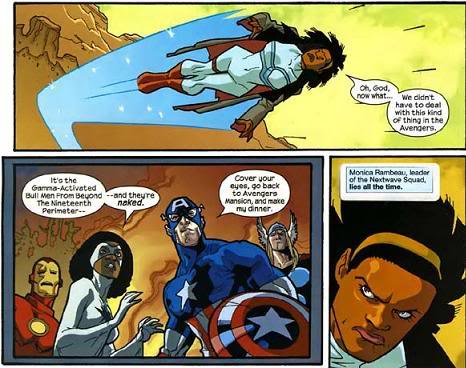
anzQONH6.  Monica Rambeau/Captain Marvel/Spectrum/Whatever (Marvel comics)

Monica Rambeau doesn’t get enough credit. Hell, Monica Rambeau can’t even keep a proper superhero name.  She’s been one of the umpteen Captains Marvel, she was… Photon, for a while, I think? and now she’s Spectrum.  Here’s what you need to know about her:  She has led the Avengers.  You know how they complain about there not being enough women and people of color in comic books and in comic book movies?  Monica Rambeau led the goddamn Avengers.  And not the cheap-ass West Coast or Great Lakes offshoot teams.  (I kid. I love the Whackos unreservedly.)  No, she was in charge of the honest-to-goodness Actual East Coast God Damn Avengers, and she should have had three movies by now.

Okay, choosing a panel from Nextwave was probably kinda disrespectful, but god I laughed like an asshole when I first read that comic.

VeGnt7.  Éowyn, THE LORD OF THE RINGS.

“I am no man.”

Understand something:  I have read The Lord of the Rings at least once a year since I was in second grade.  I have the inscription on the ring tattooed on my left leg.  I have bits of the book memorized.  And the one thing that the movies did not get to fuck up was Éowyn’s reveal in The Return of the King. I was terrified going in that they were going to give that scene to Arwen, since they’d made such a big deal of pumping up her role in the rest of the movies.  I would have burned down the goddamn theater.

Took down the Witch King.  By her damn self.  Badass.

Éowyn maybe should be higher on the list.

Arya_Stark_48.  Arya Stark, A SONG OF ICE AND FIRE

I’ve been rreeeaallll vocal about my unhappiness with the later A Song of Ice and Fire books, right? And I’m not happy with them.  Not at all.  ASoIaF has degenerated more severely than any other mega-series I can remember reading, and as a lifelong science fiction and fantasy fan I have read a lot of them.

Finding out what happens with Arya– and maybe, maybe Tyrion, although absolutely nothing remotely interesting happened with him in the last book– is one of the very few things still keeping me invested in this series.  It is entirely possible that when The Winds of Winter finally comes out in 2028 that I will just read the Arya chapters and then give the book to my wife.

Maisie Williams is pretty fucking awesome, too.

lyra_and_pantalaimon_by_febreizh-d2036249.  Lyra Silvertongue, HIS DARK MATERIALS

This is fan art, I think; I decided that since the His Dark materials movie series so seriously screwed up the books (unavoidable, unfortunately, if they wanted it to sell any tickets– and they still didn’t sell any tickets) I needed to find a picture of Lyra that wasn’t from the movie.  The interesting thing is I’m not sure how to talk about her other than to say that you need to read the Dark Materials books right now so that you can learn about Lyra and how awesome she is.  I love these books unreservedly; a snippet from the third one was actually read at my wedding, and I keep trying to come up with a way to make a good tattoo out of a compass, a knife, and a spyglass.

hermione_granger_2_by_gaietta25-d56vh6f10.  Hermione Granger, HARRY POTTER

Hermione was the best thing about the Harry Potter books.  Everyone knows that, right?

Okay, good.

Honorable Mentions:  Scarlett O’Hara (GONE WITH THE WIND), Katniss Everdeen (THE HUNGER GAMES,) Lady Polgara (THE BELGARIAD), She-Hulk (Marvel Comics), Barbara Gordon (DC Comics), Mara Jade Skywalker (STAR WARS), and no doubt any number of others I’m forgetting.

The 8 Non-SF/F Books that Meant the Most to Me

…yeah, I’m stealing from Scalzi again.  What of it?  Thinking about this stuff is fun.  You may remember this post, which focused on science fiction and fantasy books; he’s just redone the premise, except focusing on books that aren’t science fiction and fantasy.  He appends the suffix (as a Writer) to his post; while some of the books I’m going to mention definitely influenced me as a writer, I’ve included some that had no real effect on my writing because of the way they affected the rest of my life.  I’m also only doing eight, not ten, although I reserve the right to go back and add more if I smack my forehead and remember something obvious later.

The timeline I’m working with here, by the way, is “through college.”  Books are in alphabetical order by author.

Unknown

Illusions: the Adventures of a Reluctant Messiah, by Richard Bach. This was– drink every time you see this phrase in this post– first given to me by my Uncle David, when I was in middle school, I think, and getting used to the idea that I really wasn’t ever going to be a Christian.  It had a rather profound effect on my psyche and my ideas about how the world worked for several years afterward.  I reread this book this year for the first time in probably a decade or two, and I’ll admit I’ve outgrown it; it seemed awfully silly to my jaded older self and I’ll admit that of all the books on this list this is the one I hesitated the most to include.  But… man, at that time in that place?  I was copying quotes from this book into a notebook.  I’ve never done that before or since with any other printed work, not even the LOTR books, and I’ve got lines from those tattooed on myself.

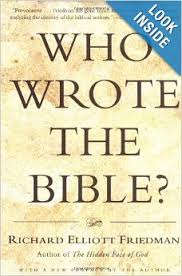
Unknown-1Who Wrote the Bible? by Richard Elliott Friedman.  I can pinpoint this one pretty precisely: I read this my senior year in high school.  When I started the book, I was sort of planning on majoring in journalism in high school (see two later entries for more background on this) and planning on Uncovering the Truth for the rest of my life.  By the time I finished it I’d already started becoming the kid who was going to go through four years at Indiana University without so much as setting foot in the journalism building.  Who Wrote the Bible? rewrote my entire future on the spot, taking my preexisting mild interest in religious studies and blowing it up into a full-scale obsession that was going to dictate the course of my studies for the next six years of my life– I ended up triple majoring in Religious Studies, Jewish Studies, and Psychology with dual minors in Near Eastern Languages and Cultures and Anthropology, then heading off for a Master’s degree in Hebrew Bible from the University of Chicago before realizing that reading was more fun than research and stopping my program before moving on to the Ph.D.  None of that would have happened if I hadn’t randomly found this book on a shelf in a friend’s house and asked to borrow it.

Hm.  This book is responsible for, like, 2/3 of my student loans.  Never mind.  This book sucks.

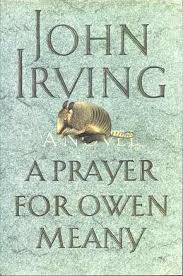
A Prayer for Owen Meany, by John Irving.  Unknown-2Two guesses who loaned me this one, and the first one doesn’t count.  Yep!  Uncle David.  This is another book that influenced me both as a person and a writer; not only is Prayer a great story with a fascinating set of twists and turns and a somewhat unexpected supernatural bent to it, but it taught me how to be a newspaper columnist– Owen Meany runs a column called VOICE, written in all caps, throughout most of the book.

I had a column in our school newspaper my junior and senior year.  What was it called?  VOICE, of course, although I didn’t write it in all caps, mostly because no one would let me.  I also never told anyone where I got the name from, and I don’t think anyone ever noticed.  I haven’t reread this book in a while; maybe I should add that to the 2014 rereads list.

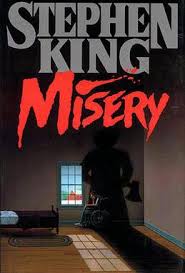
Misery, by Stephen King.  imagesOne of my many ongoing reading projects (which didn’t go mentioned in the post the other day) is to reread every Stephen King book, in order.  It didn’t make the post because I don’t really care if I get it done in 2014 or not.  Very, very few of those reads will be new; I read Rage for the first time a couple of months ago but I’m pretty sure I’ve read 95% of King’s actual novels already.

The first one?  Misery.  I don’t remember exactly how old I was, but… well, I wasn’t what was probably considered old enough to be reading Stephen King.  Maybe fifth grade?  Sixth?  Somewhere around there.  I was at my grandmother’s house and rather bored– my brother and I may have been spending the night, actually– and I came across her copy of it and picked it up.  By the time she noticed what I was doing I was already too hooked for there to be any chance of talking me into putting it down or distracting me with something else.  I still have that exact copy; she never got it back.

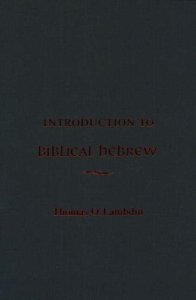
3144BSXMD8L._SY300_An Introduction to Biblical Hebrew, by Thomas O. Lambdin.  What?  You can’t see anything in the image of the cover?  That’s on purpose; Lambdin’s Hebrew grammar features blood-red foil stamped into a dark grey cover, and it is a forewarning of what you are getting into:  you are going to bleed for this book, and it’s letting you know before you even open the cover that it is a bad evil motherfucker and you probably ought to leave it on the shelf like a sensible person.  I had this book with me everywhere I went in college for two years and everywhere I went in grad school for two years after that; it taught me to study in a way that no textbook and really no class ever did or has since.  Now, granted, a loooooot of the credit needs to go to my first Hebrew professor at IU, Bernie Levinson, who was hands down one of the finest educators I’ve ever met in my life, but there was still something about this damn book.  I’ve still got it; if my house burns down I’ll rescue my copy, if only because I don’t actually think it can be destroyed and I would hate to see what the book I referred to as “the Lambdin” for years would do to human civilization if freed from its earthly shell.

Unknown-3

One More Time: The Best of Mike Royko, by Mike Royko. This one, I’ll admit, is in some ways a bit of a cheat, as I didn’t get the book itself until well after college, when I found both it and its sequel For The Love of Mike on a shelf in a Barnes and Noble together and bought them both immediately.  I’m including it because Mike Royko was my writing idol in high school; our local newspaper syndicated his column and as far as I was concerned getting to read Mike Royko’s columns was the entire reason my parents were paying for the paper.  The school newspaper, and journalism itself, were a really big deal for me in high school, as you may have already picked up on, and the fact that I wanted to be Mike Royko when I grew up had a lot to do with that.  The guy was brilliant, simple, direct, understated, and wrote like he had scalpels for fingers, a simile that may only make sense to me but still seems beautifully appropriate anyway.  I still pick this up and leaf through it from time to time, although probably not often enough, and I miss the hell out of getting to read Mike’s columns a couple of times a week.

fear-and-loathing

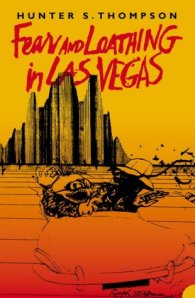
Fear and Loathing in Las Vegas, by Hunter S. Thompson. Speaking of journalists, and speaking of people I miss the hell out of: this one is absolutely an “as a writer” entry, as I worship at Thompson’s altar and every word I’ve written since I first read this book has had his stamp on it somewhere.  I firmly believe Hunter Thompson to be one of the finest prose writers who ever lived and the finest writer of invective who ever lived; my greatest regret is that George W. Bush outlived him, because that means I’ll never get to read the obituary Hunter Thompson wrote for George W. Bush.

His Nixon obit, of course, is brilliant.

This is yet another Uncle David recommendation, which will surprise no one; half of everything important I’ve read in my life came from him somehow.

Weirdly, I don’t remember when I read this book for the first time– I can’t even pin it down to “high school” or “college” or “before then” or anything like that.  I suspect I was probably in high school, as my parents generally weren’t ever too prone to taking anything I was reading away from me but I can’t imagine they’d have overlooked something as full of drug references as Fear and Loathing.  

92057

The Autobiography of Malcolm X, by Malcolm X and Alex Haley. The Autobiography of Malcolm X is beyond a doubt, without a question, no ifs, ands, or buts, the most important book on this list and the most important work of nonfiction I’ve ever read in my life.  I first read this in sixth or seventh grade and the damn thing blew my goddamn mind.  Malcolm is my idol in a lot of ways; there’s a poster of him hanging up in my office that I’ve had in every home (and most of the classrooms) that I’ve lived in for years.  He’s one of my two favorite human beings; the other is Abraham Lincoln.  My son came very close to being named Malcolm Michael; if we have another kid (unlikely) and it’s a boy (hopefully not; if we have two I want a girl) he’s going to be named Malcolm Abraham.  There are not many books that I literally think everyone should read.  Every living human being should read The Autobiography of Malcolm X.  Period.

I’m going to stop at eight, if only because some of the other choices I thought about feel like cheats for some reason or another.  Let’s call three other books Honorable Mentions:  Zen and the Art of Motorcycle Maintenance, by Robert M. Pirsig (another Uncle Dave loaner, by the way), Integrity, by Stephen Carter, and, well, the Bible, which I feel weird putting in bold. I feel compelled– unnecessarily, I suspect– to point out that I really don’t mean The Bible Meant A Lot To Me in the way most people would.  I suspect most of you have been reading me for long enough to know what I’m getting at, and if not, well, reread this piece a time or two, because there’s hints.

The Top 10 new(*) books I read in 2013

I should probably wait until the year’s actually over, because of course you never know– and the book I’m reading right now is fantastic— but I figure this list is probably going to be pretty stable by now, and I have nothing else to write about today.  So:  the top 10 new(*) books I read in 2013, where “new” is defined as “new to me,” which means that it’s totally fine that two of these came out while I was in middle school.  Most of the rest are pretty recent, though.  I am not in any way claiming that these are the arbitrary “BEST” books of 2013 or any other year; they’re the 10 books that I liked the most and have been most likely to evangelize to others.  In reverse order, then:

  1. 9781400069224_custom-74c1fad03aa8c72c92cb923ce65325c75dd15ea0-s6-c30Zealot:  The Life and Times of Jesus of Nazareth, by Reza Aslan.  In a former life, I was planning on pursuing a career as a college professor.  I majored in Religious Studies, Jewish Studies and Psychology as an undergrad, with dual minors in Near Eastern Languages and Cultures and Anthropology.  That’s not a joke.  I actually did that.  Then I got a Master’s Degree in Hebrew Bible from the University of Chicago and figured out that while I really liked reading and learning and occasionally telling other people about all this stuff, as soon as you framed any of it as “research” it made me want to kill myself.  So away with that.   I haven’t done much reading in religious studies since leaving school, but all the press about this one (OMG A MOOZLIM WROTE ABOUT TEH JEEZUS) made me pick it up and read it.  And it was well worth the read; I don’t know that it’s cutting-edge scholarship and there was little in there that was new to me, but it’s a great primer on how religious studies in the academy actually works for those who are interested.  Aslan’s book on Islam is on my unread shelf right now, waiting for me to get to it.
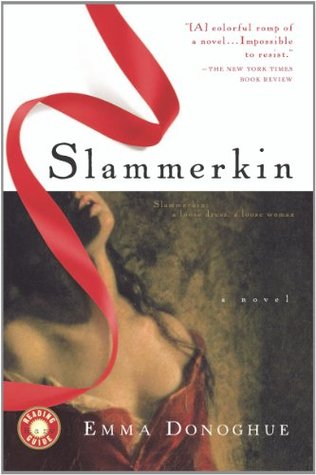
  2. 44543Slammerkin, by Emma Donoghue.   I read a bunch of Emma Donoghue this year, and this was the best of the bunch: a tale about a Victorian teenaged prostitute (a “slammerkin” is a loose gown and is also slang for a hooker) that turned out on literally the last page to actually be based on the life of a real person.  It is at turns shocking, funny, exciting, depressing, and occasionally at least a little inspiring here and there; Mary Saunders’ life is not one that I would ever want to have, obviously, but she’s a believable and interesting character and Donoghue has obviously researched the hell out of her setting.  Not for the faint of heart, I don’t think– you saw the “teenaged prostitute” bit up there, right?  I hope so– but well worth the read.
  3. 0765334070.01._SCLZZZZZZZ_SL400_Fiddlehead, by Cherie Priest.  This is the fifth– and, unfortunately, I believe the final– installment of Priest’s Clockwork Century series of novels, and for my money it was the best one.  I got off on the wrong foot with Boneshaker, the first book– the series is set during a steampunk extended alternate-history of the Civil War and the main character of the first book is a Confederate, which got under my skin in a way that I wasn’t able to shake– but every book since then has gotten better.  There is a sequence in Fiddlehead where a crippled, wheelchair-bound Abraham Lincoln (he survived the assassination attempt, but only barely) and current President Ulysses S. Grant are involved in an ongoing and pitched gun battle that is ended by a deus ex machina crazy man piloting a blimp.  Meanwhile, Pinkerton agents of Lincoln’s are trying to save Atlanta from being wiped off the map by a… wait for it… zombie bomb.  As in a bomb that creates zombies.  This book, uh, may not be for everyone.   But oh my god was it for me, and it should be for you too if you want to be my friend.
  4. Grant_Parasite-HCParasite, by Mira Grant.  Speaking of zombies, Mira Grant’s recent Newsflesh trilogy put her on the map for me, and Parasite is the first book of her follow-up series, about better living through genetically modified intestinal fauna.  It hits a couple of similar notes to the zombie series (turns out, spoiler alert, putting genetically modified tapeworms in everyone to alternately secrete medicine and screw with their genomes to make them healthier might not be the best idea) but ends up standing on its own by the end of the book.  Grant is a pen name– under her real name, Seanan McGuire, she writes mostly urban fantasy, which this definitely isn’t, even though I’ve enjoyed her InCryptid novels more than I probably ought to.  In fact, forget I wrote that; I hate urban fantasy so I either didn’t like InCryptid or I have to find some way for InCryptid to not be urban fantasy.  Point is:  Read Parasite.  Then go read Newsflesh.  That’s good too.
  5. the-lies-of-locke-lamora-USThe Lies of Locke Lamora, by Scott Lynch, along with its sequel Red Seas under Red Skies.  I am a sucker for heist novels.  I am a sucker for fantasy literature.  I am a sucker for fantasy literature set in big cities (which is not the same as “urban fantasy,” which is basically ten thousand ways to rip off Buffy the Vampire Slayer.)  I am a sucker for books about thieves.  This series is all of these things, and I am so Scott Lynch’s bitch.  The third novel in this series, charmingly known as the Gentlemen Bastards books, is already out, but in hardcover, which triggers my OCD because I bought the first two in paperback and they won’t match.  Which is wrong.  My OCD may have to go to hell, though, because I want the third book now now now.  Entertainingly, I discovered this series through an article– on i09, I think– about great fantasy series with terrible covers.  They were absolutely right about this one.  See “The worst books I read in 2013” for one that they got wrong.  
  6. 8362291046_9e6bbdf6b6_zThe Explorer, by James Smythe.  Have you noticed how I’ve been trying to write a little bit more than I need to write to get past the picture, but not much more than that?  I’m filibustering already, because I don’t want you to know anything about The Explorer, I just want you to take my goddamn word on it and read it.  I mean, look at the cover, there.  Getting, like, a 2001 vibe?  Or Gravity, to pick something newer?  Okay, roll with that.  Or, y’know, don’t, because this book isn’t really anything like either of those things except for the bit where it’s set in space and some shit goes wrong.  And I absolutely cannot tell you anything else that happens after that because spoilers can fuck this book up with a quickness and you deserve to have to figure out what’s going on on your own while you’re reading like I did.  Go, dammit.  It’s short, probably the shortest book on this list; you can go finish it and then come back and read the rest of the entries.
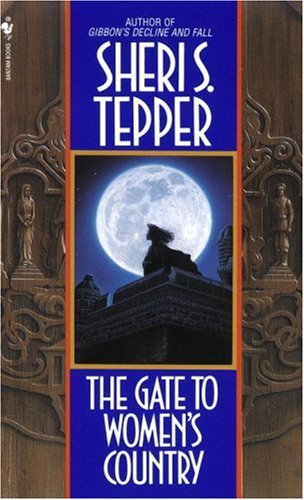
  7. The Gate to Women's CountryThe Gate to Women’s Country, by Sheri S. Tepper.  This is the oldest book on the list; it came out in 1988, when I was in seventh grade.  I’d never even heard of Sheri Tepper before this year, and read two of her books (and have at least one more on deck); Women’s Country was the superior of the two.  This is another one where I sorta want to filibuster and not tell you a lot about it; it’s set in the future, but society has mostly regressed to a state where there are loosely aligned (but occasionally not) city-states rather than overarching national governments; some of them are more or less benign than others, and the particular culture this book revolves around has a particularly Greek/Roman-inflected, very gender-segregated flavor to it.  Tepper spends the first 80% of her book making you think she’s setting everything up in a certain way and then the last 20% of the book manically giggling while she kicks the legs out from under you; it’s got the best ending of anything I’ve read this year– which is what elevated it over Gibbon’s Decline and Fall, the other book of hers I read in 2013, which ends… poorly.
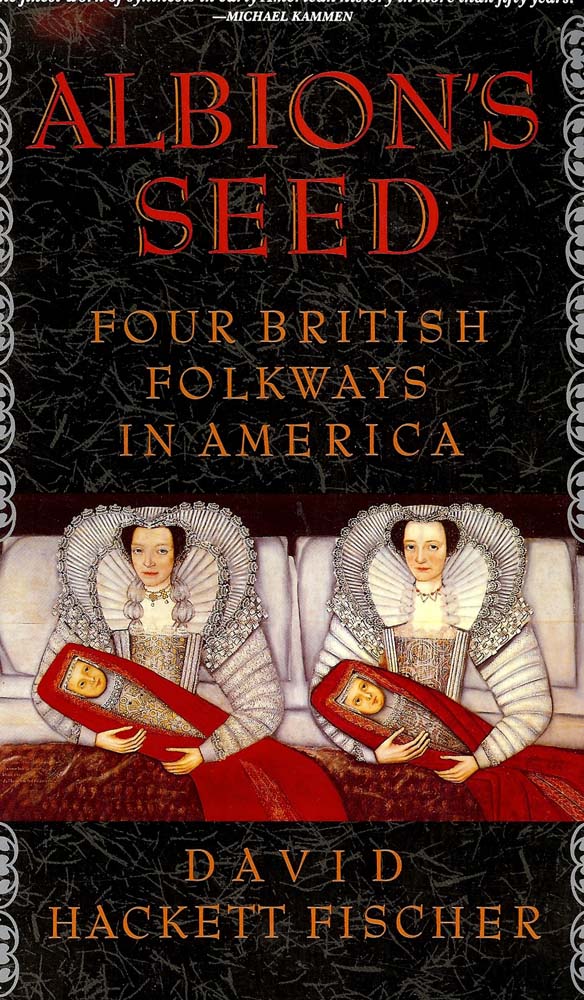
  8. Albion_s_Seed__2_Albion’s Seed: Four British Folkways in America, by David Hackett Fischer.  The second-oldest (1989) and best nonfiction book I read this year.  Albion’s Seed could be used to humanely kill small animals, if you’re into that; it’s nearly a thousand pages long in paperback and something like three or four inches thick.  It’s an insanely detailed look at how four different British cultures– the Puritans, the Cavaliers, the Scotch-Irish, and the Quakers, basically– influenced American culture and how they are responsible for what we think of as regional differences within the United States.  I know I just said insanely detailed, but let me say it again:  it’s insanely detailed, but in a way that is totally fascinating and kept me endlessly pointing out factoids to my wife.  I also kept taking pictures of individual pages and posting them to this Facebook reading group I’m in whenever neat stuff would come up.  I have a good friend from ed school who spent years talking this book up to me before I finally read it; it took me too long and I should have read it much earlier.  Fascinating, amazing work.
  9. CrescentThrone of the Crescent Moon, by Saladin Ahmed.  The top two books on the list are both debut novels and both by people riiiight about my age– Saladin Ahmed is a year older than me and the author of the #1 book is a year younger– which means I hate both of them, because I will never, ever be this good.  Throne is Islamic/Arabian Nights-infused sword-and-sorcery fantasy at its goddamn utter best; I plan to reread it very early in January once I’m done with this stupid keep-track-of-everything project I’m doing right now, and I damn near reread it immediately after finishing it the first time.  The book is creative, refreshing, new, well-written, with characters and cultures that are sorely lacking in fantasy literature right now, and when they do show up tend to show up as hackneyed stereotypes.  It’s a goddamn breath of fresh air, is what it is, and you should not read the next sentence of this article until you’ve downloaded Ahmed’s short story collection Engraved on the Eye (it’s free!) and read every bit of it, then ordered Crescent Moon so that you can read that.  Brilliant brilliant brilliant.
  10. 201306-omag-debut-wecker-284xfallThe Golem and the Jinni, by Helene Wecker.  Remember when I talked about how I used to be a Jewish Studies major in a former life, like, 1800 words ago?  Remember how in the very last article I revealed a not-terribly-surprising like for Arabian-themed fantasy?  This book is about a Golem and a Jinni.  And it’s historical fiction, so it’s got that going for it, too.  Every single time, all year long, anyone has asked me what they should read, I’ve told them The Golem and the Jinni.  I know at least three or four people who have bought copies on my recommendation and loved it.   It was terribly tight choosing between this and Crescent Moon; the only thing pushing Wecker’s book over Ahmed’s is the slightly more literary quality of her writing, which means it’s an easier recommend for most of the people I know, who might turn away from a book about a magician and a sword-wielding dervish hunting ghuls.  It’s also a one-shot and Ahmed’s is book one of a series, which is awesome for me– I get to read more!– but turns off non-genre people a little bit.  I don’t know if that actually makes it a better book or not; it may not, but either way goddammit I loved the hell out of this book and you should be reading it now.  Go.  Go right now.  You have ten books to buy.

Honorable mentions:  Snow Crash, by Neal Stephenson, which is probably only not on the list by virtue of the fact that I’m reading it now and thus haven’t finished it yet; Kabu Kabu, by Nnedi Okorafor; The Fault in Our Stars, by John Green; The Thousand Names, by Django Wexler; Kill Anything that Moves: The Real American War in Vietnam, by Nick Turse; Joseph Anton: A Memoir, by Salman Rushdie; The Shining Girls, by Lauren Beukes; The Signal and the Noise: Why So Many Predictions Fail– but Some Don’t, by Nate Silver; The Book Thief, by Markus Zusak; and Gun Machine, by Warren Ellis.

Worst Books of the Year:  The Walking Dead: Rise of the Governor, by Robert Kirkman and Jay Bonansinga, and I’m pretty sure I know which of the two is the shameful hack, and The Warded Man, by Peter V. Brett.  Here’s why.

Did I miss anything?

Posts of the Year: 2013

UnknownBeing a bit presumptuous in assuming I’ll still be here in a year, but hey: goals.

As of right now infinitefreetime.com has 234 posts.  The following are my ten most popular/high-traffic posts for 2013; in other words, for the entire lifespan of the blog.  Some of them are well-written and/or interesting and/or clever and/or funny.  Some of them confuse the hell out of me.

(And ten is a good number to have chosen, because after ten we start getting lots and lots of ties.  These stood out.)

  1. In Which This Isn’t Quite What it Looks Like (part 1 of 3):  July 5.  Which happens to be my birthday.  I’m glad at least one Serious Post made the list; this post, and the two that follow it, go into some detail as to how I think educators, schools, and students should be evaluated in the age of “accountability” and corporate reform.  You really actually should read this.
  2. Because God Forbid I Don’t Double-Post on Friday:  November 8.  Other than the picture being entertaining, I have no idea.
  3. WHERE THE HELL IS MY STAPLER: September 10.  I actually honestly wish this one wasn’t on the list, and it still gets several hits a week– in fact, pretty much all of these posts are still getting a few hits a week, and the top several are still getting hits every day.   I was in an incredibly bad mood and had had an immensely bad day when I wrote this; I wish I hadn’t.  But it’s on the list nonetheless.
  4. In which something entirely unexpected happens!: October 18.  This, and the post that immediately preceded it, I’m in this job for the paperwork, are both Teacher Posts, and both on the “serious” end of the spectrum.  This one is also one of my ragier ones but unlike “Stapler” a minute ago I’m still willing to own it.  I was at least trying for funny; hopefully I didn’t miss by too much.
  5. Don’t read this if you respect me: September 20.  In accordance with prophecy, one of my most popular posts; I have a misadventure with a new pet.
  6. In which I fail at baking again: July 17.  One of the popular “I screw up; it entertains you” series; I try to make an apple pancake cookies.  I, well… I still do not end up with an apple pancake.
  7. I’d part with my childhood but no one wants it:  September 12.  The popularity of this one, which is basically just me whining about being too much of a nerd, fascinates me.  I thought of it mostly as a throwaway post when I wrote it, because I hadn’t had any better ideas.  Still haven’t sorted the damn books.  Gotta get to that this weekend.
  8. In which TMI for serious:  October 14.  Another post that I knew would be popular from the jump because it involved me humiliating myself.  I am a vegetarian for a week.  There are… consequences.
  9. In which I hurt myself and acquire toys:  November 9.  This post has sixty-seven more views than #3.  It’s had three today!  I have no idea why.  It’s a mild Facebook rant.  Also I brag about buying housewares.  I don’t get it.  It’s also the newest post on the list, which makes its popularity even more bewildering.
  10. The 10 SF/(mostly) F works that Meant the Most to Me:  October 15.  This post has (whoa, weird) 67 more views than #2 does, which means it has 134 more views than the third most popular post.  250 total.  It still gets multiple hits every single day and currently has 30 Likes and fifteen comments.  I’m convinced it’s directly responsible for a dozen or so followers as well.  Now, this makes me happy, of course, but I have to admit I do sorta wish my most popular post wasn’t directly cribbed from John Scalziespecially if it’s gonna be number one with a bullet the way this one is.

And there you have it:  my ten most popular posts for 2013.  Go ahead, troll the archives:  anything that should have been up here?


EDIT:  Now that I’ve said that?  I’m putting On fathering” (June 16) on here.  Call it honorable mention; the site wasn’t very old when I wrote it so most of you have never noticed it but it’s probably my favorite piece that I’ve written for the site.  So now it’s eleven.  Pbbbt.