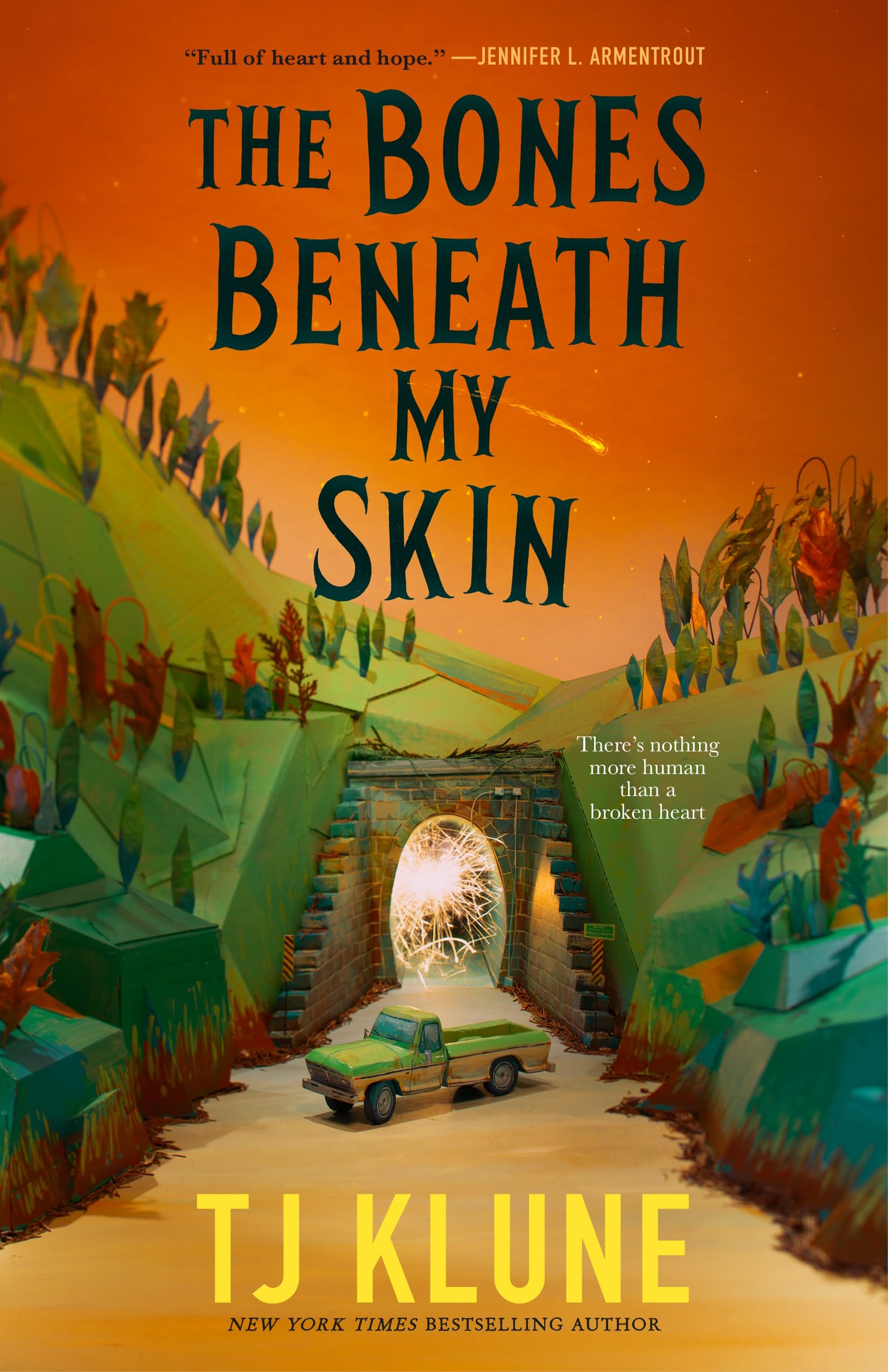
It’s well past time, I think, to declare TJ Klune one of my favorite authors. I have … eight books by him? Nine? Something like that, all of his adult novels, at least, and I’ve enjoyed all of them. In some ways, The Bones Beneath My Skin is one of his best books, up there with The House in the Cerulean Sea. It’s interestingly distinct from a lot of his other work, which usually has at least a little bit of the feel of a fairy tale about it, and one could make an argument that it’s his first science fiction novel. He calls it an “action movie” in the afterword, which I’m not completely convinced about but I see where it’s coming from.
At any rate, this book tells the story of Nate Cartwright, a reporter journalist (he never explains why he hates the word reporter so much, but damn, is he willing to be uppity about it) who in one fell swoop loses his family and his job at the Washington Post, and ends up at a family cabin deep in the woods in the middle of nowhere, where he is surprised to be greeted at gunpoint by a gut-shot, wounded Marine and a ten-year-old girl named Artemis Darth Vader. Shenanigans ensue. I don’t really want to spoil stuff all that much, to be honest, but it becomes quite clear really quickly that Artemis is not at all what she seems to be, and not just because she likes bacon more than any four normal people. (I burst out laughing when I randomly took the dust jacket off the book and discovered two pieces of bacon imprinted into the front cover. Bacon is a thing in this book.)
Klune’s strengths are on full display here– found family, great characters (Artemis is entirely unforgettable, although I can picture a reader she’s a bit much for) and a wry sense of humor. Artemis may be my favorite of all of his characters, although this book has some weaknesses, and it will be interesting to see whether the passage of a few months dulls the edges from the things I didn’t like about this book or brings them to the forefront. If I remember correctly I read Cerulean Sea similarly early in the year– February, maybe?– and it was still one of the best books I’d read that year when I got to The List. We shall see if history repeats itself.
But I want to talk about some of those weaknesses, because they’re interesting, so I’m going to put a little line here and then talk spoiler talk. Wander off now if you don’t want to see anything, but feel free to come back later.
This book was originally self-published, after Klune’s editor told him that it wasn’t great as a romance novel because there was “only one” sex scene. I contest the label of “romance novel” altogether; I don’t mind romance every now and again but while this book certainly has a romance subplot it is absolutely not part of that genre, but what I found interesting was that the book’s sole sex scene feels almost entirely out of place given the rest of the book. Maybe I’m off base here, but I feel like you can have a ten-year-old girl as a main character or a scene with explicit butt sex but maybe you shouldn’t have both. To be clear, the ten-year-old girl isn’t involved in the butt sex in any way, but still.
The book also pulls directly from the Comet Hale-Bopp/Heaven’s Gate mass suicide of 1997, to the point where it’s set at the same time, has a comet with a different name making an appearance (but the comet’s name is still hyphenated!) and there’s a mass suicide that is identical to Hale-Bopp right down to the silk coverings over the dead people’s faces and them all dying barefoot in bed. The entire subplot ties in to a character who is important to Artemis, but when I realized that he was literally just rewriting Heaven’s Gate and changing a couple of minor details, it almost killed the book for me.
It’s kind of ironic for me to say this, given that I’ve defended him in the past for pulling inspiration from tragic real events, but (to briefly recap that post) the influence of the Sixties Scoop on Cerulean Sea is so reworked and altered that many readers don’t notice it until it’s pointed out. This is not that– he has lifted the entire mass suicide and stuck it in his book. My problem isn’t with taking inspiration from real-world events, here; it’s that he’s doing so sloppily. There is absolutely no way anyone could have been alive and aware of the world in 1997 and not recognize the parallels here; they’re that glaring. And it throws you into oh no he didn’t mode in what should be one of the climactic events of the book, and the whole thing could have been done so so so much better, even if the main guy in the cult needed to be in the book somehow.
But again, in six months, who knows if this will still bug me when I think about this book. If I just remember how awesome Artemis is, you can expect this to show up at the end of the year, and one way or another it’s absolutely still a hit for Klune. I just wish he’d reworked parts of it a bit more before Tor reissued it.
My Illumicrate subscription has been kinda hit or miss, if I’m being honest, and I keep almost cancelling it. I think their version of this book is the best-looking of any of their books that I’ve yet received, but upon seeing what the cover of the paperback looks like, I may have to order that too. One way or another, though, the books are always pretty, but it’s only about 50/50 whether I’m going to like the book, and so far I think I’ve only gotten one book from them that I’d heard of prior to it showing up in my mailbox.
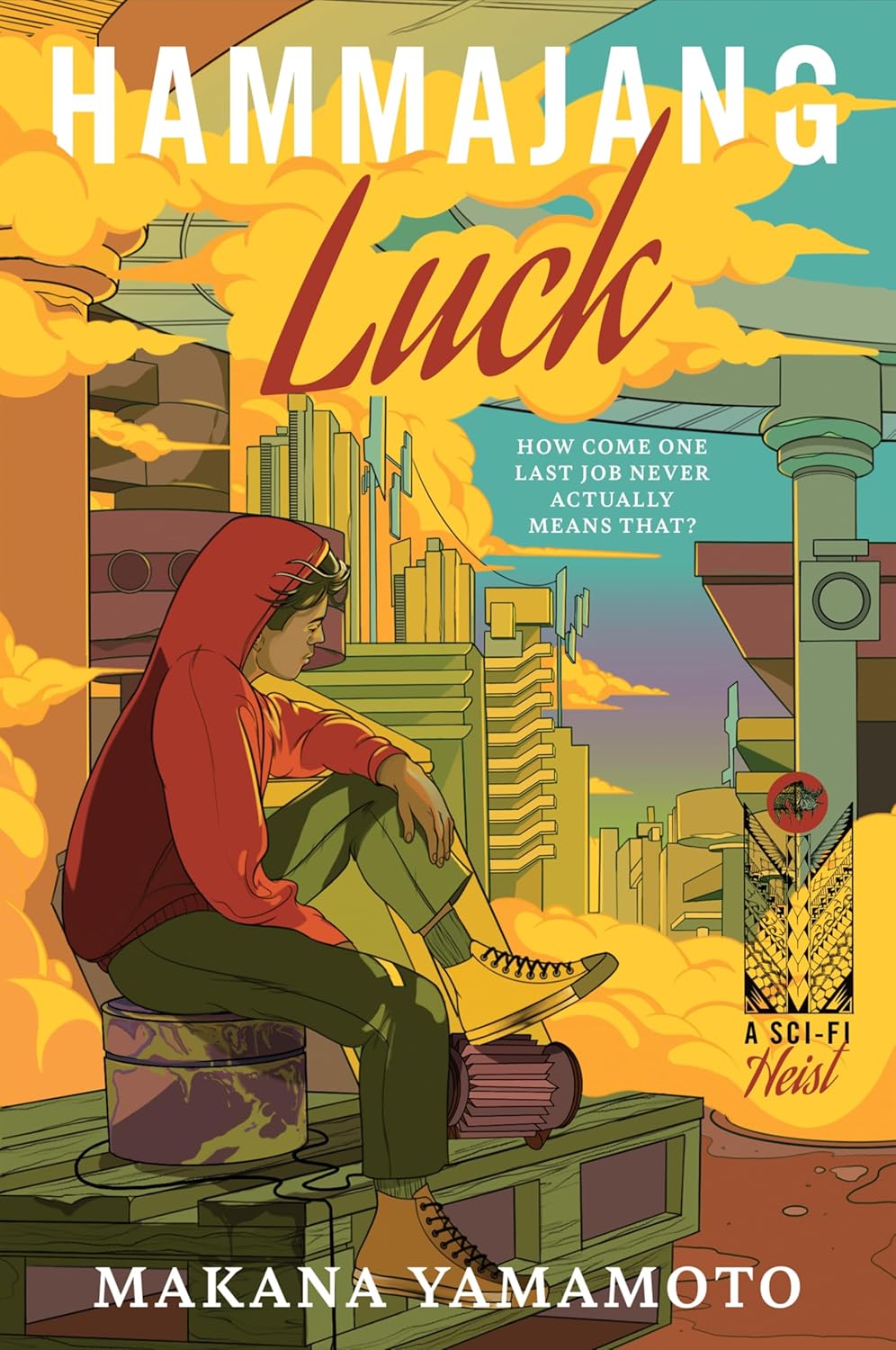
Hammajang appears to be Hawaiian Pidgin for cattywampus, and if you’re not white enough to know that word then we’ll go with “messy” or “chaotic.” The book is sort of an outer space Hawaiian diaspora Ocean’s 11 mixed with cyberpunk and lesbians(*) and a dash of The Fast and the Furious. That sentence has either sold you the book or caused you to keep scrolling, and I would encourage you to follow that impulse either way. It’s directly up my alley, though, and it gave me everything I might want from such a book– a great, character-centered heist story with a whole bunch of personal betrayal and criss-crossing loyalties and an ending that genuinely took me by surprise. Let me just say that I’ve read a whole lot of heist books and there is a certain way that they never, ever end, and if you’ve also read enough heist books that that counts as a spoiler, trust me, you’ll enjoy the hell out of this book. It’s on the short side; 340 pages in the Illumicrate edition with big print, and I think it took me maybe 3-4 hours in two sittings to get through, but I’m absolutely in for more of this world and more of these characters. (I haven’t mentioned Edie, the MC, by name yet; there is no reason this book has to have a sequel and it’s written as a one-shot, but I want more Edie, and I want it soon.).
(*) I have also seen this book compared by official publicity people to Gideon the Ninth, and the presence of lesbians is the only similarity to Gideon. Do not go into this book thinking you’re getting Gideon beyond the very, very loose plot descriptor of “lesbians in space.”(**)
(**) Actually, okay, this is another similarity, as there isn’t a lot of space in either book. Hammajang doesn’t take place on Earth, and to be quite honest I can’t quite describe how Kepler works. I think it’s a space station somewhere Out There but the book doesn’t dwell on it much other than one part involving a less-than-optimal oxygen supply. This is, effectively, urban sci-fi, which is not a bad thing.)
So my club of weird, wonderful little queer kids decided they wanted to do a scavenger hunt. We put the list of items together today. They have a week:
A pop-it
Any object with a rainbow theme
A piece of handmade jewelry
An actual real world paper map not printed by a printer
A map of a fantasy world
Something with fire (nothing illegal please)
An unbroken egg
One Croc
One chancla (bonus points if it’s the same color as the Croc)
A hat with a bird on it
An action figure
A unicorn (three-dimensional, not a picture)
A school hallway pass, signed by a teacher, with “APPLESAUCE” written as the student’s name. I must be able to read the teacher’s name and you can not explain why you need this.
A [name of our school] article of clothing. Your ID does not count.
The wrapper for a Jolly Rancher
An unsharpened pencil of at least two colors.
A receipt from CVS, Walgreen’s or 7-11.
A recipe for baklava.
A toilet paper tube. No toilet paper may be attached.
An unused but unwrapped Band-Aid.
A button with two holes in it.
A bobby pin
A safety pin
A clothespin
A piece of paper with a clear fingerprint on it.
A Nevada quarter
A piece of paper foreign currency
The name of one of Mr. Siler’s favorite books. This will be ten books and to keep things fair Mr. Siler will share a list of the books with another teacher.
A phone video of you dancing and singing the alphabet.
A milk sticker. The milk does not have to be dairy based.
A paper wall calendar from 2023.
A container for a large fries from McDonald’s.
A piece of turquoise.
A pink Lego. You may not steal Mr. Siler’s Legos.
A yellow Zip Tie.
A tie clip.
A cassette tape.
A DVD.
A piece of hair from a teacher. The hair must be in an envelope and the teacher must sign it. You cannot explain why you need the hair. You may lie.
A piece of soap in any color other than white.
A picture of two stuffed animals in a place stuffed animals are typically not found. They must look like they are upset with each other.
A Halloween wig. It cannot be a wig a normal person would wear on a normal day.
A picture of your parents/guardians/responsible adults when they were young.
A positive affirmation from [either of the social workers]. This can be written on paper or emailed.
A toy car.
A picture of yourself in preschool (3-5 years old)
A horoscope clipped from a newspaper or printed from the internet
A Marvel comic book.
The Secret Item from [the principal]. I have not decided what this is yet so give me some time.
A video of any teacher rapping. You cannot tell them why you need the video.
BONUS: Any item so strange that no one else recognizes it.
I will report back on how this goes. They were super excited about putting the list together; we’ll see how many of them actually bring a bagful of stuff next week.
This is the twelfth post in this series that I have written; I spent some time thinking about doing a Best of the Best list and when I realized how many rereads that would require– believe it or not, when you read 100+ books a year it tends to hurt your recall a little bit, like, I’ve literally read well over a thousand books since writing the 2013 list– I abandoned the idea. I am back to 15 books this year because right now I’m at 181 books read for the year and since it is only the 29th I may very well be at 184 by New Year’s Eve; hopefully I don’t read anything too brilliant in the next couple of days because it’s gonna have to wait until next year.
As always, don’t take specific rankings all too seriously– this started as a shortlist of 31, then got cut down to 17, and going from 17 to 15 was really hard, and honestly anything in the top seven or so could have ended up at number one if I’d woken up in a different mood. Also, the asterisk up there means that these books were new to me in 2024; the oldest book on the list is from 1975. I’m pretty sure a majority of them are 2024 releases but it’s definitely not all of them.
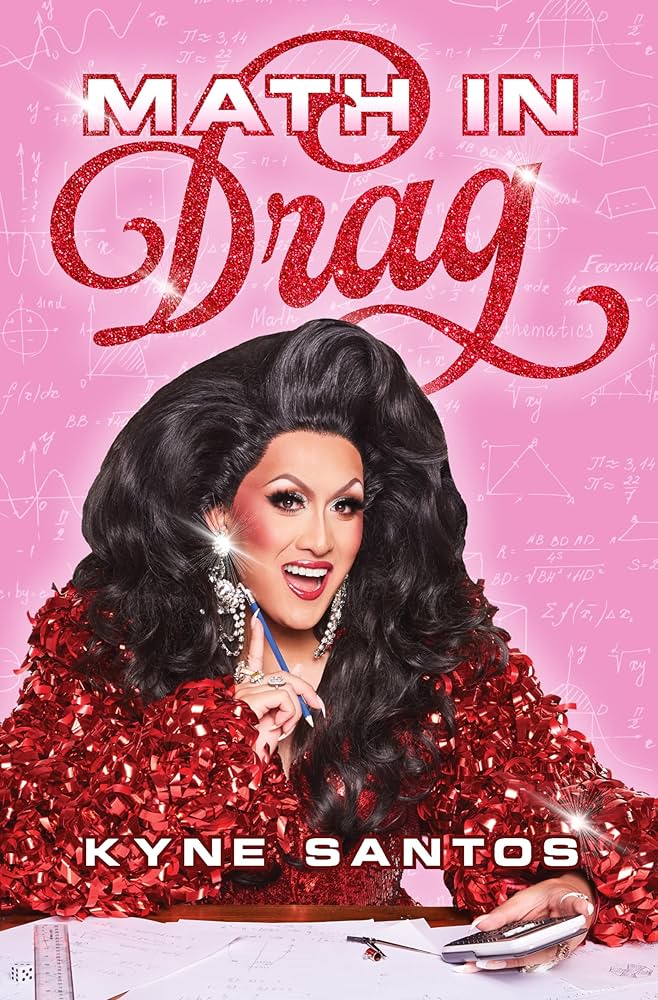
15: Math in Drag, by Kyne Santos. One of my reading goals for 2025 is to read six books about math and/or teaching math, right? And one of the reasons it’s only six books is that books about teaching and books about math tend to be dry as hell, and despite wanting to improve my craft as a math teacher I like to enjoy what I’m reading.
Kyne Santos needs to write a lot more books about math, is what I’m saying here. Drag queens who post mostly about mathematics is somehow a subgenre on social media, and Santos is the most visible of the group (if you’re on TikTok, check out Carrie the One) and this book is a whole bunch of things at once– a memoir, a history of math, a math textbook, and a history of the drag movement– and it’s tremendous on all levels. I actually took one of the chapters about negative square roots and turned it into a warm-up activity for my 8th graders, and then ensured that they would all look up the book on their own by telling them that I could give them the author’s name but not the actual name of the book. Which, for the record, probably wasn’t true, but I teach in Indiana.
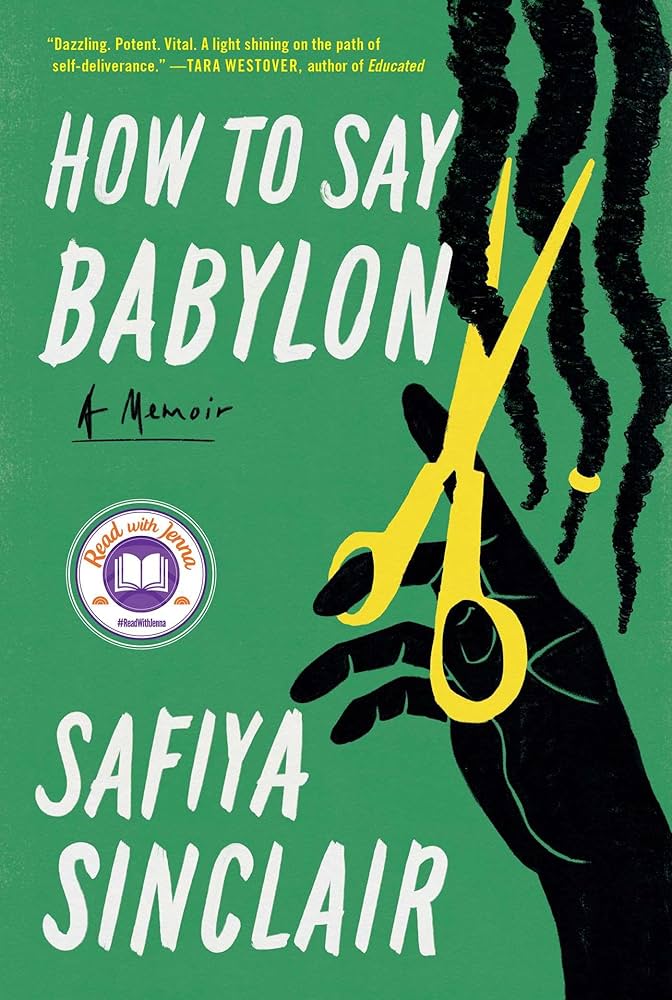
14. How to Say Babylon, by Safiya Sinclair. It’s at this point where I realize there’s more nonfiction or at least nonfiction-adjacent (you’ll see) books on this list than usual, as Sinclair’s book is also a memoir about growing up in Jamaica in the eighties and nineties. Her father was a hard-core Rastafarian and a reggae musician, and growing up smart and female in a very patriarchal religious structure is a big part of the book.
The other fascinating thing about this one is the language; the dialogue is mostly in Jamaican English, which isn’t quite far enough from American English to qualify as a patois (which is a whole other thing, to my understanding) but it means that things like pronouns aren’t going to work quite like you’re used to, and you are going to hear every word her father says whether you normally hear dialogue or not. Sinclair is an award-winning poet, and while I’m not likely to check out her poetry, if she writes any more prose works in the future I’ll be in line for them.
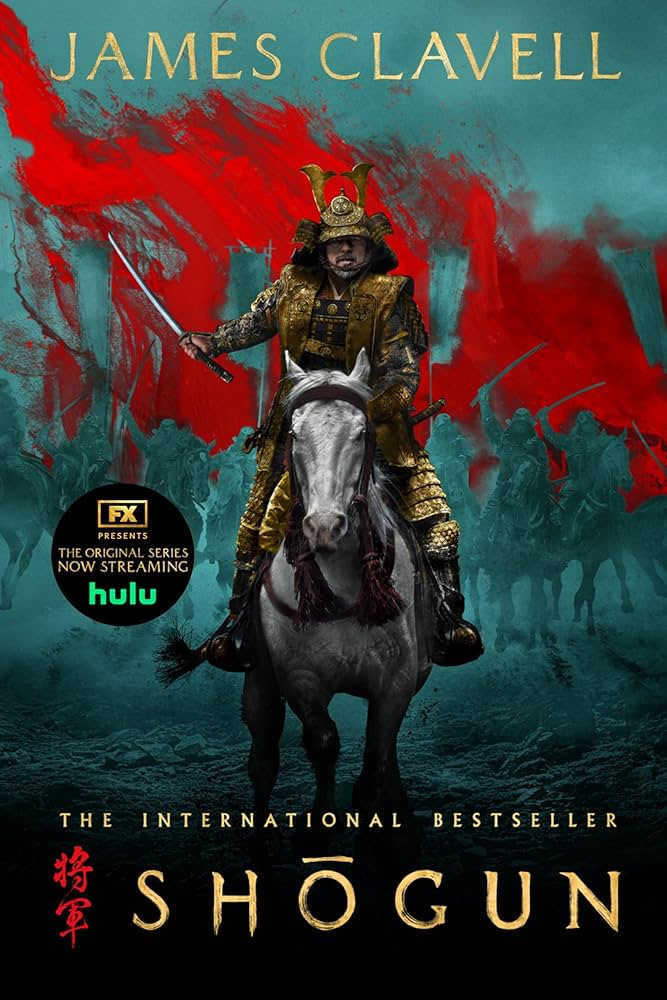
13. Shōgun, by James Clavell. I have never seen either of the miniseries that were based on this book, either the original one from the 1980s or the apparently far superior one Hulu did this year, but I swear that if I ever start watching television again, I’m gonna, dammit. I picked this up (for the record, it’s printed in two volumes because it’s 1500 pages long, but it’s one book) based on a bunch of people being very enthusiastic about the miniseries and the strength of the cover.
Okay, that’s a lie, I picked this up because of the precise shade of blue-green used on the new covers, which sounds ridiculous and I don’t care, it’s true. Luckily for me the book is really good, and a lot less racist than you might guess “book written in the 1970s by a white guy about Japan” might be. The main character, a navigator named Blackthorne, is just open-minded enough of a character to make it possible to get into his head, and the late sixteenth and early seventeenth century were a fascinating period of history both in Japan specifically and the world in general. This book is a heavy damn lift in more ways than one, but I really enjoyed it and I’m glad they didn’t reprint it with a boring cover.
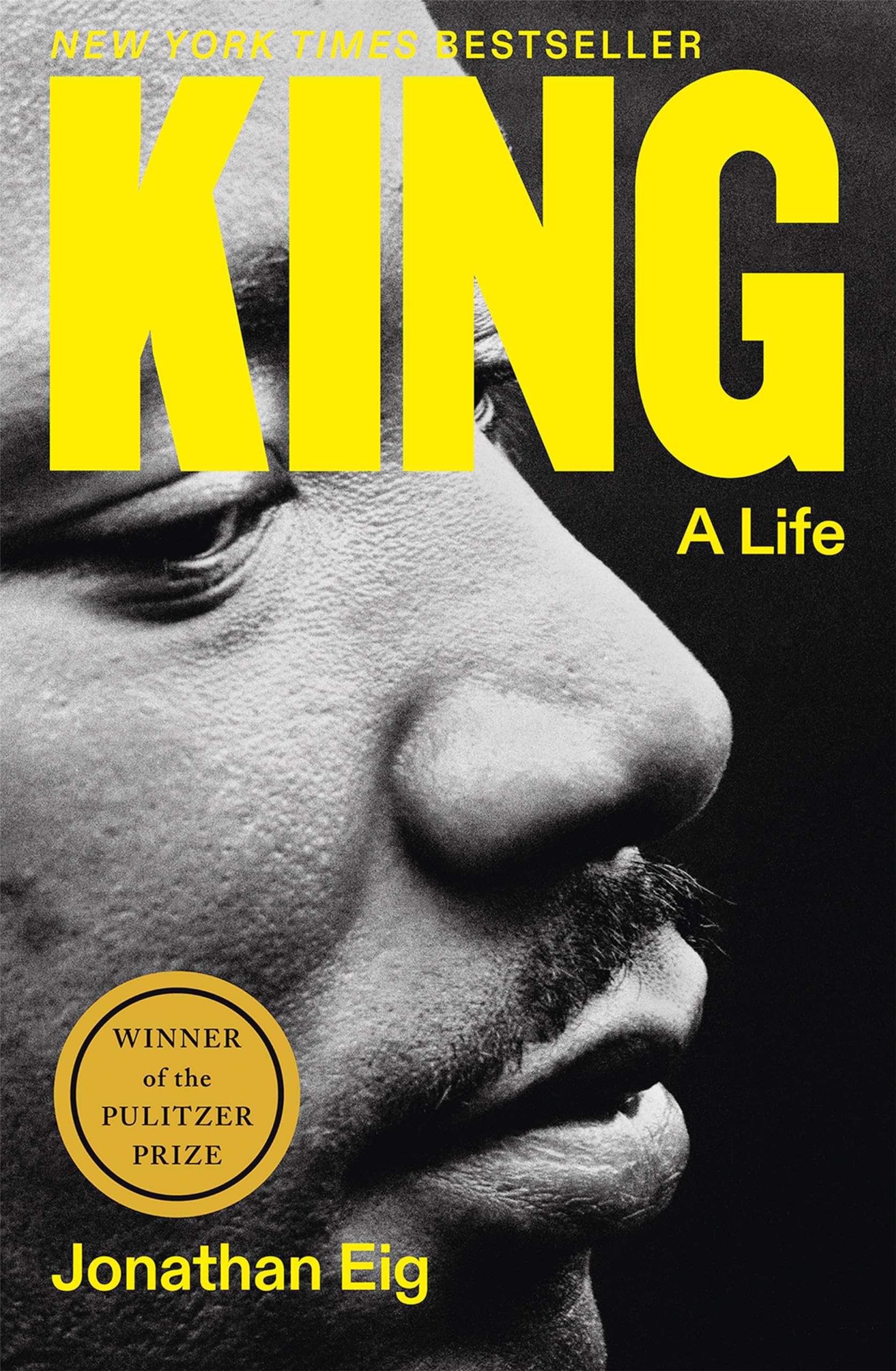
12. King: A Life, by Jonathan Eig. The Civil Rights movement is my favorite period of American history, and easily the one I know the most about, so you can probably imagine that I have a bunch of books specifically about Martin Luther King, Jr. on my shelf, as well as a couple that aren’t officially about him but may as well be. What sets Eig’s version of his life apart from the rest is his focus on King as a human being and not as a man whose face would eventually be carved into marble as a national memorial. It isn’t quite a psychological biography, if that’s even a real thing, but it may not surprise you to learn that King struggled with depression and anxiety for his entire life as well as a healthy dose of imposter syndrome (the man was in his twenties during the Montgomery bus boycott, and was only 39 when he was murdered) and he doesn’t come out and say it, but it’s strongly suggested that his mental health struggles led to his well-known issues with adultery, drugs and alcohol.
What, you didn’t know Martin Luther King dabbled in drugs? Yeah. Sorry about that. But unlike, say, Ralph Abernathy’s book, there’s no sense of score-settling in King: A Life; Eig talks about these things because they were important, and he’s not trying to knock King off his pillar so much as talk about a guy who would have been deeply uncomfortable up there in the first place. When you’ve read as much about King as I have it takes a lot to write something new and impressive, and Eig has certainly delivered here.
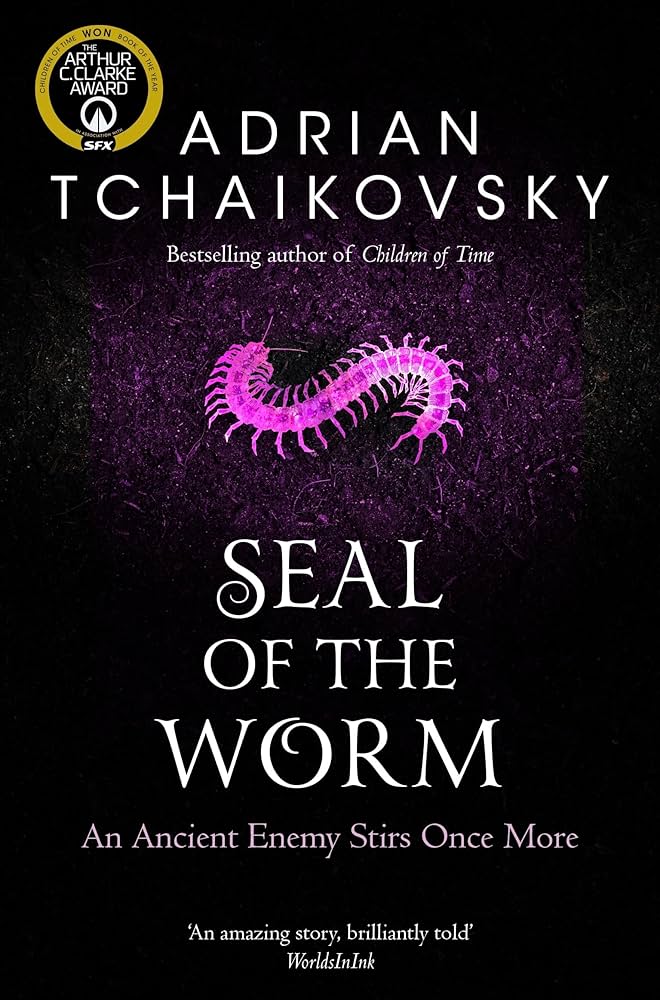
11. Seal of the Worm, by Adrian Tchaikovsky. This is the first of two books on this list that should be understood as endorsements of the entire series rather than the individual books I’m writing about, and in the case of Seal of the Worm I’m talking about his Shadows of the Apt books, a ten-book, 6000-page series, most of which I read in 2024.
That isn’t to say that Seal of the Worm isn’t the best book of the series, as even just from a technical level capping off that massive of a work in a satisfactory manner is an impressive achievement all on its own, but what if I told you that Seal of the Worm manages to introduce an entire new antagonist and kicks the legs out from underneath all nine previous books, something that has already happened once in the series? Tchaikovsky may be science fiction and fantasy’s most underrated author, and I still don’t know anyone else who has read this series, which is a Goddamned crime. They’re right there, and you can buy them. What are you waiting for, other than the time to read six thousand pages? Please, somebody, read this.
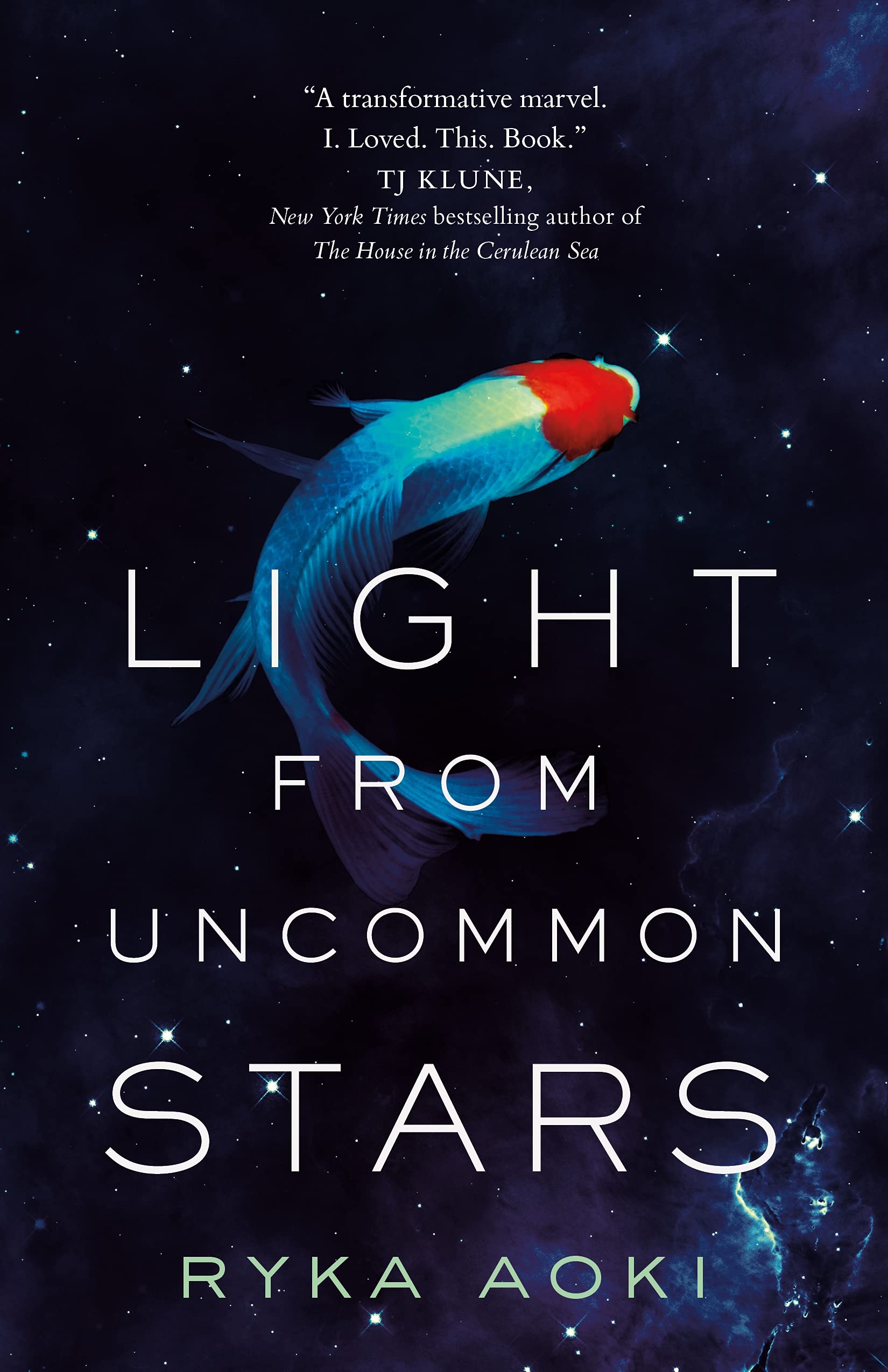
10. Light from Uncommon Stars, by Ryka Aoki. Another mini-theme of this list that is going to start becoming more apparent is books that are batshit nuts, and … man, this book has a little bit of everything in it, and I think would wear a “batshit nuts” badge with absolute and undeniable pride.
I mean, check out how many whole entire books are superglued together here: Light from Uncommon Stars features 1) a young, transgender runaway who is 2) a world-class violinist who 3) meets a mentor who has made a deal with the Devil to 4) corrupt seven young violinists into also selling their souls to the devil and 5) is looking for number 7, and meanwhile 8) there are aliens who 9) are stuck on Earth and 10) running a donut shop while they’re stuck here. It is complete madness from the first page to the last, and I recommended it to one of my trans orchestra students during the last school year and I should really find out if they ever read it or not. Meanwhile, you should read it too.
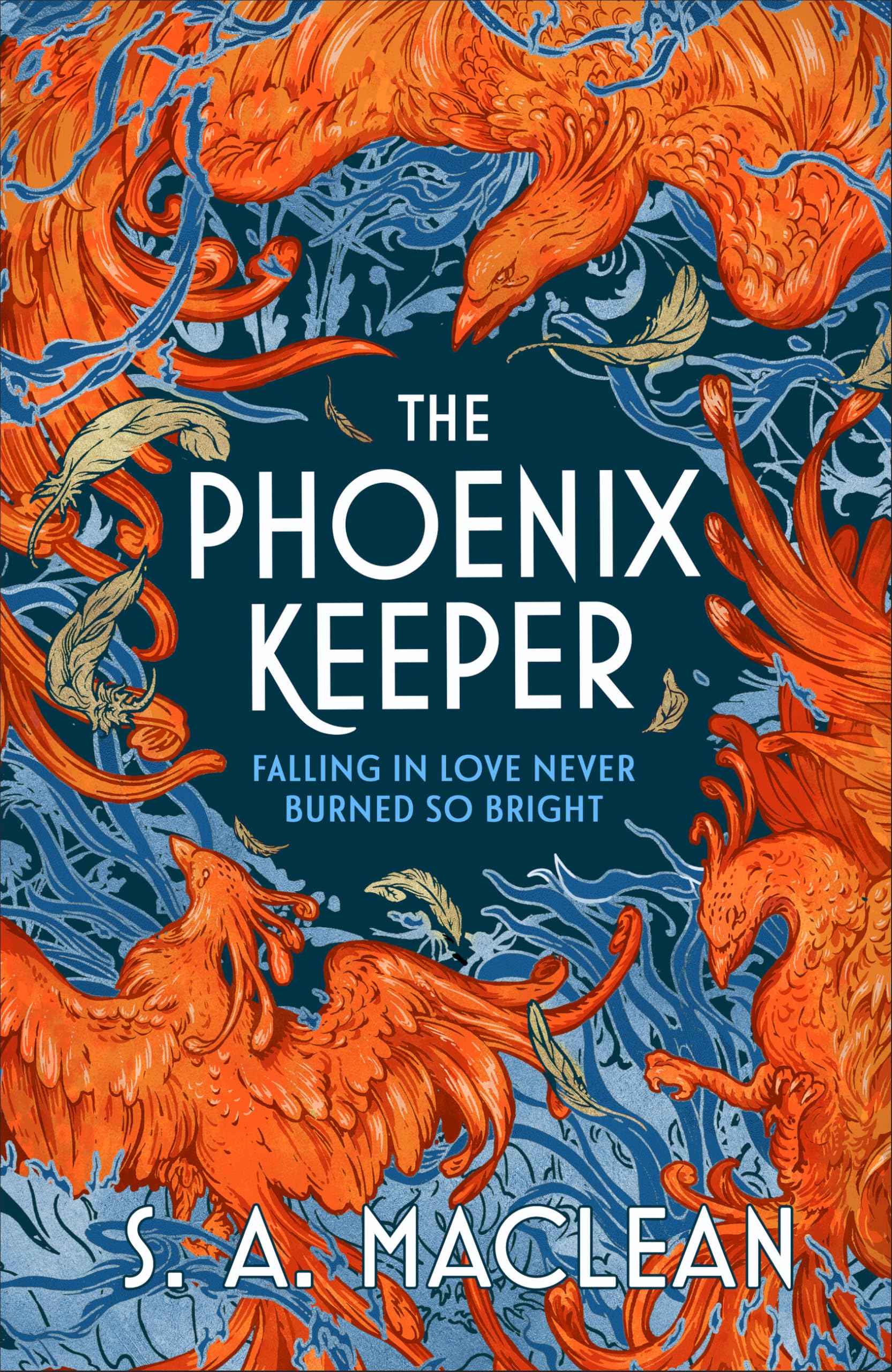
9. The Phoenix Keeper, by S. A. MacLean. Slightly less nutty (but still pretty nutty) is this book about an autistic, anxiety-riddled zookeeper in a zoo filled with fantasy animals, the first and sole representative of what the kids are calling cozy fantasy on this list. I got sent this one by Illumicrate and it wouldn’t have really crossed my radar otherwise, but I read it more or less cover-to-cover during a car trip and it was exactly the book I needed at the time. I have read more romance books than I ever expected to this year, and am reaching the point where I am heartily tired of romantasy, which is a thing, but this isn’t that; there is a bit of a romance subplot but it’s not about that, so don’t pay attention to the blurb on the cover. No, this book is about a nerd who really really wants to be the best zookeeper in the world and wants to raise phoenixes, and it’s really obviously based on the efforts zoos went to to keep the California condor from going extinct, and I absolutely loved it. There are setbacks and obstacles to be overcome but, again, this is cozy fantasy and you know everything is going to work out just fine, and this book is more about relaxing into the details and the characters than the conflict. I like zoos. I like books set at zoos. Zoos with phoenixes are better than regular zoos. This is a great book.
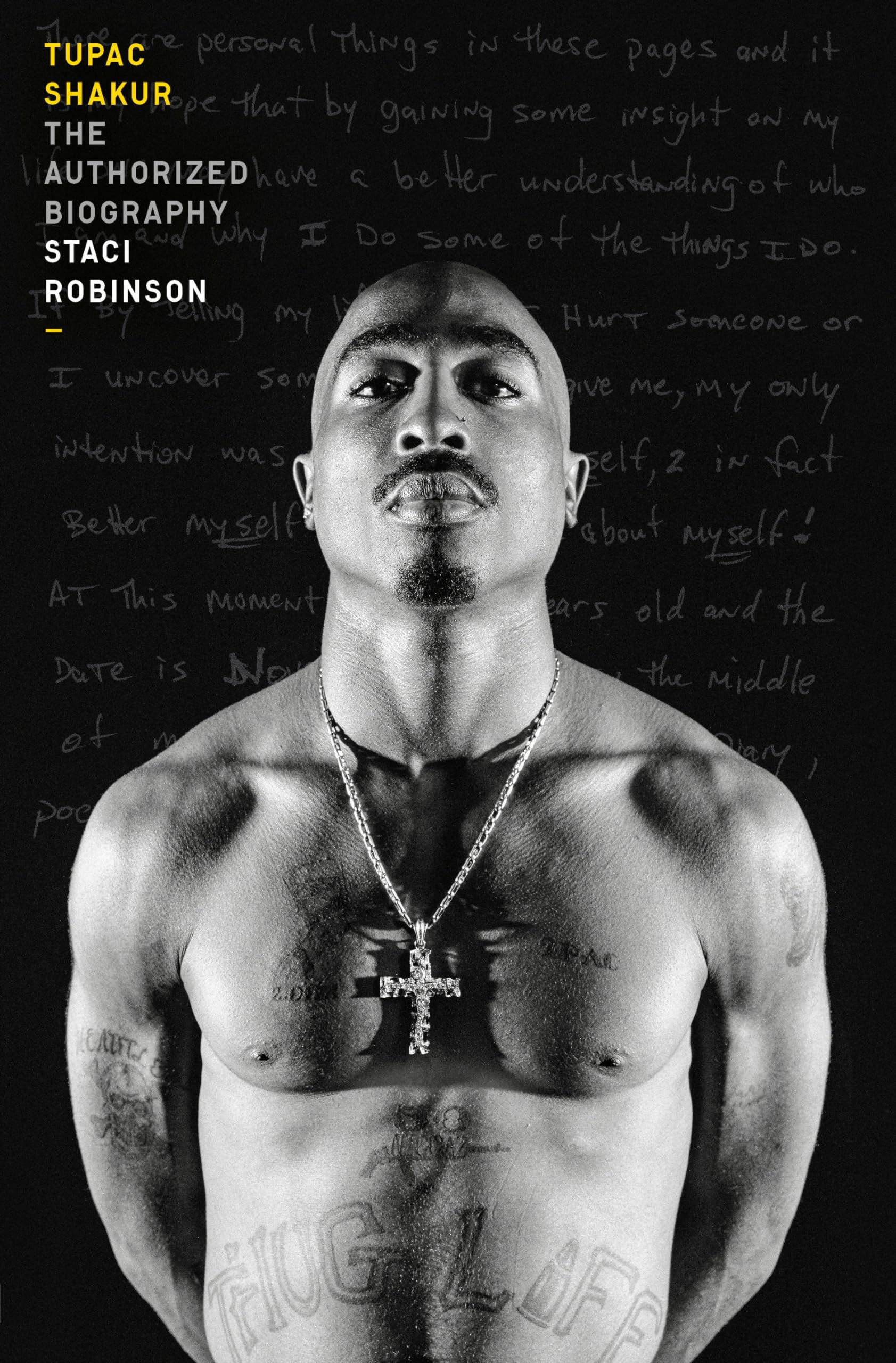
8. Tupac Shakur: The Authorized Biography, by Staci Robinson. I am tempted to say “this exists and therefore you should read it,” but that’s kind of unfair to both the book and the author even if it’s more or less completely true. I’m listening to Kendrick Lamar while I write this post, and Kendrick is one of Pac’s more obvious spiritual successors in hiphop nowadays, but it’s impossible to overstate the impact this guy had on rap music and on two or three generations of kids and still counting. I think it’s probably fair to say that there’s not another musician from the nineties (or a whole bunch of other decades, for whatever that’s worth) that still has as much influence as Tupac does, and reading a book written by someone who knew him well and was handpicked by his mother to write the book was an absolute pleasure. The guy’s life was fascinating, and while books about musicians can sometimes become formulaic (“he released this, and then he released this, and then there were the drug problems, and then he released this,”) this manages to keep away from that. The one weakness is that it literally ends with the moment of his death; I feel like another chapter about the LAPD’s investigation reaction to his murder was probably warranted and we didn’t get it. Still, I’m glad to have read this.
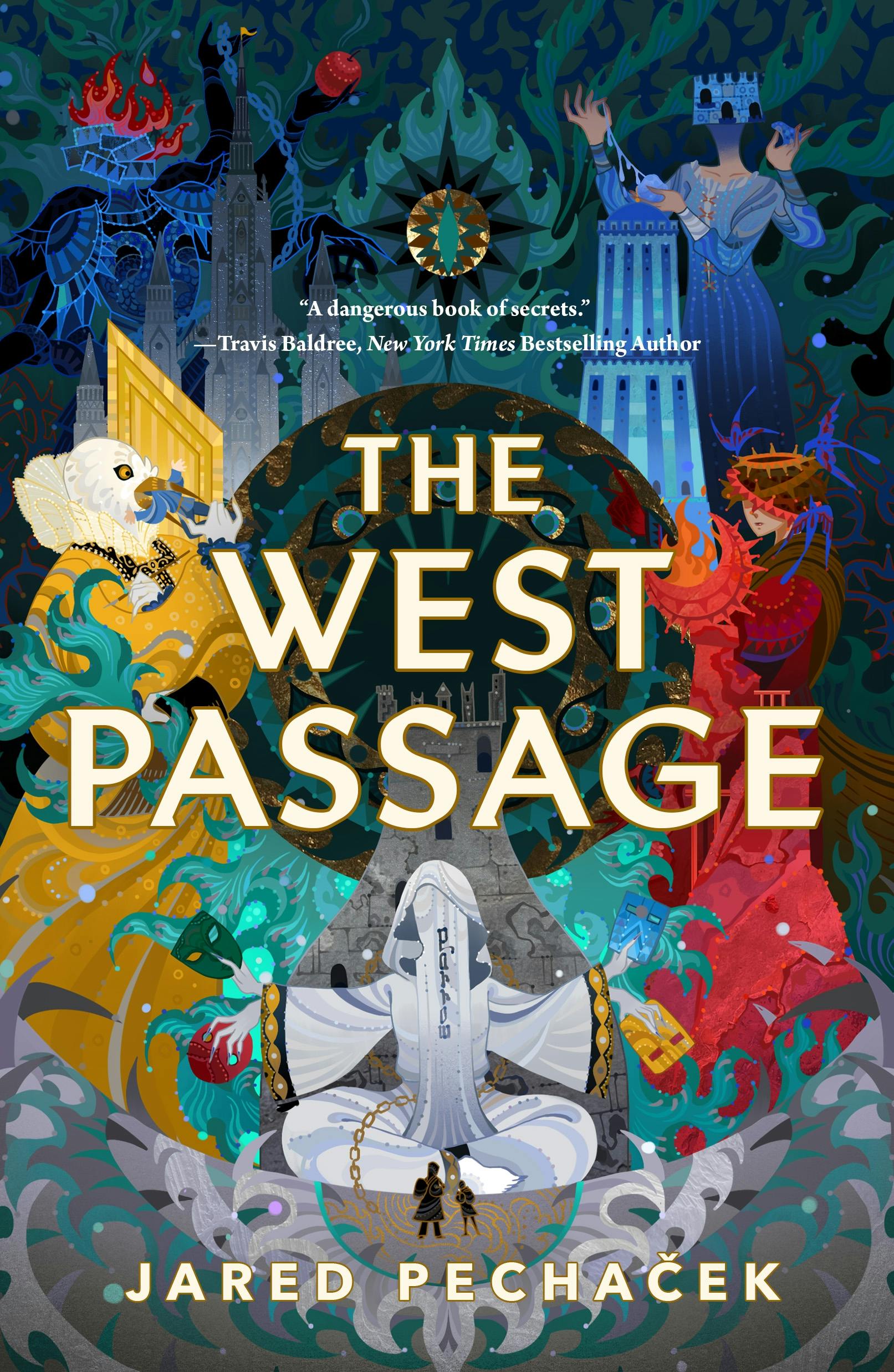
7. The West Passage, by Jared Pechaček. I still don’t know how the hell to pronounce his last name, but this book is the first one on the list that, on a different day, I easily could have called the best book of the year, and if you want to draw a line between the first eight books and the last seven and ignore the ratings completely after that, it’s entirely reasonable. The West Passage is also the second representative of the Batshit Nuts genre, drawing inspiration from Gormenghast and Shadow of the Torturer and Through the Looking-Glass and China Miéville’s Bas-Lag series and coming up with something where characters will be talking about a beehive, and you’ll think to yourself okay, I know what bees are, and I know what a beehive is, and then the beehive will walk over to the characters on its legs and extend a urethra and piss out some honey for them. The crumbling castle this book is set in is one of the wildest settings I’ve ever encountered in fantasy literature, and God damn it did I seriously read six more books this year that I thought were better than this one? That shouldn’t be possible, because this book is incredible, but … well, keep reading.
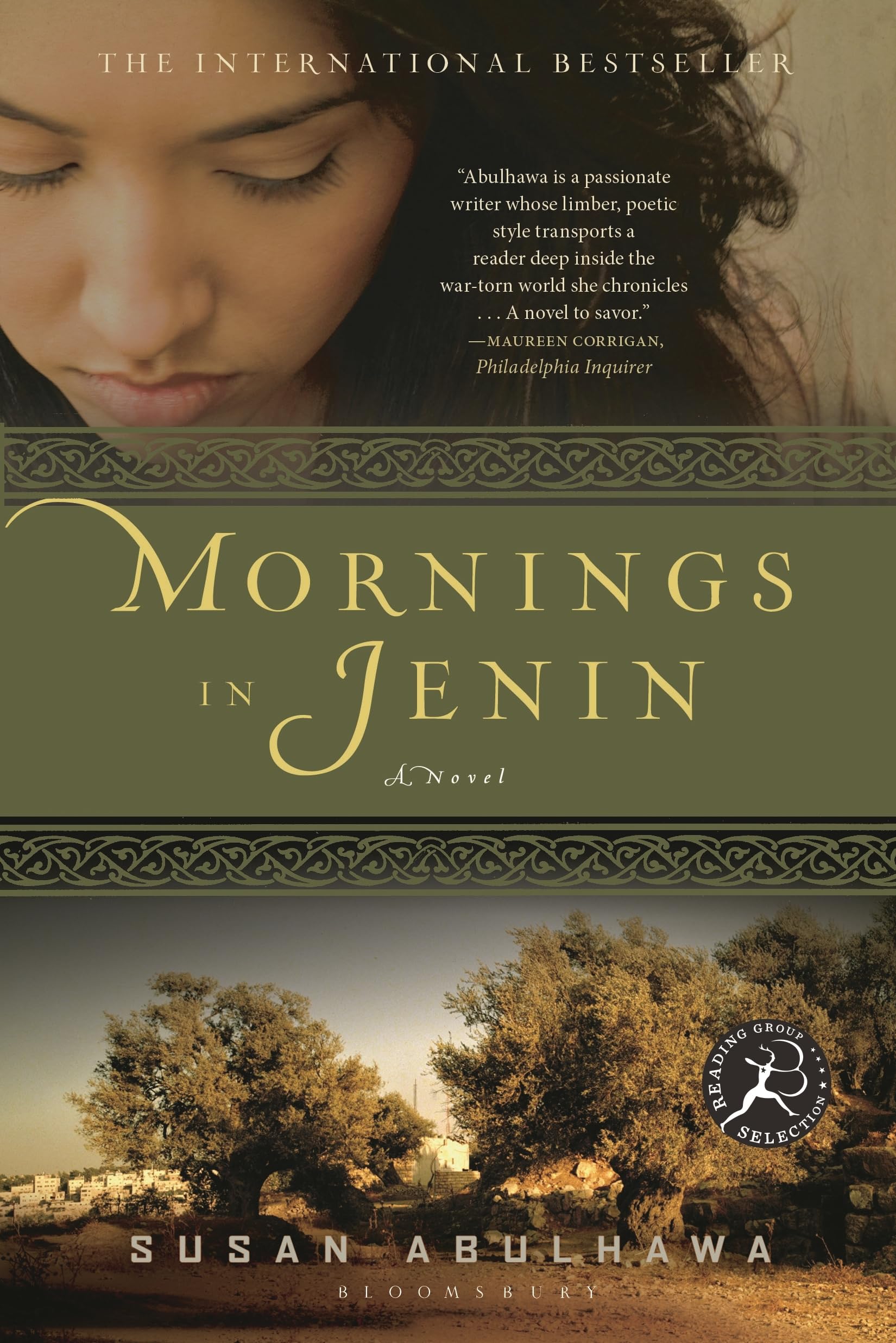
6. Mornings in Jenin, by Susan Abulhawa. I read several books this year by Palestinian authors, and two specifically by Abulhawa, whose Against the Loveless World was also on my shortlist, but Mornings in Jenin is the superior of those two books. This is not a memoir but feels like it (Abulhawa herself is Palestinian, but was born in 1970 in Kuwait, so she’s narrating events from before she was born, although I’m sure her own life experiences made their way into the book), and it begins with the creation of Israel and runs up to more or less the modern day, as it ends in 2002 or so, a few years before its release in 2006. This is easily the most important book on the list, and the main character, Amal, is a young girl at the beginning of the book and an old woman at the end of it, so you more or less get the entire history of the Palestine-Israeli conflict through her eyes. Go right ahead and make a list of all the content warnings you can think of, as this is a really hard book to read if you’re possessed of even a modicum of human empathy, but it’s something that I think most people and certainly most Americans definitely need to pick up.
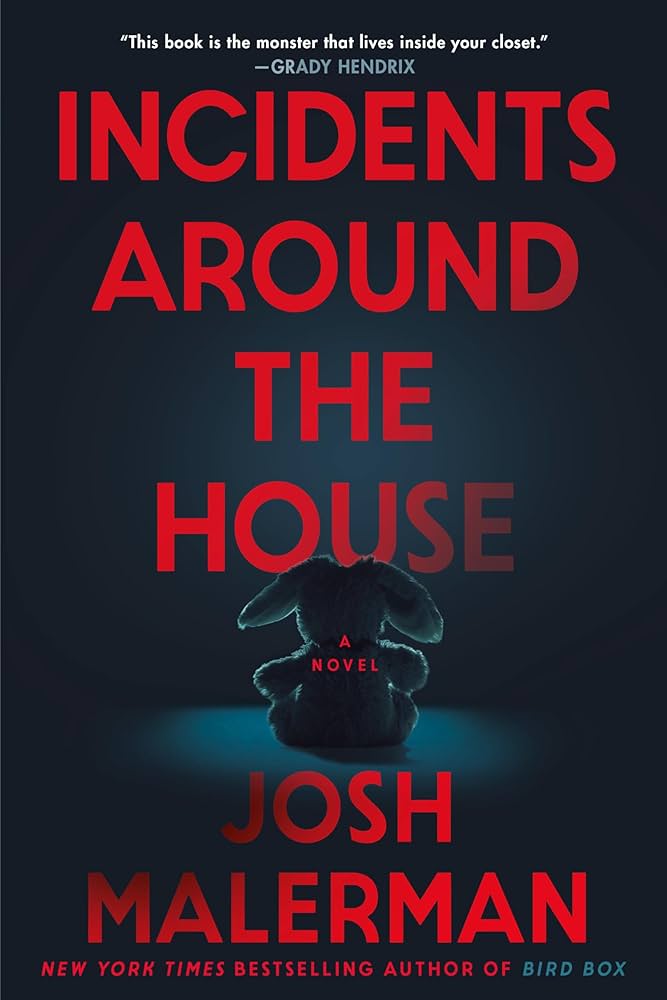
5. Incidents Around the House, by Josh Malerman. I called this the scariest book I’d ever read when I wrote about it the first time (my post cannot, in any meaningful way, be called a “review”) and while I wasn’t able to stick by that– you’ll see in a minute, and frankly parts of Mornings in Jenin are horrifying in their own way as well– it’s certainly the scariest horror novel I have read, at least in a long, long time, time having worn the edges off of some of the other books that might belong on that list.
Incidents is about Bela, an eight-year-old, who lives with her mother and father in a nice, comfortable house. But there’s also Other Mommy, who no one else in the house can see, and who asks Bela every day if she can “go inside her heart.” Bela is smart enough to realize that this is probably a Bad Idea, possibly one of the Badder Ideas in the entire history of Bad Ideas, and … well, Other Mommy isn’t very happy about that.
Don’t read this book. You don’t need it in your head. I didn’t need it in mine, but it’s there now, and the book is still in the freezer, and I have to reward how fucking effective this book is in scaring the absolute shit out of a grown man who himself lives in a nice comfortable house even if I am never letting it out of the freezer ever again.
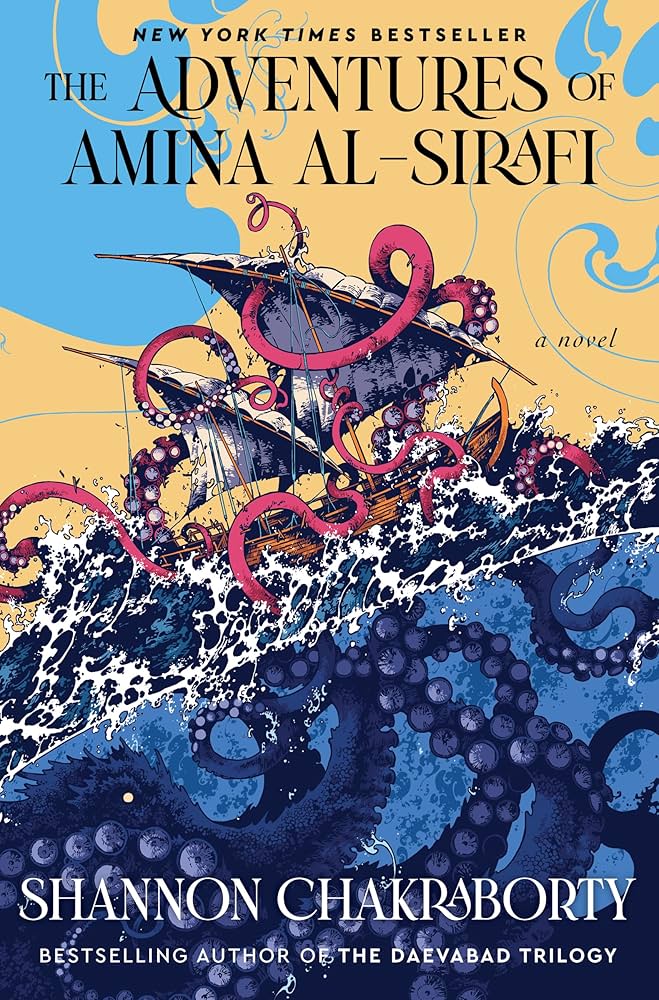
4. The Adventures of Amina al-Sirafi, by Shannon Chakraborty. I haven’t used the word delightful in this post yet because I feel like I overuse it lately, but I feel like there’s probably no way of getting through writing about this book, about a female ex-pirate captain who has retired and settled down to raise her daughter in a magical world full of djinn and treasures and adventures and her pain in the ass mom and awesome, but this was probably the most fun I had reading anything this year, and if you can look at that cover and not immediately want to read this than you and I probably can’t be friends. I’ve read several of Shannon Chakraborty’s books, and this is better than anything she’s written before– and those were all books I enjoyed! I want twelve thousand more books about Amina al-Sirafi and I want them right now. Have you ever noticed that when I get excited about things my sentences tend to get longer? Look at the first sentence of this entry. I read this book months ago. It still makes me that happy to talk about it. Go read it.
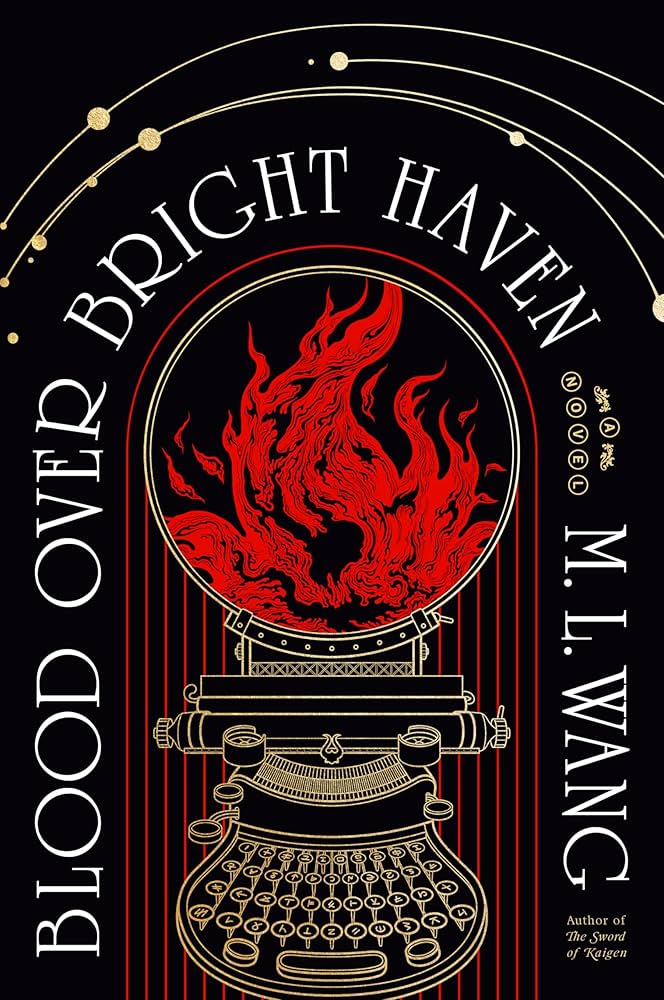
3. Blood over Bright Haven, by M.L. Wang. This is the fourth book in a row where you’re going to feel a particular emotion over and over again while reading it, and the second of the four where rage is going to be that emotion. Blood over Bright Haven has a bunch of very interesting tricks under its sleeve, and chief among them is the way it’s going to kind of blindside you partway through with what it is actually about and, even more amazingly, who its main character is. This is one of the angriest books I’ve ever read, and again, one of the books I just finished writing about is about a Palestinian refugee, so that’s a pretty high bar. I enjoyed Wang’s Sword of Kaigen but not nearly as much as I expected to, and this book sat on my shelf for a while before I got to it. It should be this book that people can’t stop talking about, not Kaigen, and the reason I’m not talking about the plot very much is that this is definitely one of those books where you need to go in knowing as little as possible. Just sit back and let it take you for a ride. And if you can, grab it soon while you can still get the cool red-stained edges. The first hardcover edition is sweet.
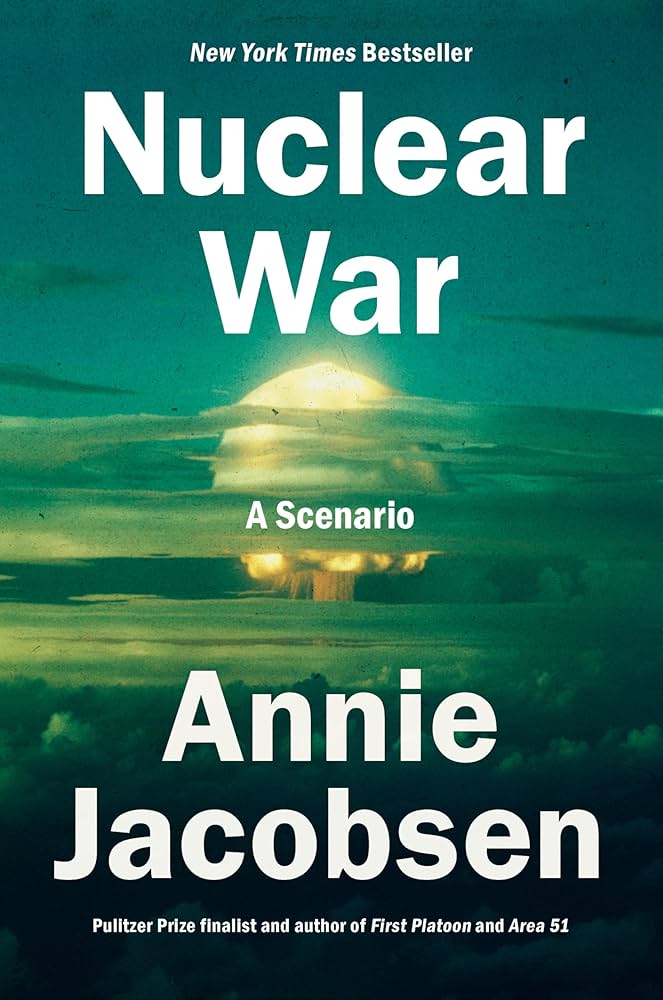
2. Nuclear War: A Scenario, by Annie Jacobsen. Remember a couple of books ago, where I called Incidents Around the House the scariest horror novel I’d ever read, and said that I’d explain in a minute? Yeah, that’s because Nuclear War: A Scenario isn’t a novel, and it is fucking terrifying on a deep, existential level that no fictional novel can really touch.
If you grew up in the eighties, you remember what living in fear every day of impending nuclear war felt like, and you might remember the occasional “hide under your desk and kiss your ass goodbye, because it’s not going to help” drill from school. Jacobsen’s book starts with North Korea detonating a one-megaton nuclear bomb over Washington DC, and ends seventy-one minutes later with more or less all of human life on Earth extinguished. It is probably best classified as near-future science fiction, as the events described have not, in fact, happened yet, but Jacobsen is repeatedly clear that the events of the book could happen tomorrow, and while there’s clearly some fictionalization happening here and there (she has to invent a US President and Vice-President, for example, and what happens with the president pro tempore of the Senate almost verges on comedy) I have shelved this with my nonfiction and history books, because all of the research that went into this puts it more firmly into the realm of those books than fiction.
I, uh, want to die in the first thirty seconds, preferably entirely unaware of what just killed me, if there’s a nuclear war. I’ve said this before about more fictional apocalypses– I also want to be patient zero if there’s ever a zombie outbreak– but it would be great if I was, say, in Chicago when the bombs hit, and if that first exchange involved more than the one bomb. I’d prefer not to die in a nuclear apocalypse, mind you, but if I’ve got to go that way, I really don’t want to see it coming.
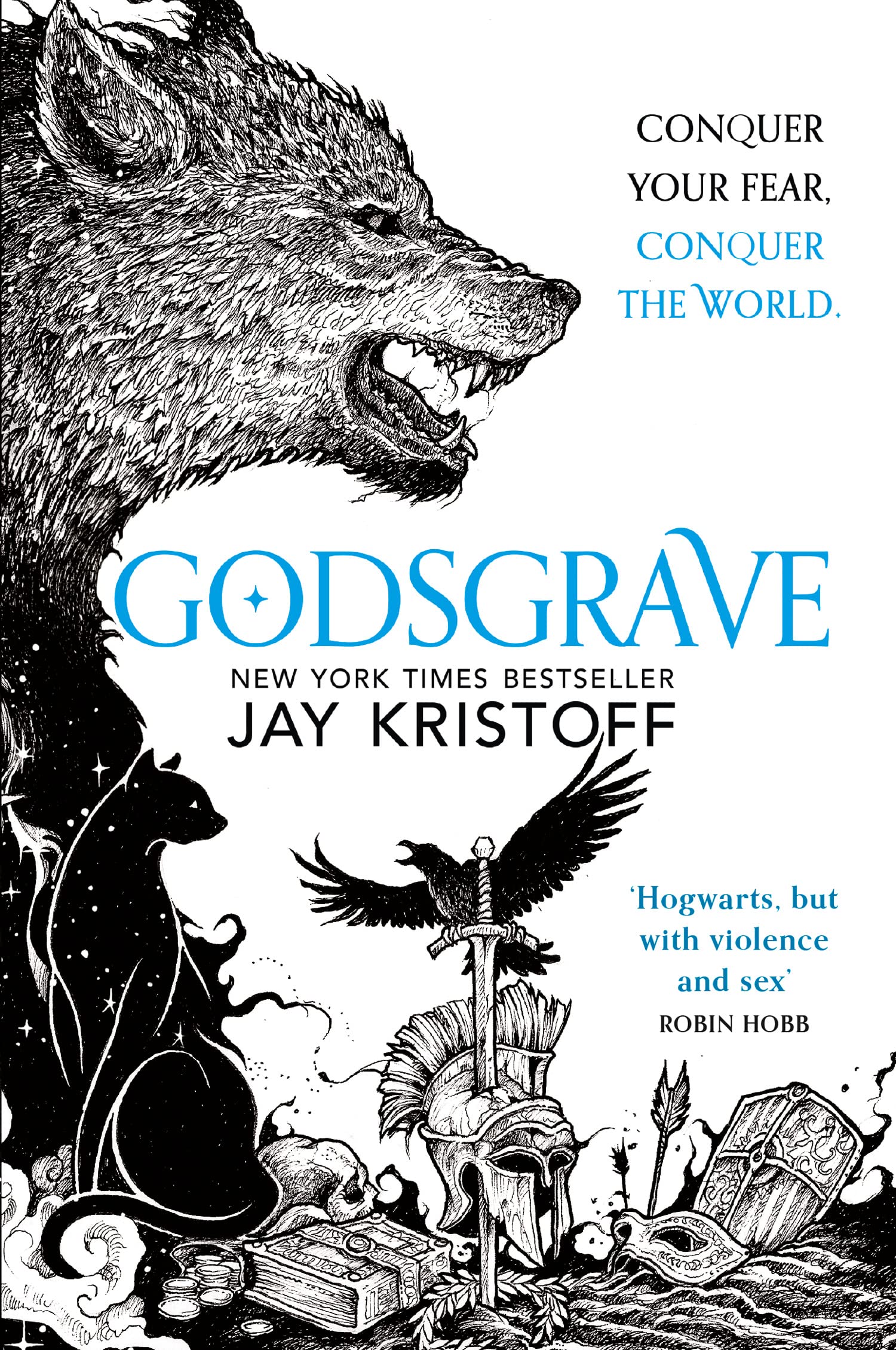
1. Godsgrave, by Jay Kristoff, is my favorite book of the year, and my annual irritation with WordPress that it will not allow me to begin a paragraph with a one and a period without indenting it automatically or Performing Shenanigans to keep it from happening. I am capable of indenting things myself if I want to, or you should at least pay attention if you automatically indent something and I delete it, dammit! But yes: this is the second single-book-as-a-stand-in-for-an-entire-series, and Kristoff’s Nevernight Chronicles is one of the most amazing series I’ve ever read. In broad strokes, the series feels like something you’ve read repeatedly– a young girl who trains to be an assassin so she can seek revenge is not on the top 10 of most original scenarios– but once you get past that original setup and the series gets moving, you’re going to be surprised over and over and over and over by the story decisions Kristoff makes, and the reason I picked Godsgrave, the second book in the series (the first and last are Nevernight and Darkdawn, respectively) is that it ends on a cliffhanger so potent that I literally screamed when I finished the book, and if I had had to wait for Book Three to come out and hadn’t had it sitting on the shelf waiting for me (I read all three books in a single gulp) I might have had to move into his Goddamned house until he finished it.
I love so many things about this series. I love what an unapologetic asshole Mia Corvere is. I love that they make her an assassin and then don’t back away from all the killing that implies. I love that Kristoff sets up what feels like a bog-standard YA love triangle and then blows it to hell. I love how much of the worldbuilding is stuck into what feels like inappropriately snarky footnotes, and I love how the footnotes suddenly make sense at the end of the book. I love how meta the series gets, and I love how no one is safe, ever, and how Darkdawn keeps you on your toes for its entire length and keeps getting more and more batshit, at one point indicating a story development with margin changes, and God Damn I want to sit down and reread this whole series before starting the Stormlight reread in a few days.
The Nevernight Chronicles is the best series I read this year, and Godsgrave is the best book of The Nevernight Chronicles. Go forth.
Honorable Mention, in No Particular Order: A Mystery of Mysteries: The Death and Life of Edgar Allan Poe, by Mark Dawidziak; The Honey Witch, by Sydney J. Shields; House of Hunger, by Alexis Henderson; The God and the Gumiho, by Sophie Kim; This is Why They Hate Us, by Aaron Acevedo; The Bone Ship Trilogy by R. J. Barker; Somewhere Beyond the Sea, by T.J. Klune; Blood at the Root, by LaDarrion Williams; The Vagrant Gods series, by David Dalglish; Morning Star, by Pierce Brown; Bookshops & Bonedust, by Travis Baldree, Moon of the Turning Leaves, by Waubgeshig Rice, and The Fury of the Gods, by John Gwynne.
It’s entirely possible that you’re going to get a flurry of posts today; I have at least three in the hopper right now and that’s only not five because I’m planning on packing three book reviews into a single post here. One of them is a super late entry into my best books of the year post, which right now is coming tomorrow, I think. We’ll see. Anyway, off we go:
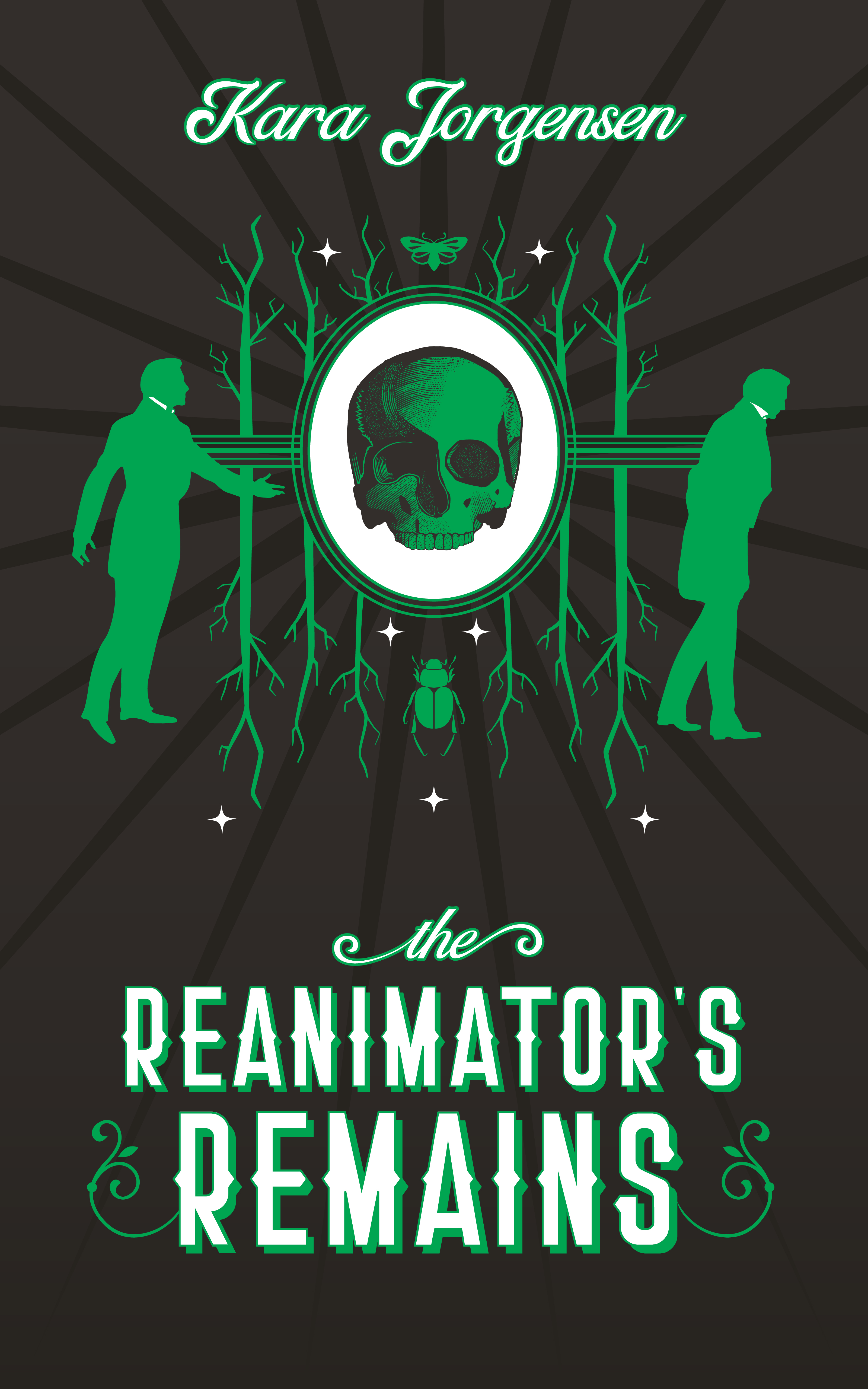
Standard disclaimers, I suppose, for whenever I review an author who I “know” online; Kara and I have been mutuals long enough that I couldn’t tell you where we met or how long ago it was, and we tend to find each other near-immediately any time a new site pops up. That said, I’m a big fan of their Reanimator Mysteries series, the third book of which came out in October and I read a couple of days ago. Kara’s books tend to be(*) queer Victorian paranormal romances, and this one concerns Oliver Barlow, an autistic necromancer who works as a coroner, and Felipe Galvan, an investigator for New York’s Paranormal Society who is, uh, dead. And resurrected by Oliver. And they’re lovers now. And they can’t get more than half a mile apart.
It’s kind of a delightful series, believe it or not. The first sentence of the third book mentions “freshly rinsed organs.” It’s that kind of book.
Anyway, this one dives into both Felipe and Oliver’s pasts, and the main mystery of the book concerns the nearby town of Aldorhaven and a sudden infestation of the risen dead. Aldorhaven is a “murder town,” a decidedly unofficial designation for a place where the number of unexplained deaths and weird paranormal happenings is way above the norm. The town, and the forest surrounding it, become characters of a sort in this book, which has more than a little of The Shadow over Innsmouth‘s DNA in it. It’s wonderfully creepy in a whole lot of ways and you should probably grab the whole series, which starts with The Reanimator’s Heart and The Reanimator’s Soul. Book IV comes out next year.
(*) Tend to be? Possibly “always are”? This is Kara’s 10th book and I haven’t read them all.
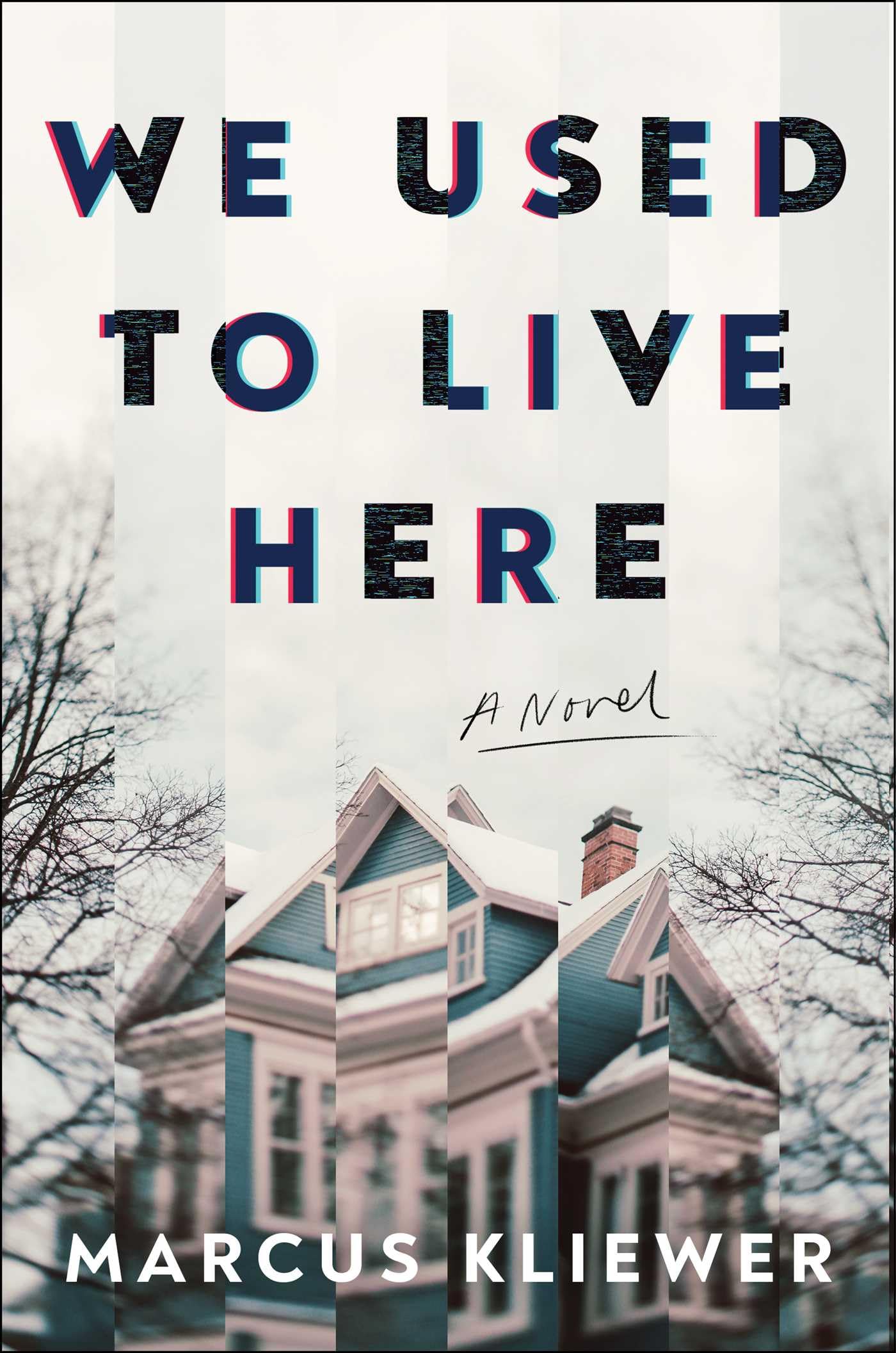
I’ve been putting off picking up Marcus Kliewer’s We Used To Live Here until it came out on paperback, but Barnes & Noble’s still-ongoing end-of-year hardback sale and a couple of Christmas gift cards pushed me over the edge. The premise of this one is that a young couple has bought an old crumbling house high up on a mountain, planning on renovating and possibly flipping it, and one night a family of five shows up on their doorstep while Eve, one of the homeowners, is at home alone. The father claims that he used to live in the house, and asks if he can have fifteen minutes to show his family around. Eve reluctantly agrees, and … well, it doesn’t go well. This is psychological horror and not the murder-and-torturefest that “it doesn’t go well” implies there, but Eve basically spends the rest of the book going slowly crazy. It’s intense.
This, I think, is the most your-mileage-may-vary of the three books, because how much you enjoy this book is going to depend on how willing you are to 1) scour the text for clues that may or may not be in there and 2) live with ambiguity about what exactly is going on. Eve ends up unable to trust her own perceptions and her own memories about literally anything, and this is the kind of book that has little interstitials throughout, clips from interviews or TV shows or message board posts that initially won’t make sense but will tie together eventually, and all of them end with Morse code. I deciphered one and got the word “and” and decided that I didn’t need to decipher the rest. Maybe you will! Maybe that whole idea kind of annoys you. I have no idea if the Morse code is important or not. I know I didn’t bother to check.
Anyway, for me, this book started off as a great slow-burn mindfuck but sort of collapsed under its own weight by the end. I four-starred it on Goodreads, but you’ll need some tolerance for gaslighting and unexplained events and a wildly unintentionally unreliable narrator. By the end of the book if Eve so much as mentioned the color of something I was flipping back to see if that thing was the same color the last time she mentioned it. I don’t mind some ambiguity in this kind of book but it went a little beyond my comfort zone. You will doubt everything by the time the book ends, but the atmosphere and the oppressive quality of Kliewer’s writing meant I more or less finished this book cover-to-cover in a single sitting. You decide if that sounds like your type of thing.
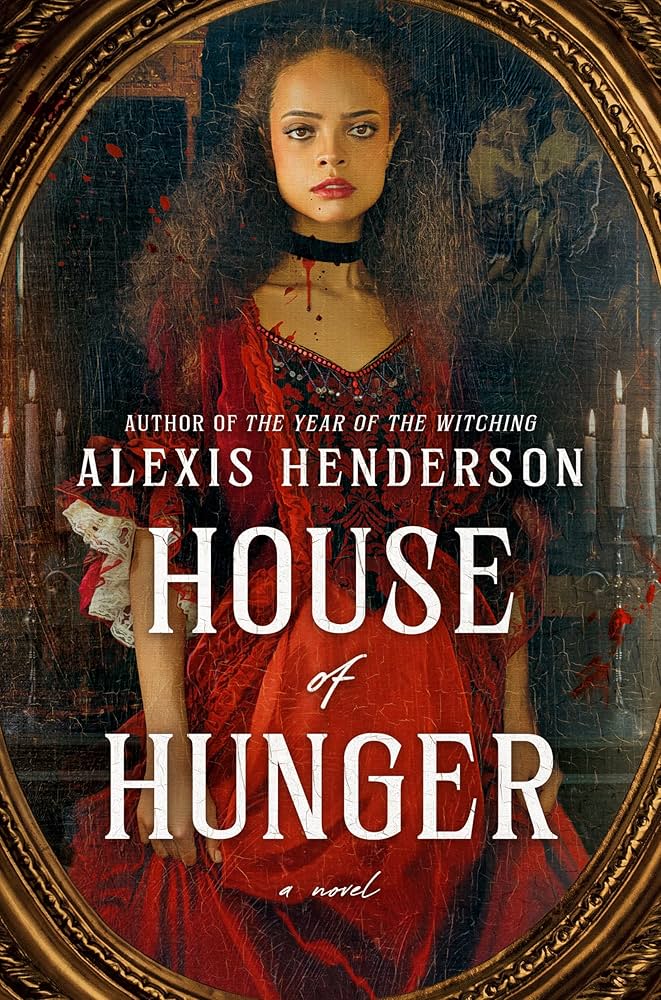
I meant to hold off until paperback on the Kliewer book and ended up grabbing a hardback; I have this one in paperback and I regret not buying it sooner. Alexis Henderson’s debut, The Year of the Witching, was an Honorable Mention for my best books of 2020 list, and House of Hunger is better than Witching. It’s a vampire book in all but name; there is, in fact, no explicit magic or supernatural powers mentioned anywhere(*) in the book, but Marion, the main character, flees a life as a scullery maid to take a position as a Bloodmaiden in the ambiguously defined “north.” Her job is to provide her blood when her obscenely wealthy patroness, the Countess Lisavet, requests it. In return for seven years of indentured service, she will receive a huge pension for the rest of her life upon her retirement.
And, yeah, Lisavet isn’t a vampire, and neither are any of the other rich people in the book– blood is extracted through needles or occasionally through bites, and even when Marion is bitten it’s made clear that Lisavet is wearing prosthetic sharp fangs in order to puncture her skin. But there’s a whole lot of blood-drinking going on, and the closest the book gets to actual magic is mentions of things like “blood lamps,” which might just be regular lamps inside a hollow globe so that the light is red but might also be powered by blood somehow? It’s unclear. One way or another, Lisavet in particular is a fascinating character, and her relationship with Marion is really well-written and interesting, and when things inevitably go to hell at the end the horror is real. This book isn’t related to The Year of the Witching, and Henderson’s third book just came out and is also a standalone, but I’d love to see more about this world. I’m genuinely not sure if this is actually going to show up on the list tomorrow, but it’s definitely in the running. Check it out.
(*) Heavily implied, maybe, but not until late in the book.
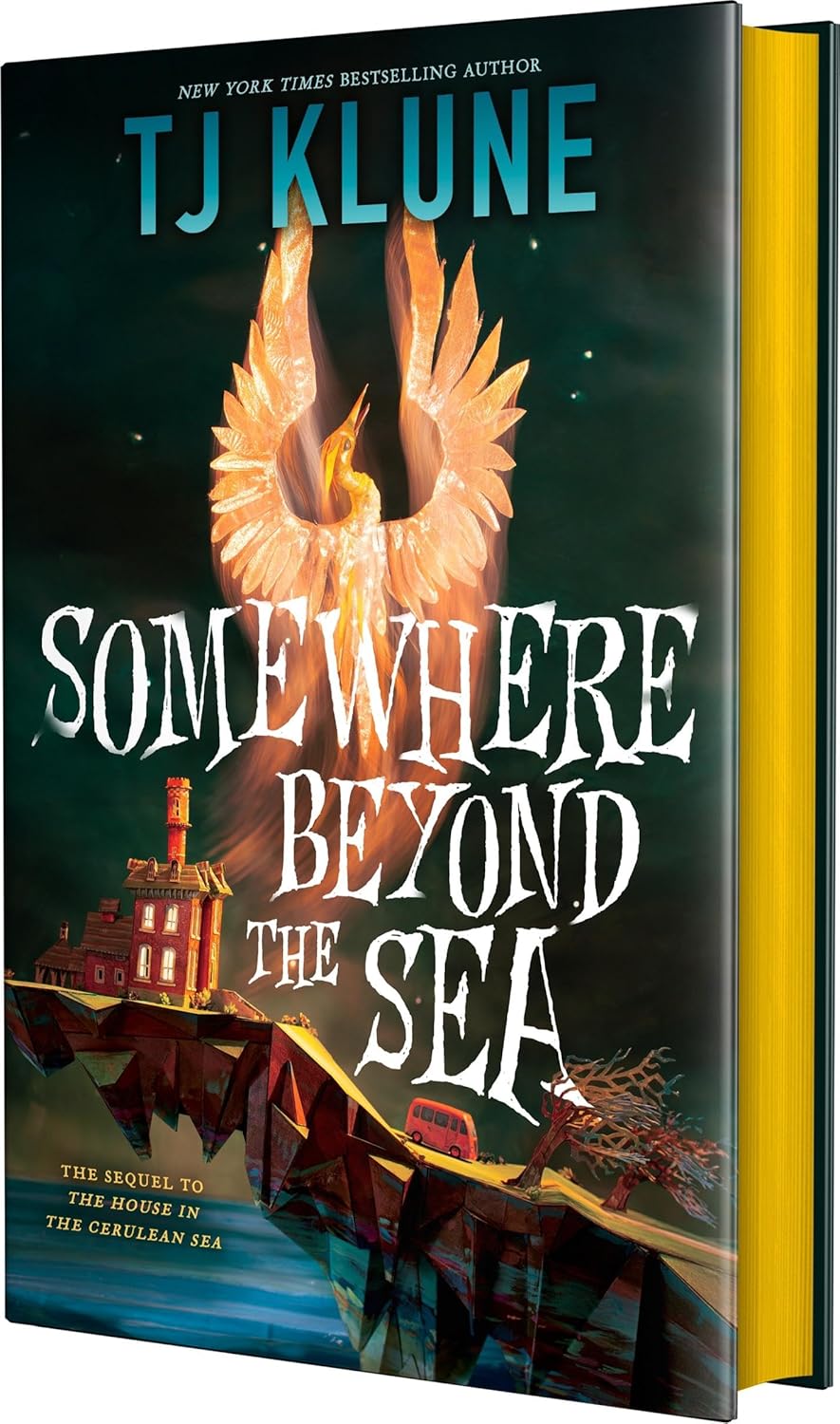
I have to say that I kind of needed this book. I absolutely adored The House in the Cerulean Sea, TJ Klune’s first book in what we’re apparently calling the Cerulean Chronicles, and I’m really hoping that the fact that the series has a title now means we’re going to see more of it. My review of that first book has become one of my most inexplicably popular posts– my seventh most popular post in the history of the blog, in fact– and traffic for it tends to come in waves. It’ll have 40 hits over the course of a day and then trail off, and then a couple of weeks later it’ll have a hundred, and then it happens again. I don’t know why! I don’t get enough information about referrers from WordPress and if there’s something else I can use to look up where views are coming from, I don’t know how to use it. Feel free to enlighten me in comments, if you have a suggestion.
Anyway, Somewhere Beyond the Sea returns to the orphanage on Marsyas Island, and the magical children and their two caretakers, who continue to have one of the most adorable relationships in all of literature. This book lives in Arthur Parnassus’ head, though, instead of Linus Baker, the main character and POV of the first book. While the switch makes perfect sense in the context of the series, Arthur is a darker, angrier character than Linus, and some of the gentleness and charm of the first book is lost in the switch. This book also introduces a couple of actual villains, as DICOMY, the Department In Charge of Magical Youth, Linus’ employer from the first book, turns on the orphanage and in particular on one of the children who live there. There is another DICOMY inspector, this one very much cut from the “I pretend to be here to help the children and am absolutely not here to help the children” cloth that I was so pleased to see Linus was not in the first book.
The first book was about a family forming. This one is about threats to tear that family apart, although the addition of a new child to the orphanage adds another new perspective that isn’t as negative as the two representatives of DICOMY.
Ironically, while the book isn’t quite the cozy “big gay blanket” of the first book, I found that I related to Arthur more than I ever did to Linus, which wasn’t something I was expecting on the way in. Arthur has a traumatic past– that’s not the bit I relate to, mind you, as I can’t really make that claim– but he spends much of the book struggling with his temper, as he has the ability to simply make the threats to his family go away in the most violent and retributive manner possible and repeatedly chooses not to, as that’s not the person he wishes to be.
Let me just say that it is not difficult for me to relate to a character who is a father and an educator who occasionally struggles with preventing his rage at the injustice and unfairness of the world from affecting the way he lives in it. Not difficult at all. I lack the ability to set things on fire with my mind, however, so his struggle has a touch more immediate salience than mine might.
Most interestingly, I think with Arthur and particularly Arthur’s past, and the fact that this book does dwell on trauma in a way that Cerulean Sea did not, Klune is in some ways addressing the criticisms of his first book, which I won’t go into here, but you’re welcome to click on that link up there. It turns out that Arthur Parnassus ending up the Master at Marsyas Island was not an accident. I’ll leave it at that.
I can’t issue quite as strong a recommendation for this book as I did Cerulean Sea, but that was one of my favorite books of the year it came out and remains my favorite of Klune’s books, so that’s not saying a lot. This is still a comfortable #2 in his body of work, and you should give it a read.
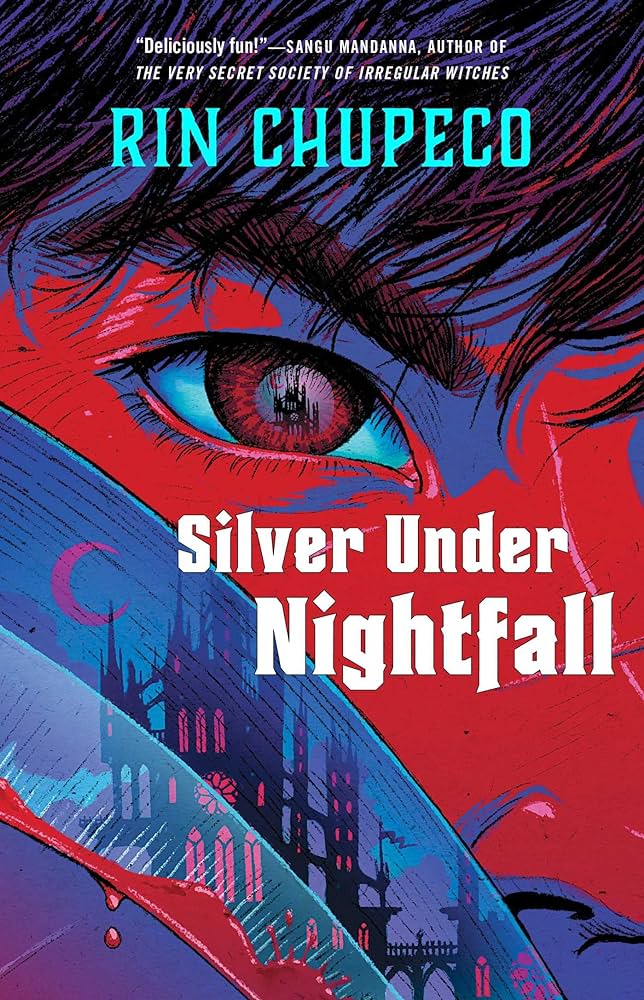
Yes, that’s right, three book reviews in three days, although this one is going to be shorter. Rin Chupeco is kind of a known quantity around here; this is the … sixth? of their books that I’ve read, and I’ve enjoyed all of them and at least one or two have made my end-of-year list. And, honestly, Silver Under Nightfall sat on my unread shelf for long enough that by the time I picked it up to read it I’d forgotten what the hell it was about.
And, honestly, I may never have known what it was about– it’s possible that I just ordered the damn thing on reflex because of 1) that cover (my god, that cover) and 2) Rin Chupeco. Again, known quantity. I buy Rin Chupeco books. It’s a thing I do.
It’s, uh, about vampires? And a bisexual vampire hunter who falls in love with both members of an engaged outwardly-cishet vampire couple? And there is so, so much sex that I promise you is nowhere to be found in the Bible, and that’s three super queer books in a row now. And I’m sorry, but “vampire hunter who falls in love with some vampires” should absolutely have led to me putting this book down, never looking at it again, and quietly looking down on anyone who said good things about it. I’m tired of vampires. I’m tired of vampire books. I’m definitely tired of vampire books where the vampires are irresistible and fuck everything. At least there are no werewolves, I suppose? Yet?
Finished the fucker in a day. Reflected on just how different Chupeco’s writing style is in this book compared to everything else they’ve written. Looked up the sequel. Got mad that the sequel wasn’t available in paperback yet, since my copy of Silver is in paperback. Spent ninety fucking dollars on the absolutely fucking breathtaking Illumicrate editions, which will probably take so long to get here that the paperback will be out by then anyway.
This is going to be One of Those Reviews, I think. I am beginning this review at 7:30 PM on Saturday, which, you will notice, was yesterday. You may have noticed that yesterday-which-for-me-is-still-today’s post is also a book review.
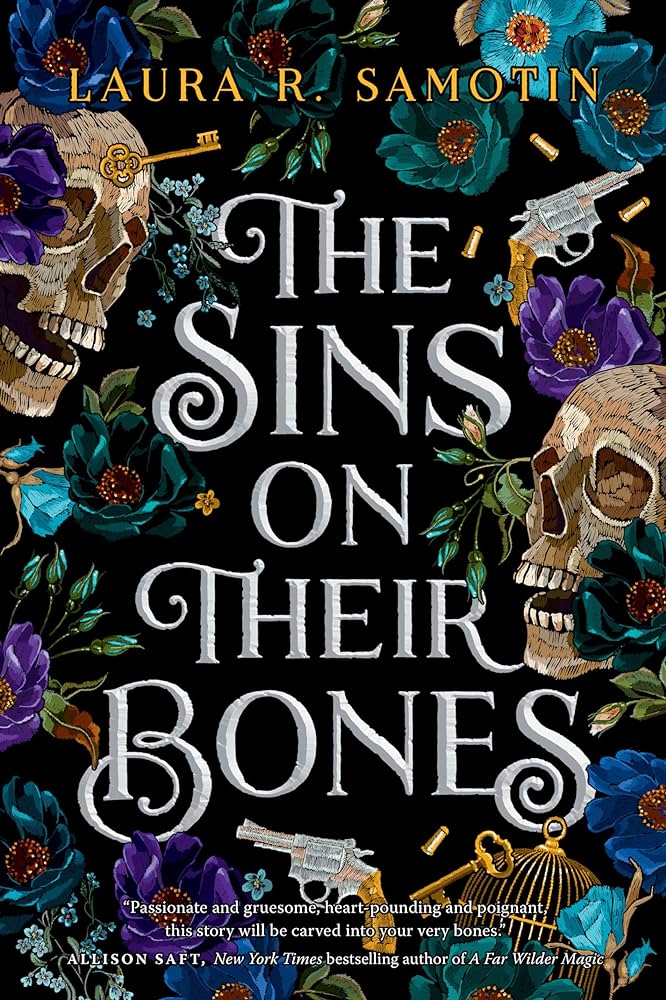
I am writing the second book review of the day because I woke up this morning, read the last two hundred pages of To Cage a God, wrote a review, ate lunch, took a shower, and then read The Sins on Their Bones fucking cover-to-cover in what wasn’t quite a literal single sitting but may as well have been. The eArc I read was four hundred and eighteen pages. I read the entire book in roughly six hours, less if you deduct a couple of pee breaks, some light web surfing and doom scrolling, and a few pieces of frozen pizza for dinner.
The real miracle? I don’t have a physical copy of this book. I’ve read plenty of books in a single sitting before. I don’t think I’ve ever done that with an ebook. Like, literally never. This is the first time.
I also paused to order the book from Amazon, because I got sent this by a publicist in return for a review, and I don’t actually have a physical copy. It comes out May 7th.
You may be wondering what I meant by “one of those reviews” in the first paragraph, there. Here’s the thing: This book started out as an uh-oh, developed into something I was grudgingly respecting, and then moved into fuck it, five stars territory by ending very well. I’ll get into what it’s actually about in a few minutes but it’s very much the type of book that if I talk about too much you’ll think I hated it. I did not! I liked it a lot. But all of the interesting things I have to say about it are gonna feel like gripes. I’m annoying that way sometimes.
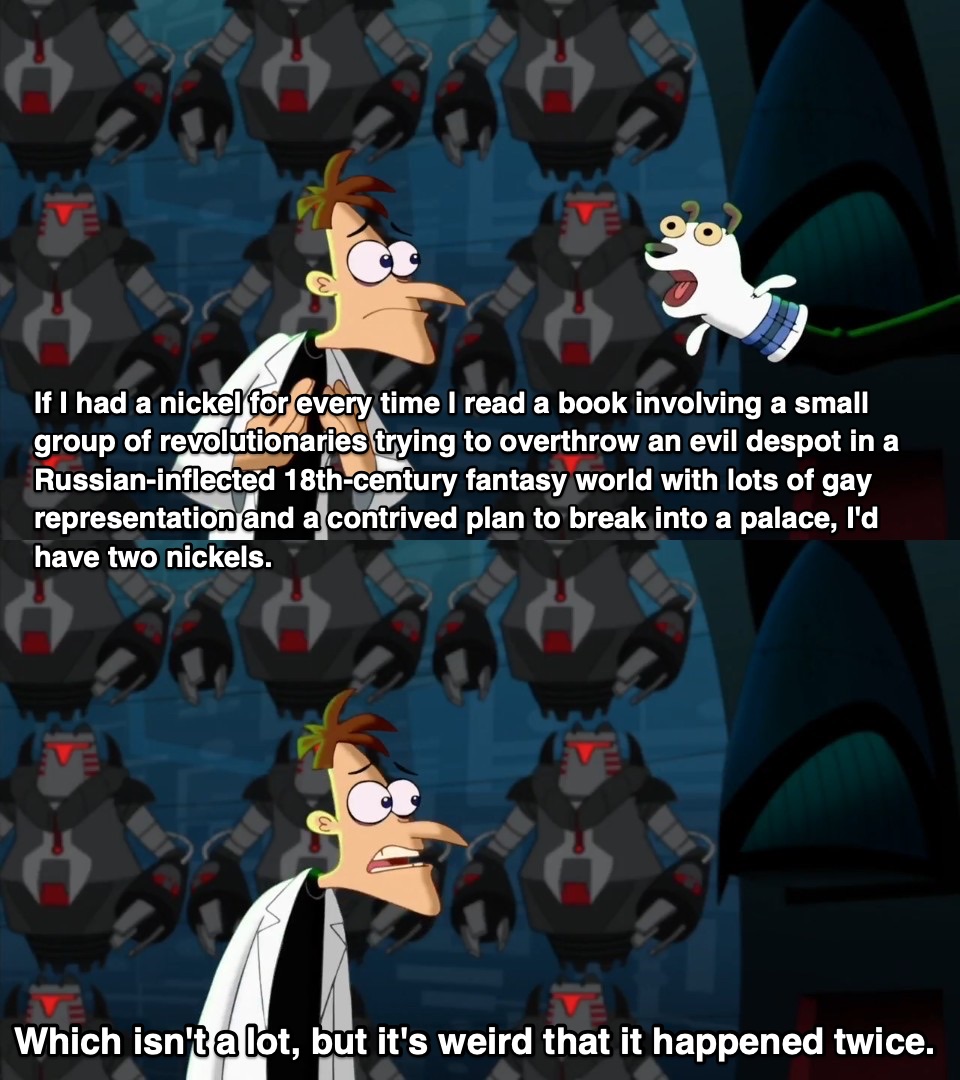
But let’s talk about To Cage a God for a second more, because, completely by accident, this book echoes that one quite a lot. Both are set in a proto-Russian setting, with roughly eighteenth- or nineteenth-century technology (guns are mentioned in Bones, but don’t really belong on the cover) and both are mostly about a plot to remove an unjust ruler. Both have substantial gay representation; both have magic, although we’ll get to talking about Sins on their Bones’ magic in a bit. The good guys even get into the bad guys’ palace at the end with more or less the exact same deception, which is one bloody odd coincidence. For a while, I was genuinely concerned that reading both of them in one day was poisoning my opinion of Bones, but as I said: once it heats up it heats up fast.
Let’s go back to the queer representation: I feel bad about complaining about this, but Sins on Their Bones might actually have too much, as I’m pretty sure that literally every character in the book with a speaking role is queer, including two tzars and the entire surviving court of the deposed one. One character gets to give a whole speech about being asexual. I did not notice any trans characters but the rest of the book is so gay that I genuinely think I probably missed an obvious clue somewhere; I refuse to believe everyone in this book is cisgendered. There’s a throwaway line at the end of the book about someone receiving a ton of marriage proposals from across the continent, implying that every other ruling family is super gay too. And there’s a point where someone has to convince a side character who has barely appeared in the book at all that they knew each other as kids, and he tells her that he remembers her first crush, which was on another girl, because of course it was.
And, like, the main character is the deposed tzar, who is married to the guy who deposed him, and he and his court are in hiding for most of the book. He’s very mopey about it. You’ve seen Monty Python’s Holy Grail, right? Remember the bit with the prince in the castle who just wanted to sing? Imagine that guy was the tzar of Russia, only instead of singing, he wanted to have sex with his husband. That’s the vibe for a lot of the book. He snaps out of it eventually, but he’s very sad for basically the whole first half. Also drunk. And the interactions between the main group of characters really don’t feel like an exiled potentate and his court. They’re more like a bunch of grad students in a polycule. At one point they go to a magic library– the magic library is probably my favorite part of the book and I would gleefully read an entire book about Aleksandr, the librarian, and his disembodied head coffee table, and no, I’m not explaining that. But they go to the magic library and they’re sitting in a room listening to the librarian talk and one character sits on another one’s lap. There’s a bit where they’re expositing at each other early in the book and three of them are basically lying in a cuddlelump on the floor.
I don’t know any kings and I definitely don’t know any tzars but I feel like typically the word “cuddlelump” doesn’t get applied to them often. And from now on whenever I think about Cabinet meetings I’m going to imagine Pete Buttigieg walking in and confidently sitting on Merrick Garland’s lap, and none of you can stop me.
Also, everybody’s Jewish, except they aren’t, and I don’t know how I feel about that. Now, Jewish mysticism and Jewish magic are a thing, and they are fascinating, and I have read several really goddamn good books that take inspiration from Kabbalah. The phrase “inspired by Jewish mysticism” was half of what got me to jump at the chance to read this early. But the word “Jewish” doesn’t show up anywhere in this book, and the place names are all clearly drawn from real places in Russia, and it’s not like it’s a pastiche on Judaism, these folks are Ashkenazi Jewish. They’re praying in Hebrew and wearing prayer shawls and the names of God play a big role and churches are called shuls and there are angels whose names are clearly only barely modified from their Biblical equivalents, and it’s so obviously Judaism that it’s really weird to me that the author didn’t just make them Jewish. There are literal Bible quotes scattered around, just without actual chapter and verse references. I mean, there wasn’t ever a Jewish tzar of Russia, but there wasn’t a gay tzar of Russia either, nor did the gay Jewish tzar of Russia have a nonbinary person and an asexual person and a bisexual person and the fourth person was probably the trans person and I didn’t catch it, in their inner court. If we’re gonna go with homonormative 18th century Russia, we can also have homonormative 18th century Russian Jews.
I dunno. The author is Jewish, and I’m not, and I’m not, like, offended by it or anything, but I feel like you can only draw so much “inspiration” from Jewish mysticism before you have to just admit that everybody is an actual Jewish mystic. Like, the big plan to stop the bad guy at the end, and I’m not going to get more specific because spoilers? I know exactly where that came from.
Also, and this is probably just me being petty, but the evil tzar is called “Moy Tzar” nearly every time he’s referred to in the book and there is no other Russian anywhere, and it’s italicized each and every time, and … blech.
So like I said: I have lots of gripes, but … six hours. One sitting. On an ebook. Which I then spent real money to get a physical copy of. I have not quite gone so far as to put this on my end-of-year list, but we’ll see how I feel about it in a week. Go pre-order it, and you can read it on May 7th.
 Welcome to infinitefreetime dot com