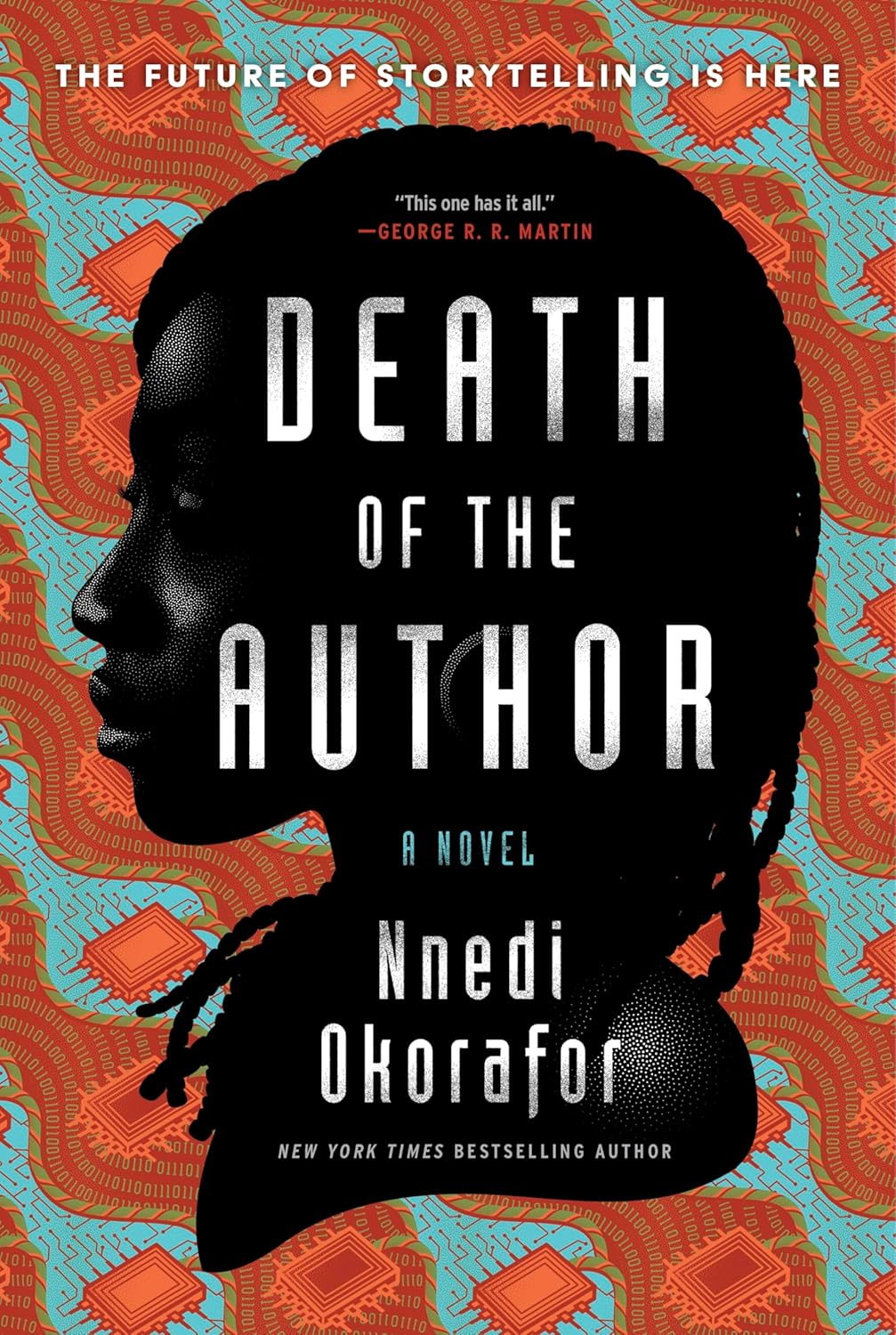
I have spent a couple of days trying to think of a time where I thought a story-within-a-story structure worked for me, and for the life of me I’ve been unable to come up with one. The main character in Nnedi Okorafor’s Death of the Author is– get this– a Nigerian-American female author who lives in Chicago and is in a wheelchair due to a childhood injury, and at the beginning of the book she writes a science fiction novel that is a massive success. A massive, massive, massive success, propelling her to J.K. Rowling or Stephen King levels of fame. Portions of the book are given over to excerpts from her book, Rusted Robots.
The problem is Rusted Robots is terrible. It’s unreadable. By the end of the book I was skipping all of the Rusted Robots sections, and I generally don’t skip or skim parts of novels. And, man, it’s really damn hard to read a book that is all about how amazing and life-changing some other book is, especially when they keep giving you parts of that other book and you keep skipping them. The obvious self-insert doesn’t really make any sense (Okorafor doesn’t use a wheelchair, but had a surgery for scoliosis go bad as a young woman, and she needed crutches to walk for a long time) and Zelu as a character is generally unbearable. She’s selfish and impulsive and her family is terrible, so you’re confronted with a situation where you don’t like the main character and think her family treats her poorly and think they’re mostly right even though they’re terrible about the way that they’re right.
It’s also really weird to read about the various ways Rusted Robots affects Zelu’s life, because as an actual science fiction author Okorafor has to know that this isn’t how this shit works. Okay, granted, Nigerian women in wheelchairs aren’t terribly common sights, and Nigerian women with the experimental leg exoskeleton devices she acquires midway through the book are even less common, but Zelu gets recognized repeatedly every time she leaves the house, by people who a lot of time are reading her book right at that very second so they can shove it in her face to sign. Zelu’s relationship with her Internet fans makes more sense, especially as the wait for Book Two of her unplanned trilogy gets longer, but no debut author has ever gotten this famous this fast. It’s nutty.
I three-starred it on Goodreads because despite my complaints it’s still an Okorafor novel, and it was one of those books that despite not liking it very much I didn’t want to put it down, but a twist at the end very nearly made me knock it down to two, and I still might.

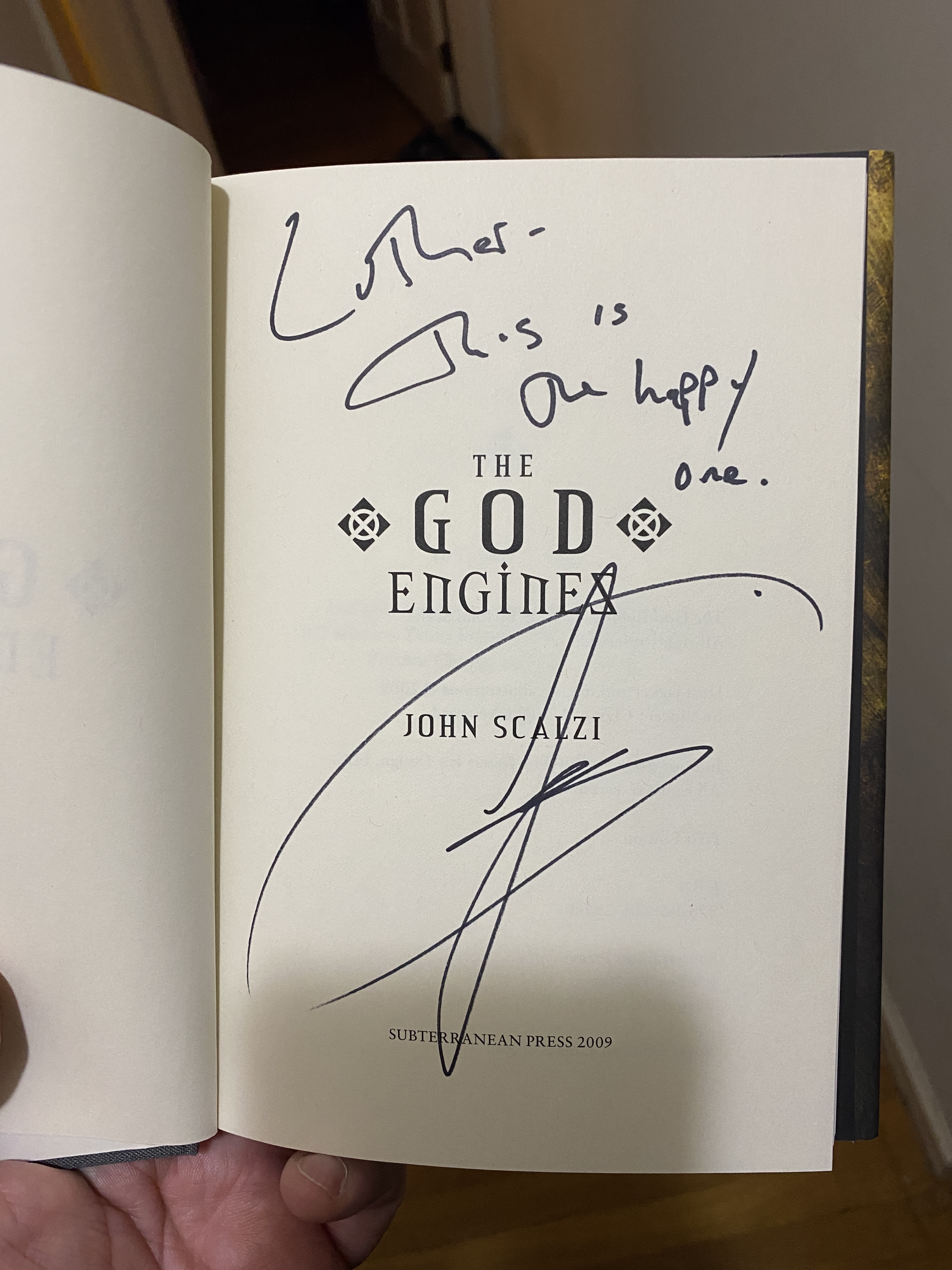
Sigh. I really like all three of the authors in this post! Scalzi, in particular, is someone who I have referred to as “one of my favorite authors” more than once, but When The Moon Hits Your Eye marks his second miss in a row after Starter Villain, which was mostly underwhelming.
The biggest problem is that When The Moon Hits Your Eye actually is the book that Scalzi’s online detractors want to tell you all of his books are– it’s slight (I read it in three hours or so, and not because it was so amazing I couldn’t put it down), all of the characters feel exactly the same, and all the dialogue is bantery and quippy in a way that’s okay for one or two characters in any given book but not for damn near everyone. The concept of the book is that the moon suddenly turns to cheese, and the book talks about the next thirty days after that. There’s no main character, although some people are revisited a few times, but Day Fourteen might talk about a character that you never see again, or you might jump back to the people from Day Three on Day Twenty-Two and it’ll take you half of the four-page chapter to realize you’ve seen them before.
Oh, and I knew a girl once whose nickname was Mooncheese, for reasons I no longer remember, and I spent the whole book thinking about her, which wasn’t entirely unwelcome but was kinda distracting.
I dunno. The whole concept of the book is kind of deliberately dumb, and you can take something like that and play it kind of straight if you want to, but the characters in the book keep talking about how fucking stupid it is (those exact words) that they have to take the idea of the moon turning to cheese seriously, and after a while it’s really wearying. It’s just … it’s blech. It’s not very good, and it pains me to say that about a Scalzi book.
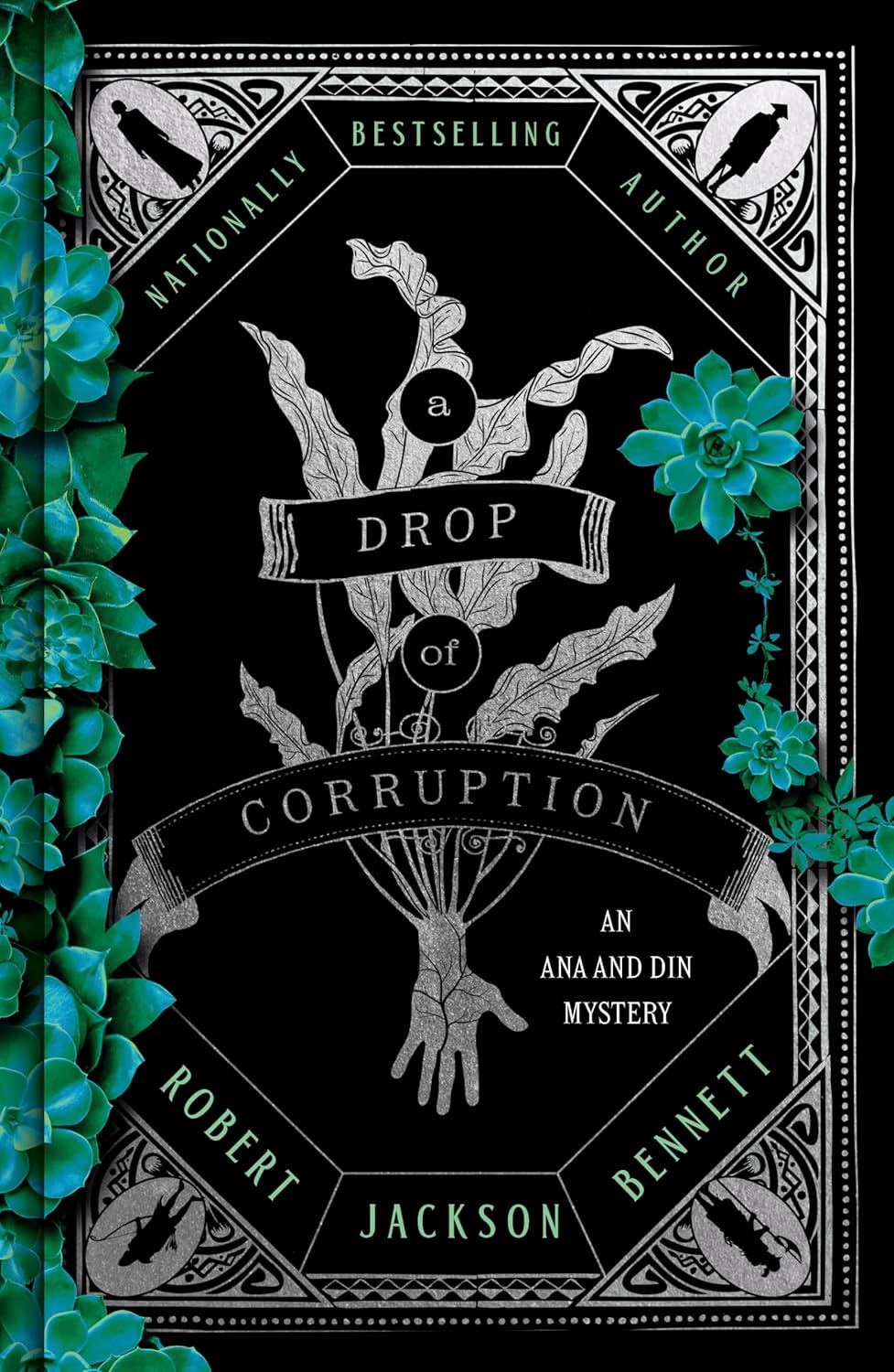
This, on the other hand. Go buy this immediately, and if you haven’t read the first book in what are apparently called The Ana and Din Mysteries, go grab it right now; it’s called The Tainted Cup and it’s really damn good too. The series hails from one of my favorite subgenres, “Sherlock Holmes, but …”.
This time our crime-solving pair are representatives of an Empire on a fantasy world with lots of biopunk “grafting” tech and occasional attacks by what are basically kaiju but they call Leviathans. Jackson Bennett leans heavy into body horror here– the victim in the first book died when a literal tree suddenly grew out of his body– and the Holmes of the series, Ana Dolabra, is a drug-addicted and probably genetically modified ubergenius who wears a blindfold because she can’t handle the constant visual input of the world around her. Dinios Kol, the Watson, is an Engraver, possessed of perfect recall but with a neat little twist where he needs to anchor his memories with scents to be able to describe them in a way that makes sense to anyone else. Ana is delightfully nuts and the world itself is fascinating as hell, and the Macguffin of this book is Leviathan marrow, which is just a great thing for characters to be chasing around and trying to find. I love this series, and right now this book is on my shortlist for 2025.
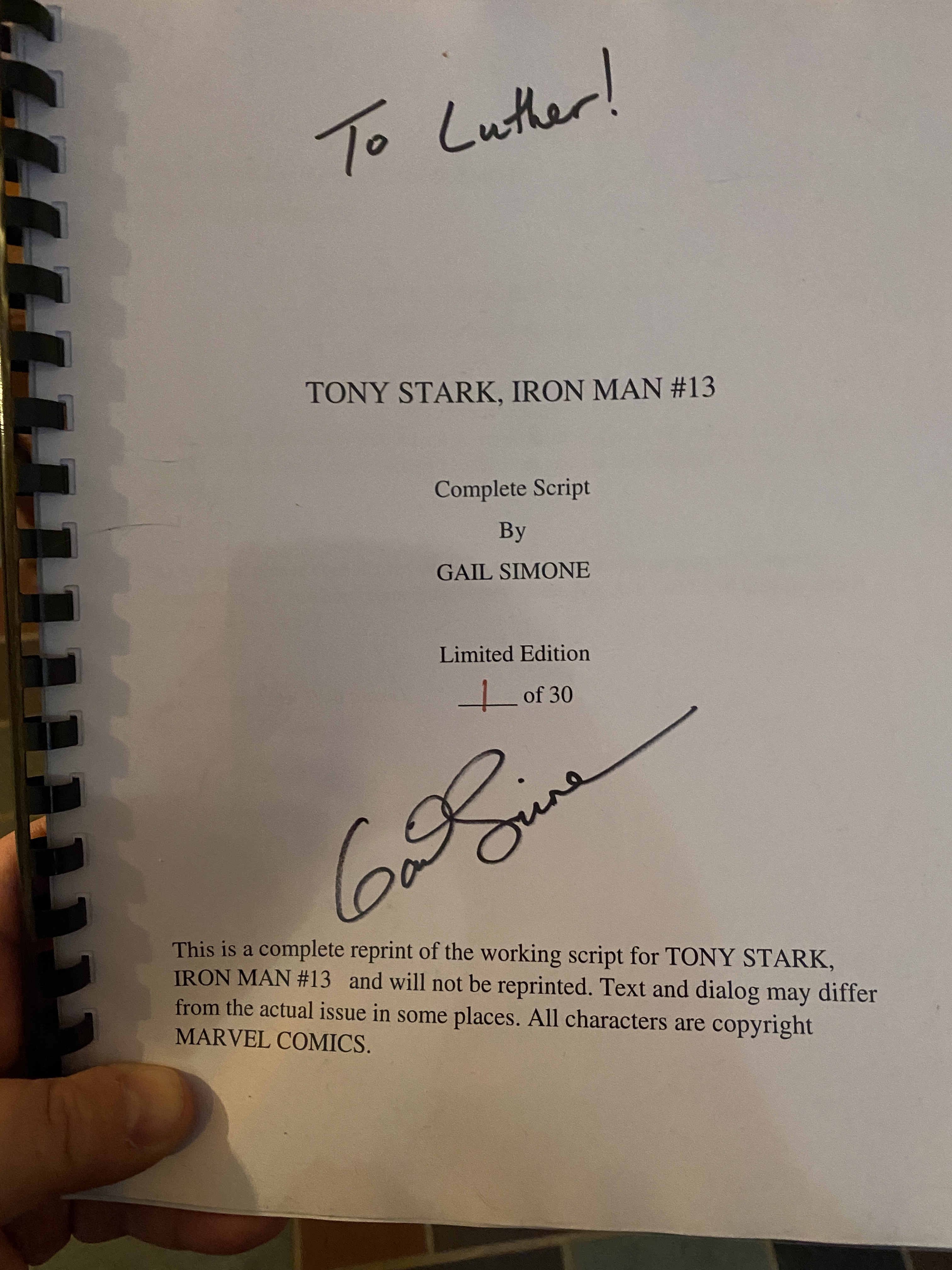
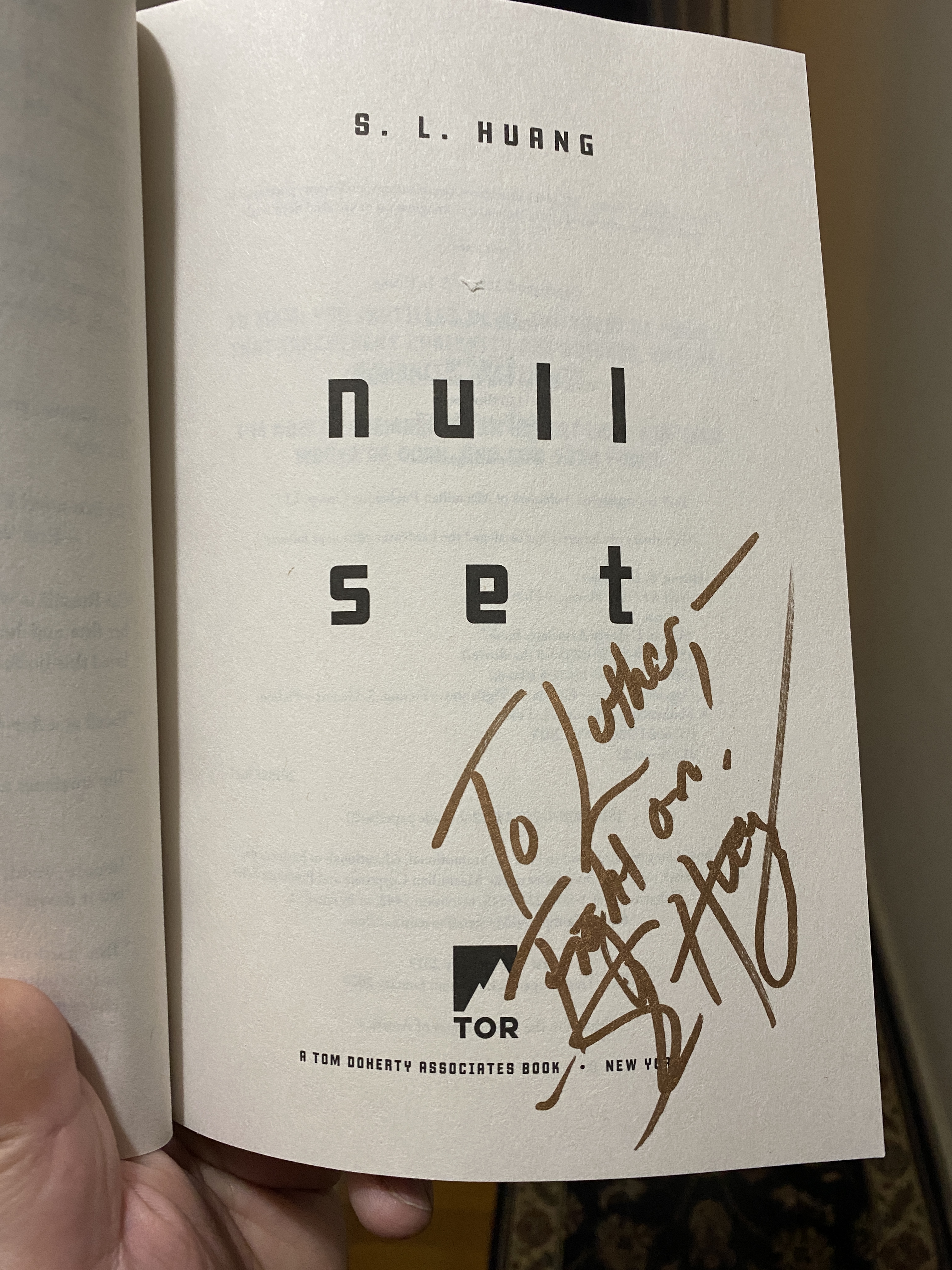
 REVIEW THE FIRST: Doomsday Book, by Connie Willis. This is going to be one of those reviews that is mostly complaining but then I tell you to read the book anyway, so just be prepared for that– it’s just that the weird stuff is more interesting. Doomsday Book tells a story of a time traveler sent from 2048 to 1320. In this future, time travel is part of how historians do their jobs, for the most part, although certain periods are considered too dangerous to send people back, and the machines they use to do the time travel are calibrated in such a way as to deny people travel if sending them back will cause paradoxes.
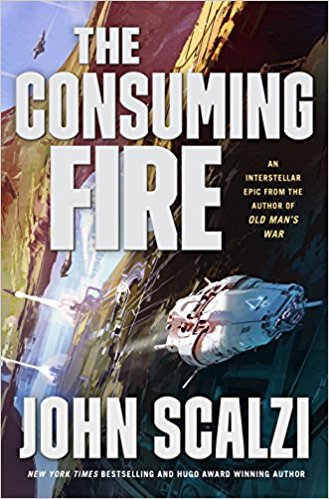 The second book of John Scalzi’s Interdependency series, The Consuming Fire, is out and I finished it today. I liked the first one a hell of a lot– no surprise, as Scalzi has been a favorite for years– but didn’t write about it here. The Consuming Fire suffers from a slightly meandering first third and takes a bit to get its legs underneath it but once it does it’s off to the races. I like the basic premise of this series a lot– the Interdependency is an intergalactic human civilization (no aliens in this universe) headed by an Emperox, who is both a political leader and the leader of the church, and the different smaller human societies are joined by what are called Flow streams, which (more or less) are wormholes that connect one chunk of space to another and allow a properly-equipped ship to move substantially faster than light. This has allowed the Interdependency to exist, as many of their civilizations can’t fully provide for themselves and so trade is absolutely necessary for their society to exist.
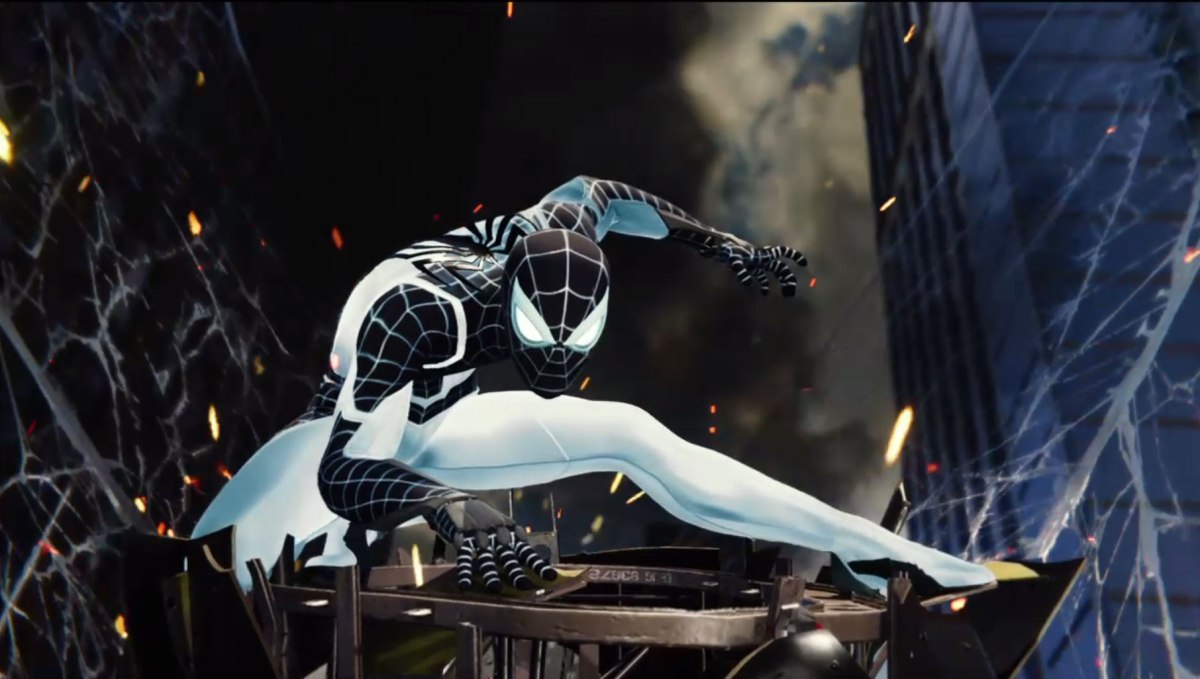 UPDATE: I keep almost abandoning Spider-Man PS4, to the point where I’ve declared myself done with it at least twice and I keep going back to it. It’s one of those frustrating games that keeps having bits that are entertaining and fun as hell and then four seconds later you’re screaming at the screen because of the absolute bugfuck stupidity of whatever Goddamned dumb thing the game is insisting you do next. The research missions, in particular, so far are damn near unforgivable– they can be ignored, but I’m bad at ignoring shit in games like this and so far each research mission has found a new and different way to be absolutely insanely annoying in some way or another. I’ll be perfectly happy to make it through the rest of the game without another fucking car chase, too, which are never not terrible.
 I have always suspected that I would not like audiobooks. There are a number of reasons for this; chief among them are the facts that I read way, way faster than anyone could ever read out loud and don’t have the patience to wait for someone else to take four or five times as long to read something as I would, and the fact that I really enjoy the physicality of reading. I have drawn this distinction between my wife and I a few times in this space, I think; we both enjoy reading, but I like books. I have thousands of them. I think she’d be content with an e-reader for everything for the rest of her life if it weren’t for the fact that I buy so many books that there’s always something for her to read. I generally only read ebooks if I’m traveling (which doesn’t happen very often) or if I have no other choice, such as when my indie author friends have released new books. Even then I prefer to get their stuff in print if I have the chance.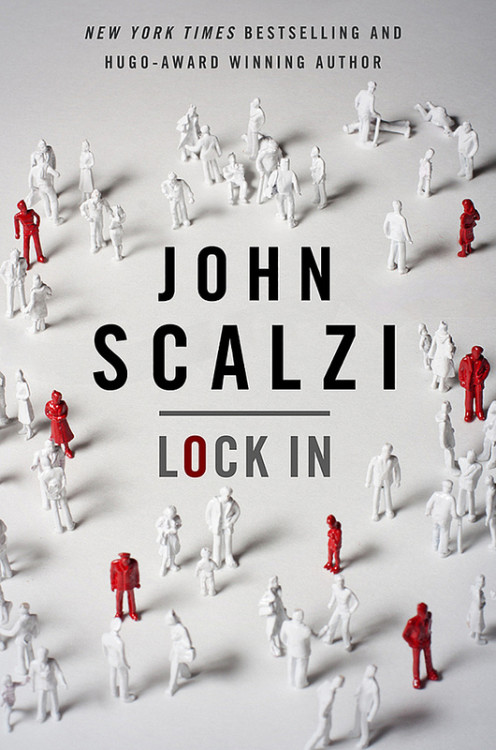
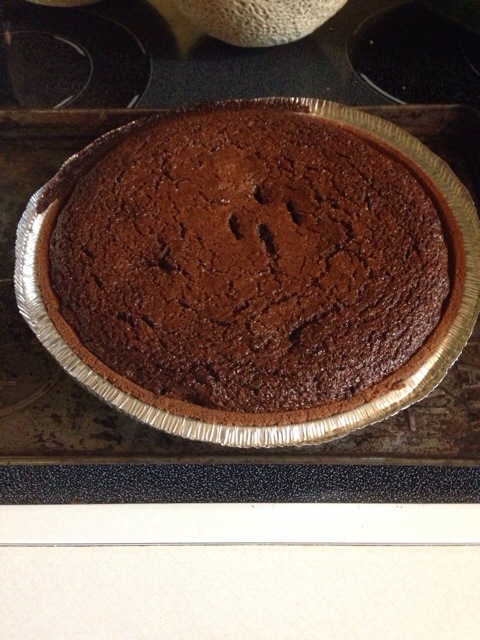
 Lemme tell you an uncomfortable story. I don’t particularly like this story but it’s relevant so I’m gonna.

 Welcome to infinitefreetime dot com