First things first: the power was back on before bedtime last night; technically we ended up not having to stay at the hotel but decided to do so anyway, mostly because the boy was having a ball. As of right now we’re home and everything appears to be fine. Both my school and our son’s school both appear to have the power back on as well; there was some speculation that this might cut into school starting back up tomorrow but that no longer looks like it’s going to happen.
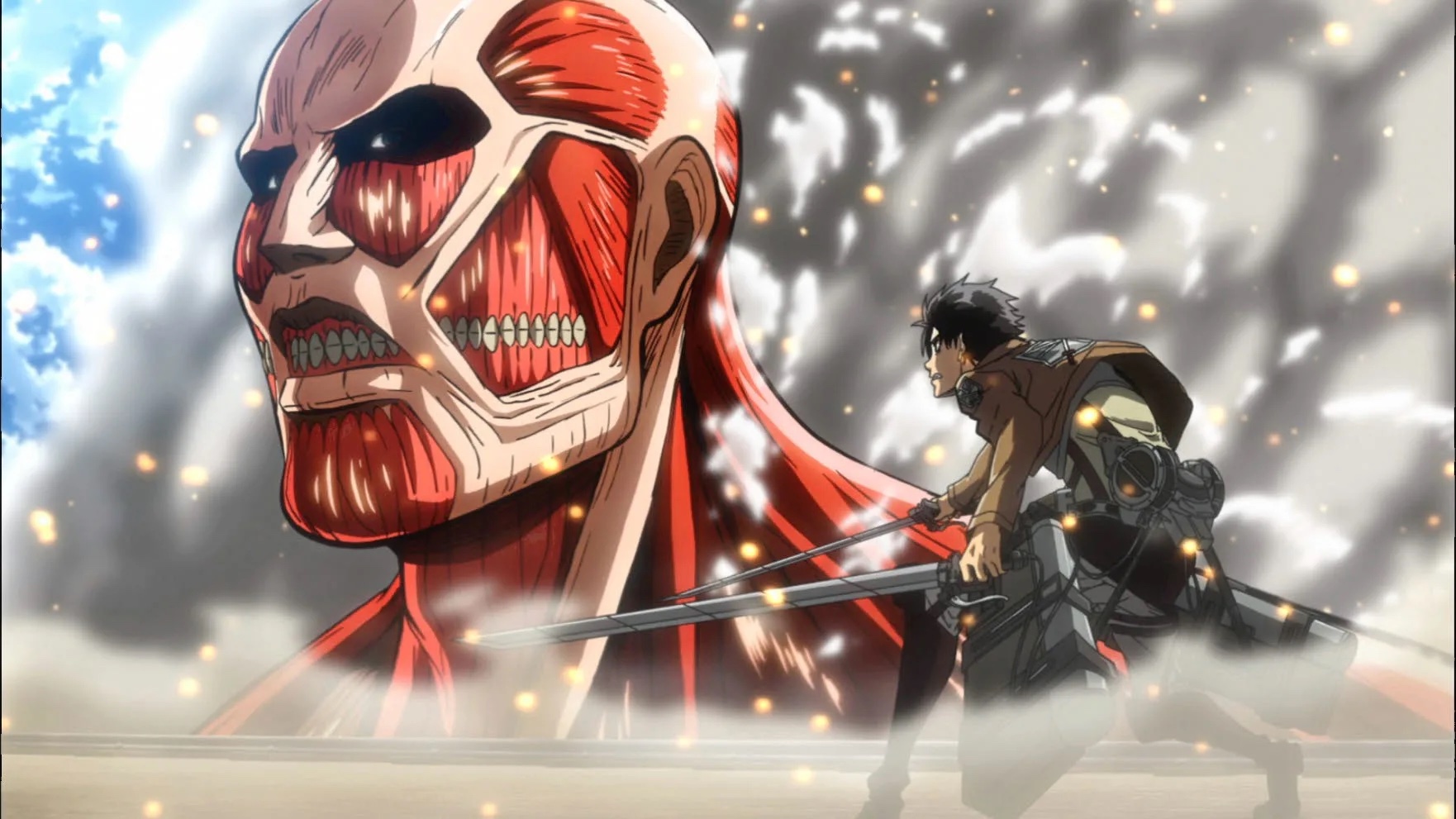
I have been, for some time now, casting about for some new Thing to become a Fan of, and for some reason(*) just before the power went out I’d decided to watch a few episodes of Attack on Titan on Netflix and Hulu(**). I was on the sixth episode of Season One, right at the end of a damn cliffhanger, when the lights went out, and as I’m typing this I just finished the 10th episode. And there are bits about it that are ridiculous, and I’m not sure if they’re manga tropes or something specific to this show (my God, the melodrama; everyone is always screaming) but so far I’m really enjoying it, to the point that I’m considering dipping my toe into…
…
(shivers)
… the manga.
I mean, there’s 33 volumes. Surely just buying one won’t hurt anything, right?
God help me.
(I’ve got Full Metal Alchemist and My Hero Academia on tap to check out next. Let me know which rabbit holes you think I need to fall into, if there are any.)
(*) a bunch of my current students are major weebs, and I still like to check stuff out whenever I notice a bunch of my kids are into something. It’s not like I’ve never had kids who liked anime before, but this year seems to feature a particularly high concentration of them for some reason. Why Attack on Titan in particular? I dunno, I’ve just always liked the look of the monsters for some reason.
(**) Started on Netflix, but Hulu has all four seasons of the show and appears to have better subtitles as well.
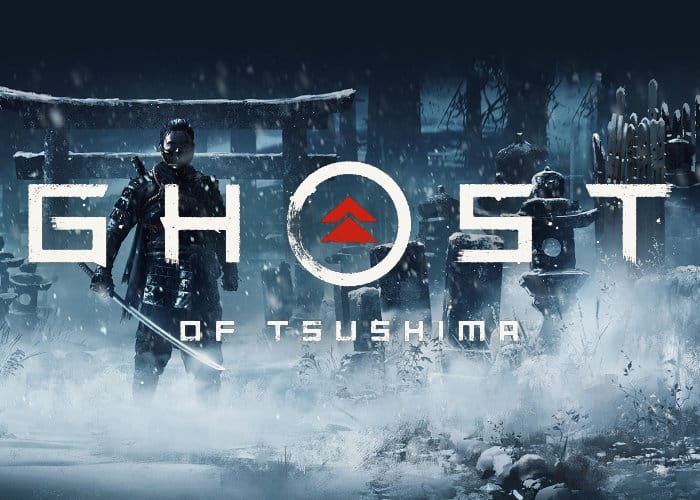
I have had an absolutely ridiculous run of amazingly good samurai-themed games lately– in fact, it’s fair to say that it’s nearly all I’ve played this year. First there was Nioh, which completely devoured my life. Then Sekiro, which absolutely ate my life. Then Nioh 2, which ate my life worse than Sekiro did. And lately it’s been Ghost of Tsushima, which …
Holy shit, y’all.
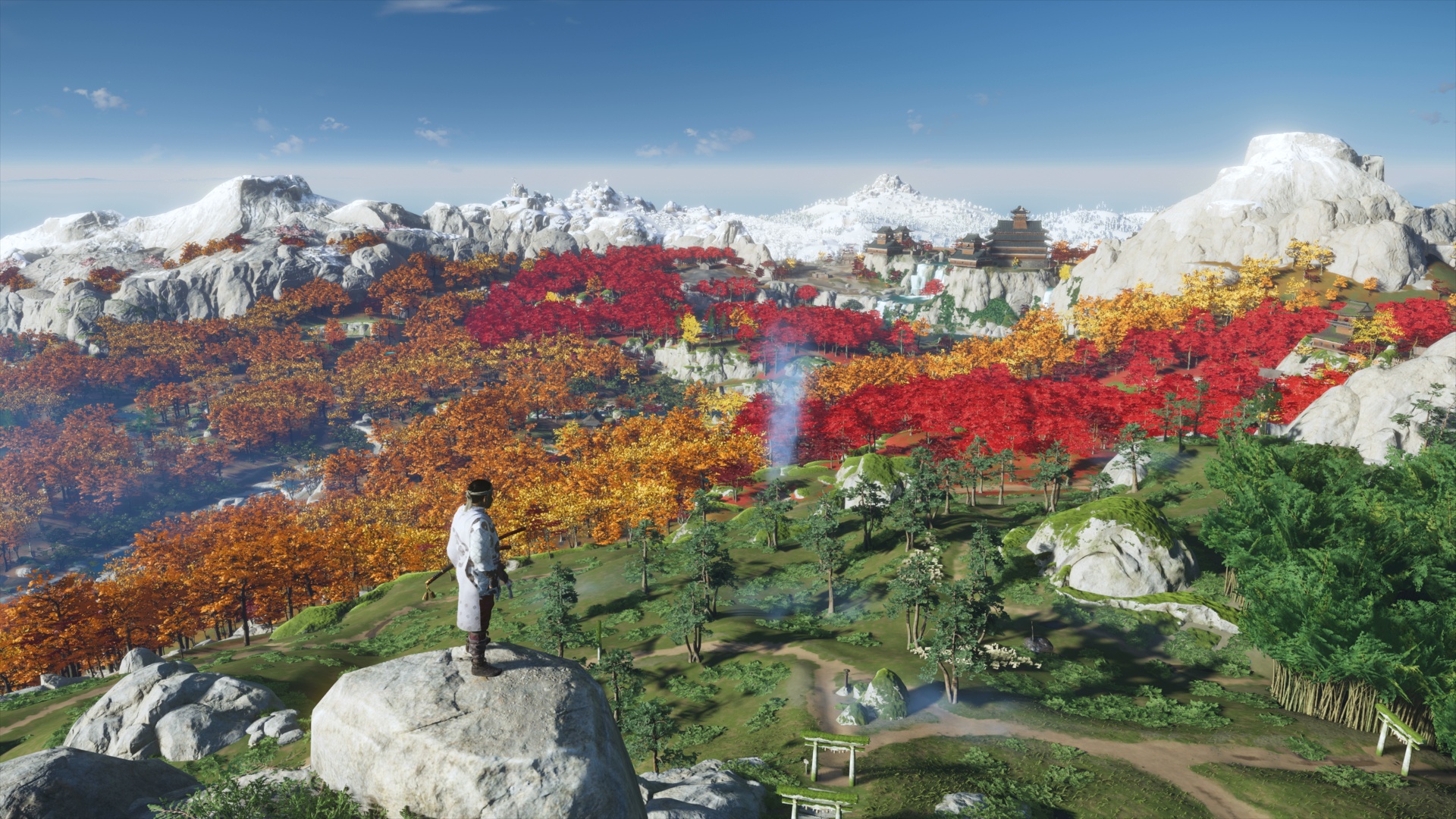
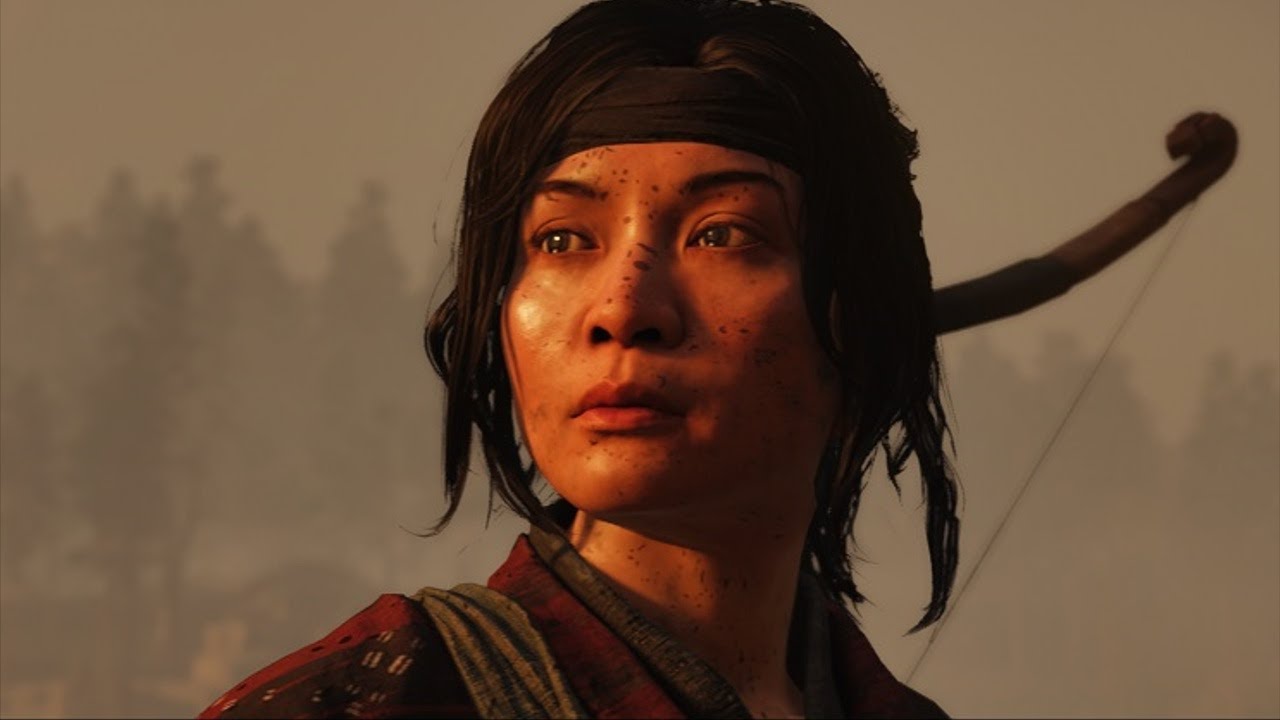
Every so often while playing a video game I will take a moment, look around, and reflect that I started playing video games with Pong on an Atari, and now I play games that look like this:
To say that this is the most beautiful game I have ever played is an understatement, because it implies that there has been competition. I have played games that were graphically amazing. Tons of ’em. But I have never played a game that was anywhere close to as beautiful as Ghost of Tsushima is. The game is set mostly in fall, with the northern part of Tsushima island already gripped by winter, so you’re spending the majority of your time running around in sun-dappled, brightly colored forests or over fresh-fallen snow that glitters exactly the way the real thing does. The human models in this game are like nothing I have ever seen before– and that’s coming off of Last of Us II, which I thought set a very high bar for facial modeling. My first thought upon seeing Khotun Khan, the Mongol general who is the villain of the game, was that the man had an incredible intelligence behind his eyes. I have never encountered a character in a video game who I, personally, wanted to sit and have a talk with. Toward the end of the game, there is a sequence where a character knows he needs to do something that he very much does not want to do, and there are tears in his eyes. I have seen real people cryingreal tears who were less convincing.
But beyond the graphics: this is an open world game that has managed to keep to the outlines of what is expected of an open world game in 2020 with none of the associated annoyances. It seems like such a minor thing, but if a character has to go with you somewhere, and you start running? The other character starts running. The collectibles and flowers and crafting materials that are strewn everywhere can be picked up on the fly, without getting off your horse. Hell, riding your horse is fun and not an exercise in watching for a tiny rock or copse of trees that will send the two of you flying and kill the horse. (I’m looking at you, Red Dead Redemption II.) Controls, across the board, are tight and fluid, and combat is an absolute Goddamned joy; after the first third of the game or so it’s a little on the easy side on the default difficulty level but there are two or three above that, and I find that feeling like a supreme badass in this type of game is more fun than the challenging combat offered by Nioh 2 or Sekiro. I could have made it harder, but I didn’t want it to be, so it’s not much of a complaint.
(I was incandescently angry about the camera and the lack of a lock-on for about the first 10% of the game, until I got used to it. The reason no one was complaining about how terrible the camera was, which really confused me, was because you do get used to it and the game wants combat to be more fluid than a lock-on system allows. It works, it was just a rough transition coming over from Nioh 2.)
The game encourages exploration, because of course it does; there are things to do and little nooks and crannies all over the place with little bits of story hidden in them. One of my favorite things about the game was the way it used natural elements like the wind (there is an actual gameplay reason why the game is set in autumn), or birds, or foxes, or fireflies, to guide you toward points of interest. I didn’t figure out the firefly thing until maybe 2/3 of the way through the game; it’s subtle, and I’m pretty sure the game itself never mentions it.
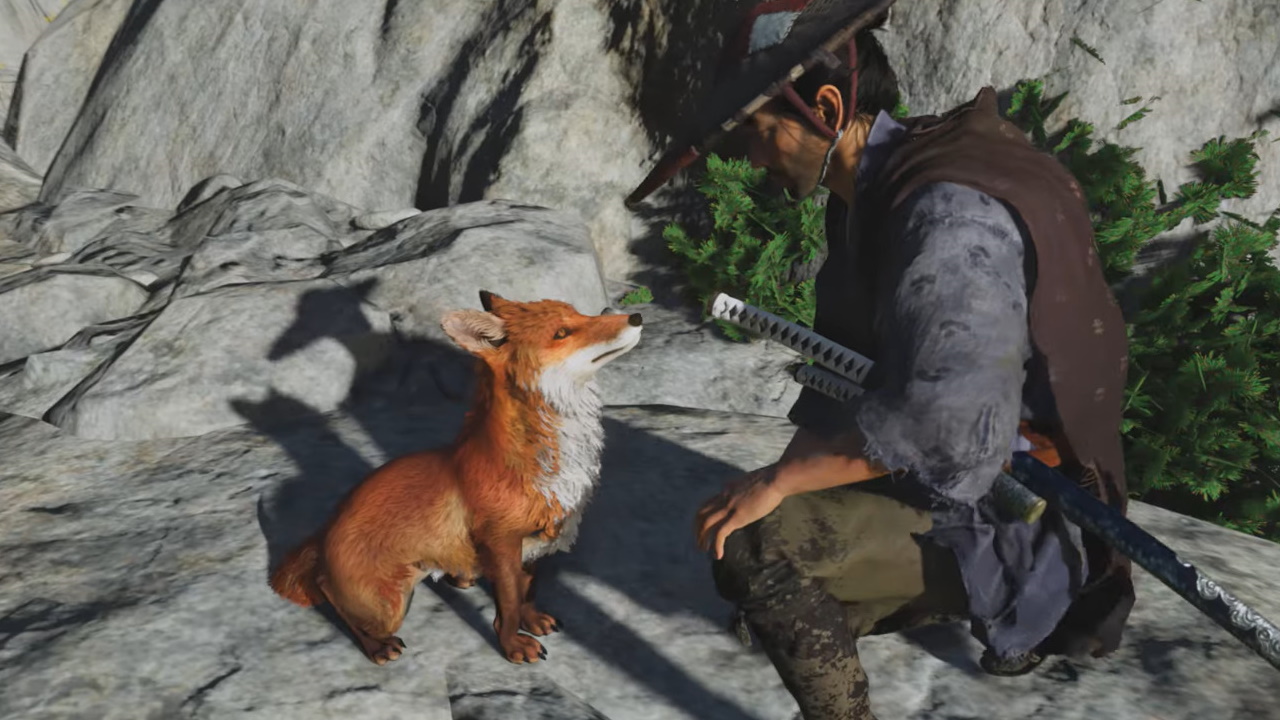
You can pet the foxes, a lot of the time, and writing the occasional haiku is part of the gameplay. Being able to pet foxes made this game 22.7% better and it was already a great game.
I enjoyed both the story and the main character more than a lot of people seem to have; I’ve seen some gripes about him being a thin character or the story being a little cut-and-paste and I don’t agree with them. Jin Sakai’s emotional journey through the story feels real, and more importantly, his relationships with the other characters also feel real, and it’s those relationships that pull you through the game. The voice acting is … good, I guess, although you shouldn’t take my opinion too seriously because I listened to it in Japanese. Nobody struck me as goofy, though, which can be an occasional problem in these types of games. It’s possible that if I understood Japanese I wouldn’t like the voice actors as much, but I doubt it.
It would be reasonable, I suppose, to gripe that the game is a bit too dude-centric. Jin is male, and you can’t choose his gender at the beginning of the game or alter anything about his appearance. (Armor, yes. Facial features and hair, no.) His uncle, a major figure, is male. Khotun Khan is male. Nearly every random mook you fight throughout the game is male; all of the Mongols are, although you do fight a couple of duels against non-Mongol female characters at a couple of points. There is one female antagonist during one quest line who you never fight, and three of the major supporting characters are female. But, oh, man, Masako and Yuna, in particular, are amazing, and the sad little story the game tells with Yuriko, Jin’s childhood caretaker, is as nuanced and real as anything else in the game.
Yuna is the closest the game comes to a love interest; there are some very broad hints that she and Jin are developing feelings for each other that are never acted on, and the two of them get drunk together at one point (my God, Jin’s eyes during the bit where he was drunk were amazing) and maybe share a meaningfullook right before some hell breaks loose, but she is a grown-ass woman and she is a badass and she has no time for anybody’s bullshit, including several men who at least on paper should be far more powerful than her, and I loved every second of her. She’s also never once used for sex appeal, which was damned refreshing. Masako was fascinating for other reasons– I could write another thousand words on how this game deals with revenge, especially, again, after TLOU2— but while you don’t get a lot of female or non-cishet representation in this game what you do get is definitely memorable.
So, yeah– if this isn’t Game of the Year it is awfully close, and while I’ll get more hours of gameplay out of Nioh 2, on the balance this is probably a better game and it’s certainly a more impressive achievement. If you own a PS4 and don’t pick this one up you are doing yourself a disservice, and frankly this is probably worth buying a PS4 for all by itself. I loved the hell out of it. You should play it.
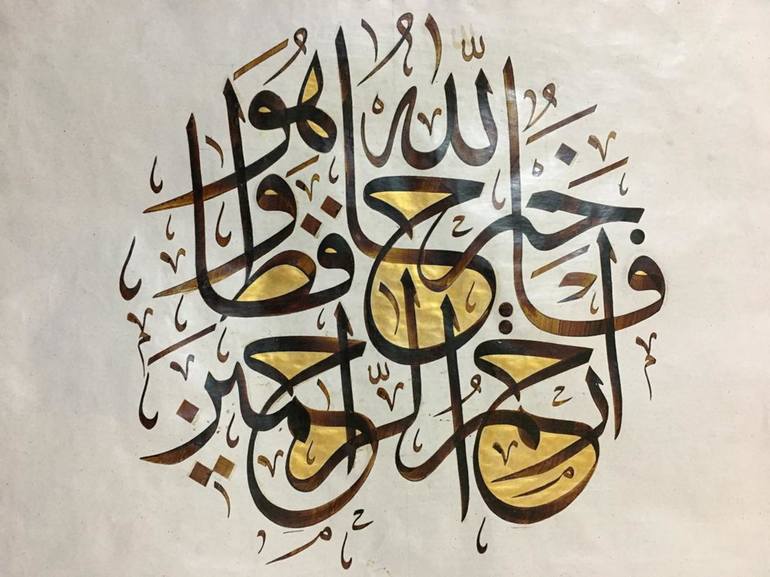
You may not know this about me: my first semester in college, I was enrolled in an Arabic class. I took Arabic out of pure intellectual curiosity, nothing more; at the time it wasn’t really part of any long-term plan of study or anything like that, it was just as far away as I could get from the languages I’d been offered in high school and it sounded neat. I lasted about three weeks, maybe; it turns out that despite being an excellent student, high school had not taught me to study, and as it happens mastering the Arabic alphabet, which not only has a handful of letters with no English equivalent but where each letter looks different depending on its position in the word– letters that start or end a word look different from letters in the middle, and the primary and final positions look different from each other as well– was more complicated than I could handle at the time. I would eventually fill my language requirement with Hebrew, which isn’t quite as complicated as Arabic, but that was the class that finally taught me to buckle down and study.
I have two big academic failures in my life: Arabic and calculus, and I still want to achieve at least a working knowledge of both before I die. I took calculus my senior year in high school but a bad case of senior burnout combined with a math teacher who was, inexplicably, one of the best math teachers I’d ever had for sophomore Geometry but was utterly unable to reach me for senior Calculus meant that as soon as I was admitted to IU and fulfilled all of my graduation requirements I dropped the class and took an independent study period of Spanish.
Stick a pin in that; we’re gonna take a left turn for a couple of paragraphs.
I’ve never particularly considered myself a weeb– a lifetime of aversion to any sort of Japanese animation not involving Hiyao Miyazaki will kind of nip that in the bud– and while it’s not entirely accurate it’s fair to suggest that the presence of a Japanese voice track on really any form of entertainment is an indicator that I may not be into it. That said, I’ve spent approximately six thousand hours since March playing Nioh and Nioh 2, both Japanese-with-English-subtitles and very loosely based on sixteenth-century Japanese history, and I have sunk a similarly obsessive amount of time into Ghost of Tsushima in the last couple of weeks, which is based on the (real) invasion of Tsushima island by the Mongols in 1274.
And god help me if this hasn’t woken up a previously-nonexistent desire to learn more about Japan.
I keep trying to find a decent English biography of Oda Nobunaga, who appears in both of the Nioh games, and I’m discovering, after spending half of my waking hours listening to people speaking Japanese for five months, a certain interest in learning to at least fumble my way through speaking Japanese. I’m not even sure where to start with that; there are apps and such, but anything reputable is way more money than I’m willing to invest. There are probably some reputable textbooks out there, but I haven’t taken the time to look for them yet.
Which, depending on whether this desire sticks around once I get past these few games, will add another complicated long-term intellectual goal to my list. I feel like I probably ought to get started on at least one of these at some point, right? Which one would you start with, at gunpoint if necessary? 🙂
Fifteen years ago (July 2001), Studio Ghibli and Hiyao Miyazaki released Spirited Away, an animated feature-length fantasy that would become one of the most successful Japanese films of all time, winning national and international awards and smashing box office records.
I watched the film for the first time as a double-feature. A dear friend had been absolutely insistent that I watch some of Miyazaki’s work, and so one rainy afternoon we decided to watch Howl’s Moving Castle (2004) and Spirited Away. (Would that all rainy afternoon plans were so pleasant.) Howl’s Moving Castle works as an adaptation of the Diana Wynne Jones book of the same title, but the story for Spirited Away was a wholly original one.
And it is captivating. The whole business is a bit surreal—maybe more than a bit, really. (It’s often compared to Alice’s Adventures in Wonderland; Lewis Carroll’s 1865 story and Miyazaki’s film can both be read as texts coming of age stories and suggest ambivalence about girlhood. Both stories were also inspired by real girls—Carroll’s text was written after he told the story to Alice Liddell, and Miyazaki has stated that his inspiration for Spirited Away was that he wanted to make a film for a young girl who was a family friend.)
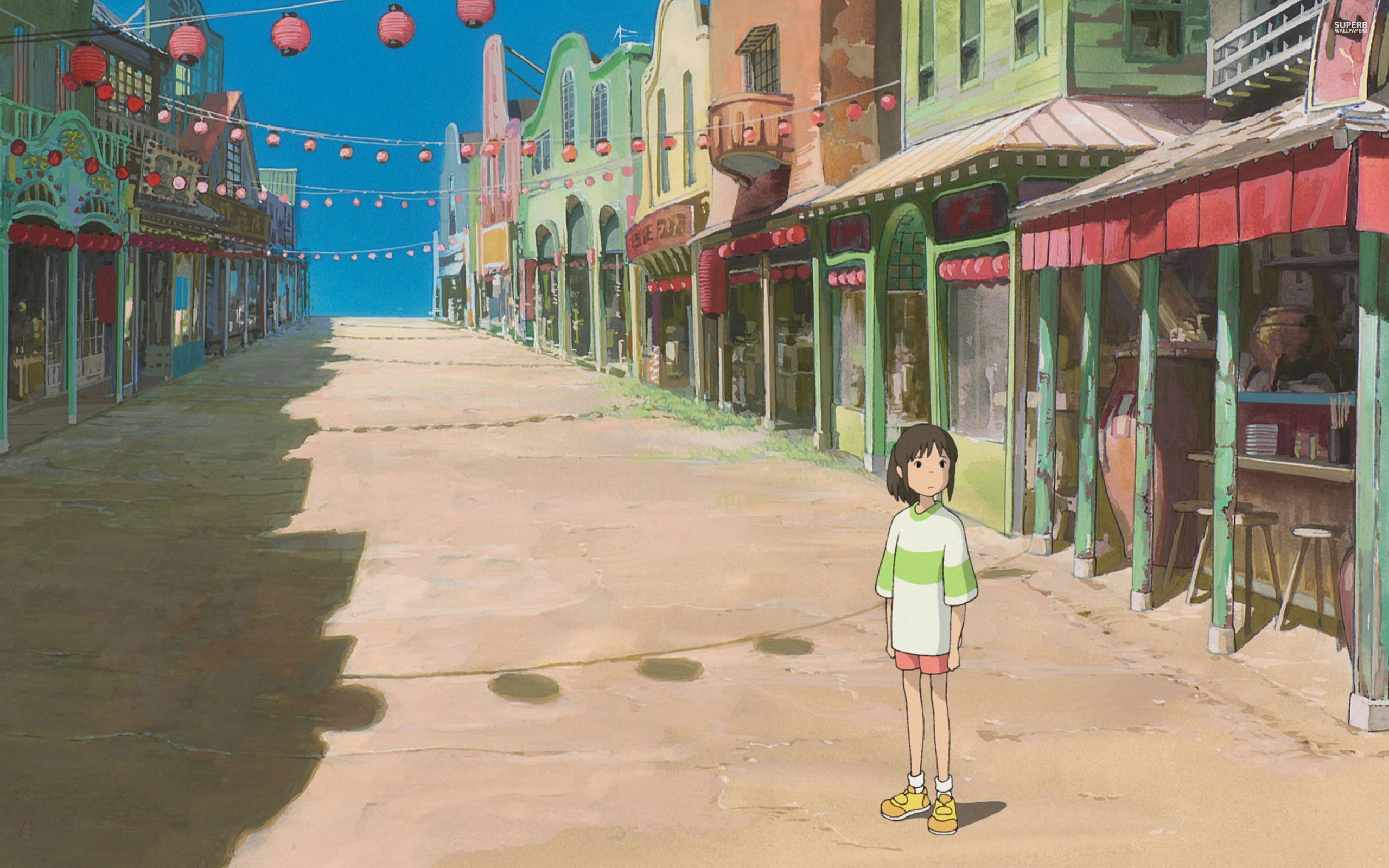
Ten year old Chihiro and her parents are moving to a new home when they take a wrong turn, arriving at what looks like an abandoned amusement park. Chihiro’s father wants to explore the place, so the two of them and Chihiro’s mother climb out of their car. The animation and setting here are fantastic. The dilapidated and broken amusement park is suggestive of so many things—rampant and broken consumer capitalism, the boundary between childhood and adulthood, the conflict between traditional Japanese culture and Westernization, etc.
All is not what it seems in this place, of course. Chihiro’s parents stop to eat, but Chihiro herself has gone another way, where she discovers an old Japanese-style bathhouse. She’s warned by a young boy named Haku that she is now in the spirit world, and must get out before sunset. But when Chihiro finds her parents again to hurry them out, she discovers that they’ve been changed into pigs and that her way home has been blocked.
And as night falls, all manner of spirits and creatures make their way to the bathhouse. Chihiro finds Haku again, who advises her to demand a job in the bathhouse from Kamaji, the boiler-man, so that she can stay. Kamaji apprentices Chihiro to Lin, another of the bathhouse employees, and she is taken to Yubaba—the mistress of the bathhouse. Unlike everyone else in the bathhouse, Yubaba dresses in Western clothing, and her rooms are furnished in European style. She is completely out of keeping with the traditional minimalism of the place, and her greed is part of what makes her such a formidable opponent for Chihiro.
Yubaba symbolically and literally strips Chihiro of her identity when she replaces her name with “Sen.” Later, Haku warns Chihiro against forgetting her old name. This, he says, his how Yubaba controls and keeps her servants.
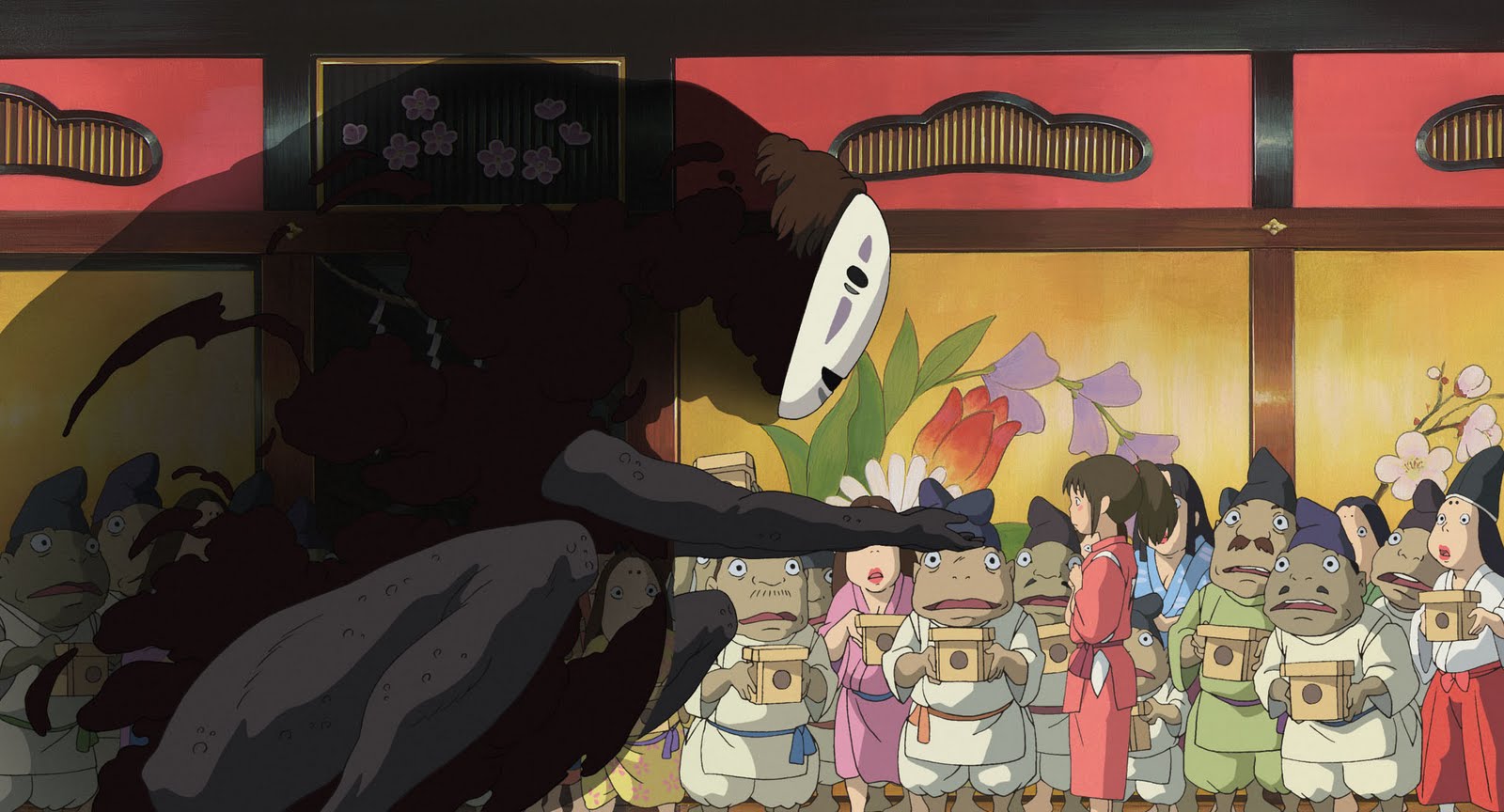
Chihiro then sets off to work in the bathhouse. The place is a maze of corruption and greed, and many of the other employees are rude to Chihiro because she is a human. At the bathhouse, she encounters a creature called No-Face, who wreaks havoc in the bathhouse when he starts giving out fools gold and then eating the other customers. No-Face grows larger and more monstrous as he consumes more of the customers, and only Chihiro can calm him. No-Face is eventually made to regurgitate the creatures he has eaten and leave the bathhouse.
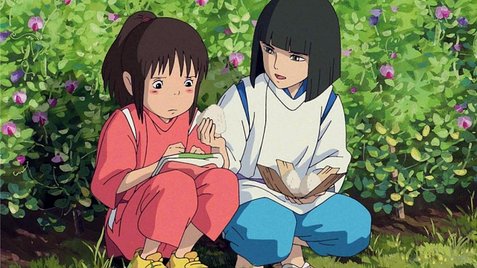
Chihiro also has to save Haku, who has been poisoned by a magic seal he stole from Yubaba’s twin sister, by going to Zeniba’s home and apologizing for him. For Haku’s part, he wakes to discover that Chihiro’s love was strong enough to break the curse, and he finds her at Zeniba’s home. On their return journey, Chihiro remembers who Haku actually is; he is the spirit of the Kohaku River, and he is free again once Chihiro names him. Haku’s story is not just a reminder how the power of names in this spirit world but of ways that pollution and the destruction of nature affects that spirit world, as the Kohaku River was lost to urban development.
Likewise, as Chihiro’s journey draws to a close, she must recognize her parents. Yubaba sets Chihiro in front of a drove of pigs and gives her the task of recognizing her parents in order to gain their freedom. Yubaba’s trick, though, is that she has left Chihiro’s parents elsewhere. But Chihiro susses this out rather quickly, so she is able to win her freedom. Haku leads her back to the entrance, where Chihiro’s parents are waiting for her but do not remember what has happened. Chihiro, of course, remembers all. She’s not confused by the dust and leaves covering their car or the other markers of time, because she recognizes what has happened.
And so, as is often the case in children’s fantasy literature, Chihiro returns to the real world at the story’s end. She comes home to her family. Her place. To live the rest of her life. But during her journey, she has had the chance for true agency—not being looked after by her parents in a situation with the direst of possible consequences. And that agency has changed Chihiro. Even if she has all along had the courage, smarts, and loyalty to take on a witch (or two) and save those she loved, it is only in the doing that she is able to recognize that.
And damn, I love to watch it happen.
***
Diana is a nerd, a bookworm, a feminist, and a social media junkie. She is a freelance writer and researcher and the administrator of the blog Part Time Monster. You can follow her on Twitter @parttimemonster or find her on Facebook at facebook.com/parttimemonster. She lives in New Orleans with her son, her husband, and one very energetic terrier.

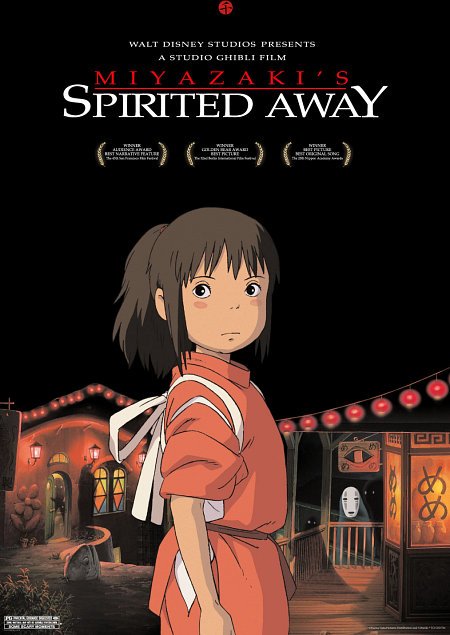 Fifteen years ago (July 2001), Studio Ghibli and Hiyao Miyazaki released
  Ten year old Chihiro and her parents are moving to a new home when they take a wrong turn, arriving at what looks like an abandoned amusement park. Chihiro’s father wants to explore the place, so the two of them and Chihiro’s mother climb out of their car. The animation and setting here are fantastic. The dilapidated and broken amusement park is suggestive of so many things—rampant and broken consumer capitalism, the boundary between childhood and adulthood, the conflict between traditional Japanese culture and Westernization, etc.
 And as night falls, all manner of spirits and creatures make their way to the bathhouse. Chihiro finds Haku again, who advises her to demand a job in the bathhouse from Kamaji, the boiler-man, so that she can stay. Kamaji apprentices Chihiro to Lin, another of the bathhouse employees, and she is taken to Yubaba—the mistress of the bathhouse. Unlike everyone else in the bathhouse, Yubaba dresses in Western clothing, and her rooms are furnished in European style. She is completely out of keeping with the traditional minimalism of the place, and her greed is part of what makes her such a formidable opponent for Chihiro.
 Chihiro then sets off to work in the bathhouse. The place is a maze of corruption and greed, and many of the other employees are rude to Chihiro because she is a human. At the bathhouse, she encounters a creature called No-Face, who wreaks havoc in the bathhouse when he starts giving out fools gold and then eating the other customers. No-Face grows larger and more monstrous as he consumes more of the customers, and only Chihiro can calm him. No-Face is eventually made to regurgitate the creatures he has eaten and leave the bathhouse.
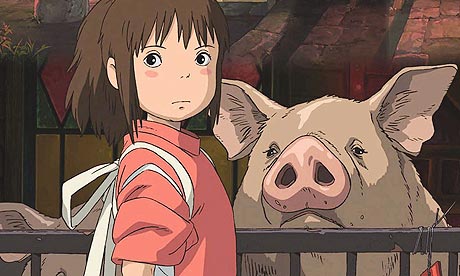 Likewise, as Chihiro’s journey draws to a close, she must recognize her parents. Yubaba sets Chihiro in front of a drove of pigs and gives her the task of recognizing her parents in order to gain their freedom. Yubaba’s trick, though, is that she has left Chihiro’s parents elsewhere. But Chihiro susses this out rather quickly, so she is able to win her freedom. Haku leads her back to the entrance, where Chihiro’s parents are waiting for her but do not remember what has happened. Chihiro, of course, remembers all. She’s not confused by the dust and leaves covering their car or the other markers of time, because she recognizes what has happened.
  Welcome to infinitefreetime dot com