Book of the Month is going to be Shannon Chakraborty’s The Adventures of Amina al-Sirafi, with The Fury of the Gods, In the Hour of Crows and The God and the Gumiho nipping at its heels.
And now the third review in a row of a book I got sent as a free ARC, thus discharging all of my current review obligations. I feel kind of bad about how long it took me to get to this; I didn’t get a release date when they sent me the book, and I put it on a sort of mental “find out when this is coming out” list, only to discover it had already been released when they sent it to me. So this is not timely; my apologies.
This is a hell of a concept for an anthology, really; the back cover describes it as “a hopeful, empowering science fiction anthology filled with own-voices stories from neurodivergent creators”– in other words, stories about neurodivergent people encountering aliens, written by people who are themselves neurodivergent but presumably have not encountered aliens. I find the word “neurodiversiverse” immensely fun to say, and while anthologies aren’t always my thing, there are certainly some gems to be found in here. Cat Rambo’s Scary Monsters, Super Creeps is about a young woman with an anxiety disorder who discovers it gives her superpowers, and Ada Hoffman’s Music, Not Words is about an autistic girl who is the first contact for an alien race.
Most of the authors in the collection are people I’m not familiar with, though; I sort of jumped around rather than reading the collection straight through (how do people usually read anthologies? Is that weird?) and Lauren D. Fulter’s The Cow Test is probably the standout of the rest of the anthology, for me at least. It involves cows. It’s a short story, I’m not spoiling the details. 🙂 There are art pieces and poetry as well. Some of the aspects of neurodivergence that get explored here are really interesting; Jody Lynn Nye’s A Hint of Color is about synesthesia, for example, and Keiko O’Leary’s Close Encounter In the Public Bathroom is the only poem I’ve ever read that combines being about OCD and aliens.
No, seriously, this anthology made me recommend a poem. That’s worth picking up, right?
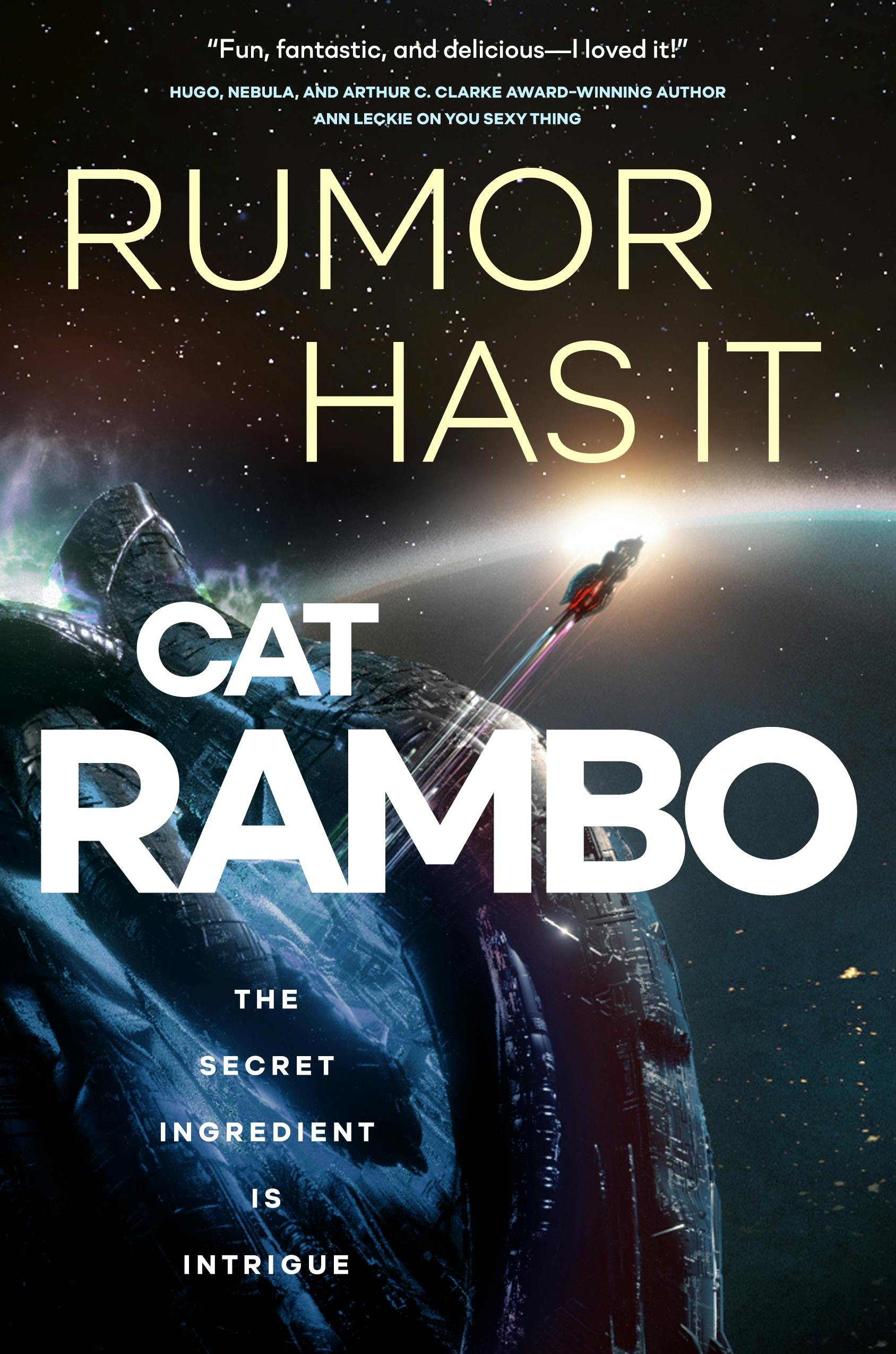
It’s possible that my review of this book is going to be slightly unfair.Rumor Has It is the third volume of Cat Rambo’s excellent Disco Space Opera series, which started with You Sexy Thing and continued with Devil’s Gun. It’s also the third volume that their publisher has been nice enough to send me an ARC of. Cat actually lives in South Bend, and they did a reading at my local Barnes and Noble last weekend, and unfortunately I didn’t find out about it until about an hour beforehand. I reviewed both of the first two books, and I’m a big fan of the series.
… which I thought was a trilogy, and I read the first 2/3 of Rumor Has It under that assumption, and only when I realized that there were not remotely enough pages left to wrap up the storyline did I Google around a bit and discover that nobody was calling it a trilogy. I currently have no idea how many books are planned in the series, as I can’t find that information anywhere; it’s possible that it’s meant to be open-ended. Ordinarily the idea that there was going to be more of something I liked is good news, but reading it with an ending in mind kinda screwed up my perception of the story. Also, while “the secret ingredient is intrigue” is a perfectly cromulent tagline for a book about a group of mercenaries turned interstellar restauranteurs, the secret ingredient is not intrigue. The secret ingredient is phone:
Every time and I mean every time I picked up the book, I heard Krieger’s voice in my head.
So here’s the thing: this book still has all of the strengths I talked about in my reviews of You Sexy Thing and Devil’s Gun. Rambo’s writing is punchy and funny, the characters are absolutely unforgettable, and the basic premise, elevator-pitched as Farscape meets The Great British Baking Show, is absolutely packed with flavor potential.
Unfortunately, it also has the weakness of the second book, which I referred to as “one of the most second-booky second books I’ve ever read.” The good bits are still good, but the overall story really isn’t advanced at all in Rumor Has It, and the book suffers from both being (remaining?) incomprehensible if you haven’t read the first two and it’s also quite wheel-spinny in a way that Devil’s Gun wasn’t. The characters spend the entire book at a single space station trying to drum up some money, and while that space station is cool, if you could have replaced the whole book with the ultra-rich owner of the intelligent bioship they’re riding around in simply cutting them a check, you have a bit of a problem. Some character arcs get advanced a bit, but what felt like the most important character storyline of the book ends up literally being nothing worth worrying about at the end. The big villain has now spent two entire books entirely offstage. I genuinely don’t even remember why they’re mad at him at this point.
(Okay, he sort of shows up. But not really, and going into further detail would be a spoiler, so I won’t do that.)
Anyway, what this leads to is that for the second book in a row I’m writing the phrase “It’s not a bad book, but …” about something I wanted to like more. Again, the strengths of the series are still here, and even if I don’t get sent an ARC I’m spending money on the fourth book. I’m invested, there’s no doubt about that, and it’s possible that had I realized that the series wasn’t coming to an end with this novel I’d have more positive feelings about it. But right now the entire book kind of feels like a subplot that went on for too long, and I’m really hoping the fourth book slaps the status quo around a little bit more. You Sexy Thing still retains my full-throated support, and you should pick this up if you’re into the series already, but know what you’re getting into before you start reading.
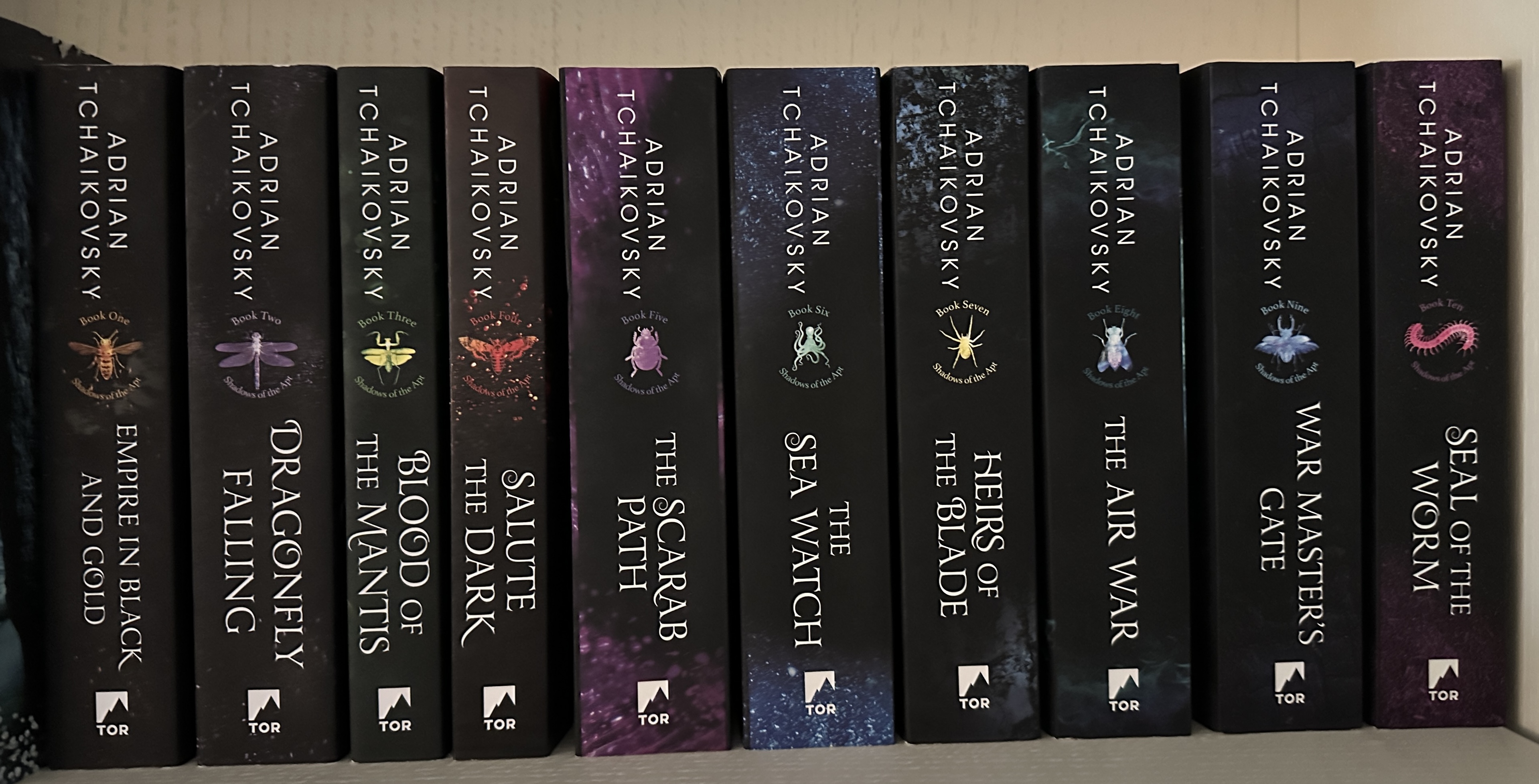
I am tempted, in writing about Adrian Tchaikovsky’s ten-book, 6000+ page, nearly two million word series Shadows of the Apt, to be terse: read it.
But, like, that’s kind of a big ask, y’know? The series is 1.924 million words long. As a comparison, the Wheel of Time series is 4.36 million words. A Song of Ice and Fire is currently at 1.749 million, with two imaginary books left to go. James S.A. Corey’s Expanse series is 1.493 million words. The entire length of this blog: 1.563 million words. The King James Bible is around 785,000, depending on how you count and who you ask.
Oh, and there are apparently four volumes of short stories outside the main story? I just found out they existed, finding out they existed made me want to die, and I don’t know how much they add.
It’s a lot. And what fascinates me is that Shadows of the Apt has got to be the least well-known of all the big fantasy megaseries. Tchaikovsky writes seventeen books a year (he has, no joke, released five new books since I’ve been reading this series. I mean it. I’m not kidding.) and I don’t feel like the guy gets nearly enough credit for being as amazing as he is. Shadows was written between —
— you may want to sit down, as this is ridiculous —
— 2008 and 2014. All of those books came out in six years, and I’d bet money that he released books unrelated to SotA during that time, plus, remember, those four extra books.
I do not know a single other person who has read this series, and I never see anyone talking about it. I can’t explain this.
I picked up Empire in Black and Gold in October, and I finished Seal of the Worm earlier this week, obviously with a lot of detours. The series breaks down rather nicely into a four-book series, Empire through Salute the Dark, and I took a decent-size break in between that and picking up The Scarab Path. Path and Sea Watch feel pretty stand-alone, as they do a Two Towers sort of thing and don’t share a lot of characters, and then the last four books go in a big gulp, but they follow pretty closely on the events of Path and Sea Watch.
I haven’t said a single word about the actual fuckin’ story yet.
Adrian Tchaikovsky likes bugs. Outside of John Irving he may be the most “Oh, there it is” author I’ve ever read. Every John Irving book is going to include weird sex, an amputation, a bear, a hotel, and wrestling. Adrian Tchaikovsky books without bugs are rare. And in Shadows of the Apt, every character is a bug. Every single one.
Well. Sorta. The human race is divided into something called kinden, and each kinden has the characteristics of a type of bug, which somehow sounds weirder than it is. They’re all still human, mind you, and kinden can interbreed, but there are Beetle-kinden and Wasp-kinden and Mantis-kinden and … let’s see, spiders, flies, bees, ants, moths, mosquitoes, scorpions (there’s a reason I said “bug” and not “insect”), dragonflies, woodlice, and, uh, Mole Crickets.
I admit it, I burst out laughing the first time a Mole Cricket-kinden showed up in the book. That’s not an exhaustive list by any means, especially since a handful of the kinden are spoilers, and I never got the feeling that Tchaikovsky had sat down and written out an exhaustive list that he was never going to break away from. I’m pretty sure there’s a stick bug kinden in there somewhere that only gets mentioned a handful of times, and there’s exactly one butterfly-kinden in the entire series. I think if he got an idea for a character with a new kinden, he just put them in and rolled with it.
oh my god I just googled mole cricket for the first time oh my god OH MY GODWHAT the FUCK
Anyway, most of the main characters are Beetles and Wasps, with a few significant Mantises and Spiders, but by the end of the series the list of characters is like eight pages long. Some kinden have, effectively, powers– Wasps have a sting that is basically a force blast they can shoot from their hands, several kinden can fly, and Ants are effectively a hive mind, and not all of them are completely human-shaped– Mole Crickets (brrrr) are ten feet tall, for example, and Mantis-kinden have some spiky bits that the rest don’t have. Some can see in the dark. Some can dig basically as fast as they can walk. You get the idea. There are cultural differences as well, although the series does take some pains to not be completely “orcs are like this, and elves are like that,” if you know what I mean. Spiders are gonna be Like That, but then he’ll throw a Spider at you that isn’t Like That, just to make sure you realize there’s diversity in the kinden.
So yeah, the first four books are the Wasps basically trying to take over the world. That war ends in book four. In the back six they basically consolidate what they lost in the first war and then try again, and the entire tenth book is a spoiler. The big problem with maxiseries like this is that there can be a lot of filler– I will never get tired of pointing out that the entire second book of The Wheel of Time could be a ten-page prologue to book three without losing anything– and it’s amazing how well this series keeps the plot moving. If anything, I felt like Book Ten could be broken into two books with another 300 pages and I’d have been fine with it, as some of the developments in that book feel like they come kind of out of left field. The flabbiest part of the series is The Sea Watch, which is the only book that’s remotely skippable, and even that one is stuffed full of tons of crazy cool ideas. It’s just that they don’t pay off sufficiently in subsequent books, which is part of why I feel like Seal of the Worm could be two books.
The different kinden are broken into two categories, the Apt and the Inapt. Apt kinden can use technology, and the work various groups of Apt artificers do over the course of the series to forge new ways to kill each other is genuinely impressive. Inapt kinden simply cannot use technology, and I’ll admit that figuring out what this exactly meant was one of my few complaints about the series. What is meant by that is that you can literally hand a crossbow, powered by a trigger, to an Inapt Mantis-kinden and they will be unable to figure out that pulling the trigger will shoot the thing. Most of the races that have major characters are Apt, and you don’t really get into the head of an Inapt character until really late, so it takes a while for it to sink in that Tchaikovsky really means it when he says at one point that if a door is opened by a button, an Inapt character will not be able to figure out how to open that door or understand how it works even if someone else shows them. Ultimately, this is a fantasy series, with swords and armor and such, but the artificers and the Apt kinden give a nice soupçon of science fiction to go with it.
(Yes, I wrote that sentence just so I could say soupçon.)
There is also magic, but … Christ, that’s a whole thing, and it’s practically a spoiler just to say that, but let’s say that the back part of the series is more about magic and the Apt vs the Inapt than the first part is, where that distinction is really in the background.
So much for being terse.
Please read this series. Come back in two years and let me know when you’re done. I need someone to talk to about it.
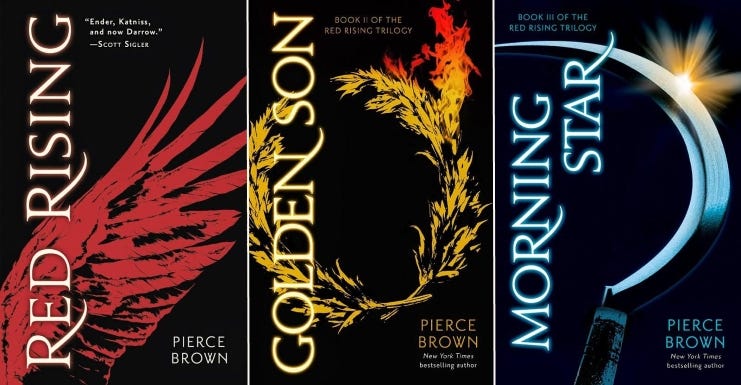
The big new plan for 2024 is to clear my reading backlog before I let myself buy any new books that aren’t part of a series that I already own. Red Rising has been sitting on my bookshelf for months, because it’s Part One of, currently, six, and the series is expected to conclude with a seventh book that has not yet been released. It was clearly originally planned as a trilogy; you can see on those covers that they refer to the “Red Rising Trilogy,” and subsequent books just declare themselves to be “A Red Rising Novel.”
I, uh, just read the entire first trilogy back-to-back-to-back over the course of a week? And it took me less than 24 hours to read the 520-page third book? I had heard from some people that you don’t really have any idea what you’re in for in the rest of the series from the first book, and while I enjoyed it, it didn’t blow me away, but man, Golden Son and especially Morning Star are fucking amazing, and Morning Star in particular moves at such a breakneck(*) pace and is so twisty-turny that I’m not even sure what to compare it with. I don’t want to do a full review right now, so I’m not going to get into the plot at all, but damn. The end of Morning Star is a great stopping point, so I’m going to let the series simmer for a little bit before jumping into books 4, 5, and 6, but if you’re familiar with these books and something was holding you back, go for it. If you need more detail, I’ll probably write in more depth once the series is done.
Anyway, that’s been my Saturday; I read the first half of Morning Star yesterday and then didn’t do much of anything today until I’d finished it. The wife and I are gonna watch John Wick 4 once the boy goes to bed, and in between now and then I can hear my PlayStation crying out for me to stop neglecting it. So it’s video game time, I think.
Y’all doing anything interesting this weekend? Tell me about it.
(*)No pun intended, for those of you who are familiar with the series.
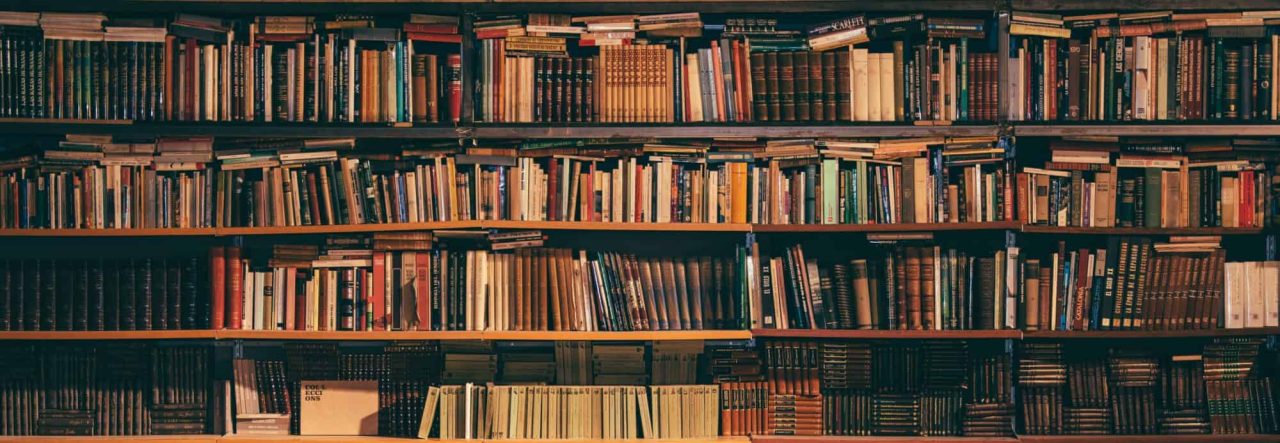
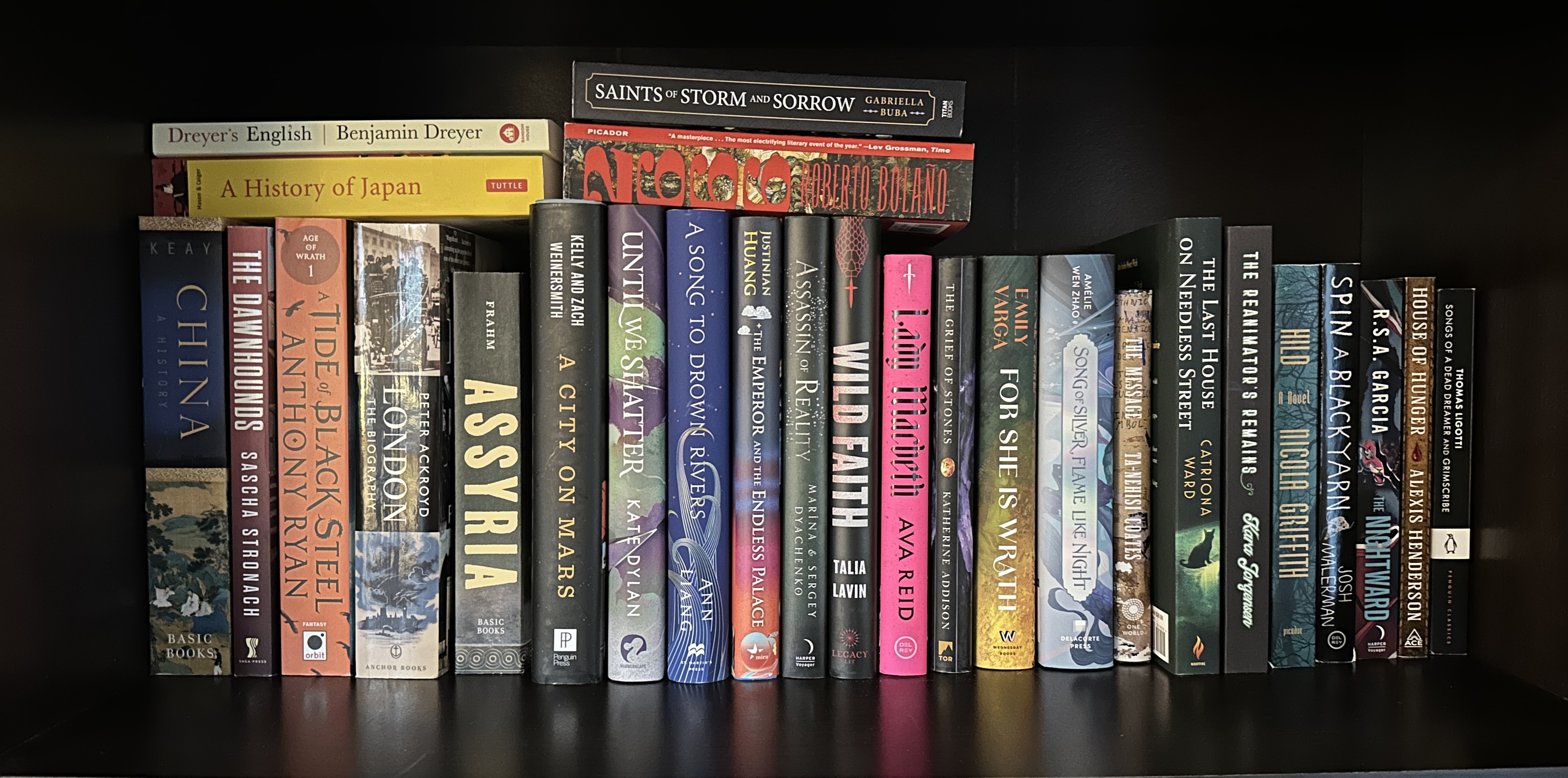
So I’ve got this new project going where I’m not allowed to buy any books in 2024 other than sequels to books I already own until I’ve cleared my Unread Shelf. The only exceptions are books I preordered in 2023; I’m also not allowed to preorder anything new until this is done. You may note that there are more books on this shelf than there were just seven days ago when I posted my December Unread Shelf; those are Christmas’ fault, as I got some cash and some gift cards and the Barnes & Noble box took forever to arrive.
Also, these aren’t my only unread books. I got into the terrible habit last year of ordering entire series at once if I was convinced in advance I’d enjoy them! There are other unread books that you don’t know about!
Let’s review the carnage here, shall we?
King: One book, no sequel. This is the next thing I’m going to read on account of Martin Luther King day being next week. Red Rising: Book One of, currently, six; the series is set for seven but that one’s not coming until 2025. Forged in Blood: Book One of two but the second is TBD. The Will of the Many: One of three, I think but the others aren’t out yet. The Bladed Faith: One of three, the third book comes out Tuesday so the series may as well be finished. A Touch of Light: One of two, both out. The Night and Its Moon: One of three, all out. Light from Uncommon Stars: Stand-alone, I think, and if I’m wrong don’t tell me. Exorcism: Two of three; third isn’t out yet. Silver Under Nightfall: Stand-alone. Nevernight: One of three, all out. Against the Loveless World: Stand-alone. Bookshelves & Bonedust: Prequel to Lattes & Legends; as far as I know, no more planned. Sword of Kaigen: Stand-alone. Mrs. Lincoln: Stand-alone. The Storm Beneath a Midnight Sun: Two of two, I think. The Adrian Tchaikovsky books: Volumes Five, Six and Seven of the completed ten-book Shadows of the Apt series. I don’t own the last three yet, but Volume 4 kicked the legs out from under the plot entirely so it was a good place to stop for a little bit. Sky’s End: Part of a series, I think, but the only one out. Ravensong: Part two of four, all of which are out. The Jasad Heir: Part of a series, but just one out. Kaikeyi: Stand-alone. The Thousand Deaths of Ardor Benn: One of three, all out.
But that’s not all! The following entire series are on the bookshelves in my living room:
The Books of Babel, by Josiah Bancroft. Finished Book 3 of 4 yesterday, will probably finish book 4 by Wednesday. Of Blood and Bone, by John Gwynne. Trilogy. The FarseerTrilogy, by Robin Hobb. Trilogy, but the first trilogy in a cycle of something like sixteen books that I hope to temporarily ignore the existence of.
And if I’m really feeling nuts, I can go back to:
The Stormlight Archive, by Brandon Sanderson, which I have the first four books of but never bothered reading the fourth; The Malazan Book of the Fallen by Steven Erikson; I bought the first three books in a fit of optimism and got halfway through the first one before bailing; and The Fucking Wheel of Fucking Time which I am never ever finishing fuck these books.
That is, ignoring the last section, fifty-one books that I need to read before I can buy more. It is always possible that I’ll decide to bail on some of them (a lot of these are book ones from authors I don’t know anything about) but that’s still a shitton of books.
A confession: I am, for no clear reason, less enthusiastic about writing this post than I usually am. I’ve done this every year that this blog has been in operation, and it’s a post that I look forward to all year long. For most of this year, that has been true! And right now I’m looking at a mostly-blank screen and God, I’m so tired.
The really weird thing: the quality of these books, and my enthusiasm for them, is as high as it usually is and frankly the differential between book #1 and book #11 is lower than it has ever been; most of these books could have been top three, at least, in any other year, and more than ever this is a “don’t pay too much attention to the specific rankings” type of year. I went to 11 this year because I couldn’t leave either of those two books off of the list, and as always there’s an Honorable Mention at the end.
Also, as always, that asterisk up there means “new to me,” a lot of these books did come out in 2023 but not all of them and coming out this year was not a criteria for making the list.
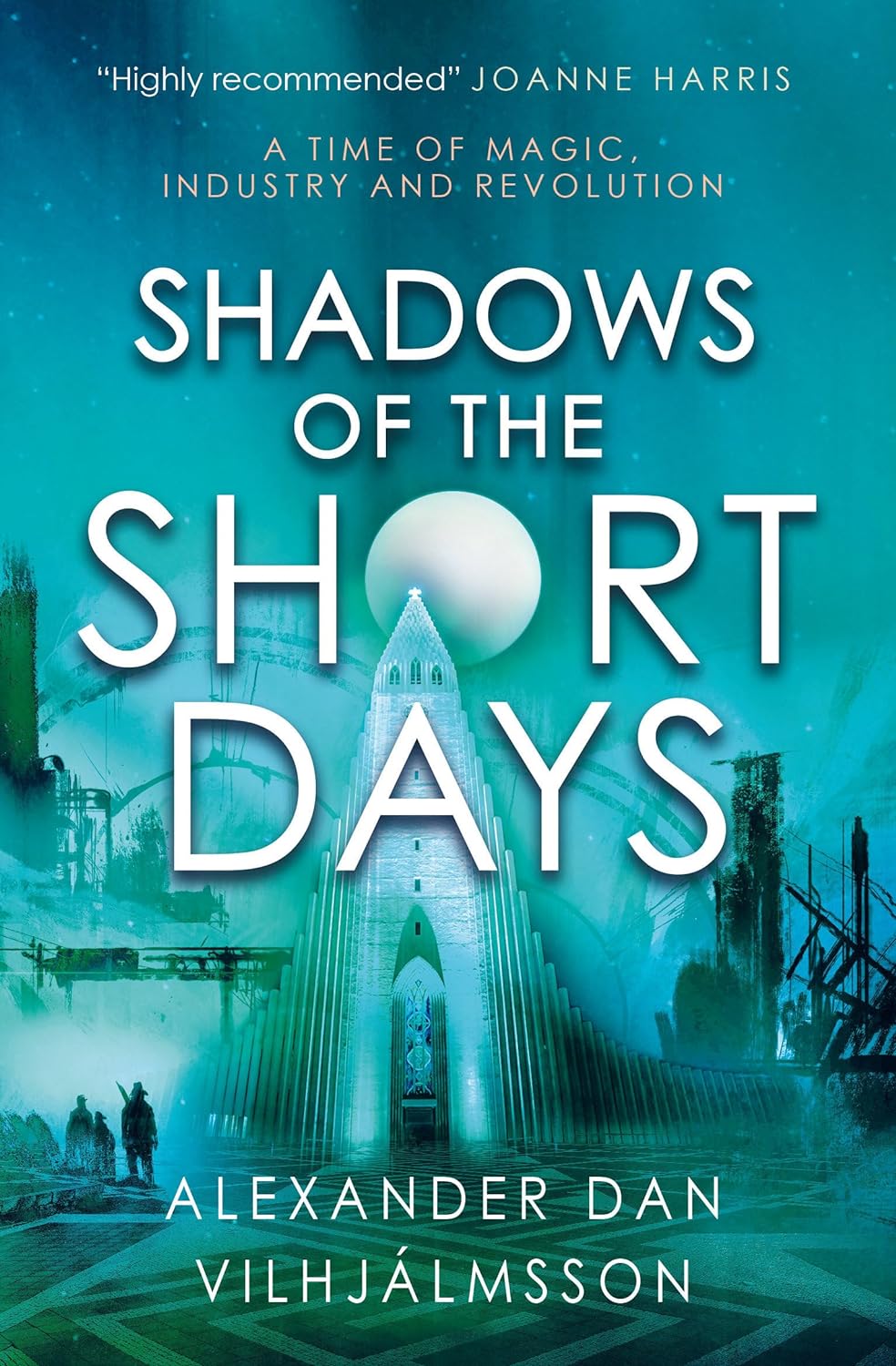
11. Shadows of the Short Days, by Alexander Dan Vilhjálmsson. You’re going to see a little bit of a theme with several of these books, which is spectacular worldbuilding and really cool magic set in places and/or times that I typically don’t see people using for fantasy books. In this case, Shadows of the Short Days is set in Iceland– Reykjavik, specifically– but not remotely an Iceland that matches the real world’s. The book sets you up nicely with a six-page glossary of terms that you cannot pronounce with letters you’ve never seen before, and it is not going to be nice to you with the vocabulary, but the end result– a dark urban fantasy with sorcerers and fascist governments and what looks like a bog-standard “brilliant wizard gets kicked out of school because he’s reckless” subplot that upends itself when the scholarly authorities turn out to have been one hundred percent correct— is just an absolute joy to read. This has a sequel sitting on my TBR shelf right now but I think it’s one of those sequels set in the same world but with unrelated characters; one way or another Shadows stands on its own very well. There are 11 books on this list because it came down to this book and the next one and I couldn’t leave either of them off.
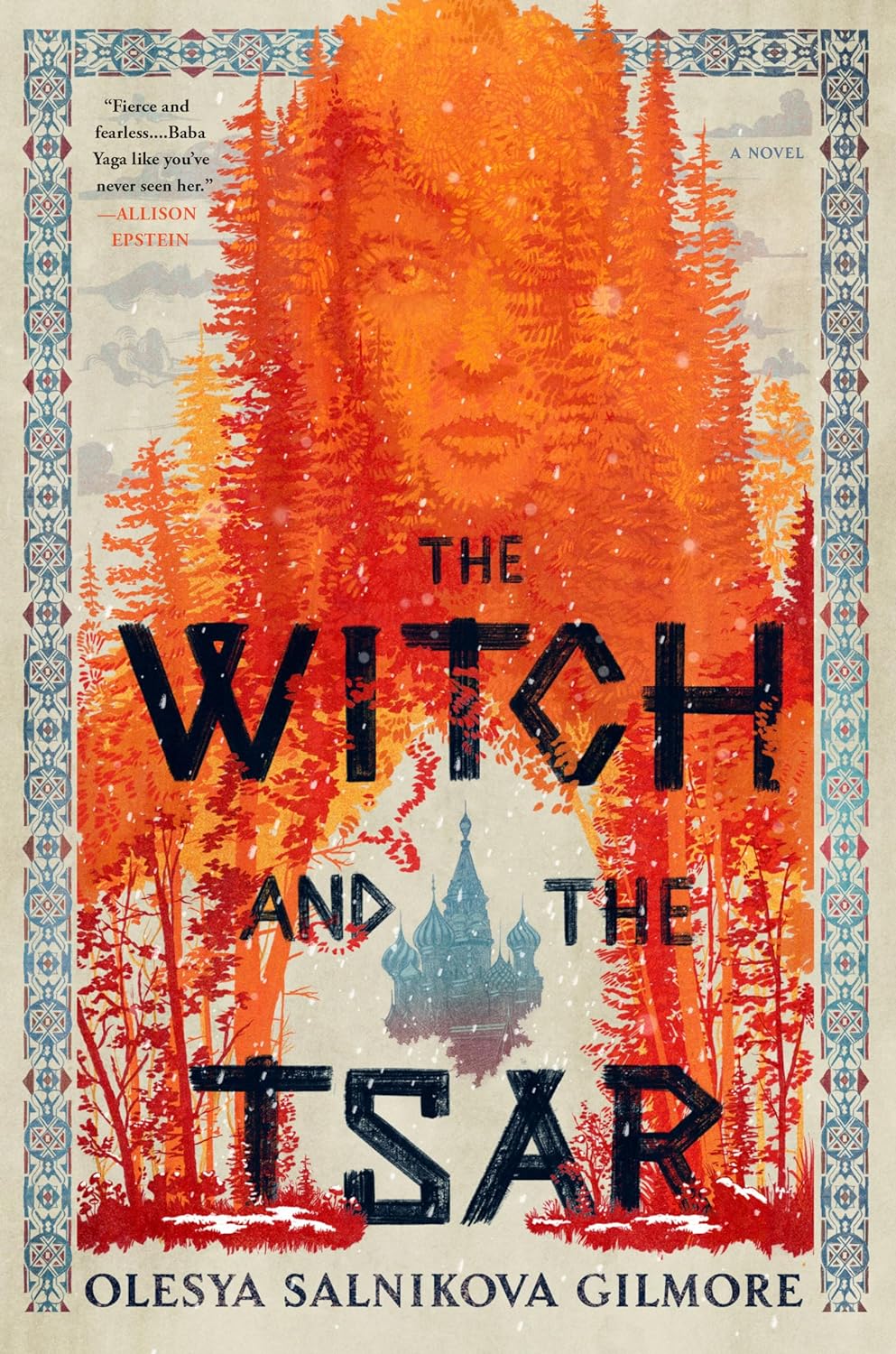
10. The Witch and the Tsar, by Olesya Salnikova Gilmore. Here’s another mini-theme: books that are sort of historical fiction, or at least feel that way, but aren’t. Also, books where I have to double- and triple-check the spelling of the author’s name. In this case, the titular witch is Baba Yaga, and the tsar is Ivan the Terrible. This can’t be historical fiction, because Baba Yaga rather inconveniently isn’t real, but it does its damnedest to feel like it; there’s a lot of Madeline Miller’s DNA in here, if that comparison helps any. At any rate, the book is from Baba Yaga’s perspective, but there’s a lot of real or at least real-feeling Russian history in here, and Russia during the sixteenth century is something I’m happy to read about to begin with, and once you throw in magic and the slow waning of Russian pagan gods in favor of Christianity (and, oh, those pagan gods are real, and they’re pissed) it ends up becoming a really interesting story. It does sort of fill the same niche as Shadows of the Short Days, but again, I just couldn’t convince myself it was okay to leave either of them off of the list.
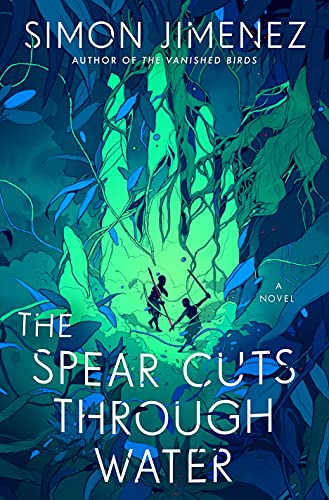
9. The Spear Cuts Through Water, by Simon Jimenez. Did I mention pagan gods? Well, okay, maybe not pagan, because this is a second-world fantasy and Christianity isn’t a thing, but this is probably the weirdest book on the list, and I absolutely mean that as a compliment. I didn’t mean pagan, I meant edible. Sorry about that.
What?
No, seriously, there are multiple places in this book where gods are eaten, and the book veers between first person, third person, and second person narrative, and apparently it’s all a play? Until it’s not? And the story is at least outwardly about a pair of warriors escorting the body of a goddess to her final burial place while alternately dodging and defeating her sons, who are known as the Three Terrors, only I’m pretty sure it’s about a few dozen things the than that. It’s inventive as hell and I loved it, and the interesting thing about it is you twist it a little bit and I’m talking about my least favorite book of the year, because this book makes a lot of choices that most of the time will kill my interest in reading something, but man, this was amazing.
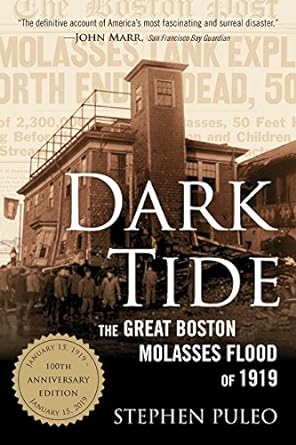
8. Dark Tide: The Great Boston Molasses Flood of 1919, by Stephen Puleo. There’s always a couple of nonfiction pieces on the list, and this is the first of two and a half (you’ll see when I get there) and I think perhaps the most broadly interesting of the three, if not specifically the most interesting to me. I only learned that Boston had had a molasses flood this year, and ordered this book within about ten minutes of making that discovery, because how can you not want to know more about that? It can be very tricky to write a micro-history like this of a very specific event, because if you just write about the event the book is ten pages long, and it’s really important to pick starting and ending points that make sense and stay interesting to the reader. This book does an exceptional job of that, and ends up being a history not only of the flood itself but of capitalism and manufacturing in New England, as well as being a half-decent courtroom drama as well. It also managed to add a brand new way that I really don’t want to die to what was already a long list; there are probably less pleasant ways to die than drowning in a literal tidal wave of molasses, but I could do without the bit where once the flood is over it hardens and everyone has to be literally chipped out of the sea of frozen sugar left behind. No thank you. Read the book, though.
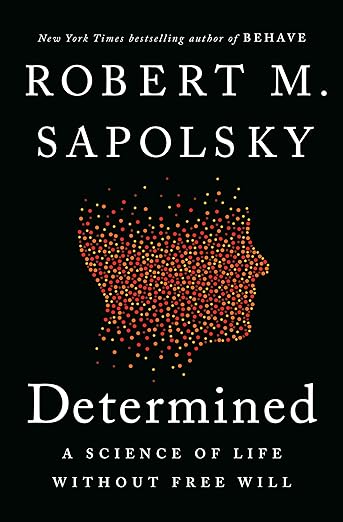
7. Determined: A Science of Life Without Free Will, by Robert M. Sapolsky. I said when I first wrote about this book that I really wanted someone else I knew to read it so that I would. have someone to discuss it with, and thus far, unfortunately, that hasn’t happened yet, although I convinced one friend to pick it up and bought it for my brother as a Christmas present, so hopefully it’ll happen soon enough.
At any rate: Sapolsky is a neuroscientist, or maybe a neurobiologist, or maybe both; I have to admit I’m not a hundred percent clear on the distinction between the two, and he’s convinced there is no such thing as free will. Entertainingly, he’s not happy about this conclusion, and his hangdog insistence that everyone is going to hate him for the arguments he’s making echo through every page of this book, which wouldn’t be half as much fun to read were it not for Sapolsky’s sense of humor. Now, I am no kind of neuro-anything, and have no especially relevant expertise to this book, so all I can say is that I read the first half without ever going “Wait, what about …” at any point and without spotting anything that felt like an obvious hole in his reasoning, and he’s exceptionally talented at making complex scientific concepts feel understandable. The second half of the book, about the societal implications of free will’s nonexistence, are not as airtight but that’s why I want to talk to somebody about the book. Please go read it and get back to me?
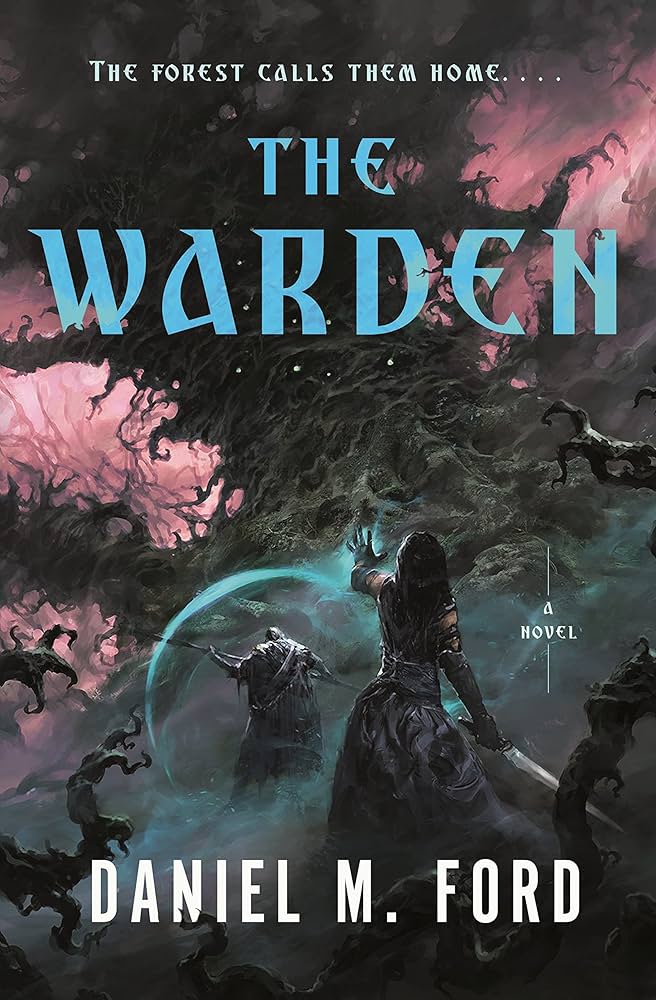
6. The Warden, by Daniel M. Ford. I always feel the need whenever I talk about Dan’s books to mention that I know him in the sort of parasocial “he let me into his Discord and knows my real name but we’ve never met” way that the Internet allows, but it’s also fair to point out that this is the sixth of his books that I’ve read and the first time one of them has shown up on my end-of-year list.
One way or another, though, The Warden is delightful, one of only two books on this list I’d apply that word to, and it is strongest in its worldbuilding and its characters. Aelis de Lenti, the titular Warden, is an absolute slam dunk of a character and one of the best arrogant assholes I’ve encountered in print in a long time. A Warden is a sort of combination of a cop, a governor, and an ombudsman, and Aelis graduates fresh from her training and gets more or less banished to a little village in the middle of nowhere with a crumbling tower to live in and a very persistent goat as a roommate. The book has a very old-school D&D feel to it without feeling like an adaptation of someone’s campaign, and there are at least two more in the series coming. I will also say that if you’re going to read one book from this list, I actually want you to pick this one up, as Tor kinda fumbled the rollout of the book and I feel like it needs more attention. Another reviewer called it “the most underrated book of the year,” and I really feel like it deserves a look.
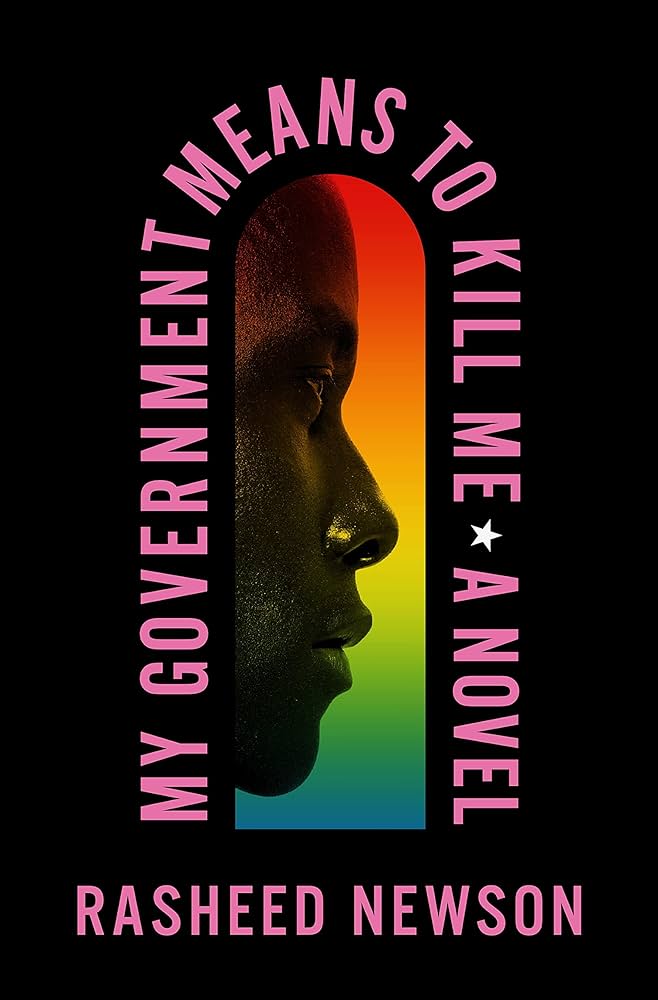
5. My Government Means to Kill Me, by Rasheed Newson. Another book from the “sorta historical fiction, I guess,” genre, Government has the words “a novel” right there on the cover in big letters and I still had to look into the author to confirm that he wasn’t old enough to have lived through the AIDS epidemic in New York in the 1980s. I get into more details in my initial write-up for the book, but this really feels like a personal memoir, and the inclusion of a number of actual historical figures as characters does nothing at all to diminish that feeling. The main character, Trey, moves to New York from Indiana and more or less immerses himself in gay bathhouse culture for the first half of the book, doing what he can to get by from day to day and filling his nights with anonymous sex, and then the epidemic hits and he begins working in an unlicensed AIDS hospice, caring for men who have fallen victim to the disease. It’s a hard book to read on a lot of levels, and there are trigger warnings galore for it, but it feels important in a way that a lot of other books I read this year didn’t, and Newson is an author I’m going to be keeping a close eye on in the future. Honestly, this book is perhaps the best example of “don’t let the rankings matter too much,” as it and basically everything that comes afterward could easily have been #1 on a different day. I’d particularly recommend it if you’re in your mid- to late forties or older and remember at least some of what was going on during that time.
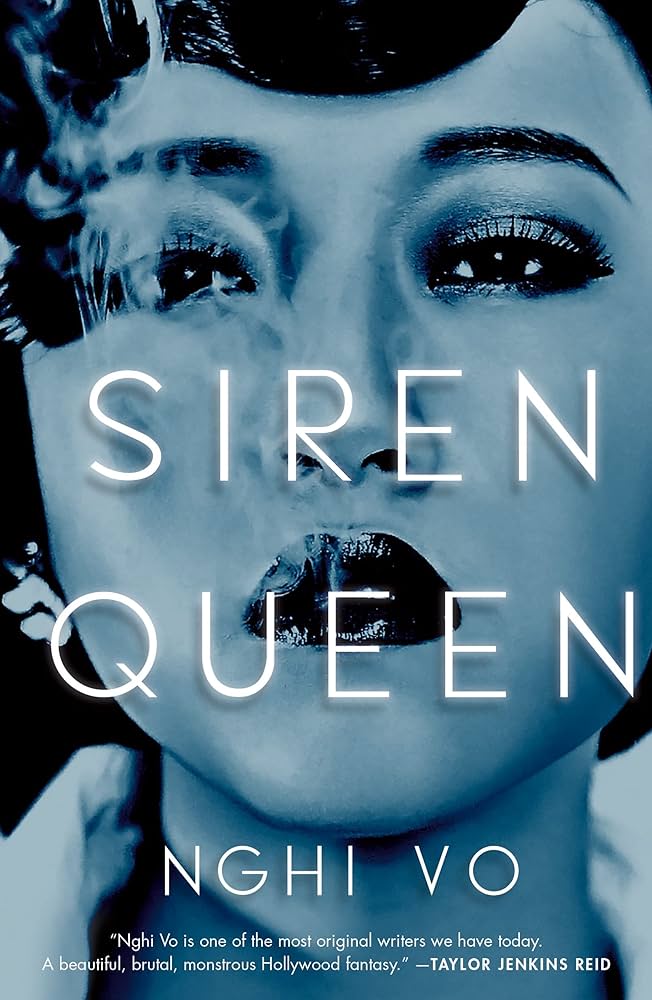
4. Siren Queen, by Nghi Vo. Third of the “Historical fiction, but …” genre, this is the second year in a row that a book by Nghi Vo has made the top 10, and in a lot of ways Siren Queen feels like it could be a loose sequel to The Chosen and the Beautiful. It’s set in the Golden Age of Hollywood, during the transition between silent films and “talkies,” and the main character is a Chinese-American actress named Luli Wei, who is willing to do nearly anything in order to break into acting, and this is a book where selling your soul for fame and fortune is literal. Much like The Chosen and the Beautiful, Siren Queen puts you into a world absolutely pregnant with magic without going to any real lengths to explain any of it– at one point in Wei’s youth a ticket-teller lets her and her sister in to a movie without paying for tickets in exchange for an inch of her hair, and the book gives you nothing to help you figure out why that might be important– and, again, much like TC&TB, the big selling point of this book is Vo’s incredibly atmospheric and immersive writing. She can do a million of these books and I’ll read all of them. I loved it.
This is where it got really, really hard to rank the books, by the way, and if you want to just call all three of them #1, I won’t bet mad about it.
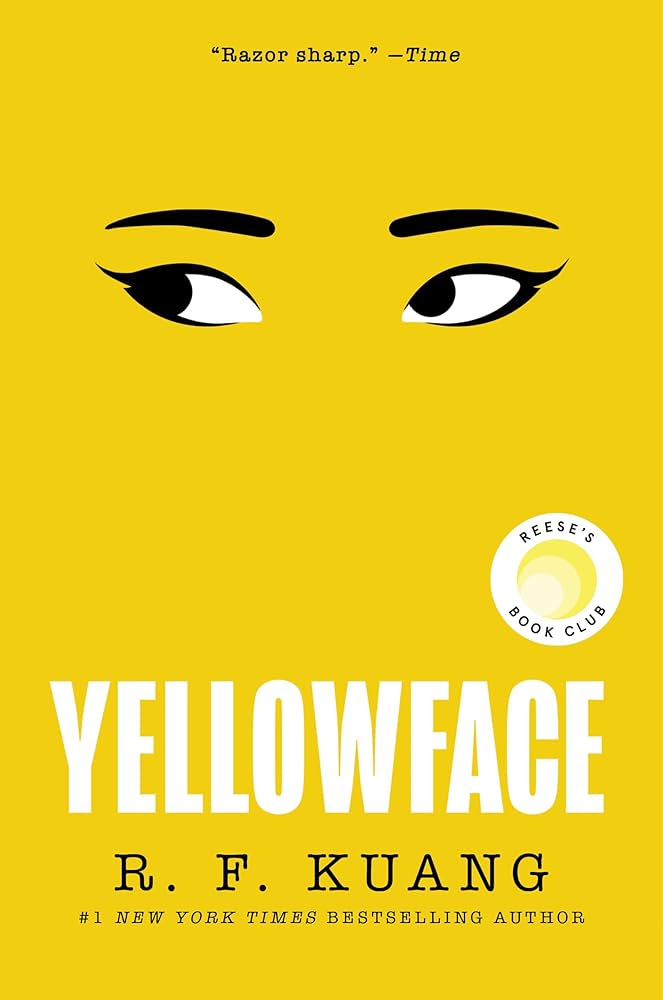
3. Yellowface, by R.F. Kuang. Speaking of selling your soul to the devil, R.F. Kuang has now written five books across three very different genres, all five of which were absolutely fucking spectacular, and she is somehow still only eight years old. Yellowface might be my least favorite of her books and it’s the third-best book I read this year! How the fuck is that even possible? I don’t know. She’s clearly a deity of some sort, and as soon as I finish this post I’m going to start working on getting the cult started.
At any rate, after writing a three-book fantasy reimagining of the war between China and Japan and a work of dark academia set at Oxford, Kuang has now written a brutal work of satire about the publishing industry, set in the modern world, with not a trace of magic or fantasy to be found, because that’s fair and one author should definitely be talented enough to be magnificently fucking good at all three of those things. It’s about a white woman who literally steals a manuscript from a dead friend and publishes it under her own name to immense acclaim and success, and even as someone who doesn’t really have a dog in this particular fight I was wincing at some of the events in this book. It’s so, so good, and Kuang is so, so good, and the notion that she’s still in her 20s and has decades of work still to come actually gives me a little bit of hope for the future.
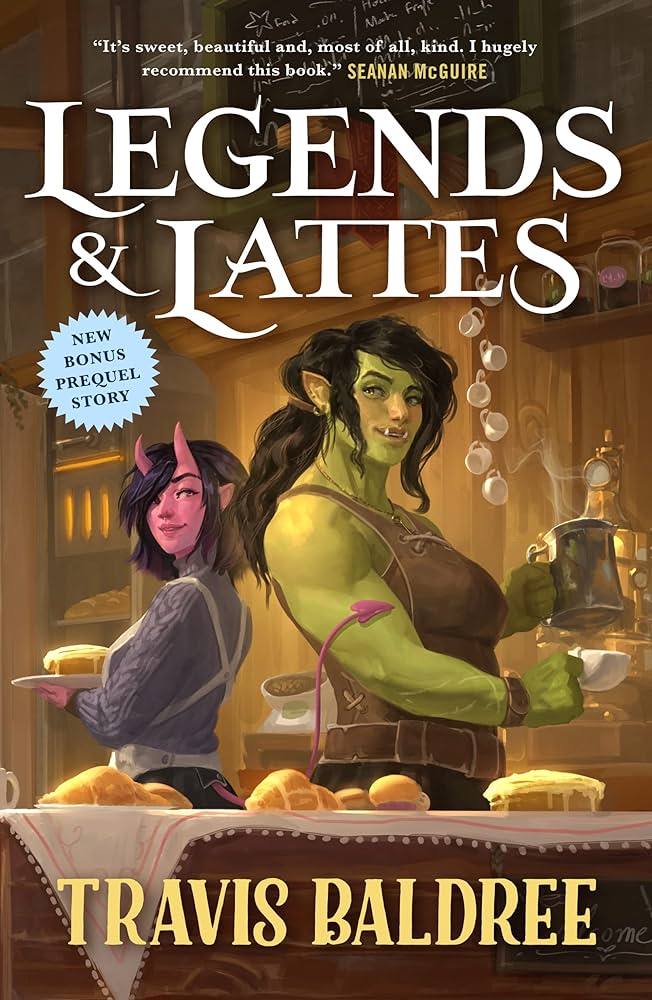
2. Legends & Lattes, by Travis Baldree. Okay, I’ll be honest: on a technical level and even on a lot of non technical levels, Legends & Lattes isn’t necessarily as good as a lot of the other books on this list, particularly after the amount of praise I just directed toward Yellowface. But for a large chunk of the year I was thinking of this as the best book I’ve read all year, or at the very least my favorite book of the year, and the reason for that is how I felt while I was reading this. Remember a thousand words ago when I said that The Warden was one of two books I’d apply the word “delightful” to on this list? This is the other one. This book is delightful. It delights. And if you’re reading that and thinking “Didn’t he say that about TJ Klune at some point?” you’re right, and yes, I mean it as that high level of praise.
Legends & Lattes is about an orc named Viv who puts down her sword and opens up a coffee shop. She hires a succubus as her barista and some sort of nonverbal rat-thing bakes scones and cinnamon rolls for her. And I loved it. The sequel is on my shelf right now and I haven’t read it yet because it’s set before Viv opened the shop and I’m not sure I’m nearly as interested in her as an adventurer. I want more of the coffee shop. I will read about Viv and Tandri making delicious coffee and being quietly and happily in love for a hundred years, and I will love every second of it. I mean, stuff happens, there’s some conflict, it gets resolved, blah blah blah. This book’s strength is in evoking emotion, and it does so magnificently, and I loved it.
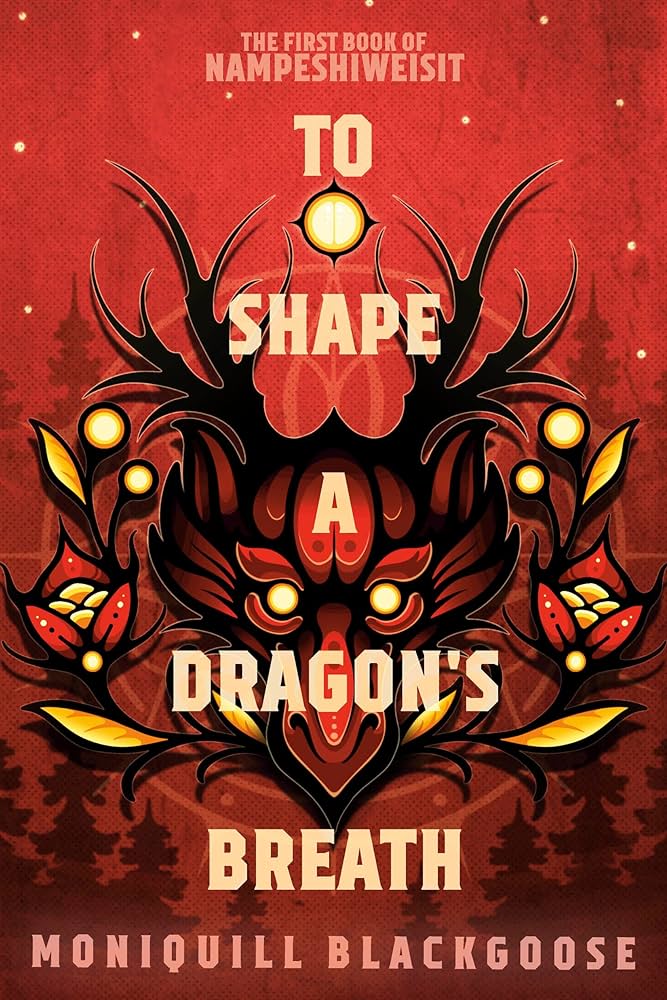
1. To Shape a Dragon’s Breath, by Moniquill Blackgoose. I really wasn’t sure, when I wrote my initial review of this book, if it was going to hold up against the initial high I was on after I read it. I used the phrase “book-drunk” in the review, and I’ll stand by that; this book is intoxicating in the best way and it is the best book I read this year. It also fits into a few of the sub-themes I had going on this list; it feels like historical fiction, as it’s set in Canada during the … 1700s, I’ll say? Colonial era? Only the English are the Ainglish, and while it doesn’t get into a ton of detail that I hope is coming later in the series, because I love nothing more than I love thorough worldbuilding, but it feels like the real world, only the Norsemen took over the world instead of the English, and also there are dragons. And dragon school. The main character is Anequs, a young First Nations girl who more-or-less accidentally bonds herself to a dragon egg early in the book, and then gets swept off to an Ainglish dragon school to legitimize her connection to her dragon in the eyes of the government.
Did you read Fourth Wing and Iron Flame? I did, and I liked them both. In a lot of ways To Shape a Dragon’s Breath is a very similar book to both of those, and if you read and liked them you absolutely need to read this book, as it’s better in nearly every imaginable way, from the characters (I compared Anequs to Rey Skywalker, and now that I’m thinking about it she has a lot of Aelis in her as well) to the nature of the school to the actual writing itself. Oh, and there’s chemistry. No, not between the main characters– actual chemistry, only magic-tinged, and at the end of the book the author manages to connect magic and chemistry and dancing in a way that is absolutely inventive as hell and when does the sequel come out again because I want it right now.
This was a great year for reading, and To Shape a Dragon’s Breath is the best book I read this year. Go buy it.
HONORABLE MENTION, in NO PARTICULAR ORDER: Ocean’s Echo by Everina Maxwell, Hell Followed With Them by Andrew Joseph White, Gender Queer by Maia Kobabe, Untethered Sky by Fonda Lee, The Daughters of Izdihar by Hadeer Elsbai, In the Lives of Puppets by TJ Klune, Into the Light by Mark Oshiro, the entire The Faithful and the Fallen series by John Gwynne, Cage of Souls by Adrian Tchaikovsky, The Dead Take The A Train by Cassandra Khaw and Richard Kadrey, and Black River Orchard by Chuck Wendig.
WHAT THE FUCK WAS THAT AWARD: Hospital, by Han Song.



 Welcome to infinitefreetime dot com