
Thanksgiving was nice and peaceful, pretty much exactly the way we all wanted it, and rather than a big meal with a giant turkey we just made a ton of side dishes. Fried pickles and queso and mini cheesecakes and meatballs and a bunch of other shit that probably really doesn’t go together but we did it anyway. A small part of me misses mashed potatoes and stuffing and this corn casserole that is a family dish on my wife’s side of the family, but fuck it; Christmas is three weeks away.
Anyway, I’ve Consumed some Media, to use a deeply odious phrase, so let’s talk about it.
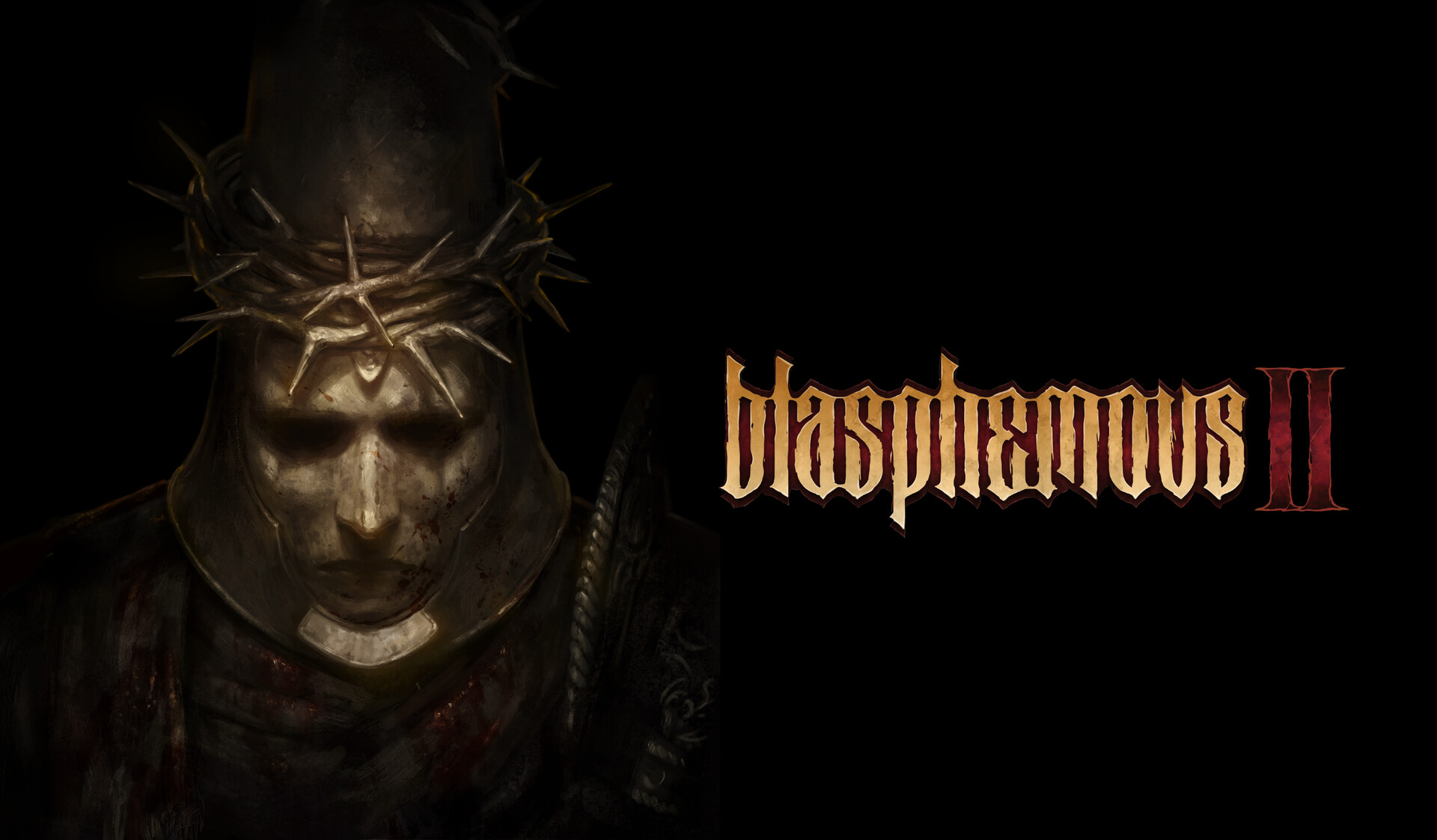
I finally finished Blasphemous II the other day, and other than an enormous and highly annoying difficulty spike on the penultimate boss, I’m a big fan. I turned my YouTube channel back on the other day so if you want to see what the original game was like, feel free (I don’t plan on going back to regular recording, but I wanted to watch some of my videos, so I had to turn the channel back on) but the basic idea is this: Blasphemous II is an outstanding Metroidvania with a deeply weird, pseudo-Catholic skin laid over it, only, like, insanely creepy Spanish occult Catholicism. It’s really something, and I’d love to pick the brains of the people who wrote it because I want to know what they’re like. The sequel smooths out some of the rough edges of the original, removing some bits of nonsense like instadeath from touching spikes and adding some weapon choice, and again, other than that difficulty spike, which nearly led to me putting the game down until I remembered I don’t take shit from video games, I really really enjoyed it.
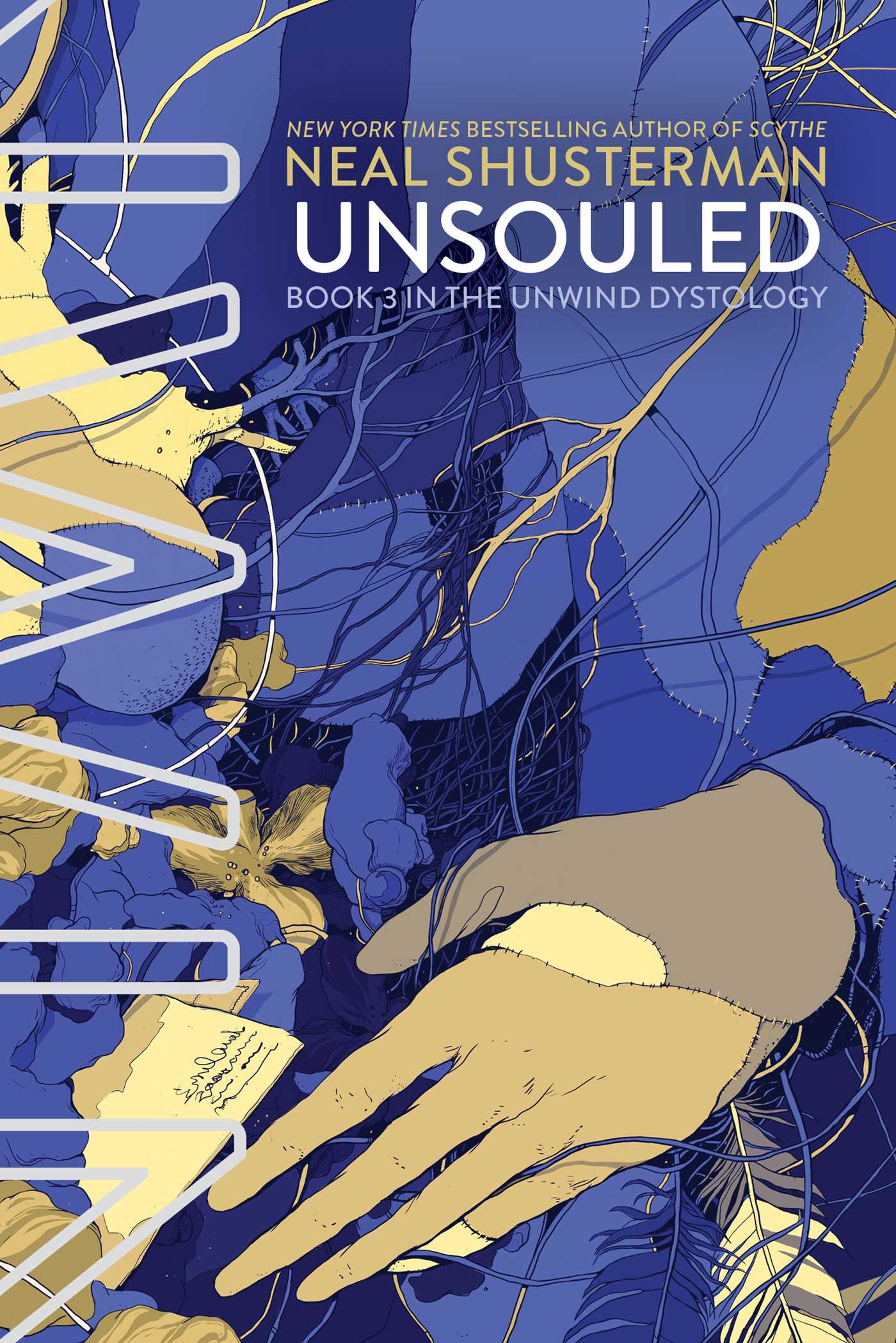
I know about Neal Shusterman’s Unwind “dystology,” (fuck you, it’s a trilogy that got dragged out to four books because one of them ended up longer than the author wanted) because my students are reading the first book. They really enjoyed it last year and I resolved to read it at some point or another, and then I found a really good deal on the entire set (four books plus a fifth that is apparently a short story collection, by other authors?) and picked it up. There may very well be a full post coming from the series once I’m done with it, but I wanted to complain about something very specific and very weird about the third book: the main characters spend a fair amount of time hiding from the authorities on what is more or less a Native American reservation, only the weird thing is that the book treats all the characters and situations taking place at the res as people we should remember and events we should know.
I was convinced this place had never been mentioned before. I am open about the fact that my recall between books isn’t great; this is a YA book, so I don’t really get to blame my reading comprehension … but this was a lot, and I didn’t remember any of it. So I actually took the step of going back through the first two books today and looking for any mention of this place. And do you know what happened? The first book literally passes over it, saying “this character had some adventures, and we’re not going to talk about them,” and no, that’s not a joke, and I remember noticing it and raising an eyebrow on my first read, and the second book mentions that this one character did some stuff on a reservation during happy adventure time. And that’s it.
It’s obviously possible that the short story book fills us in, or that it’ll happen as a flashback later on or some shit, but this was a really bullshit move. Questioning myself over whether I’d read anything about this place and these characters before seriously affected my enjoyment of the book, and the whole thing was either a deeply bullshit move (if it’s a short story published somewhere else) or a seriously bad authorial decision if it isn’t.
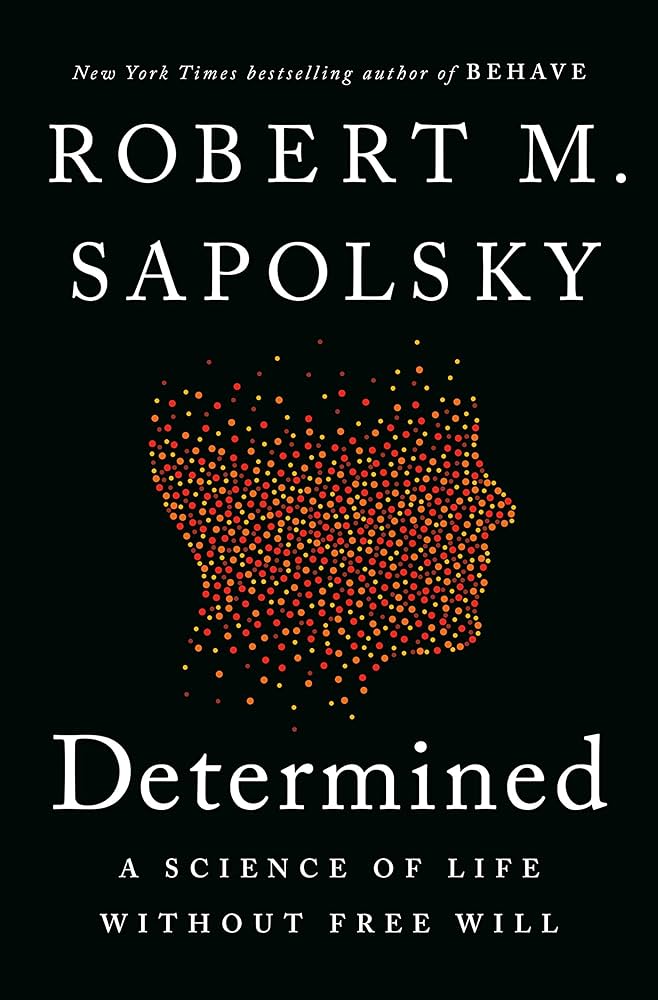
This one’s going to have to be a full post on its own, but before I write it: has anyone out there read this? Because I need to talk to someone about it and hash some shit out before I write a big post out about it. The short version is that I think Sapolsky does make a pretty good case that there’s no such thing as free will … and I don’t care. There’s a lot more to say but that’s the gist. Anybody read it? Let me know.

 Welcome to infinitefreetime dot com