Monthly Reads: May 2025

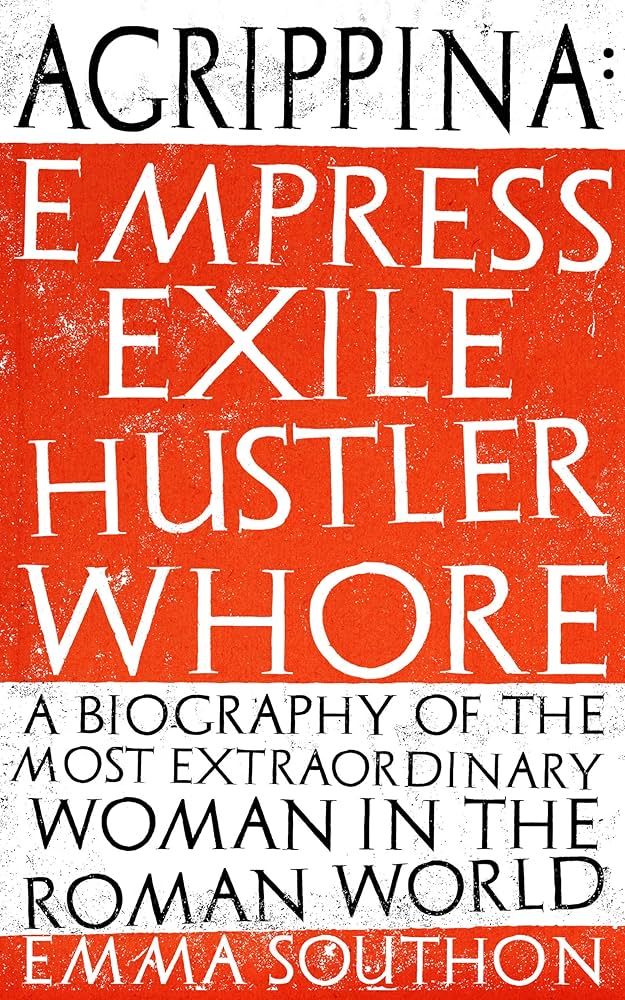
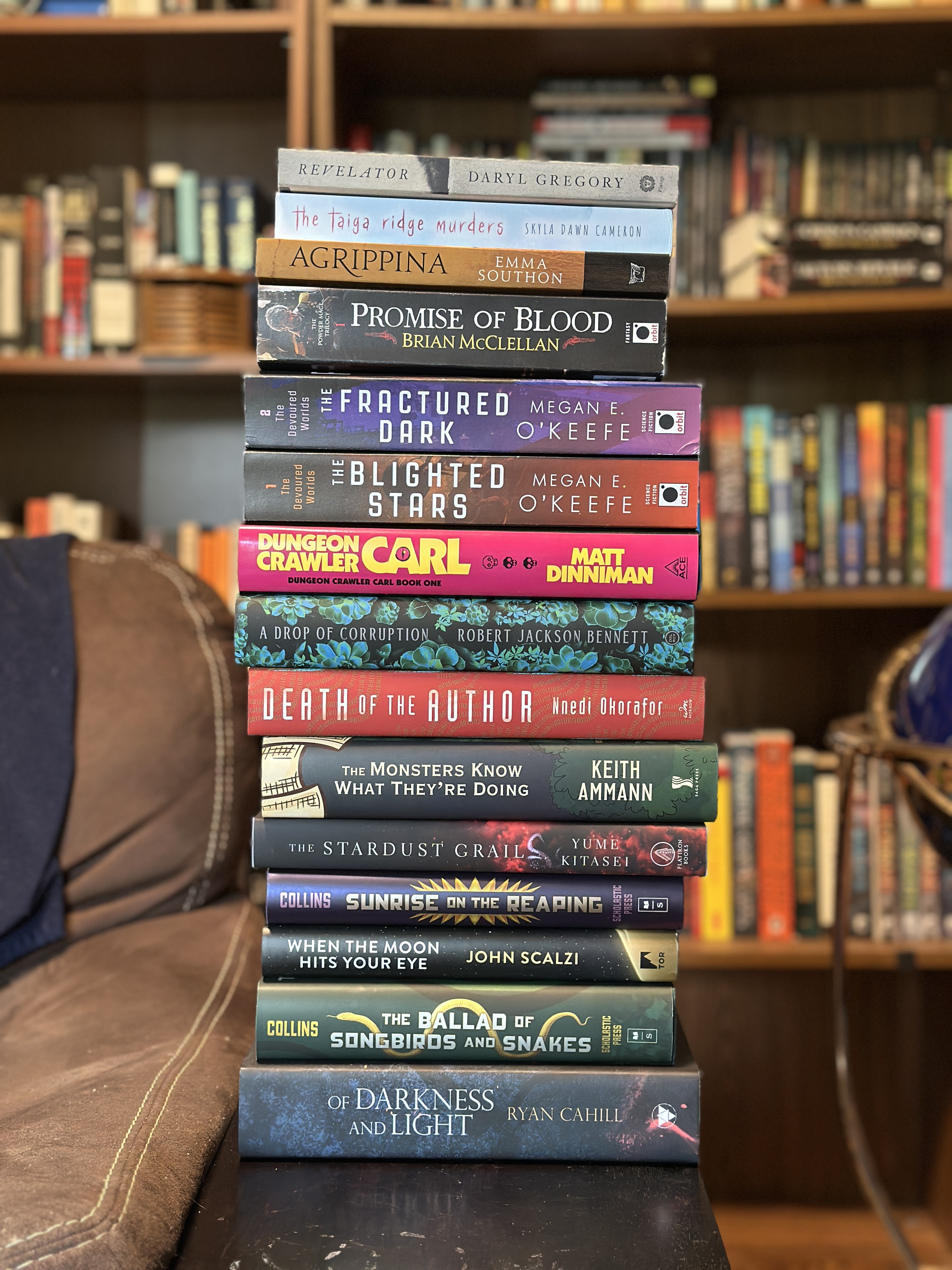
A lot of good stuff this May, but we’re gonna call Agrippina, by Emma Southon, the Book of the Month.

There are two days of school left and I am kind of tired so here are some very short book reviews

Good!

Also good!

Really good.

Really really good!

Only twenty pages in, but showing some serious promise.

(And the hardback cover is infinitely superior to the paperback one, which lacks the mid-title, which is a crime.)

On my inner magpie, and other thoughts

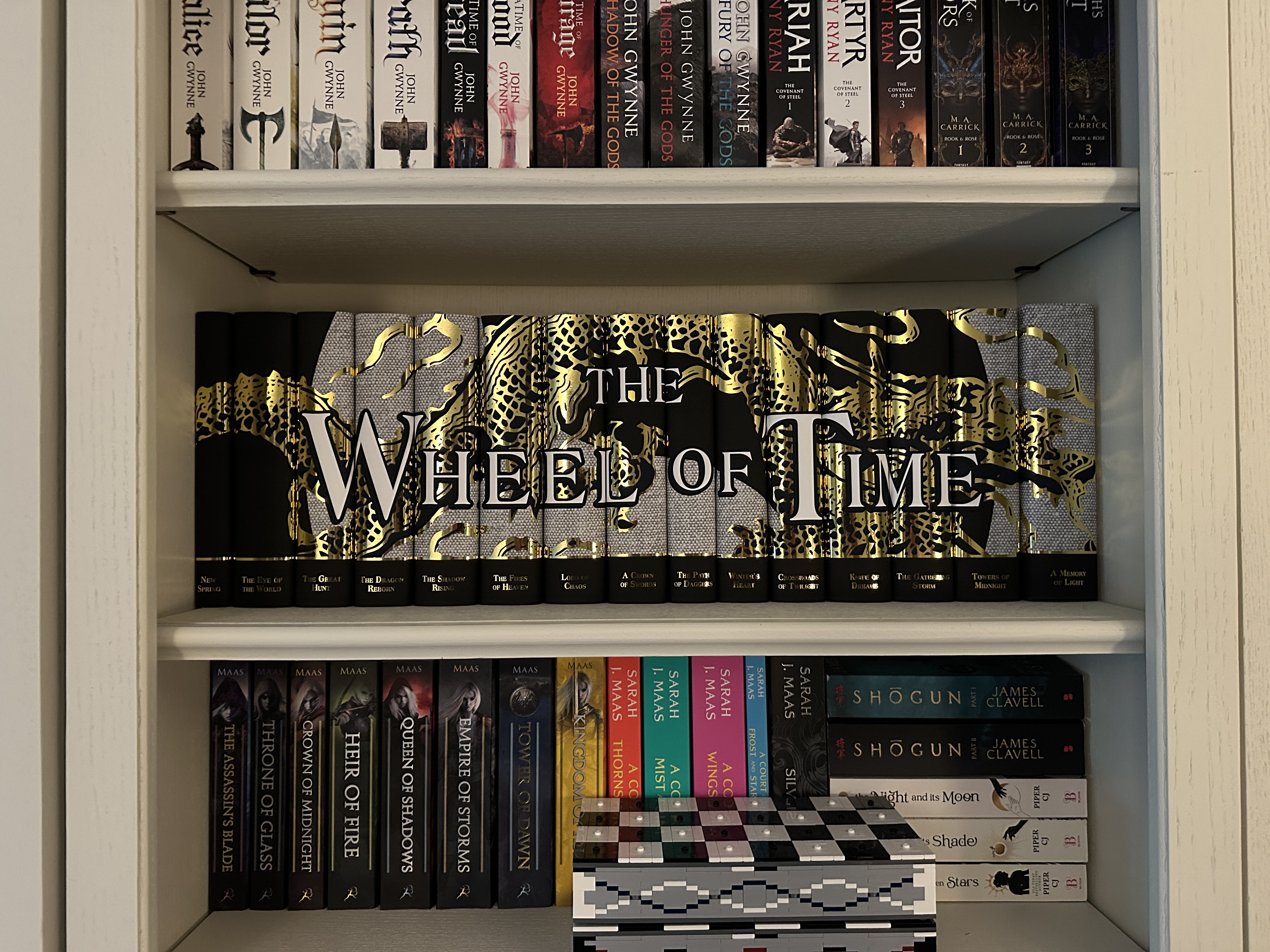
So, um, these showed up today. They are hand-numbered, 41/199. When I die, my wife can sell them to pay for my funeral. They will make me happy every time I walk past my bookshelves for the rest of my life.

Have I read the books yet? Nope. Although now I kind of have to. We’ll make it a summer project.


Teachers complain a lot, right? The understatement of the decade, surely. Like, read the site for five minutes. Teachers complain a lot. But one thing I feel like doesn’t get discussed enough is how emotionally fucked up the end of the school year can be, and now that I’m down to the last three days I’m starting to really have to stare that in the face. This has, on the balance, not been a bad year– there have certainly been moments, there always are, but in the main it’s been a pretty good year. Top half, let’s say.

Some years aren’t all that bad– last year comes to mind. But this year there are a good half dozen kids who I really, really like, who I’ve grown pretty close to over the course of the year … and I get to see them three more times and that’s it. They’re gone. And because I teach 8th grade, it’s worse, because they’re not just no longer in my class, they’re gone entirely. Like, maybe I’ll see them when they do their grad walk in four years, but that barely counts? And even if they do stay in touch, and some of them do, of course, it’s not like this is the kind of relationship where I can drag somebody out to lunch or go see a movie or some shit like that. Like, not even in a “that’s kinda weird” sorta way! A “people are going to assume terrible crimes are happening!” sort of way!

I don’t want to commit crimes! I just think your kid is cool and I would like to keep them in my life after seeing them nearly every fucking day for a year.

Next Thursday is going to really suck, is what I’m saying.


Related, but not really: I had a parent email me about a concern over the final, which in and of itself is just fine, but in the middle of the message she threw in “as you know, he tried taking his life a little over a month ago,” and NO THE MERRY FUCK I DID NOT, MA’AM. I thought for a minute she had mentioned it and I had forgotten, somehow, and looked through every previous email I’ve gotten from her, and … NOPE. There very much was no message about it.

And, like, how do you respond to that? Do I just pretend she told me? I ended up not directly addressing it one way or another and answering the substance of the email, which feels … weirdly flippant, somehow? I feel like I’m yadda-yaddaing a suicide attempt, but I also really don’t want to correct her on it. I may contact our social worker and see if he knew about it, but that potentially opens up an entire different can of worms if he didn’t.

Mental note, don’t put the question in writing.

I buy books

This week involved– this is not a joke– both having a condom thrown at me and being inadvertently punched in the balls by a student, so, having survived it, I was in serious need of some retail therapy. I went to Barnes and Noble.

Do both of us a favor and don’t add up the cost of any of this.

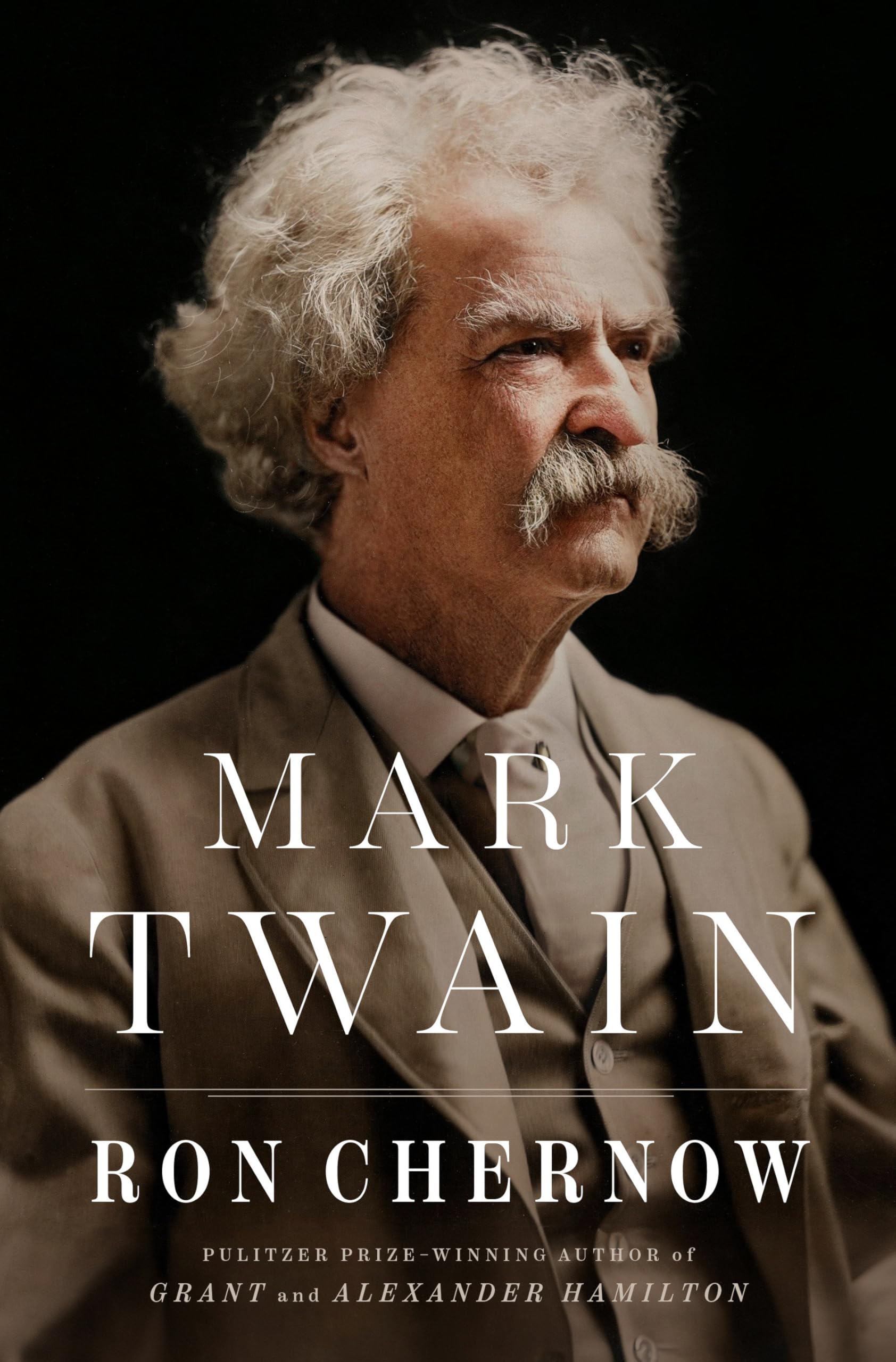
I purchased Ron Chernow’s doorstop-sized, thousand page, recently-released biography of Mark Twain immediately, but not from Barnes and Noble. This one was expensive enough that I actually ordered it from Amazon, while still in the store, for 2/3 of the cost. It’ll be here tomorrow.

What I’ve started doing when I’m in bookstores is buying books I wasn’t previously familiar with, rather than grabbing things that are already on my wish list. I’ve learned that if I walk into my local B&N looking for something specific I am sure to be disappointed. It will not be there. (To wit: I have the absolutely gorgeous Broken Binding edition of Joe Abercrombie’s new book, The Devils, and was looking for the standard edition as a reading copy. Couldn’t find it. Unbelievable.)

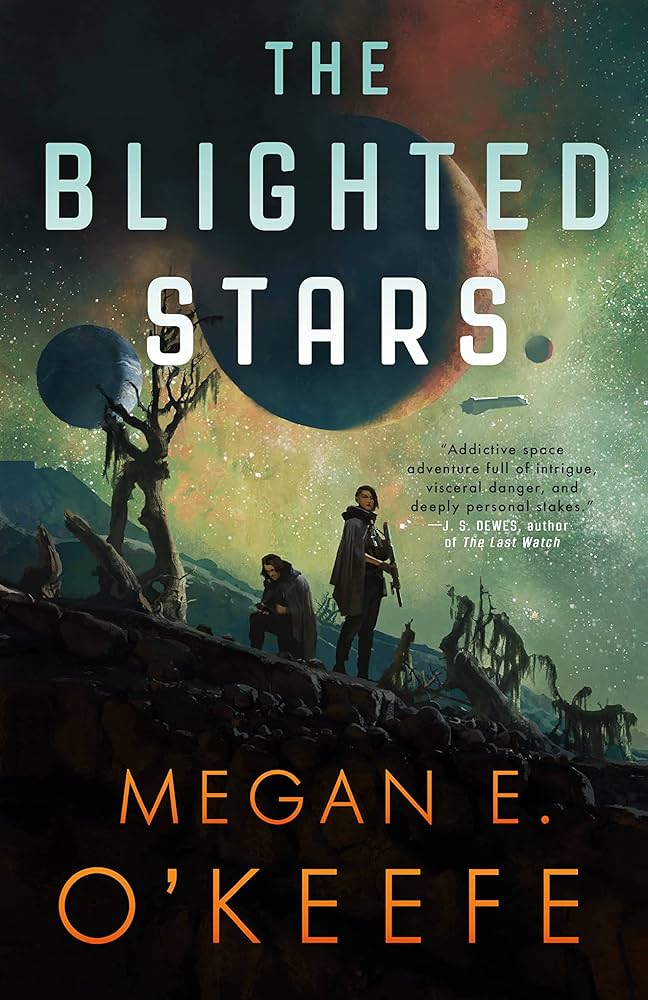
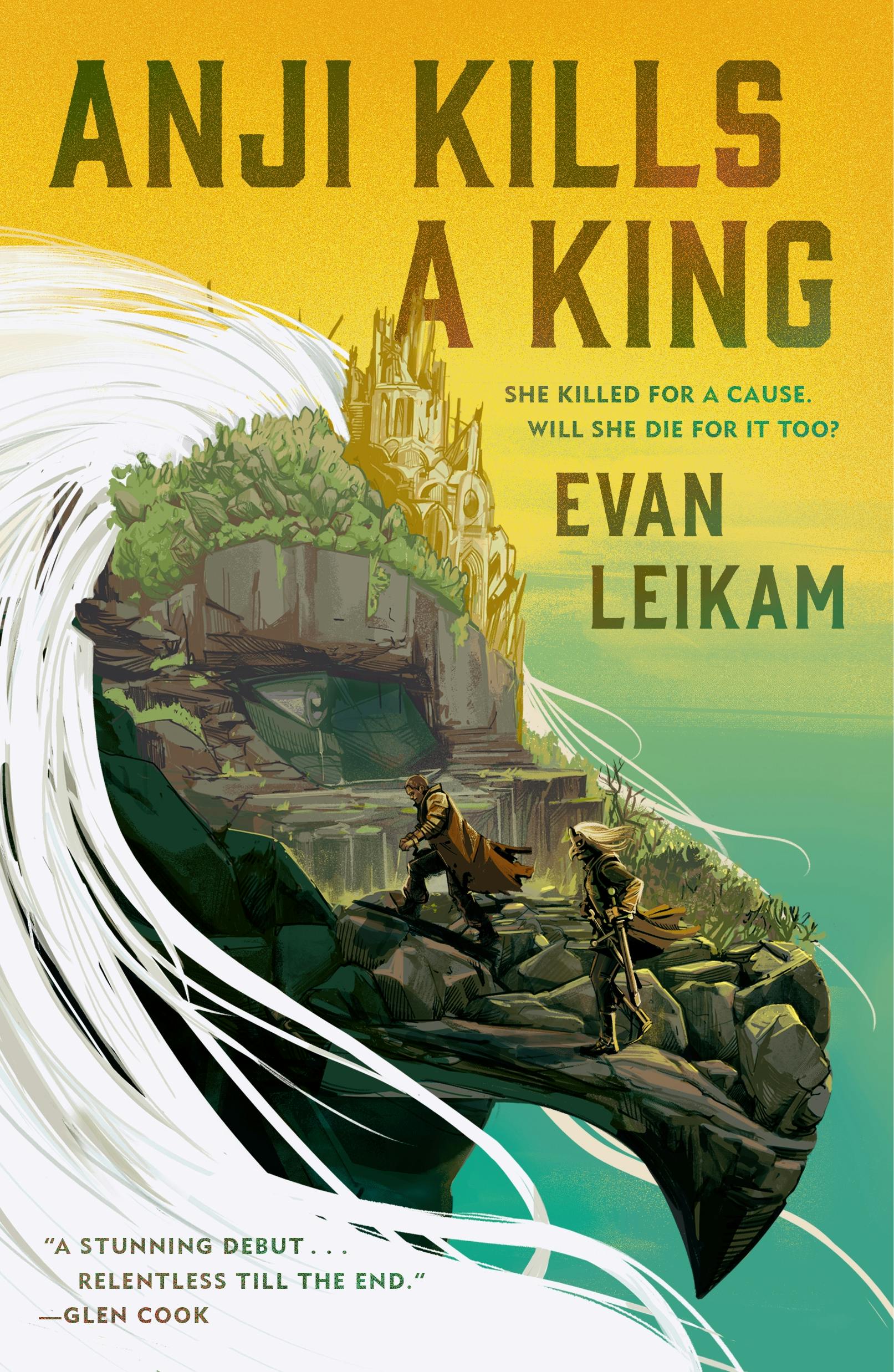
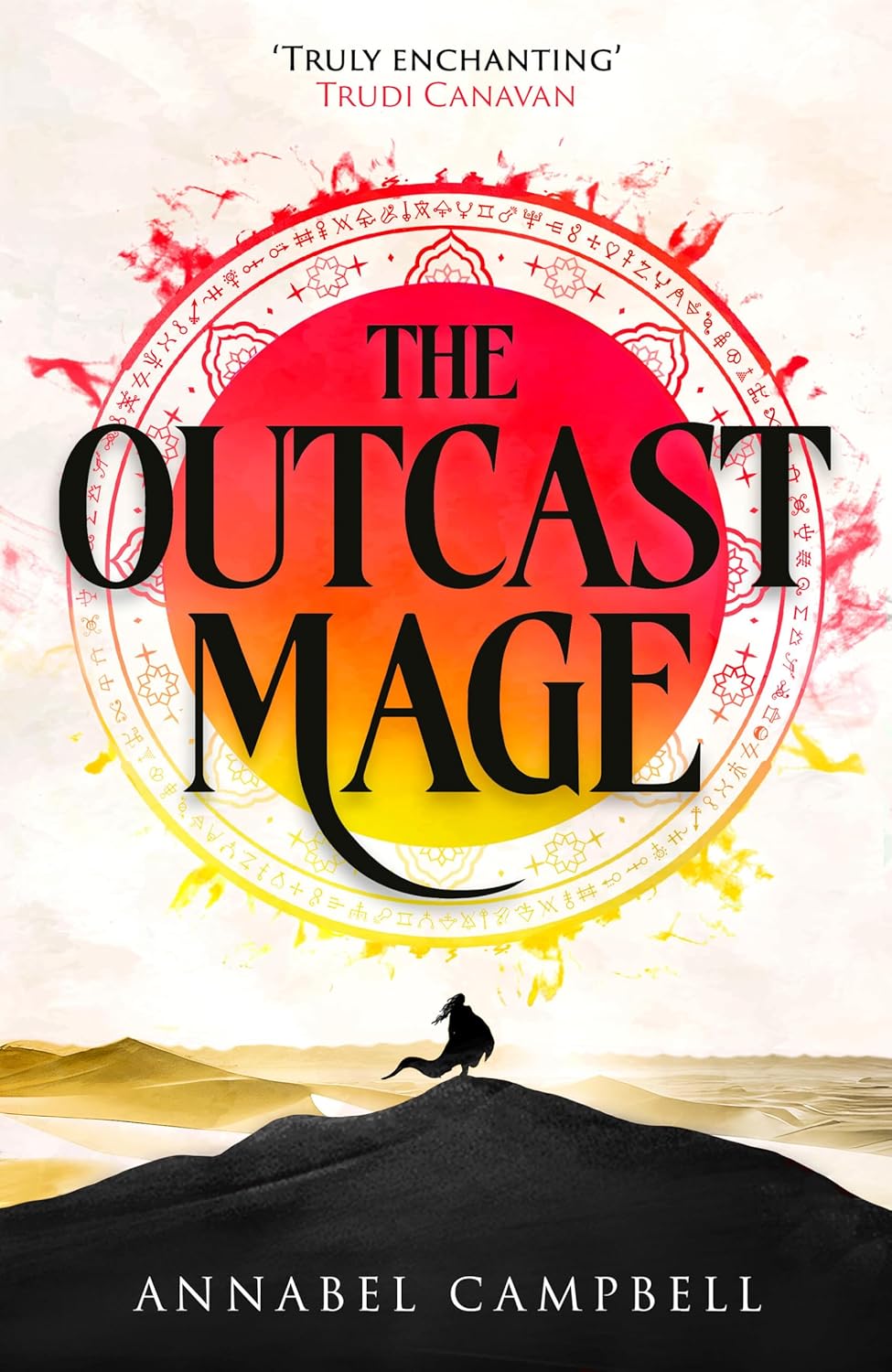
Anyway, this caught my eye, and as a standalone and a debut novel it felt like the perfect kind of bookstore buy.

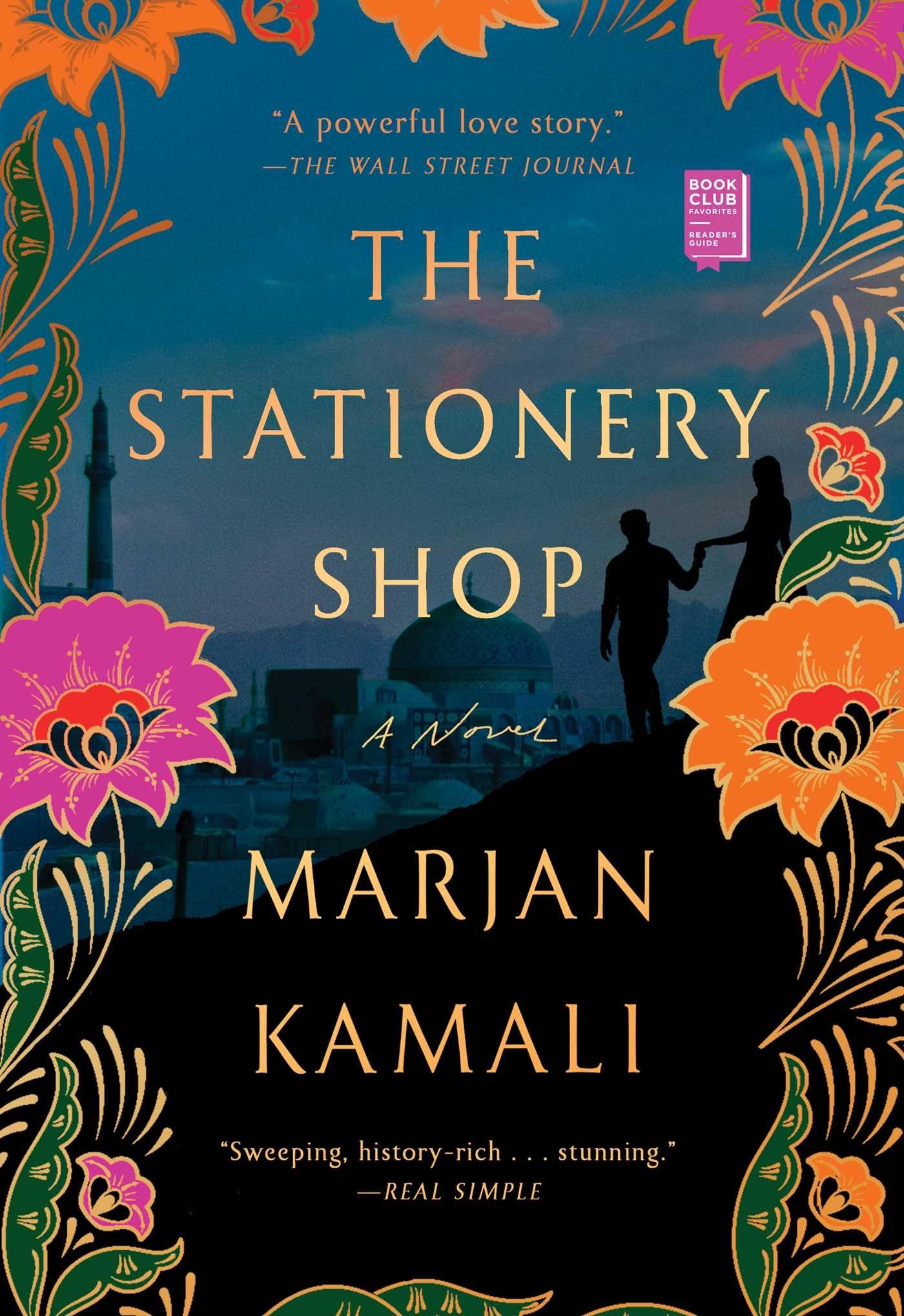
Then I decided to look around for a specific book that I’d seen the last time I was in the store, The Lion Women of Tehran, by Marjan Kamali. It wasn’t there! Again, any time I’m looking for a specific book, it is never there. But her debut novel was:

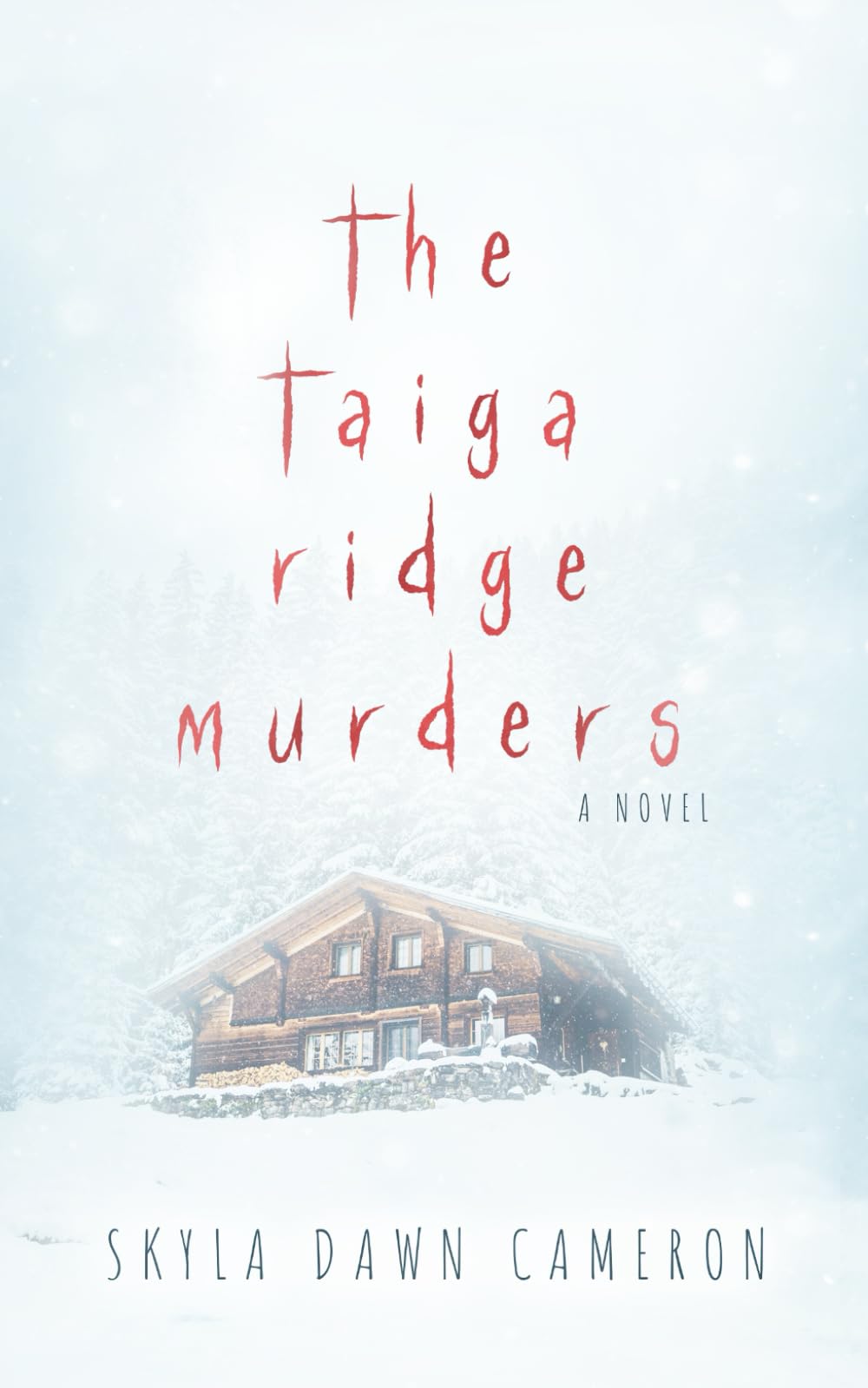
So, two or three purchases depending on how you’re counting, one by an established author that I’m certain to enjoy, two debut novels that I’m rolling dice on, no series fiction. So far so good! But then this one caught my eye:

I’m not even completely sure what drew me to this, and I picked it up and put it back down a couple of times, as the plot feels a little been-there-done-that in some ways, but by this point I was in full “fuck it” mode. Speaking of:

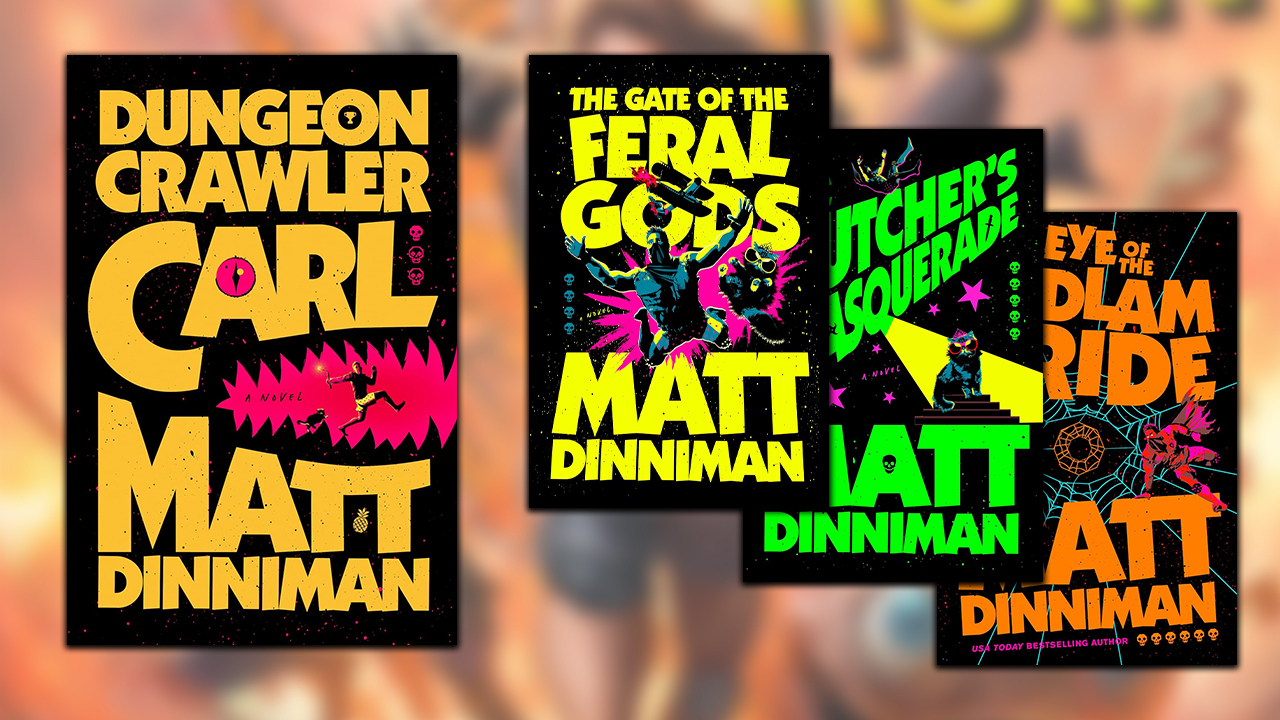
I did not buy any Dungeon Crawler Carl books, but these hardcover editions are appealing to my inner book-collector magpie; they’re big chonky bois in bright, appealing covers and I bet they’ll look great on the shelf. I also suspect they might be terrible? I dunno. Anyone read them?

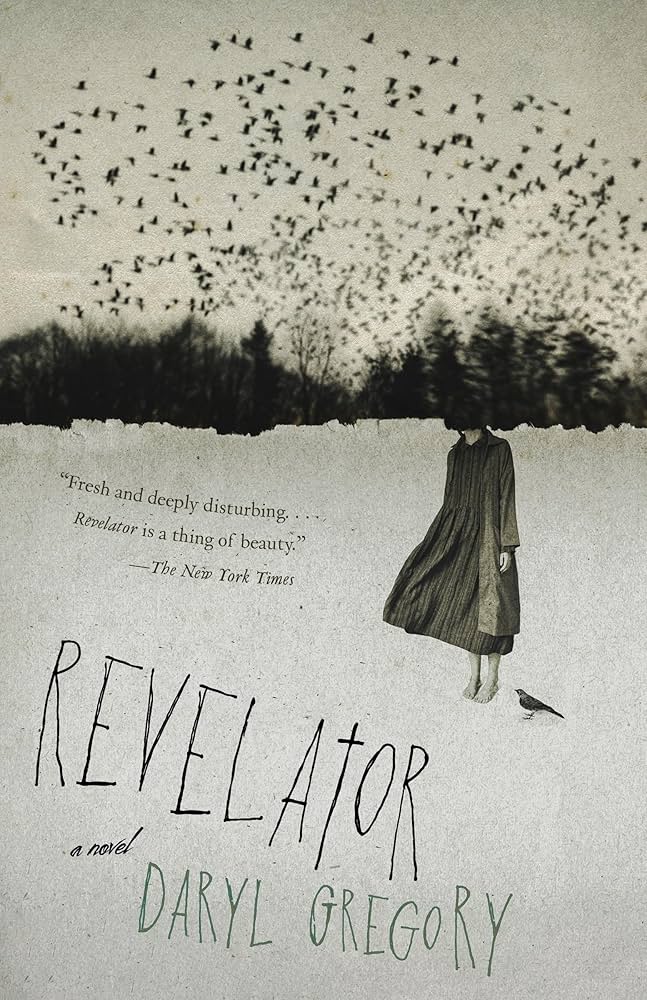
My final purchase was this one:

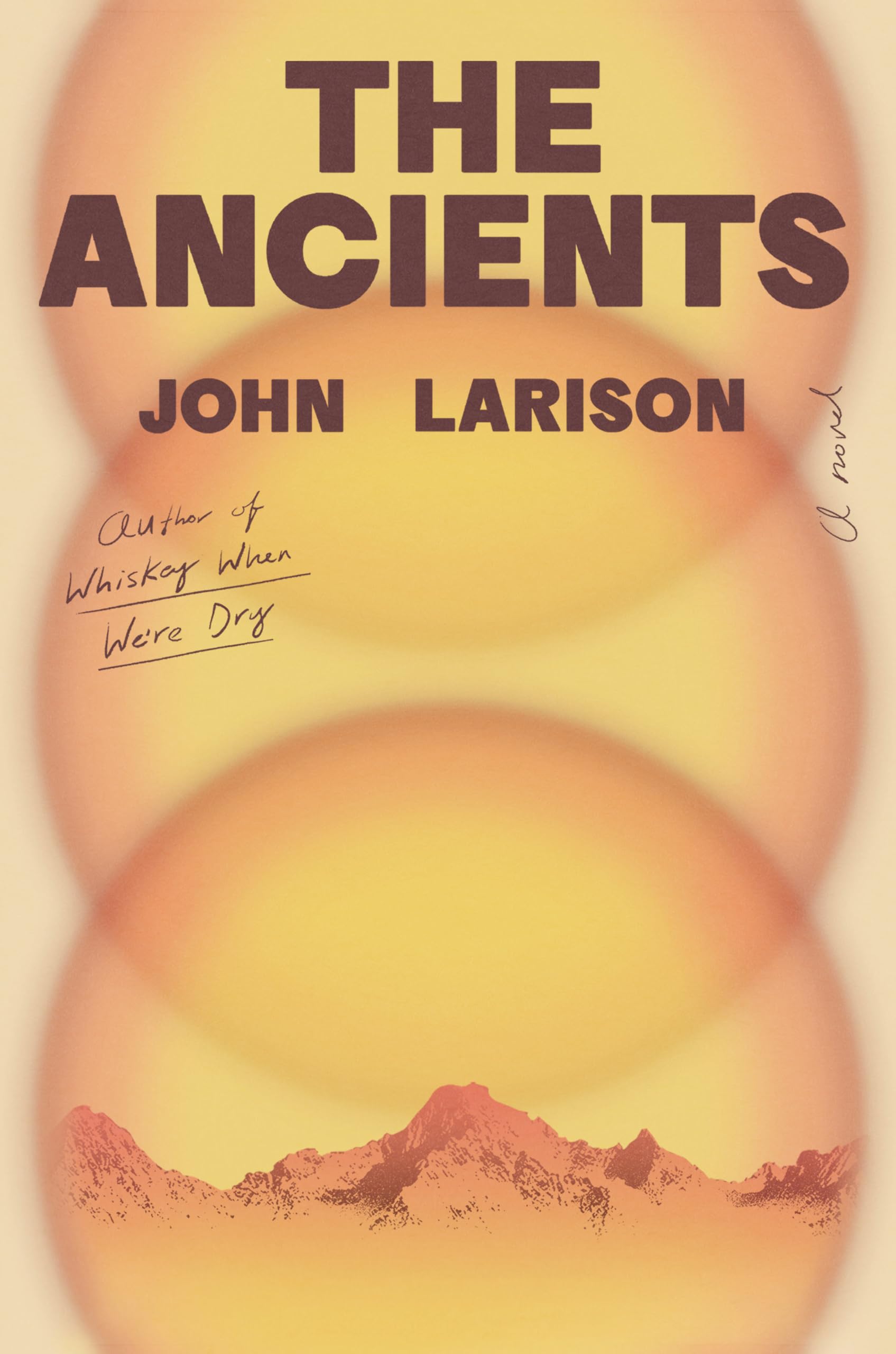
This was actually the first book I physically touched after entering the store, as I saw it before the Twain book. I have not heard of the author, nor have I heard of his first book, and after flipping it over I realized that I have also not heard of any of the three authors with big pull quotes on the back, nor have I heard of any of the five books of theirs that were mentioned, and the quotes are genuinely wankstrous. Shit, this was probably a literature. I put it back.

Then, while looking for the Kamali book, I went back to the new fiction section to make sure it wasn’t still there, and … well, it turns out that Kamali and Larison are right next to each other on the shelf. So I picked it up again, leafed through it a bit, and put it back again.

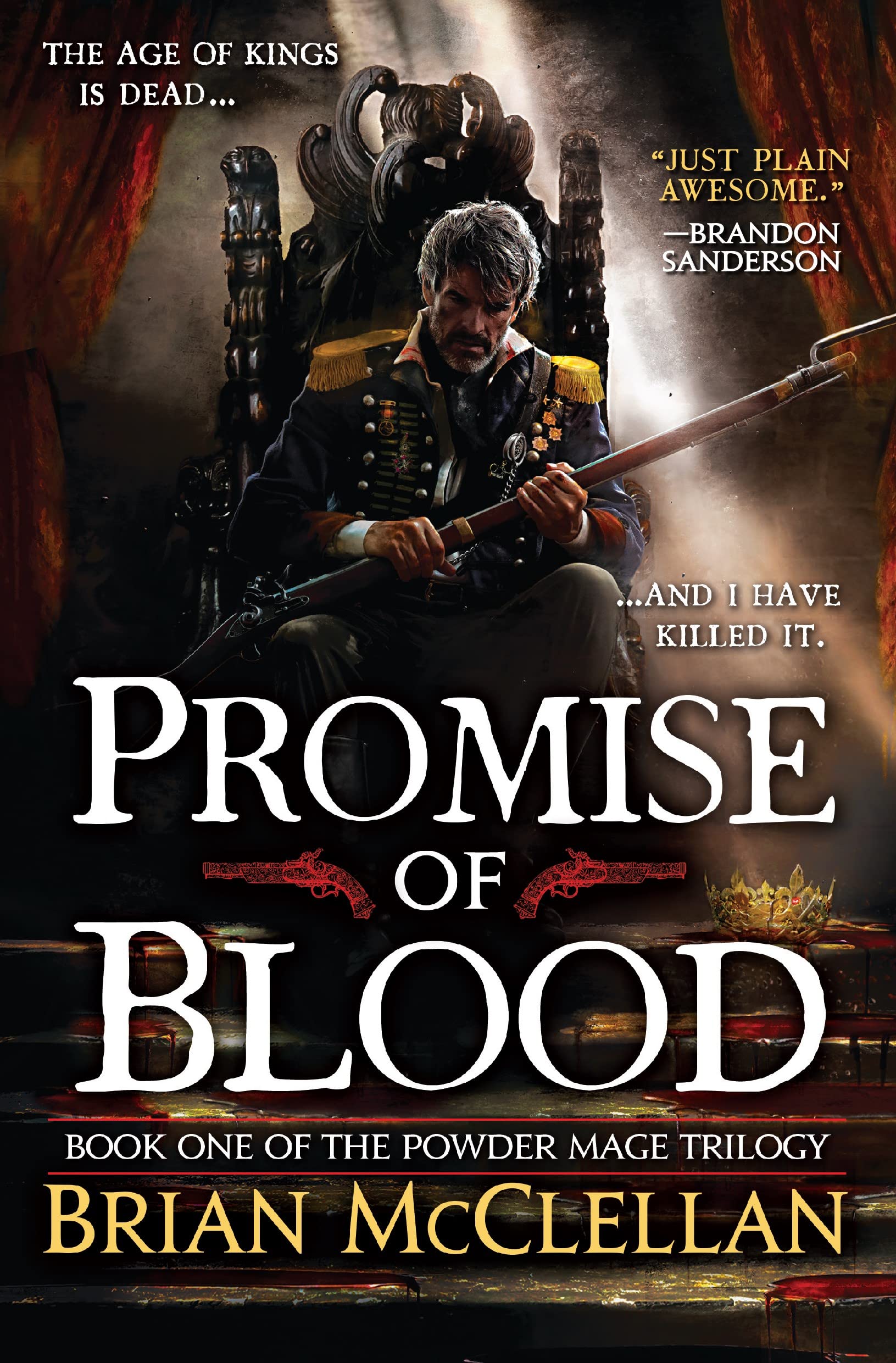
Then, while deciding on The Outcast Mage, I decided that even though I’d had a vague plan to pick up three standalone books, and Outcast wasn’t one of those, I could still get it if I bought another standalone in addition to it, and somehow I ended up walking out of the store with The Ancients as well, figuring that this was a pretty precise example of how sometimes the books decide I’m buying them and not the other way around. I think this is the literary equivalent of being adopted by a cat. Hopefully I enjoy it.


I almost want to make this a separate post, but it is just my Barnes & Noble that is really hitting customer service and talking about books super hard, or is that a corporation-wide thing? Because the woman at the register was practically fucking interviewing the two people in front of me, making each transaction take so long that they had to call someone else to run a register because the line was building up. I was simultaneously stressing out about the conversation– what the hell is the name of the book I’m reading? Who is the author again?– and quietly scorning some of her choices, because I swear by God and sunny Jesus that if I walk up to you with a handful of fantasy books and you do what she did to the guy in front of me and ask if I’ve heard of Brandon fucking Sanderson, I may not be able to keep the look of disdain off of my face. She pivoted from “have you heard of the single most famous author in this genre in a generation” straight to recommending the Licanius trilogy by James Islington, making the second time in a row that I have been at that Barnes and Noble and someone has recommended those books, and I had the same reaction both times, which is that I usually don’t believe people when they tell me they’ve read them.

Also, there are like fifteen steps in fantasy book-reading between Brandon Sanderson and James Islington. It’s like finding out someone enjoys Goosebumps and recommending Lovecraft to them.

Anyway, the new register person ended up helping me, and did so without any unnecessary questions, which is good, because there was no way I was getting out of that conversation without some form of idiotic faux pas.

The end.

Two books I didn’t really like and one I really did

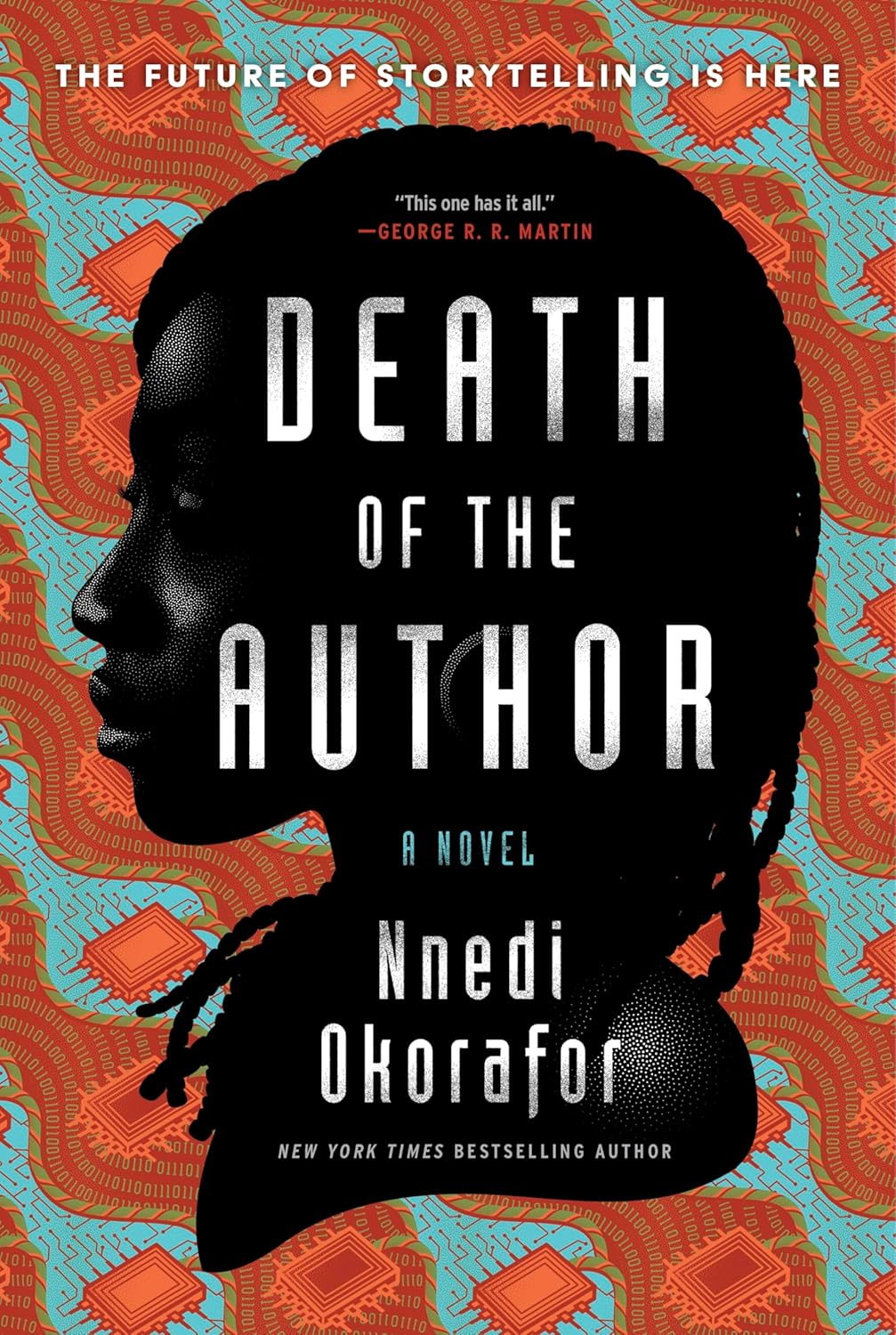
I have spent a couple of days trying to think of a time where I thought a story-within-a-story structure worked for me, and for the life of me I’ve been unable to come up with one. The main character in Nnedi Okorafor’s Death of the Author is– get this– a Nigerian-American female author who lives in Chicago and is in a wheelchair due to a childhood injury, and at the beginning of the book she writes a science fiction novel that is a massive success. A massive, massive, massive success, propelling her to J.K. Rowling or Stephen King levels of fame. Portions of the book are given over to excerpts from her book, Rusted Robots.

The problem is Rusted Robots is terrible. It’s unreadable. By the end of the book I was skipping all of the Rusted Robots sections, and I generally don’t skip or skim parts of novels. And, man, it’s really damn hard to read a book that is all about how amazing and life-changing some other book is, especially when they keep giving you parts of that other book and you keep skipping them. The obvious self-insert doesn’t really make any sense (Okorafor doesn’t use a wheelchair, but had a surgery for scoliosis go bad as a young woman, and she needed crutches to walk for a long time) and Zelu as a character is generally unbearable. She’s selfish and impulsive and her family is terrible, so you’re confronted with a situation where you don’t like the main character and think her family treats her poorly and think they’re mostly right even though they’re terrible about the way that they’re right.

It’s also really weird to read about the various ways Rusted Robots affects Zelu’s life, because as an actual science fiction author Okorafor has to know that this isn’t how this shit works. Okay, granted, Nigerian women in wheelchairs aren’t terribly common sights, and Nigerian women with the experimental leg exoskeleton devices she acquires midway through the book are even less common, but Zelu gets recognized repeatedly every time she leaves the house, by people who a lot of time are reading her book right at that very second so they can shove it in her face to sign. Zelu’s relationship with her Internet fans makes more sense, especially as the wait for Book Two of her unplanned trilogy gets longer, but no debut author has ever gotten this famous this fast. It’s nutty.

I three-starred it on Goodreads because despite my complaints it’s still an Okorafor novel, and it was one of those books that despite not liking it very much I didn’t want to put it down, but a twist at the end very nearly made me knock it down to two, and I still might.

Sigh. I really like all three of the authors in this post! Scalzi, in particular, is someone who I have referred to as “one of my favorite authors” more than once, but When The Moon Hits Your Eye marks his second miss in a row after Starter Villain, which was mostly underwhelming.

The biggest problem is that When The Moon Hits Your Eye actually is the book that Scalzi’s online detractors want to tell you all of his books are– it’s slight (I read it in three hours or so, and not because it was so amazing I couldn’t put it down), all of the characters feel exactly the same, and all the dialogue is bantery and quippy in a way that’s okay for one or two characters in any given book but not for damn near everyone. The concept of the book is that the moon suddenly turns to cheese, and the book talks about the next thirty days after that. There’s no main character, although some people are revisited a few times, but Day Fourteen might talk about a character that you never see again, or you might jump back to the people from Day Three on Day Twenty-Two and it’ll take you half of the four-page chapter to realize you’ve seen them before.

Oh, and I knew a girl once whose nickname was Mooncheese, for reasons I no longer remember, and I spent the whole book thinking about her, which wasn’t entirely unwelcome but was kinda distracting.

I dunno. The whole concept of the book is kind of deliberately dumb, and you can take something like that and play it kind of straight if you want to, but the characters in the book keep talking about how fucking stupid it is (those exact words) that they have to take the idea of the moon turning to cheese seriously, and after a while it’s really wearying. It’s just … it’s blech. It’s not very good, and it pains me to say that about a Scalzi book.

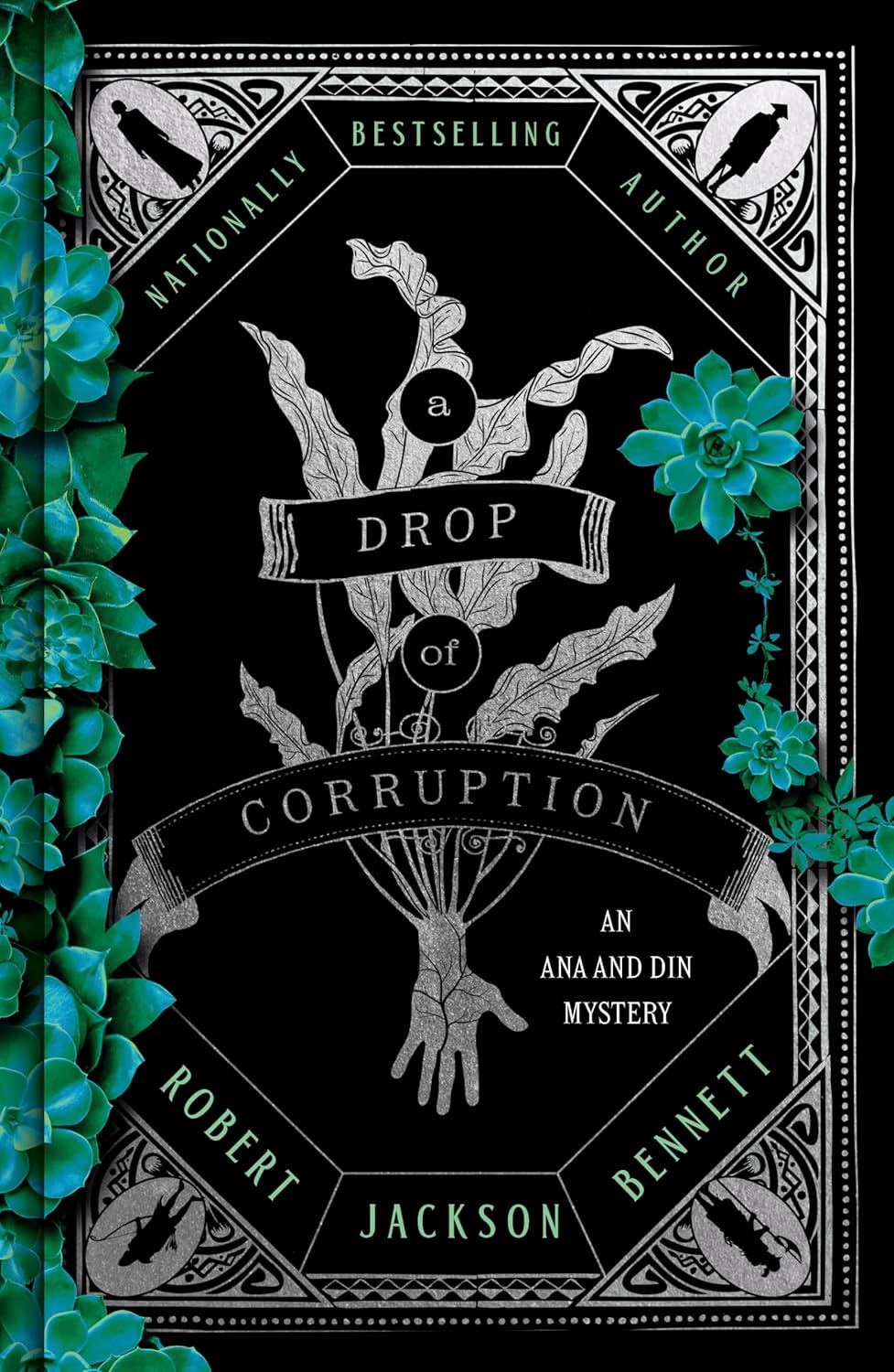
This, on the other hand. Go buy this immediately, and if you haven’t read the first book in what are apparently called The Ana and Din Mysteries, go grab it right now; it’s called The Tainted Cup and it’s really damn good too. The series hails from one of my favorite subgenres, “Sherlock Holmes, but …”.

This time our crime-solving pair are representatives of an Empire on a fantasy world with lots of biopunk “grafting” tech and occasional attacks by what are basically kaiju but they call Leviathans. Jackson Bennett leans heavy into body horror here– the victim in the first book died when a literal tree suddenly grew out of his body– and the Holmes of the series, Ana Dolabra, is a drug-addicted and probably genetically modified ubergenius who wears a blindfold because she can’t handle the constant visual input of the world around her. Dinios Kol, the Watson, is an Engraver, possessed of perfect recall but with a neat little twist where he needs to anchor his memories with scents to be able to describe them in a way that makes sense to anyone else. Ana is delightfully nuts and the world itself is fascinating as hell, and the Macguffin of this book is Leviathan marrow, which is just a great thing for characters to be chasing around and trying to find. I love this series, and right now this book is on my shortlist for 2025.

#REVIEW: The Raven Scholar, by Antonia Hodgson

I got a second copy of Antonia Hodgson’s The Raven Scholar on the day I started reading it. And it wasn’t quite on purpose– the copy on top there showed up on release day, since I’d preordered it after it caught my attention somewhere at some point in the last few months, and then Illumicrate sent me another copy as part of their monthly box. This is the first time that’s happened; the unofficial rule for Illumicrate books seems to be that they only send me books I’ve never heard of, and this is the first time they’ve sent me one I already owned, although I have bought a couple after reading them so that the series were sure to match. One way or another, though, the Illumicrate edition is fucking gorgeous, one of the prettiest books they’ve sent me, so I’m not pressed about it.

… and suddenly I want to change the title of this post and take the word “review” out of it, because the more I think about it the less interested I am in writing even a traditional-by-my-standards book review. This book is weird; I enjoyed reading it, and I’ll pick up the sequel– which may be, in and of itself, enough of a review for anyone who cares at all about my opinion– but there’s a lot about it that makes me reluctant to star-rate it. For one, it’s a Magical Tournament book, and I am tired of books that can be boiled down to the name of a trope. On top of that it’s a People Are Sorted Into Categories book, although it’s not the entire society, at least, but nearly all of the main characters in this book represent the devotees of one of the eight animal gods (creatively named “the Eight,” although it’s fun seeing the word “eight” used as a swear word) and some of the ones who don’t used to. Which leads me into another gripe, which is that every character effectively has three names, since sometimes they’re referred to by their first names, sometimes by their last names, and sometimes just by their faction, so you might see someone talking about “the Hound” and you have to remember who that is. Spread that out over the eight people involved in the tournament (which is how they pick their emperor, who appears to be a king, and I wish people would learn the difference) and keeping track of everyone can be a little more complicated than maybe it should be.

But! There’s a murder mystery at the heart of this book, and the murder mystery is wrapped around the succession tournament and the eight-faction worldbuilding thoroughly enough that it’s hard to extricate from it– this story only works in this world– and main character Neema, the titular Raven Scholar, is tasked with untangling the mystery as well as trying to become emperor on the side, a job she’s not even interested in, because the outgoing Emperor has ordered her to try to become his successor, which makes more sense in context than it might sound. Only Neema’s not much of a scholar– she’s more of an autistic nerd, which isn’t quite the same thing– and occasionally she gets really good at physical combat because she has to.

Oh, and there’s a Shoehorned Enemies-To-Lovers Romance, because everything has a name nowadays.

I dunno. I liked this book, as I said, but every ten pages or so something jumped out and kind of annoyed me? But not enough that I didn’t five-star it, although right now I’m not sure why? Because maybe I don’t know what a five-star is, and of course I’m writing this, when I could have just not talked about the book.

Maybe I should just go back to bed.(*)

(*) It is 6:18 PM.

#REVIEW: Advocate, by Daniel M. Ford

The standard disclaimers apply: Dan and I are Internet Mutuals, the origin of which is lost to time but almost certainly involves Twitter somehow. I spend a fair amount of time hanging out in his Discord server, which is, in fact, the only Discord server I spend any time in. And while I reviewed The Warden, the first book in this series, I somehow did not review Necrobane, the second book. My vague recollection is that I had kind of complicated feelings about it and the review just kind of got away from me; I didn’t dislike it, although I do have to talk about it in order to talk about Advocate.

Which, by the way, I’m gonna screw this up: the name of the book is Advocate, not The Advocate. I keep wanting to put that The in there.

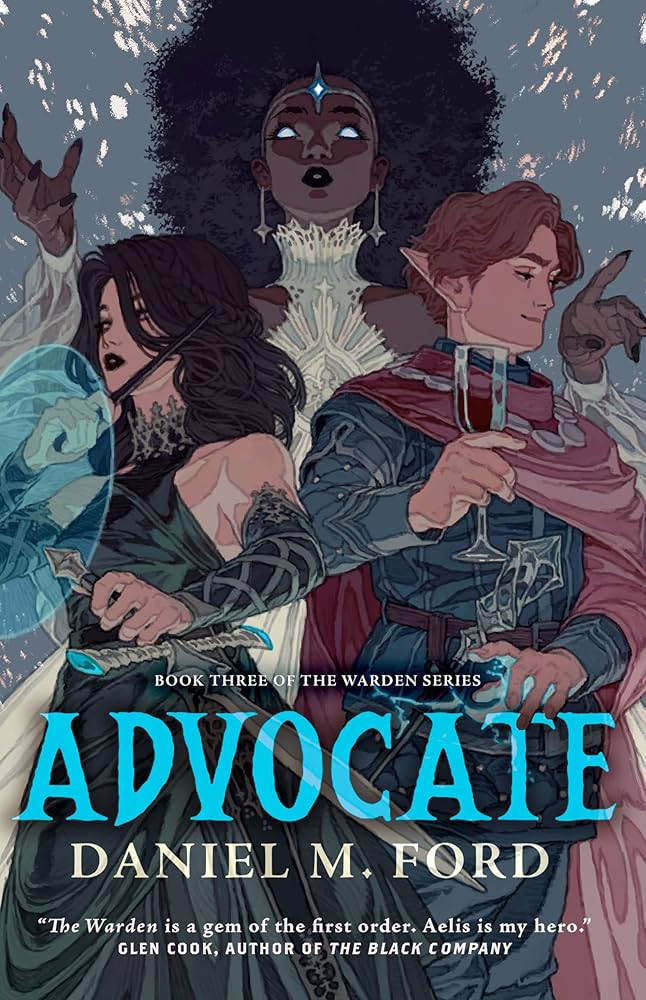
So let’s rip the Band-aid off here: viewed on its own, I really enjoyed Advocate, for much the same reasons I enjoyed Warden, and the rest of Dan’s work. Aelis is a fabulous asshole, of a type I enjoy reading about, and a couple of the new characters, particularly an alcoholic gnome named Mihil and a fellow Warden (and ex-girlfriend) of Aelis’ named Miralla, are also a lot of fun. That’s Miralla in the back on the cover, although the elf on the right is not Mihil, even though he should be.

(I get why he isn’t; that’s Amadin, another Warden, and he’s a fairly important character, but I suspect the real reason Mihil isn’t on the cover is that including a gnome in the composition would make placing the cover text tricky.)

The bulk of Advocate unfolds like a mystery, although we know who committed the crime from the first pages of the book, and Aelis’ job is less to prove her former mentor innocent than to convince the court that no crime was committed in the first place. The story is satisfyingly twisty-turny and Aelis gets plenty of time to show off her two best character traits: her utter confidence in her own ability to outwit literally anyone and her tendency to make a snap decision, get in over her head, and then somehow come out on top anyway. There’s lots of swordplay and quite a bit more actual necromancy than what we saw in the last couple of books.

Advocate‘s biggest problem is that, while the cover calls it “Book Three of the Warden Series,” it is, for now at least, the final book of the Warden series, and it’s structured much more like Book Three of Six than Book Three of Three. But let’s back up a little bit and talk about Warden and Necrobane.

Warden ended with Aelis screwing up in a fairly spectacular way, potentially unleashing a continent-wide zombie plague. I was expecting the rest of the series to be focused on that not-minor problem, and the book went an entirely different way than I expected, dealing with what I thought was going to be a two-book problem in about a hundred pages or so and then pivoting into something else. At the end of Necrobane, Aelis’ love interest is magically bound to a particular plot of land in the midst of a wild forest a fair distance away from Lone Pine, and Aelis is unable to figure out how to free her. Then, at the end of the book, she is summoned to the city of Lascenise, a major (and wealthy) metropolitan area, to serve as an Advocate for her old mentor, who has been accused of murder. An Advocate is basically a Warden lawyer; Bardun Jacques has a lawyer but is entitled to a Warden defending him (and investigating his case) as well. He has asked for her specifically. She has no real choice but to go.

This was another left turn, and I was concerned with what it meant; that Book Three would be taking place in an entirely different place and with, importantly, an entirely new cast— Maurenia being magically stuck on a couple acres of land a week or two away, and half-orc werebear Tun being entirely unsuited to life in a city. And, in fact, that’s exactly what happened. The two stories do end up knitting themselves together, but Tun’s presence in the story is minimal and Maurenia’s role is basically to be something else that Aelis has to worry about in addition to the rather significant number of new problems the story is dumping on her head. It’s probably important to point out that Aelis was going to have to head toward civilization anyway, as she was going to need access to libraries to figure out how to release Maurenia, but she’s more or less stuck there until her Advocate duties are discharged. Making things worse, in her last scene with Maurenia before leaving it’s made clear that there’s a time limit on how long she has to break the spell before Maurenia is, effectively, taken over by the forest.

(Side note: Necrobane also features a fight with one of the creepiest monsters I’ve seen on-page. The book contains a tooth golem, which is every bit as awful as you might think, and maybe worse.)

So your appreciation of Advocate is going to be contingent on how much you like Aelis, and how willing you are to lose the supporting cast we’ve grown to like over the last two books. This is what I mean by it being a better “book three of six” than an end to a trilogy; there’s lots of expansion to the worldbuilding and lots of character development for Aelis (we meet her family!) and all of that is cool but if you were really vibing with her and Maurenia’s relationship, or her mentor/mentee relationship with the little girl she’s teaching to read at the end of Necrobane, you’re gonna have a hard time. And this would be much easier to bear if we knew there was Book Four on the way out there, but Tor has really screwed this series over(*) and right now there isn’t one. I decided to star-rate it on its own merits, mostly because no one can stop me, but I can imagine other readers being less happy.

I want more books in this series, in other words, not only because the world is fascinating and I want more but because I think the story and the characters deserve it.

(*) Not my story to tell, unfortunately, but I feel like they owe Dan another trilogy to make up for how they treated this one. Even if I didn’t know him, the simple fact that somehow I have bought five copies of the three books in this trilogy and still don’t have a matching set to put on my shelf would have me deeply pissed.

#REVIEW: The Silverblood Promise, by James Logan

You may have noticed this about me by now: I love me a good heist story. Any time a book is about a charming rogue whose job is to rob somebody, I’m pretty well in from the jump with no further information needed. Breaking into somewhere? Breaking out of somewhere? Scamming the local merchantry or rich assholes into, well, anything? Yep, here’s my debit card, we’re good.

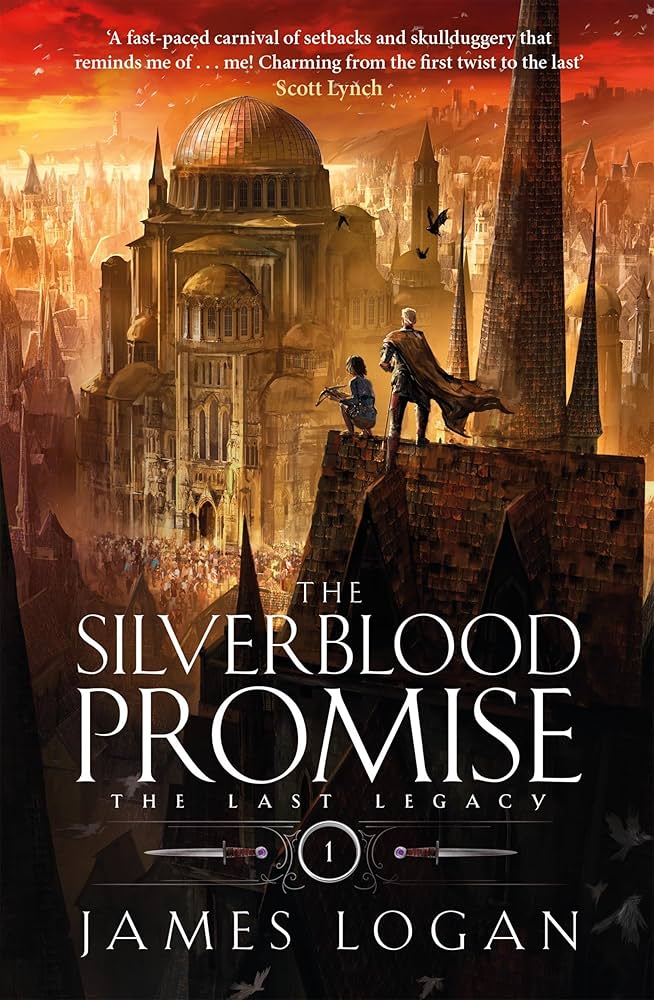
The Silverblood Promise is not quite a heist novel, at least in the sense that it’s not about a single overarching act of scammery. Main character Lukan Cardova is a bit of a con man and certainly a charming rogue, but the story kicks off when his estranged father dies and sends him off on a wild quest to a hive of scum and villainy on the other side of the continent, in search of … well, Lukan’s really not sure at all what he’s in search of. He has a last-words type of note written in his father’s blood with three names on it: his, the name of the city, and another he doesn’t recognize. This is very much a “one thing leads to another” type of book, where he finds out who he’s looking for, but she’s in jail, and then he deals with that, and then there’s this whole other thing that he needs to do, and everything he manages to complete leads to another quest, much to his great annoyance. The story keeps moving along at a pleasantly rapid clip, and by the end of it Lukan is not only hip-deep in local and possibly inter-dimensional politics as well as a thieves’ guild or two but he’s acquired a combination minion and surrogate daughter in an eleven-year-old named Flea, who tries to rob him early on and then just … sticks around after that. There’s no One Big Scheme, but there are literally five or six smaller ones; maybe this is a heists novel, and not a heist novel, who knows.

There are enough ideas for five or six books packed into this book, which is Part One of (I believe) a trilogy, with the second volume to follow this fall. If anything, the book might be overstuffed, as every side character and local power structure Lukan runs into is something I wanted to know more about, but as far s I know the second novel takes place in an entirely different city. The book’s biggest weak spot is, unfortunately, Lukan himself, who can tend toward being whiny (he’s thoroughly exasperated with the plot of his book by the end) and is also a bit of a drunk, but the book at least knows that being the drunk is a character flaw. This is Logan’s debut novel and there’s also a bit of that thing where Lukan occasionally basically replies to the third-person omniscient narrator. The type of thing where the book drops a bit of worldbuilding and then Lukan will think Yeah, that sucked, or something along those lines. It can certainly be overlooked and some people won’t even notice it, but if it’s the kind of thing you notice, it’s gonna knock you out of the book once in a while.

That said, my gripes are minor and I chewed through this book’s 500+ pages in two days, losing some sleep along the way. I had a feeling, picking it up, that this was going to be one of those books that I regretted leaving on my Unread shelf for so long, and … yeah. I’ll be reading the sequel pretty close to immediately, when it comes out in November.