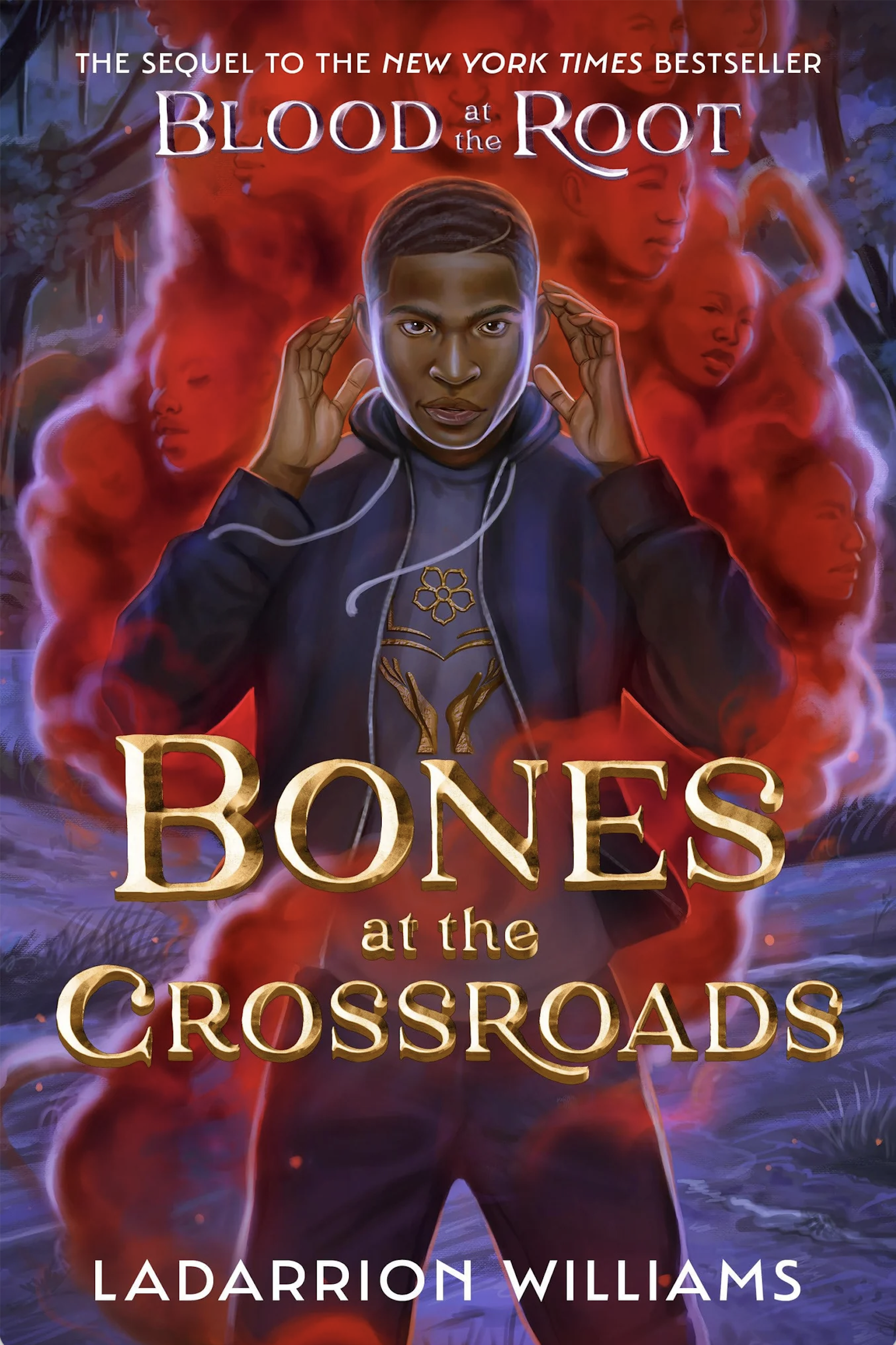
Before you read this review, which is of the second book in the Blood at the Root series, I’d like you to read my review of the first book, Blood at the Root. Why? Because it’s kind of fascinating just how cleanly my reading experience of Bones paralleled my reading of Blood:
I definitely and absolutely have had Malik in my classroom before. Even more so in this book than in the previous one, honestly; Williams calls Malik “messy” in his Author’s Foreword to this book, and I feel like Malik’s messiness, and to be more specific, his temper, maybe hurts him more in this book than it does in Blood. This is a kid who has been handed a raw deal by life on a ton of different levels (the magic kinda makes it better, I imagine) but one way or another he doesn’t handle it like a grown-up. Why? He’s not one.
Watching Malik navigate romantic relationships? Also super familiar.
I would say the moment where Williams absolutely stomps on the accelerator is closer to the 2/3 mark of the book than the halfway point, but while Blood came close to making me cry a couple of times– something that, let me repeat, almost never happens while I’m reading– page 368 absolutely 100% got me. Like, a literal gasp, and a well of pride, and I’m not going to pretend I was sobbing or anything but there were actual real tears.
I am not enough of a nerd that I’m going to figure out exactly what percentage of the book was finished at page 368, and you can’t make me.
NO.
It’s 67.6%, so my estimate was right on the money, fuck you.
Anyway, I referenced “twists and turns and betrayals” in the first review, and … YEAH. Along with some major reveals and some major shake-ups of what you thought you knew from the first book.
And then the Goddamned thing ends on a cliffhanger, and … remember when I was reading Godsgrave, a million years ago, and I said that I’d never been happier to have the sequel of a book on hand before finishing it? The sequel to Bones at the Crossroads hasn’t even got a release date yet, so LaDarrion Williams is about to acquire a new, and very impatient, roommate.
I will ding the book a tiny bit for dragging occasionally before that pedal-to-the-metal moment that carries through the rest of the story, and it doesn’t mean a whole lot to say this is the best book I’ve read so far this year on January 7th, but this was real real good and if you haven’t read Blood at the Root, go pick that up, and read slowly, and maybe by the time you finish Bones the end of the trilogy will be available.
I’m currently trying to clear as many short books as I can off of my Unread Shelf before taking that picture tomorrow, but I’m willing to take it on faith that none of them are going to blow me away, and if they do, well, under the “My Blog, My Rules” rule, I can include them next year if I have to. This is the thirteenth year I’ve done this list, and the fifth time I expanded the list to 15– the shortlist was 28, and the first cull took it down to 15, then I took that down to 10 and then thought about it some more and decided to do 15 anyway. I surprised myself with a couple of these books, honestly; we’ll see what y’all think.
As always, “new” means “new to me,” not “released in 2025,” although the majority of at least the fiction books were 2025 releases and at least one of the nonfiction releases was as well. The oldest book on the list is from 1999.
Also as always, don’t read too much into specific placements. I spend a lot more time thinking about whether books should be on the list at all than where they should be on the list, and if I put this together again tomorrow without looking at it I doubt they’d be in the exact same order.
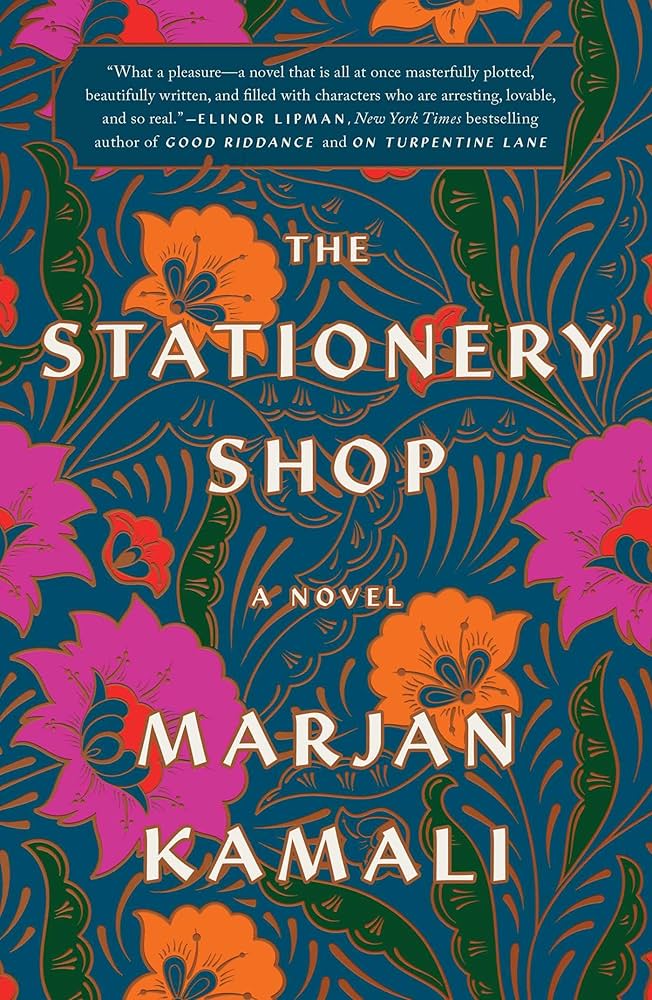
15: The Stationery Shop, by Marjan Kamali. I went back and forth several times about whether this book or Kaveh Akbar’s Martyr! were going to be #15, nearly expanded the list to 16 books, then decided that I remembered The Stationery Shop a lot better and that should make the difference. You’re going to see a theme reading through this list; the quality of the book matters to getting on the shortlist, but going from the shortlist to the final 15 really depends on how much recall of the book I have, which isn’t always perfectly correlated with how much I enjoyed the book when I first read it. At any rate, this is a historical fiction and a love story and it borders on hated litratcher, beginning in Tehran in the 1950s just before the coup that installed Mohammed Reza as leader of Iran. The main character is a young woman whose engagement to a revolutionary is derailed by the coup, and the book bounces back and forth between various periods in her life as she eventually moves to America for college and marries another man. This will hit you in the gut if you ever feel like you lost anyone; the emotional bleed-through from Roya’s grief and loss over the course of the story is intense.
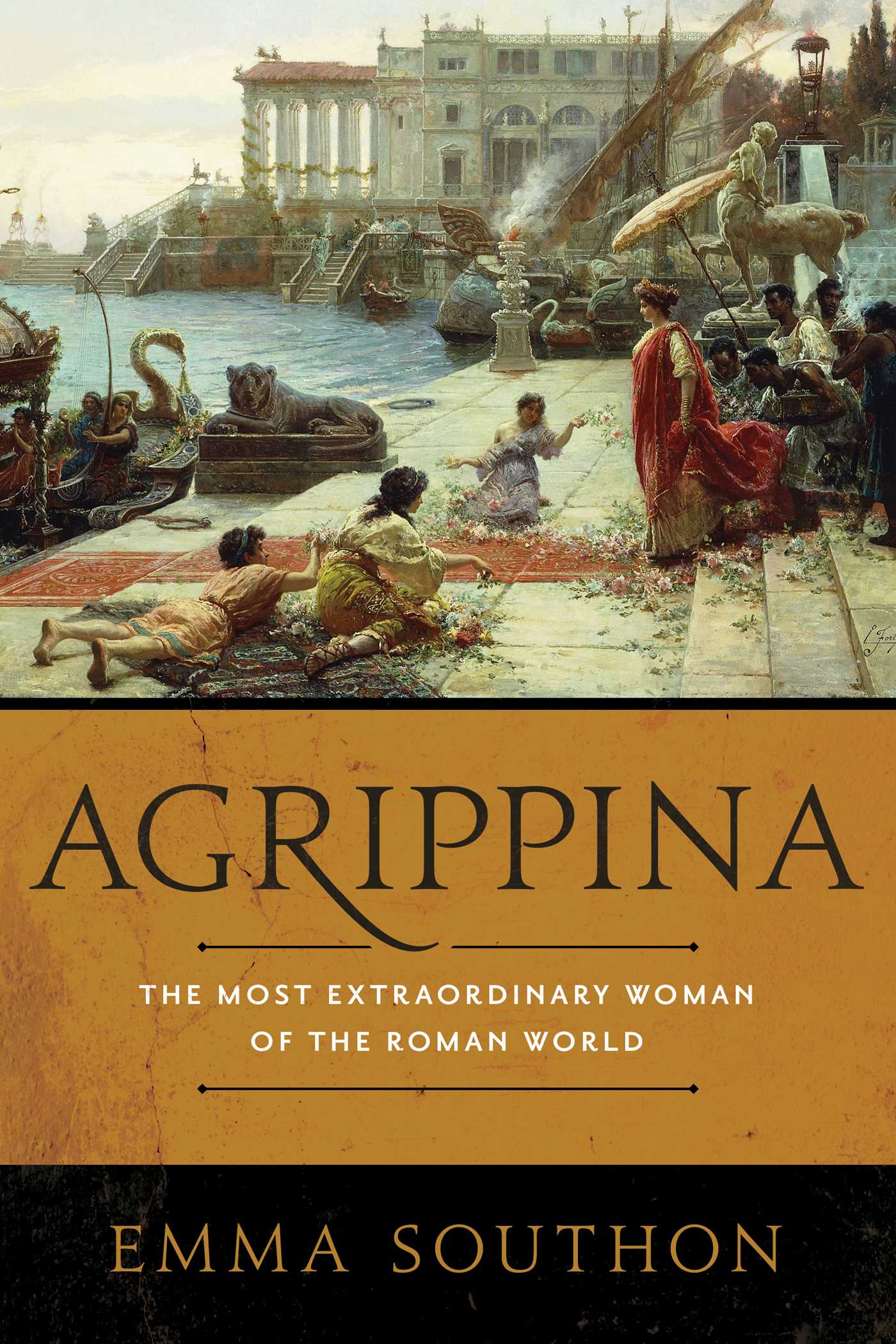
14: Agrippina: The Most Extraordinary Woman of the Roman World, by Emma Southon. I wanted to read more nonfiction this year, and I read a lot of good history in particular this year. Agrippina succeeds on several levels; Roman history can be excruciatingly complicated and dense (Southon riffs on their penchant for reusing names repeatedly) and a lot of the histories I’ve read of the Empire ended up really dry even if they didn’t want to be. This book is both a good biography of one of the more well-attested women in the ancient world and a good general history of Rome, and Southon’s salty sense of humor easily carries the book through what be a significantly trickier read in lesser hands. My only regret is that the book lost its original title in transition to paperback; it was originally subtitled Emperor, Exile, Hustler, Whore, but the publishers apparently rebelled after the hardcover edition came out and forced a name change. If you ever spot the original book in a used bookstore or anything like that for less than $75, please grab one for me. I’ve seen them listed for up to $300, but I don’t want it that much.
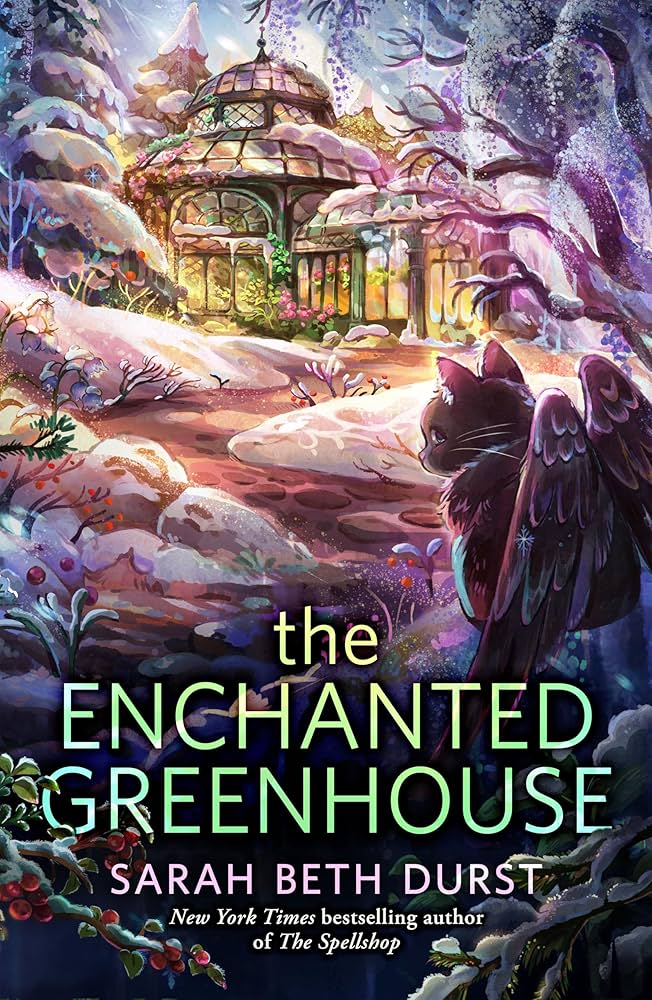
13: The Enchanted Greenhouse, by Sarah Beth Durst. This will be the first and only appearance of the phrase cozy fantasy on the list and the first but probably not the last appearance of the word delightful. This is the second of Sarah Beth Durst’s books that I’ve read, and while it’s notprecisely a sequel to The Spellshop, it’s set in the same world and alludes to a lot of the same events– in fact, the book begins when the main character brings a spider plant to sentience, and said talking spider plant was one of the main characters in Spellshop. It may not surprise you to learn that the book is about an enchanted greenhouse, and that the main plot of the book involves threats to the plants in said greenhouse. This is cozy fantasy! The stakes are not high. The worst thing that could happen in this book is that a bunch of plants might die, and spoiler alert: the plants are not going to die. Terlu Perna is not much of a botanist and not much of an enchanter, however, and watching her and the hunky greenhouse guy she’s found herself inadvertently imposing upon (it’s a long story) try to figure out why the greenhouse is failing and how to fix it is a lot of fun. I’m going to keep reading this series as long as Sarah Beth Durst keeps writing them.
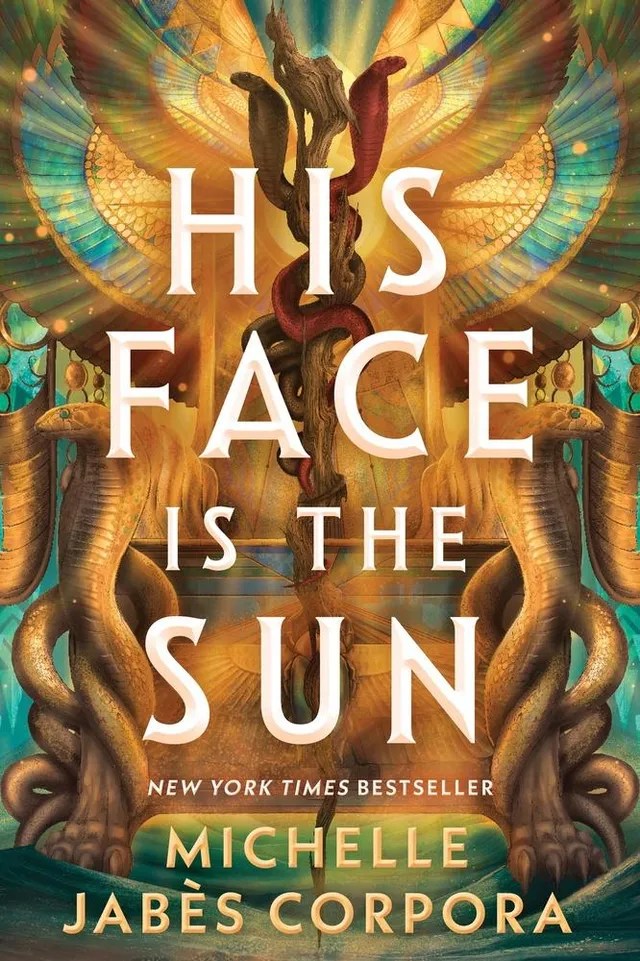
12: His Face is the Sun, by Michelle Jabès Corpora. When I reviewed this in July– brief pause to be surprised it was only July— I called it “#1 with a bullet” on my shortlist. So why is it all the way down at #12? To be honest, I had to stare at the cover for a minute to remember much about it. This feels unfair to the book, because I remember saying that, and it’s not like I’m not rereading my own reviews in preparing this list, but other than “Man, I really liked this book,” and a vague idea that it was set in Not Egypt, I couldn’t remember a damned thing about it. I’m definitely rereading it when the sequel comes out, because I’m not about to let my shitty recall screw up future books. This is a multi-POV book with characters ranging from child of Pharaoh to a farmer’s daughter to a young priestess who sees visions, and the characters interact with each other fascinatingly, popping in and out of each other’s lives over the course of the story. In my defense, even July was a hundred damn books ago. It’s possible that I read too much. Oh, and there’s a cat who sort of serves as a frame character to the entire book. I liked the cat an awful lot. The cat had better be in Book 2.
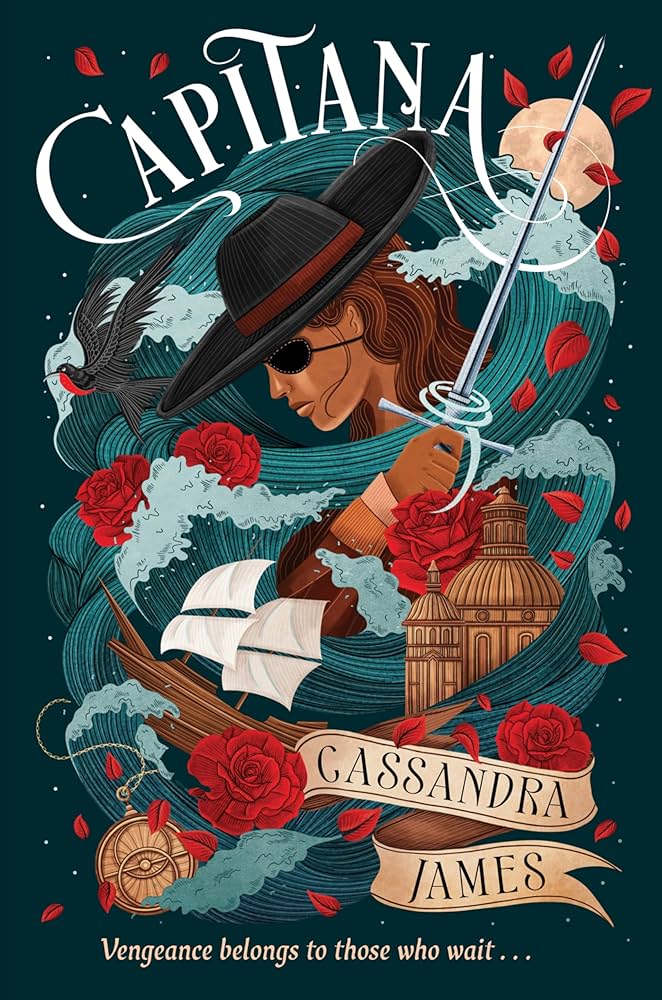
11: Capitana, by Cassandra James. Man, Goodreads really doesn’t like this book– the average review over there is 3.28, which in Goodreads terms may as well be a zero. Why? Apparently Cassandra James said some stuff, and I’m deliberately not going to find out What Kind of Stuff She Said because that would violate my Don’t Want None Won’t Be None rule. If I hadn’t noticed the low score and decided to wander through a couple of the reviews over there I wouldn’t be aware that the author is Considered Problematic, so I’m not going to worry about it and just tell you that this book is about a pirate hunter who turns pirate, and really, that’s generally all I’m going to need to enjoy a book? I like books about pirates. There’s a romantasy element to it, but it’s not overwhelming, and main character Ximena really does need a few things beaten into her head a couple of times before she actually believes them, but she’s also supposed to be seventeen, and … well. I’m well accustomed to the idea that sometimes teenagers have to be told things or be exposed to certain ideas multiple times before they sink in. Feel free to look into James if you’re worried about supporting whatever kind of person she’s going to turn out to be; Illumicrate sent me this one blind, and I enjoyed it, and now it’s on the list.
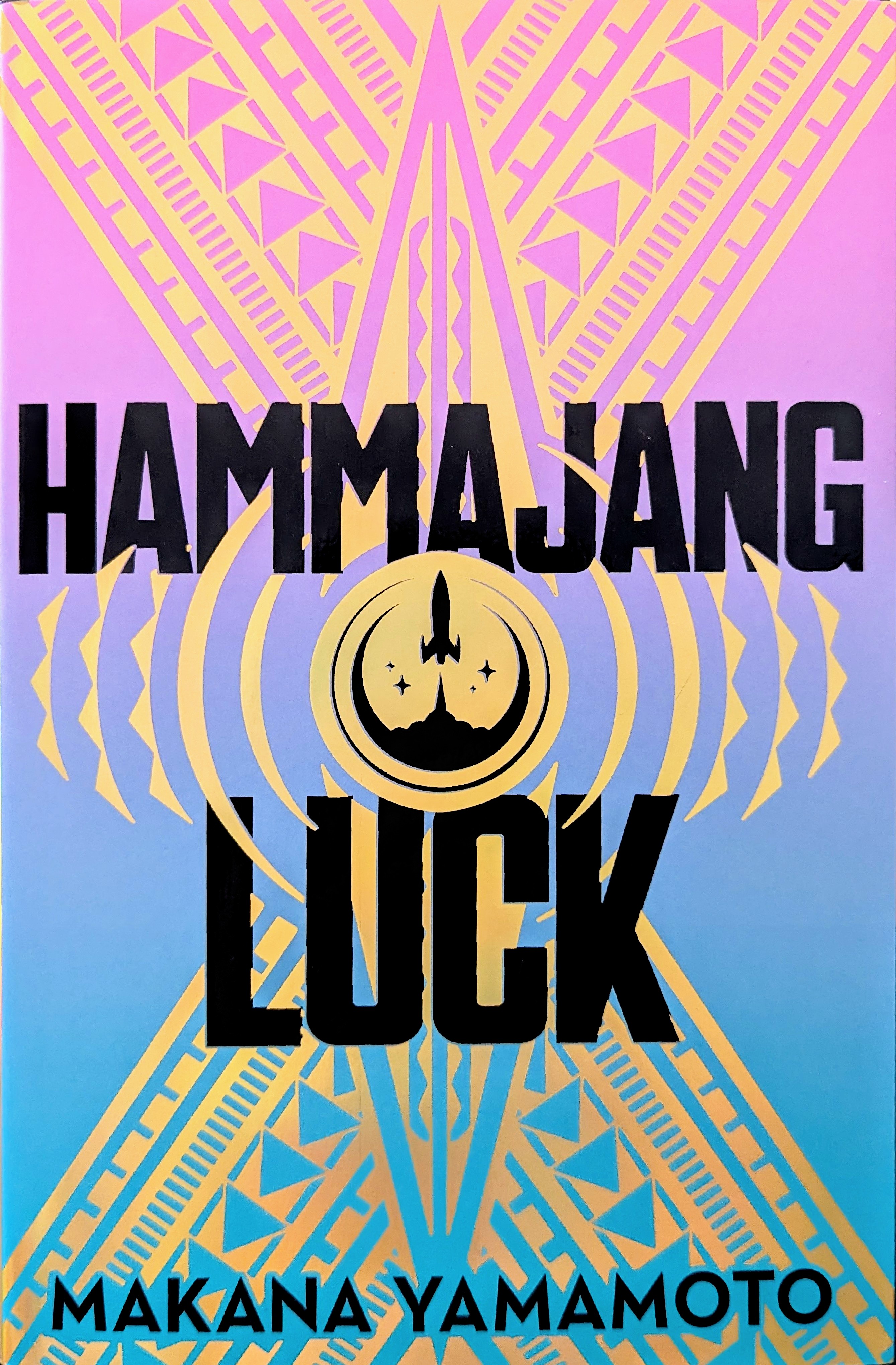
10: Hammajang Luck, by Makana Yamamoto. Speaking of “books Illumicrate sent me,” this one also would never have crossed my radar if I didn’t have a subscription to that service, and speaking of “you had me at the premise,” it’s a Hawaiian-inflected cyberpunk lesbian heist novel set on a space station, and what that means is that if I’d encountered it on my own it would have been an instant buy regardless. There are shifting loyalties and betrayals and an ending that took me completely by surprise and I had an enormous amount of fun reading this. I’m still not sure if this is a one-shot or if there are more planned, but Makana Yamamoto went directly onto my “buy immediately” list after reading this. “Hammajang,” by the way, is Hawaiian Pidgin for “messy” or “chaotic” or maybe “fucked-up” if you’re feeling salty; there’s going to be a decent amount of unfamiliar vocabulary sprinkled throughout this one, if I remember correctly, so be prepared for that. Future Space Station Hawai’i isn’t as nice a place as the original, but it’s awesome to read about.
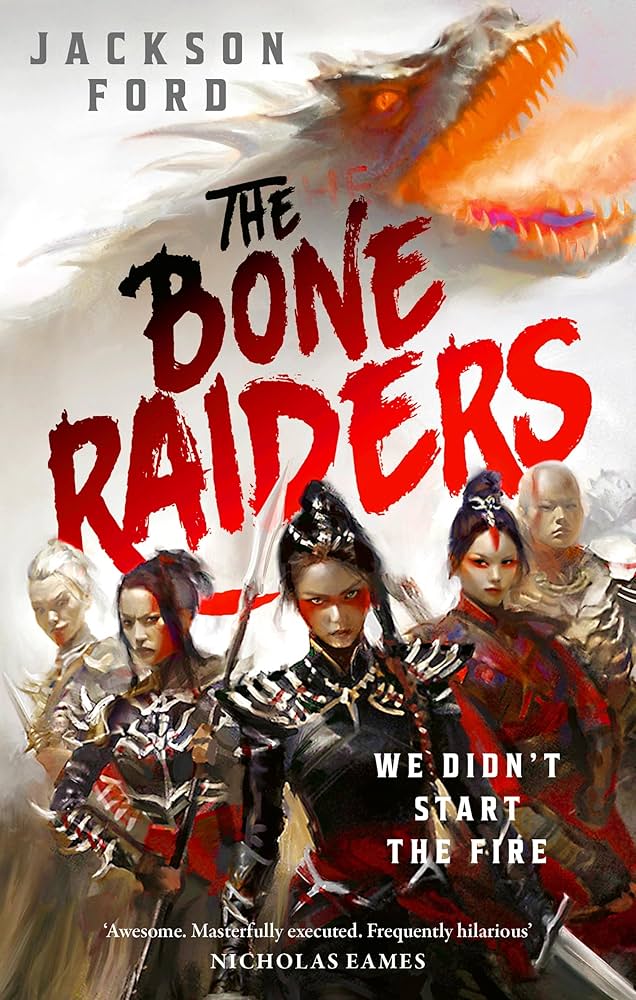
9: The Bone Raiders, by Jackson Ford. This one was originally not on my shortlist, and I looked at my shortlist and thought “Where the hell is The Bone Raiders?” and added it and then it ended up in the top 10. I will reiterate what I said in my original review: please judge this book by its cover. Five badass women of color with a dragon. Okay, it’s not a dragon, but it might as well be a dragon. It’s dragon-adjacent. You are absolutely getting the book you think you are getting from looking at this cover, and I don’t want to beat the phrase “right up my alley” to death in this piece, but … yeah. The band of titular Raiders are called the Rakata, and Genghis Khan isn’t the bad guy but close enough, and damn near every POV character in the book is a woman. This one is definitely book one of a trilogy; the final chapter leads directly into the next book. This book also has the distinction of being more concerned about animal husbandry than anything else on the list. It turns out that’s a plus. I’d never really considered “does this book involve animal husbandry?” before choosing to read something before, but I’m definitely starting now.
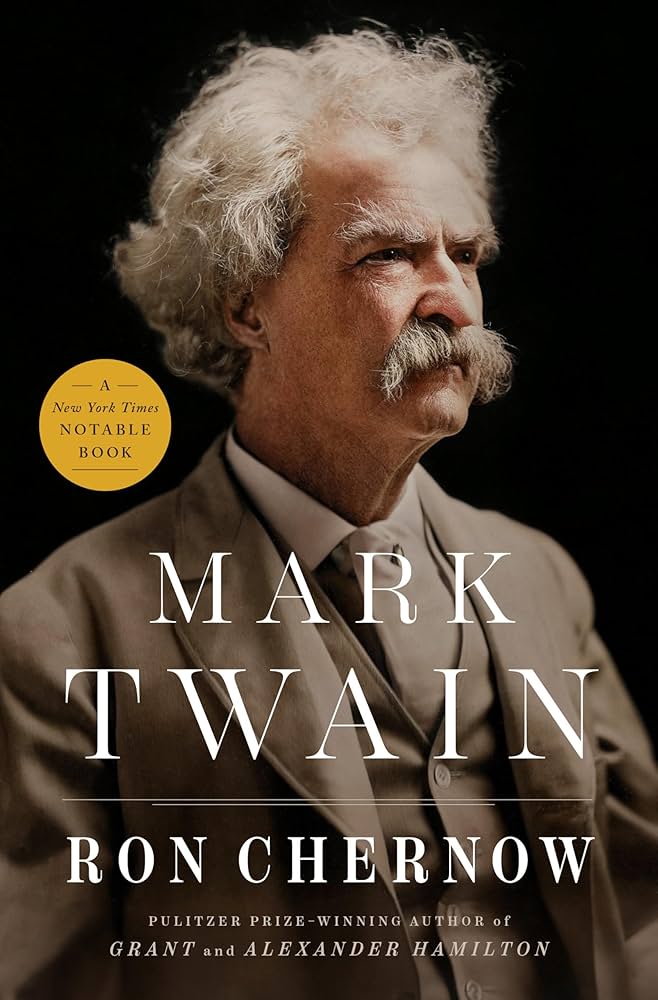
8: Mark Twain, by Ron Chernow. Here’s where we enter the And now, for something completely different phase of the list: Ron Chernow is a known quantity around here; I have read his biographies of George Washington and Alexander Hamilton, and I keep getting surprised by the fact that I haven’t read his biography of Ulysses S Grant. He writes giant doorstops — Twain is 1200 pages — and despite that his books are still quick, propulsive reads. I have to admit that I came away from this book with a slightly lower opinion of Mark Twain as a person than I did going into it, but the book itself is magnificently well-done. I didn’t review the book after I read it, but I did review Mark Twain himself, who gets 3/5 stars as a human being. Writing biographies of authors can be really tricky, as authors don’t necessarily tend to do a whole lot beyond, y’know, writing stuff, but Twain was enough of a world traveler and general hob-knobber of famous people that the book never devolves into “he wrote this, and then he wrote that,” and instead can focus on things like his absolutely absurd number of failed business ventures and his odd obsession with young girls. Which … yeah. Three out of five for Twain. At best.
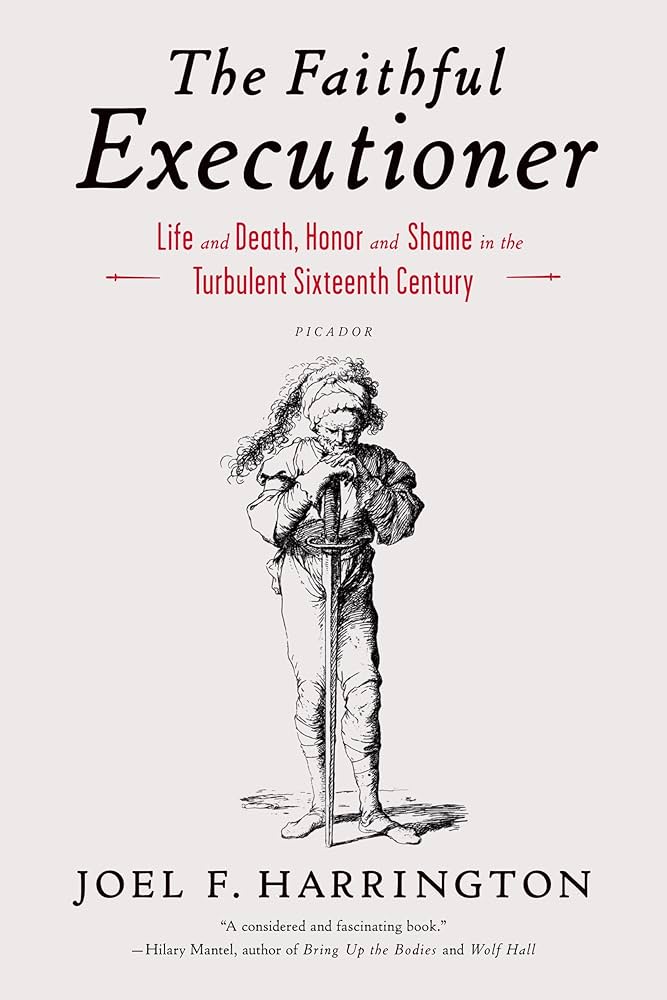
7: The Faithful Executioner: Life and Death, Honor and Shame in the Turbulent Sixteenth Century, by Joel F. Harrington. This one is a biography-but-not-really, of a Nuremberg executioner named Frantz Schmidt. Schmidt left a priceless historical record behind: he carefully wrote down forty-five years of details about the three hundred and sixty-one people he put to death and hundreds more who he tortured or disfigured as an agent of the Imperial City of Nuremberg. He also had a medical practice, as it turns out public executioner wasn’t enough to pay the bills even in the late 1500s. The reason I can’t really call it a biography is that the journal itself didn’t have a ton of details about Schmidt himself, so the book tells us what it can and then pivots to being a history of sixteenth-century Nuremberg and the profession of executioner in general, dipping its toe into Renaissance-era legal theory and criminal justice. The book is chock full of little details that will surprise you– did you know that most executions with swords were carried out with the victim sitting in a chair, for example? — and as I don’t know a ton about the Renaissance era in general, particularly in what would eventually become Germany, so there was a lot to learn here.
6: Galileo’s Daughter: A Historical Memoir of Science, Faith and Love, by Dava Sobel. Hey, look, a theme! Galileo’s Daughter is also a history from the fifteenth century drawn mostly from the writings of its main character, and is also a book that isn’t quite a biography of the person it’s supposedly named after. Perhaps a third of this book is concerned with Suor Maria Celeste, the second of Galileo’s three illegitimate children and the one he had the closest relationship with. Suor Maria was sent to a convent by her father at a young age, but stayed near him for most of his life and exchanged an enormous corpus of letters, from which this book is drawn. You probably won’t be surprised to learn that the book is mostly actually about Galileo through the eyes of his immensely intelligent and doting daughter; you get the feeling that had Suor Maria been born four hundred years later she’d have been a famous intellectual giant on her own terms. Much like The Faithful Executioner, you also get a lot of information about the Italian Renaissance, and again, European history isn’t one of my strong points, so Sobel’s deft hand with her topic was greatly appreciated. This book got recommended to me enthusiastically a couple of years before I finally got around to it; I shouldn’t have waited so long.
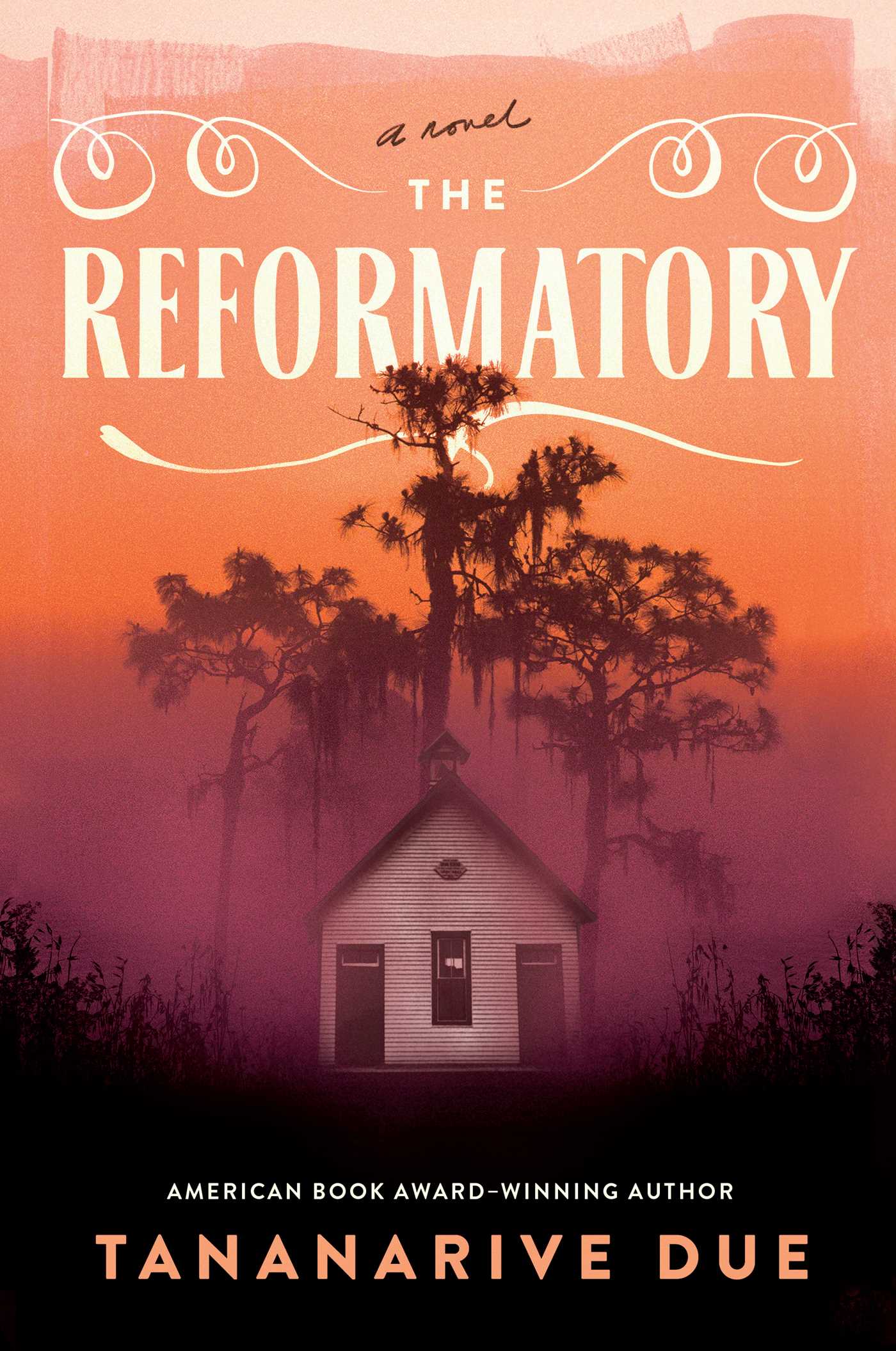
5: The Reformatory, by Tananarive Due. I need to treat Tananarive Due with more respect; I keep being surprised by how much I enjoy her books, and then forgetting how much I enjoyed them later. Well, damn it, The Reformatory is awesome, and I can imagine a world where I put it higher in the top five than it is right now. It’s a historical fiction and a horror story; set in 1950 in Florida, the main character is Robert Stephens Jr, a 12-year-old Black boy who kicks an older white boy who is harassing his sister and is sent to the Gracetown School for Boys, a so-called “reform school” run by an absolute monster of a human being. His sentence is supposedly six months, but everyone knows that anyone sent to Gracetown isn’t getting out before their 21st birthday if they ever get out at all; they will simply find excuses to keep the kids imprisoned for as long as they want them there. This is already a horror story before you get to the ghosts, is what I’m saying, and … well, you can probably imagine that any ghosts sticking around at a reform school are not going to be the happy friendly type. The book bounces back and forth in POV between Robert and his sister, who is doing her best to get him away from Gracetown and is stymied at every opportunity. There are a ton of twists and turns and I enjoyed this one enormously.
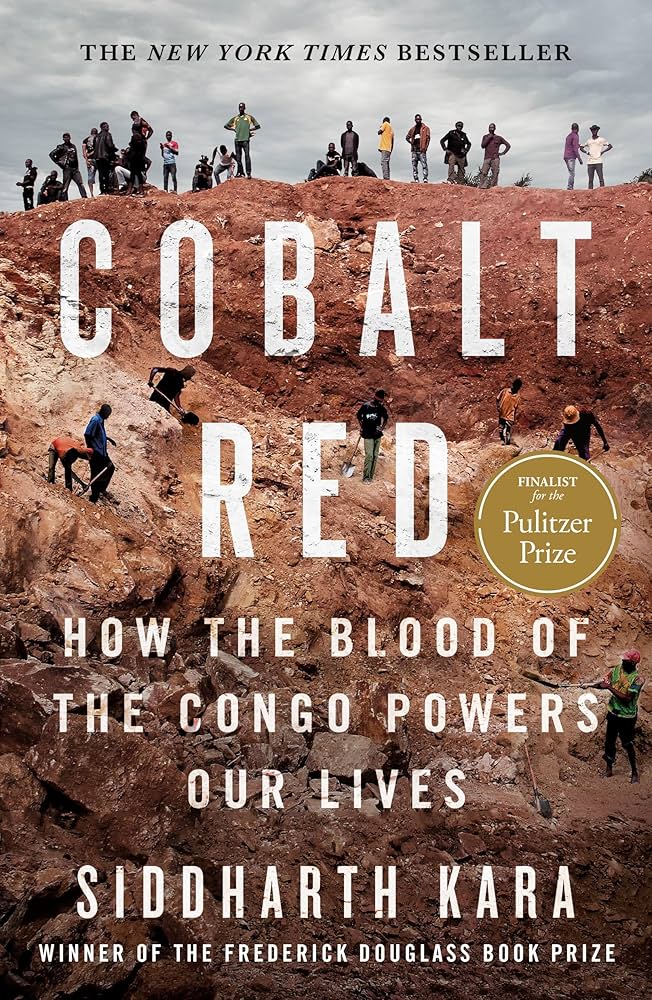
4: Cobalt Red: How the Blood of the Congo Powers our Lives, by Siddharth Kara. This book wasn’t precisely recommended to me; I found it lying on a countertop at my brother’s house and picked it up and before I knew it there was another copy on its way to my house. The Reformatory started what’s going to be four horror books in a row; Cobalt Red is the scariest, by a long shot, as it’s nonfiction and everything discussed in it is absolutely terrible. So, it turns out that cobalt is essential to every lithium-ion battery on the planet, right? And 75% of the world’s supply of cobalt comes from the Congo. And unfortunately you will probably not be surprised to learn that said cobalt is mined under fucking awful conditions, largely by hand and frequently by children, and that very little of the wealth generated by the Congo’s cobalt actually makes its way back to the Congolese. If you’ve ever read Adam Hochschild’s King Leopold’s Ghost, you can consider this book an unofficial sequel to it, as the way modern companies and multinational corporations are strip-mining the Congo and enslaving the Congolese to do it is not especially different from the way Belgian colonizers were exploiting the Congo for its rubber and other natural resources a century and a half ago. This book will make you feel awful, and then you won’t do anything about it, and that will make it worse. Read it.
3: The Eyes are the Best Part, by Monika Kim. This excellent little horror debut was another book box find– not Illumicrate this time, but Aardvark, although once I’d read it I discovered that Illumicrate had their own edition of it and immediately ordered that one too. I called this “deliciously, delightfully fucked-up” in my review, and I absolutely stand by it. Eyes is about a college-aged Korean-American woman named Ji-Won, who lives at home with her family. Early in the book her father abruptly deserts his wife after having an affair, and the rest of the book is equal parts psychological horror, body horror and political indictment of a certain kind of white fetishism about Asian women, as both Ji-Won and her mother attract the attention of men who are terrible in related but different ways and Ji-Won herself suffers a mental break and basically becomes a serial killer. The eyes referred to in the title are fish eyes; there’s a deeply squicky bit at the beginning where her mother waxes poetic about how delicious fish eyes are and Ji-Won, born in the States, isn’t able to bring herself to try them. It, uh, doesn’t last. You’ll need a strong stomach to get through this one, I think, but it’s well worth it.
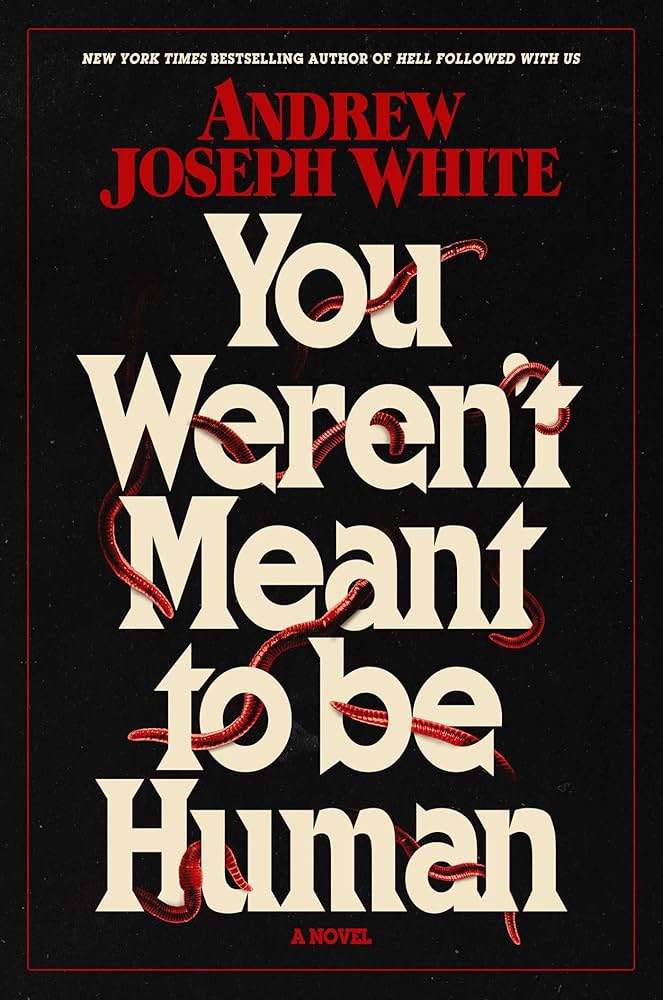
2: You Weren’t Meant to be Human, by Andrew Joseph White. It is possible that if you’re a regular reader and have a decent memory that this one is surprising, as my initial review of this book wasn’t wholly positive. But remember earlier, two thousand or so words ago, where I said that how a book sticks around for me is almost as important as what I think when I first read it? Because You Weren’t Meant to be Human has crawled into my brain and lives there permanently now. I’ve recapped my own reviews repeatedly through this piece but I’m going to directly quote myself here:
Y’all, I’m okay with it if I never read another body horror again. I’m good. I’m happy with naming this book the pinnacle of the genre and then never touching it again. This is one of the most brutal and harrowing books I’ve ever read and has one of the most shocking and grotesque endings I’ve ever seen … and I did not enjoy one single second of reading it.
That’s still one hundred percent true. You should absolutely go read my original review before you pick this one up if you’re curious, because it needs every single one of the trigger warnings before you read it, and I do not blame you one bit if you read my review and decide it’s not for you. I’m not even sure it’s for me, and this is also a book where I got a special edition right after reading my Aardvark copy, although in this case it was part of the regular subscription and not one I picked on my own.
This book is fucked up, and it’ll fuck you up, and it fucked me up, and as I’ve gotten farther away from it I’ve lost a little bit of my original “God, no” reaction to it and just come to appreciate the sheer amount of craft necessary to write it in the first place. It’s simultaneously one of the best books I read this year and easily the least enjoyable. Do with that what you will.
And finally …
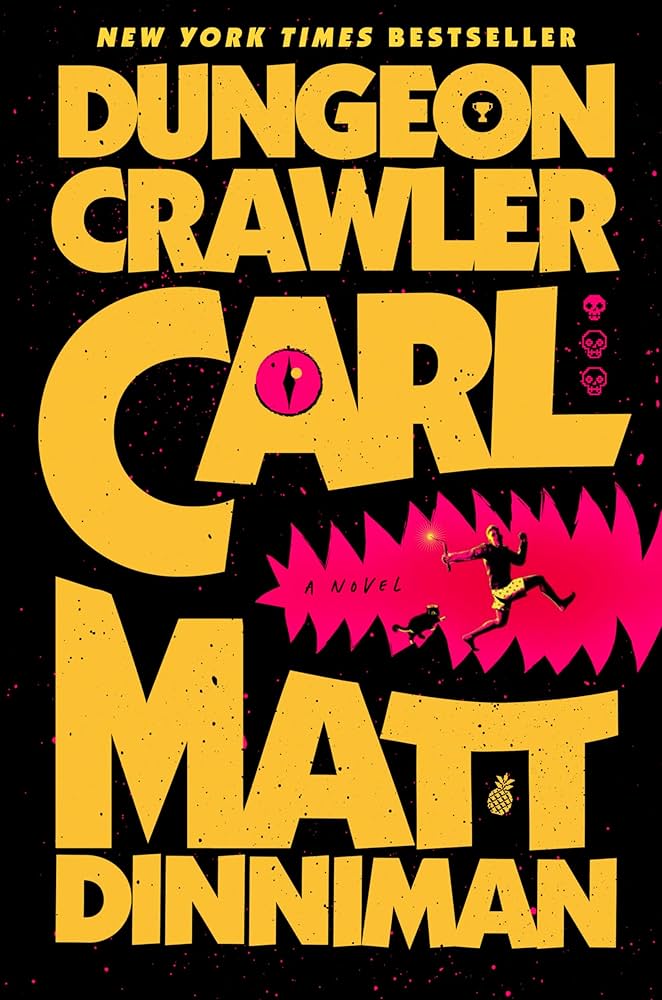
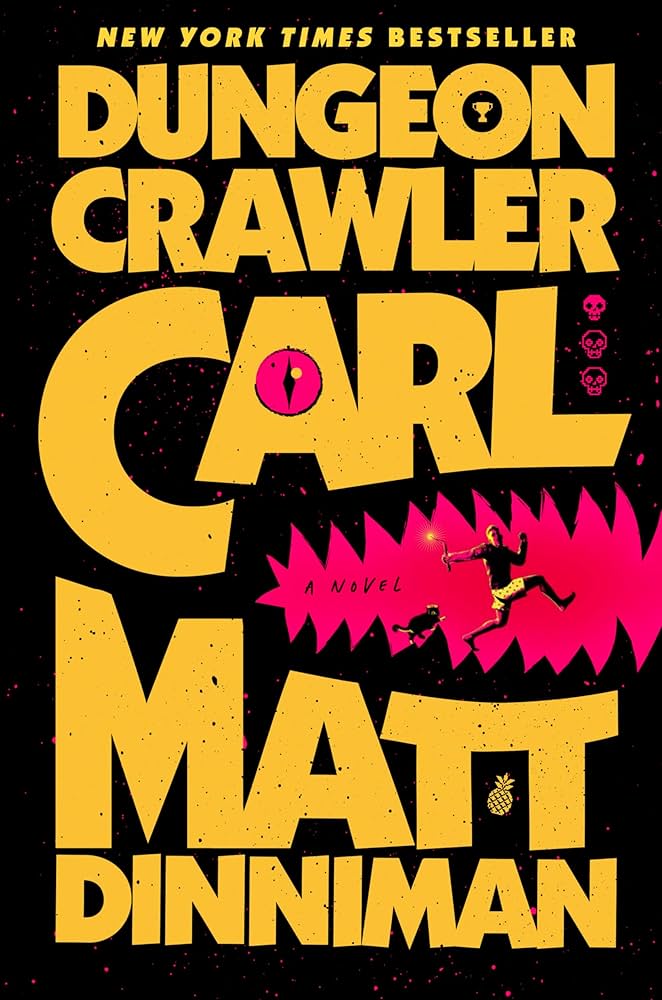
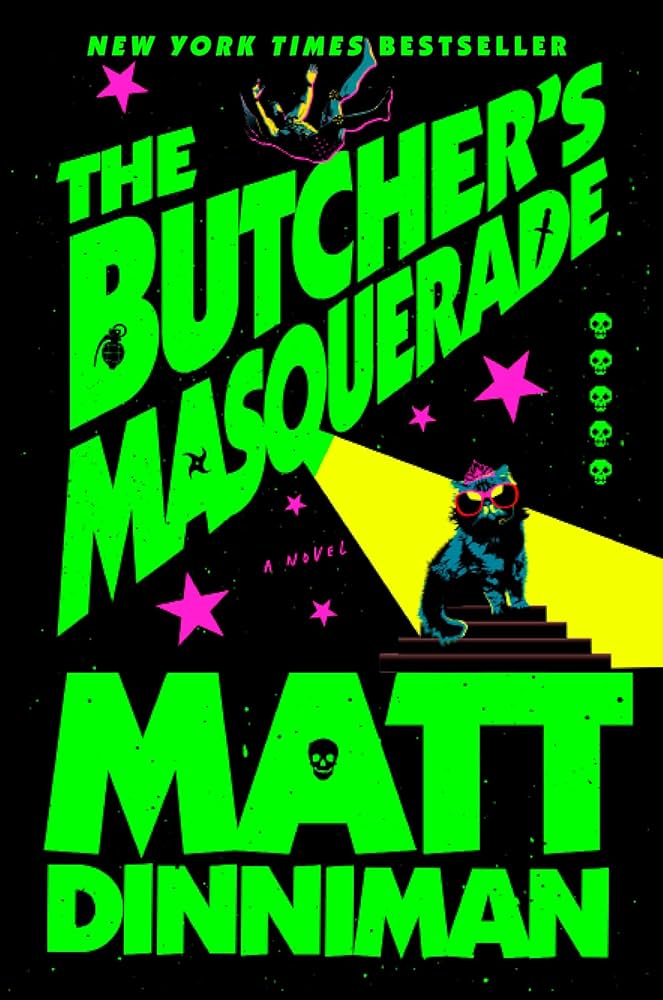
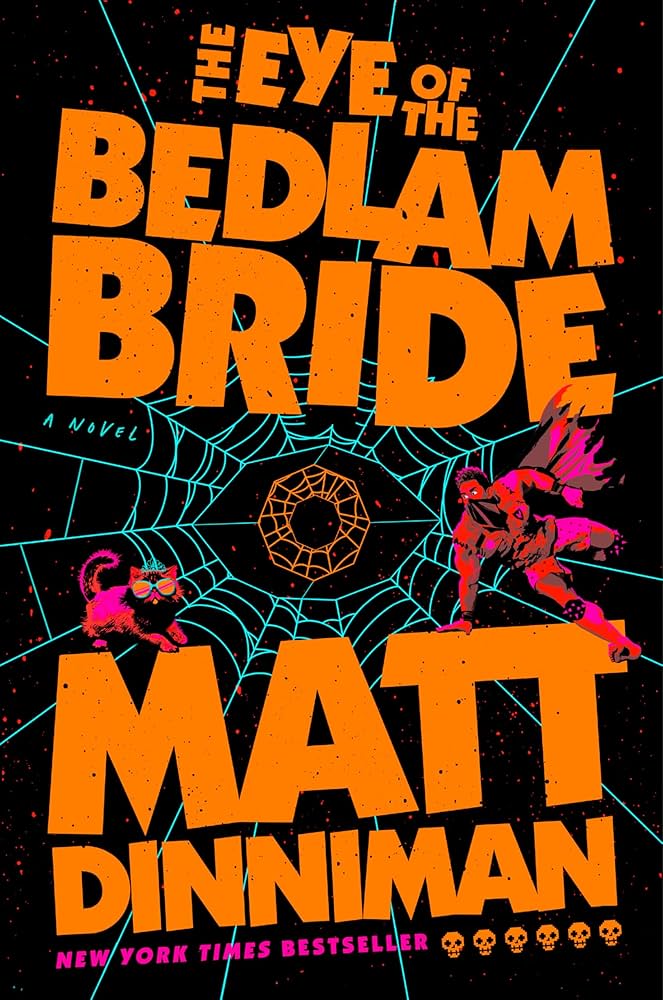
1: Dungeon Crawler Carl, by Matt Dinniman.
Oh, shut up.
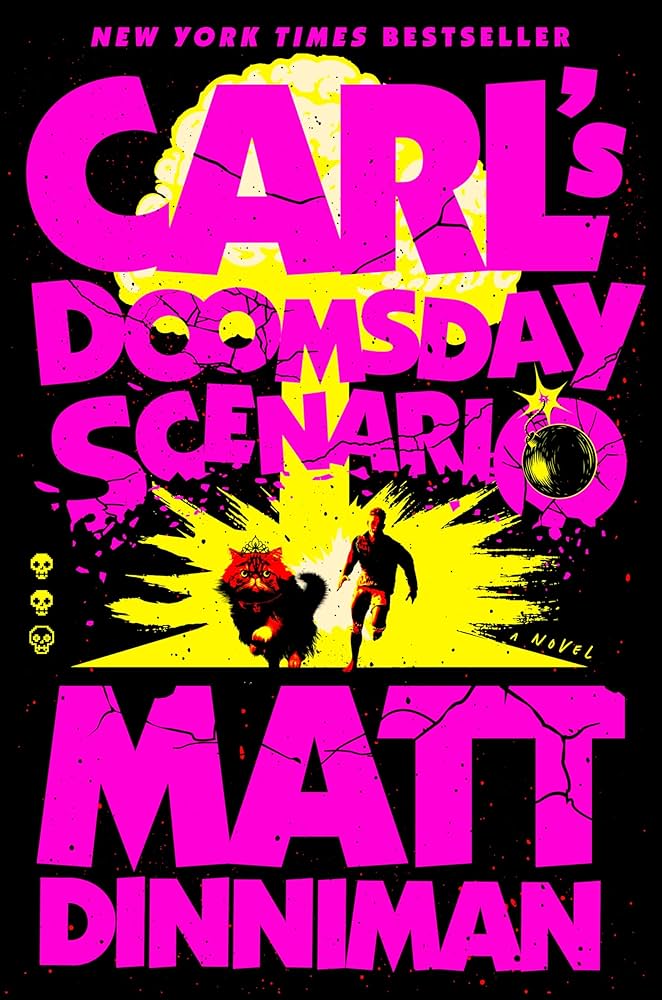
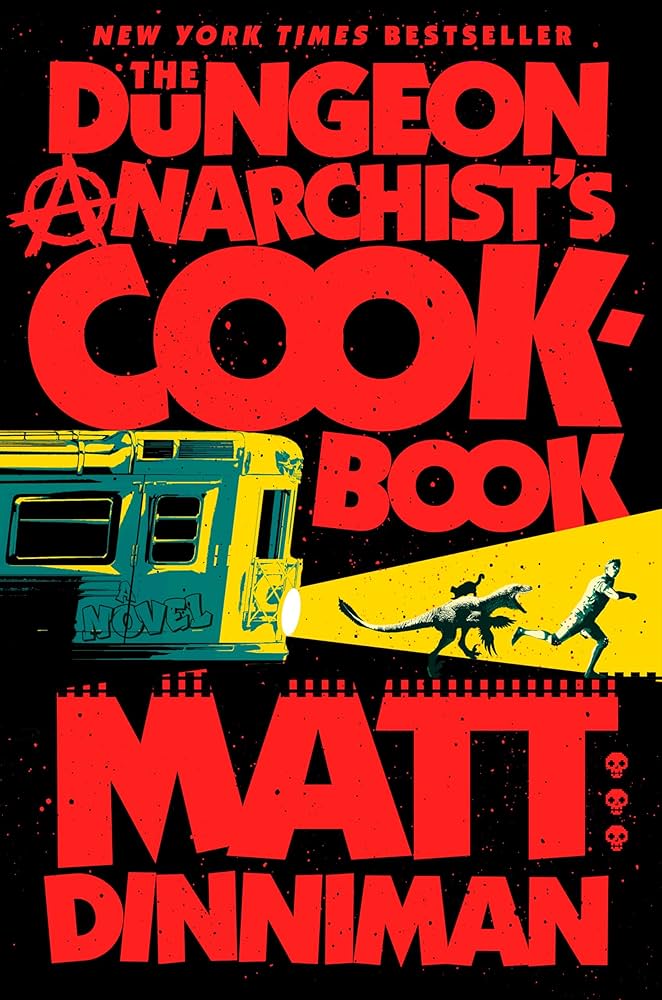
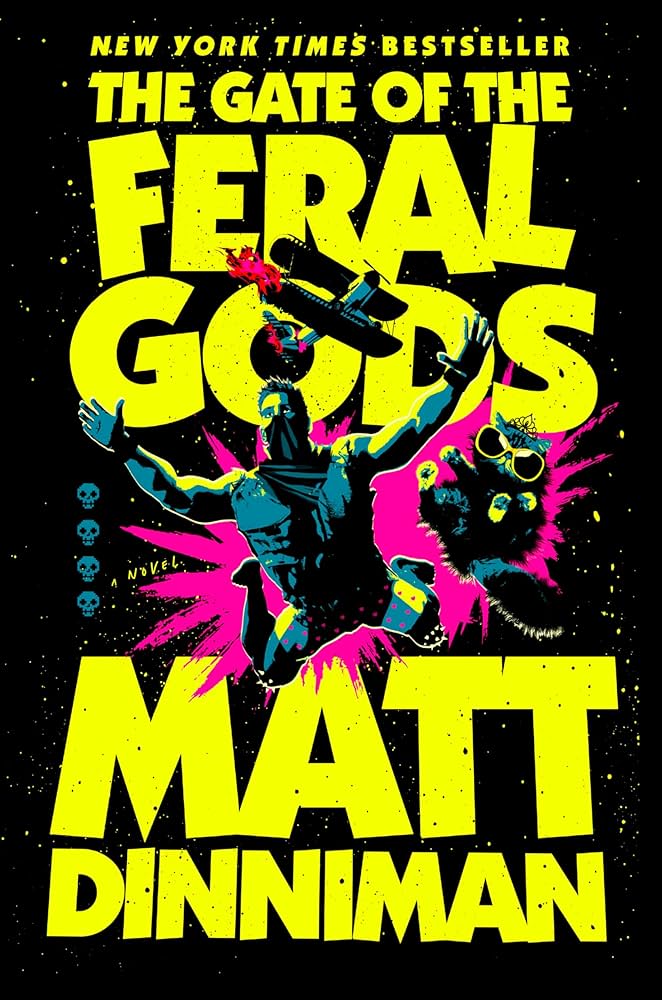
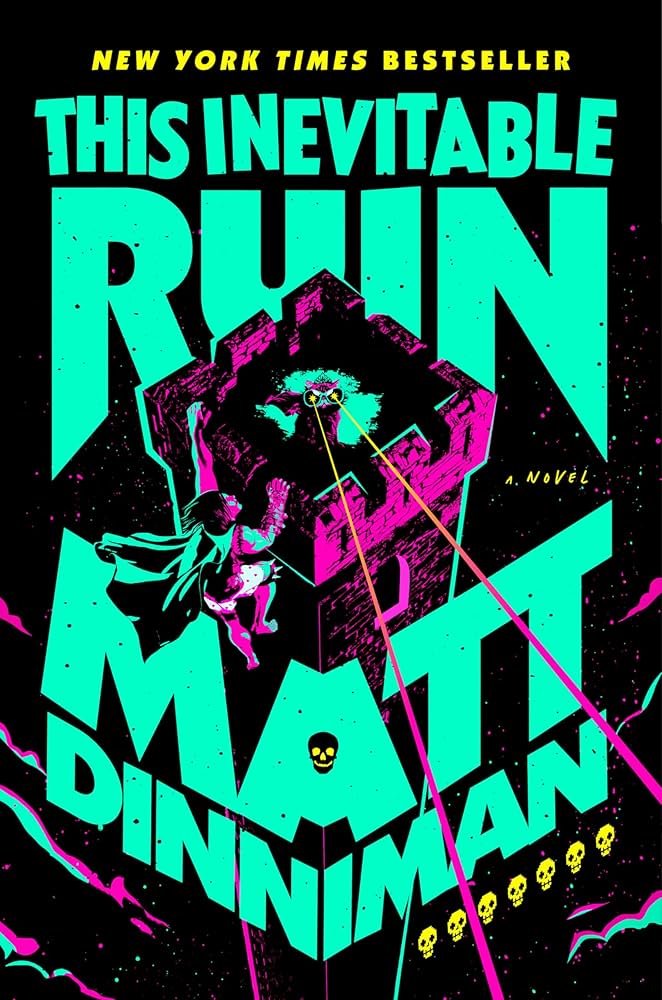
I’m cheating here a little bit. The Dungeon Crawler Carl series is currently on Book Seven, with Book 8 due out next year and at least two more planned to follow after that. I read all seven of them in 2025, and of the seven, the last three all made the shortlist. I suppose if you put a gun to my head I could put This Inevitable Ruin here and not the first book, but we’re going to go with using the first book as a stand-in for the entire series. My blog, my rules, dammit.
I understand the people who have resisted this series, I genuinely do. The idea that there are seven books and probably at least six thousand pages about some random dude and his talking cat who get sucked into an intergalactic role-playing game after Earth is invaded and mostly destroyed, with leveling and magic and weapons and ability scores, and that their job is to fight through successive levels of an actual dungeon cobbled together from the ruins of Earth for the televised enjoyment of the rest of the sentient species of the universe, is so fundamentally ridiculous that I cannot blame anyone who refuses to go near it. But not only does the Dungeon Crawler Carl series overcome its own absurdity, it’s a giant fantasy mega-series that is somehow getting better as it goes on. And it’s not just me! Damn near everyone I know who has read these books agrees! They start good and they keep getting better. My wife is not a huge fan of fantasy, and she picked up the first book begrudgingly, on my recommendation (much as I picked it up begrudgingly, on the Internet’s recommendation) and she read all seven books back to back. That is not a thing she does!
These books are amazing, and Matt Dinniman is some sort of evil genius, and it is entirely possible that I will read the entire series again before Book 8 comes out, and it would be utterly absurd for me to pick anything else as the best thing I read this year.
HONORABLE MENTION, in NO PARTICULAR ORDER: The Message, by Ta-Nehisi Coates; The God of the Woods, by Liz Moore; Martyr! by Kaveh Akbar; The Bones Beneath My Skin, by TJ Klune; A Drop of Corruption, by Robert Jackson Bennett; Revelator, by Daryl Gregory, It Rhymes with Takei, by George Takei, Harmony Becker & Steven Scott; Advocate, by Daniel M. Ford; The Blighted Stars, by Megan O’Keefe, A Promise of Blood, by Brian McClellan; An African History of Africa, by Zeinab Badawi, Shadows Upon Time, by Christopher Ruocchio, and The Silverblood Promise and The Blackfire Blade, by James Logan.
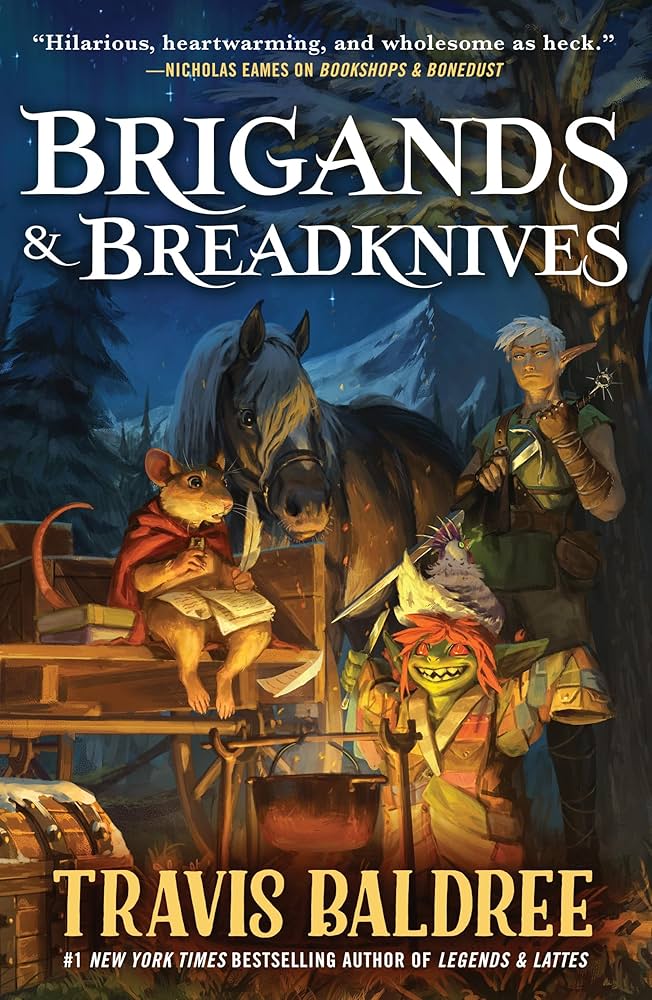
A warning: I haven’t even written it yet, and I feel like this review might be a little unfair, so adjust your expectations accordingly. This is the third Travis Baldree book I’ve read and the third review I’ve written of his books, which means that I’ve cursed at autocorrect for changing “Baldree” to “Balder” approximately one hundred and forty thousand times.
I loved his first two books. Legends & Lattes was my second-favorite book of 2023 and Bookshops & Bonedust, the prequel follow-up, was an honorable mention. And I’m going to be a bit of a wanker and quote myself in my write-up of L&L for the Best Books of the Year post:
The sequel is on my shelf right now and I haven’t read it yet because it’s set before Viv opened the shop and I’m not sure I’m nearly as interested in her as an adventurer. I want more of the coffee shop. I will read about Viv and Tandri making delicious coffee and being quietly and happily in love for a hundred years, and I will love every second of it.
And Brigands and Breadknives is about Fern, the ratkin bookseller from Bookshops & Bonedust, so it’s still not a book about Viv and Tandri. Now, I knew this going in! Fern’s right there on the cover, and Viv and Tandri are nowhere to be seen. But I figured that since it was at least a chronological sequel to L&L, we’d have a good amount of both of them in there anyway, right?
Not only do we get very little of Viv and nothing of Tandri, the book starts with Fern screwing both of them over, and to make things worse, abandoning Potroast, who was absolutely the best thing about the second book. This book is basically about Fern’s character flaws. I mean, there’s other stuff going on, but I came very close to abandoning this book, which was shocking to me. And what makes this somewhat unfair is that I’m basically punishing the book because Travis Baldree, for the second book in a row, didn’t write the book I wanted him to write, which … isn’t exactly his job as an author? But I didn’t like Fern as a character nearly as much as Viv and Tandri going in, and when Fern gets drunk and pulls a huge asshole move within the first few chapters, I switched from “I don’t like her as much as I like these two characters I really like and this cool pug-owlbear thing” to “I don’t like this character at all, and I want the people I liked back.”
I dunno. It’s not a bad book. I can’t and won’t make that claim. It has a lot of the same strengths that made the previous two books such a pleasure to read, so it’s entirely possible that someone else with slightly different preferences about the characters might have different feelings, and I wouldn’t argue with someone who really liked it. But, man, it just wasn’t what I was looking for, and I still want my damn Viv and Tandri book. They got married! OFF-SCREEN! Write that goddamn book, Travis Baldree!
A slight sidenote, and I’m gonna quote myself again, because I suck:
I need a word for the precise moment when you realize you're not enjoying something you really hoped was going to be awesome.
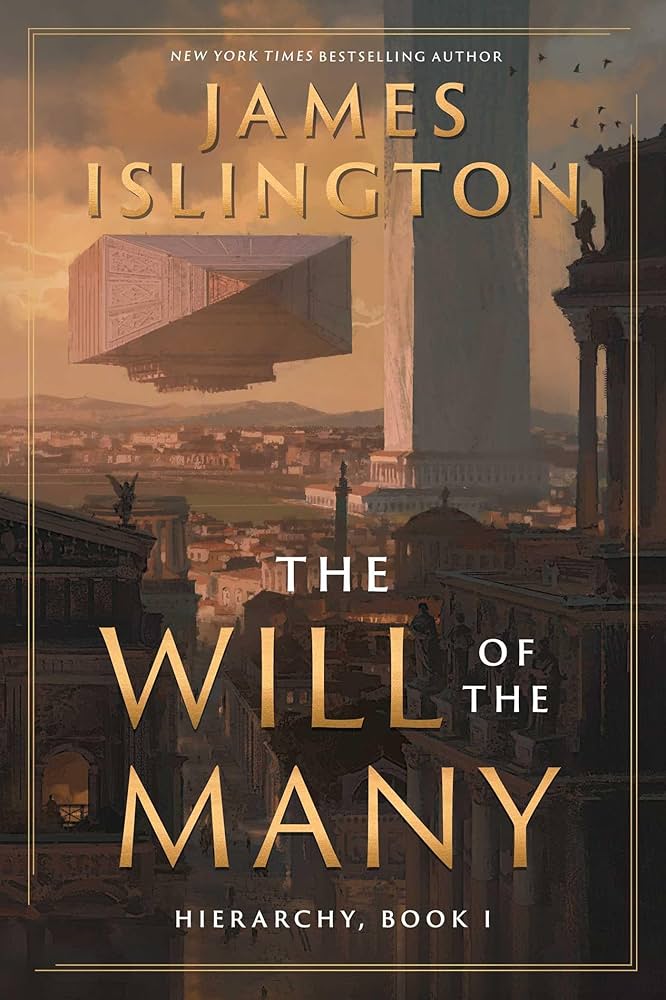
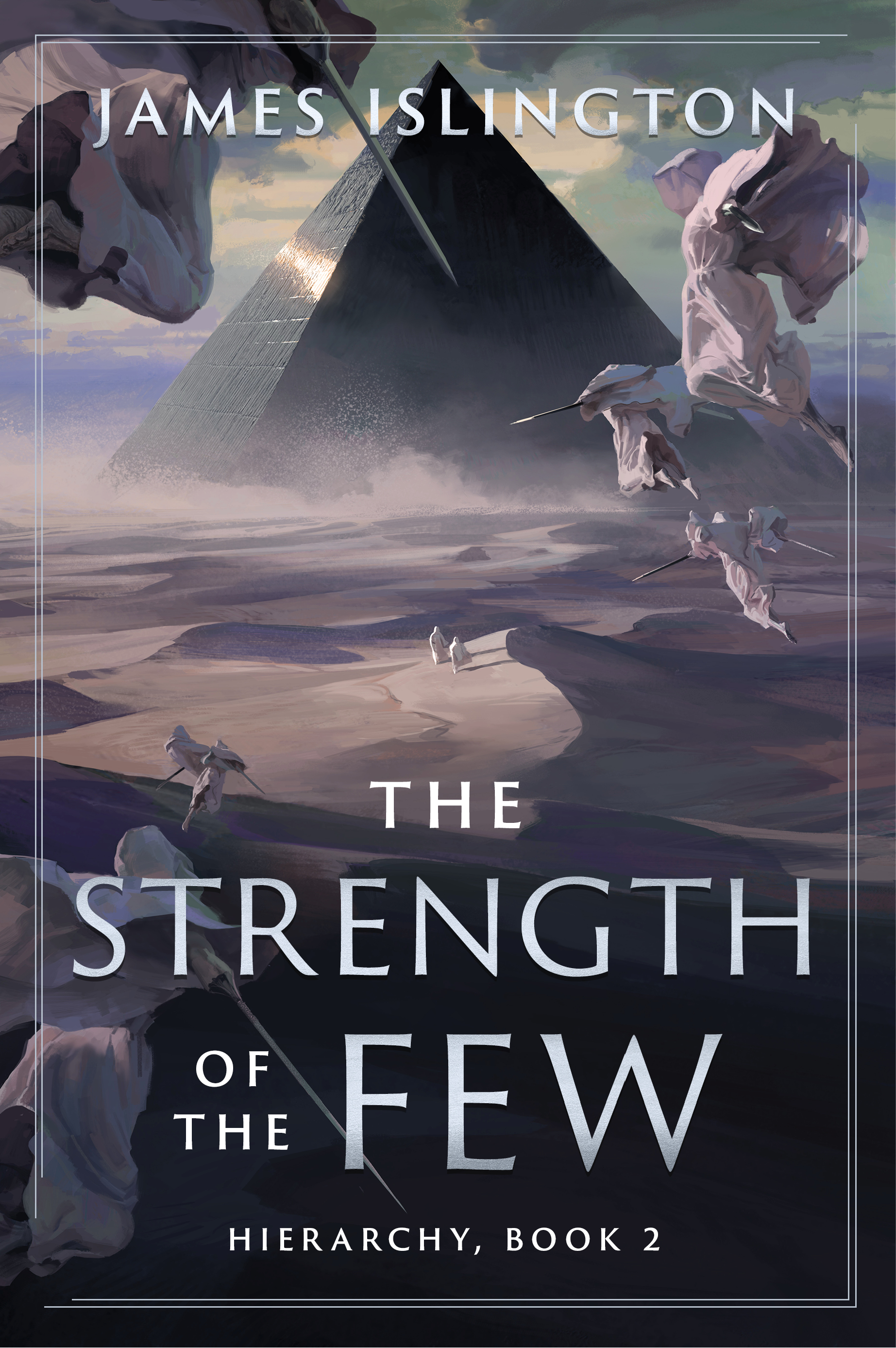
The original coverThe new coverThe “are you fucking kidding me” cover of the sequelThe main cover of the sequel
I make bad decisions, guys, and it seems like James Islington’s books are just absolutely committed to proving that at their every opportunity.
Islington has written, to my knowledge, five books. I own six of his books. I have read three and a quarter of them. I have liked one of them. I bought and read The Shadow of What Was Lost, the first book of his Licanius trilogy, three years ago. I did not like it very much, but the book as a physical object was remarkable, and I bought the entire trilogy before finishing the first book. I made it, if I remember correctly, less than 25% of the way through the second book before deciding I was done and putting it away. Other than placing it on the shelf and perhaps moving it to a different shelf once or twice, I have barely touched the third book and have never opened it.
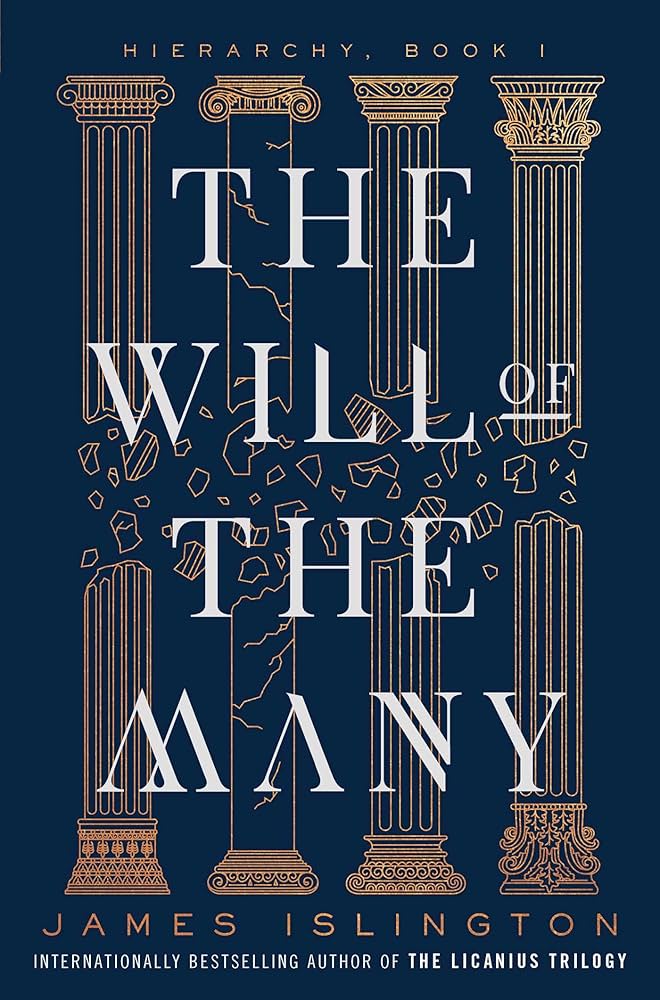
Somehow, this did not prevent me from buying The Will of the Many when it came out– and I bought the original cover, the one with the columns up there. I read it and quite liked it– the world building was a little shallow, and the plot not especially unique; every “brilliant young person goes to a Special School” book is gonna have some major similarities, but the Rome-inflected world was at least interesting if, again, not very deeply thought-out, but whatever.
Then I started seeing the book on shelves with a whole new cover. You know this about me; I like my shit to look nice and clean, and midseries changes to covers annoy me tremendously, and I didn’t want to buy a second copy of the first book just to match the second on the shelf.
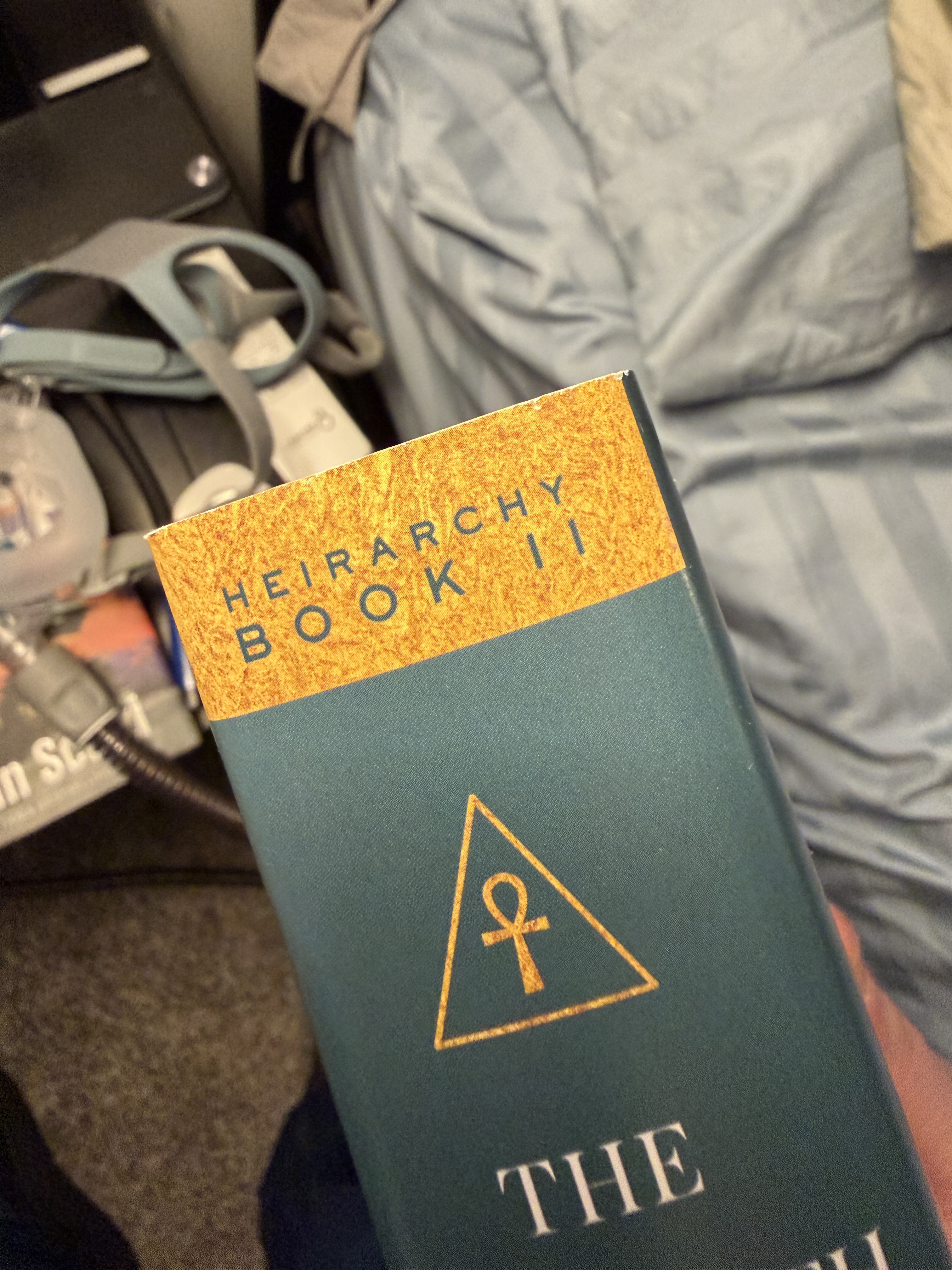
And then they made an announcement that all copies of The Strength of the Few would have reversible covers, one to match each version of the original cover! My understanding is that Islington himself was behind that decision, which I both support and tremendously appreciate. My man knows his audience! Good on you.
The fucking word “Hierarchy,” the title of the series, was spelled wrong on the spine.
I swore– a lot– and then said “Fuck it, this is why I have a job” and bought a new copy of the first book so that it would match. I cannot display a fucking spelling error on my bookshelves. Unimaginable.
(Right about here is where I’m going to stop reviewing myself and start reviewing the books, btdubs.)
I decided that since I was getting a new copy of the book anyway, I’d reread Will before diving into Strength. This, I feel, was the right move. I read so much that most of the time I have read literally hundreds of books in between any given book and its sequel, which means that I frequently don’t enjoy sequels as much as I should because I simply don’t recall the first book as well as I should. And I’d already had one Islington series go sour on me, and I didn’t want it to happen again.
The Will of the Many was an excellent read the second time through as well. It’s a genuinely good book. I stand behind it.
The Strength of the Few … was not. I’ve got it three-starred on the various book services right now and I genuinely might move it down to two. And the most frustrating thing is that a lot of the problems with Licanius are showing themselves again in Hierarchy. It was okay that there wasn’t a whole lot of clarity about how the wider world worked in Will, because the main character was confined to this little school on a tiny island and wasn’t really interacting with the wider world, so when you’ve split the … government? into Religion, Governance and Military and not really defined what it means to be “in Religion”, or when you have a couple of characters who are in the Senate, because this world is based on Rome somehow so there has to be one of those, but haven’t actually really said what the Senate is for, you can get away with it. But you’ve got to broaden that scope out in any sequel, especially when you end Book One, which was mostly a hunt for What Really Happened to the MC’s adoptive father’s brother, by splitting the entire universe into three parallel planes. At that point, I would like to understand how all this works. The main character exists in all three worlds in book two, only at least two of the three versions of him don’t know that he’s in all three worlds, and one of them is Egypt-except-not, and one of them is, bewilderingly, Wales-except-not.(*)
It means that the world you’ve learned about in the first book is only a third of the second book, and the other two worlds genuinely aren’t very interesting (not-Egypt is better than not-Wales, but not by much) and that’s before he starts sidelining and/or killing every interesting female character in the first book, and it’s also before you hit the No One You Thought Was Dead Is Still Dead part of the book, which is just fucking annoying.
There’s also a form of magic called Will, and an interesting setup in not-Rome where society has organized itself into pyramids where everyone pledges part of their Will to the people above them, and Will does stuff but it’s not entirely clear that Islington has figured out the parameters of what it can do, nor is it clear to me why holding someone’s hand and saying “I cede you my Will,” or whatever the code phrase is, lets them take part of your life essence away from you. It’s rigorously codified without actually making a whole lot of sense, which is not a great combination. I feel like if you poked the whole system too hard it would collapse.
(Even the school the MC attends in the first book was … kinda sketchy, as far as the worldbuilding goes. It’s also organized into tiers, and the MC moves from seventh tier to third over the course of a single semester, but everybody seems to be the same age and it’s not at all clear how often or even whether anyone graduates, or how long they’re supposed to be there, or really even what they’re studying; dude mentions that his classes are getting harder a few times but never really says why, and nothing is ever difficult for him, really.)
I damn near DNFed the second James Islington Series Volume II in a row, is what I’m saying here. It’s just not nearly as good as the first book, and again, much like the first series, I feel like the central conflict is not well defined here. The first book was a pretty straightforward “find out what happened to this guy” thing, and it got more complicated than that but that was basically what was going on. Now there’s a Cataclysm every three hundred years (what happens during a Cataclysm? Bad stuff, but … don’t ask what kind! People die, alright?(**) It’s bad!) and apparently we’re going to stop it somehow, I guess, and something something worlds got split up, and …
<spits>
Blech.
Again, I’m an idiot, so I’ll probably pick up the third volume when it comes out (I hope there are only planned to be three, but who knows) just for completeness’ sake, because it would really piss me off to have two copies of the first book, one of the second, and not have the third) but I think I probably have to be done with this guy after that unless everything really turns around.
(*) This got me thinking about how Rome and Alexandria, two massively different cultures, are only 1200 miles apart. That’s about the distance from northern Indiana to Houston.)
(**) The phrase “all right,” which is two words, not one, and I will let you get away with “alright” in dialogue but not much else, is misspelled every single time it appears in both books. I hate it.
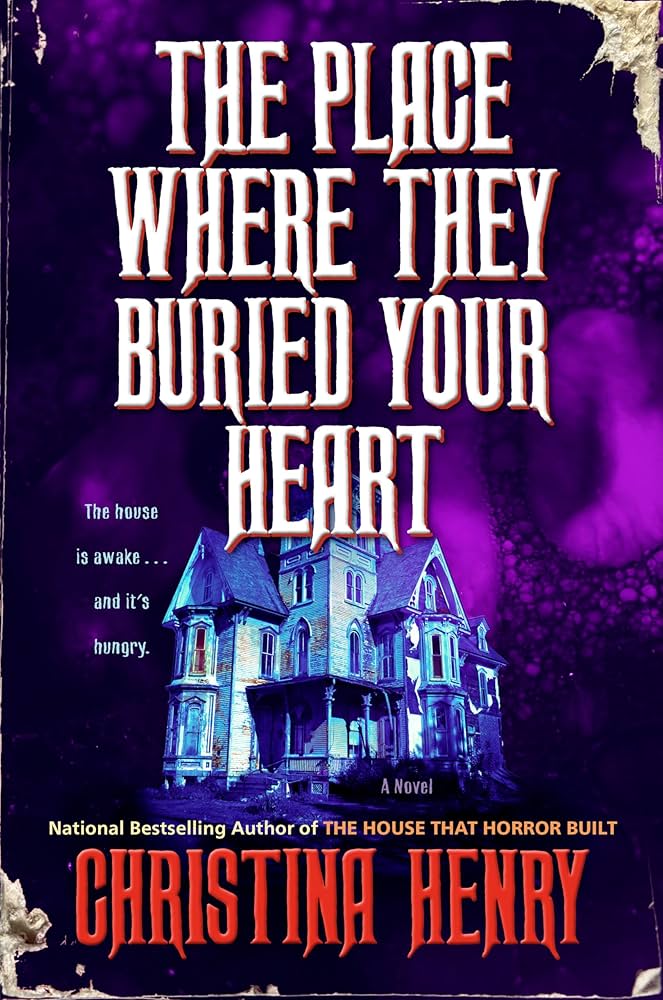
My Aardvark book box subscription scores again; the books from this service have consistently surprised me with their quality, especially the horror novels, which have produced some of my favorite books of the year– books that I’d never have come across were it not for the club.
I need to get something out of the way first, though. This is a haunted house book. It’s a pretty damn effective haunted house book. You can really stop reading here if you want! You probably already know if you like good haunted house books, and if you are that guy, go grab this.
That said: the verb that keeps getting used throughout this book about what the house does to people is eats. The house eats people. The main character is Jessie Campanelli, fourteen years old at the start of the book (and living in a neighborhood near where I lived in Chicago, and in high school in 1994, which was the year I graduated, so this book hits home in a few places) and sick at home in bed, when she dares her annoying little brother to get a couple of his friends and go spend half an hour in the creepy old house down the road.
One of his friends loses an arm. Paulie is never seen again. The house ate him. And it’s immensely creepy and atmospheric in the book, but God help me, every time I saw a reference to the house eating someone, I was reminded of this:
(Forgive me, please, Christina Henry; your book is way way better than Death Bed: The Bed that Eats, which Oswalt gets the name of wrong every time he mentions it, but I couldn’t get past the eating.)
Jessie, who is an adult with an elementary-aged child by the end of the book, spends her life living in the house she grew up in, and Paulie’s death reverberates throughout the book, leaving scars that eventually rob her of her entire family and bring her one of her own. The book does a great job of capturing the kind of working-class, multi-generational families that Chicago’s neighborhoods are known for, and the relationships, bad or good, between Jessie and the rest of the characters in the book are a definite highlight. Jessie herself is kind of a mess, but she’s earned it, and her determination to better herself and keep her son safe is kind of inspiring.
I read this book in about four hours, a hundred pages before bed and the rest this morning before I was able to do anything else. It’s hard to put down, and the pacing is masterful. It’s creepy as hell throughout, and if anything I could have gone for another fifty pages or so to beef up the ending a bit. The book doesn’t quite fumble the finish, but the ending does feel a little bit rushed, which is my only real complaint.
I missed spooky season with this one– I should have read it in October– but you should check it out anyway.
(Okay, one thing: to be completely clear, there are gonna be some dying and/or threatened children in this book? Paulie isn’t the only one. If that’s not your bag, avoid. Consider this your trigger warning.)
Wow, that’s bigger than I thought it was going to be.
Oh well. Scrolling’s free.
I finished the seventh and most recent book in the Dungeon Crawler Carl series last night, staying up too late to do it. The eighth book comes out in June; I pre-ordered it the literal first day it became available to do so. Dinniman has an unrelated book, Operation Bounce House, coming out in February, and I’ve preordered that as well. The series is currently expected to be ten books, and apparently might be eleven.
I don’t think I’ve reviewed any of the books as I’ve read them, and I don’t really intend for this to be a review yet either, as a multi-book review really ought to be for the whole series and even as fast as Dinniman seems to write, we’re at least two or three years away from that. I will say this, though: I started this series mostly out of FOMO, something that y’all know good and well catches me on books all the time. I don’t like not reading good books, even if their premise– aliens invade Earth and a guy and his cat get thrown into an intergalactic competition that somehow mimics the genre tropes of role-playing video games– is completely ridiculous. “LitRPG” is its own entire genre; having read and enjoyed eight books in it, other than reading more of Dinniman’s work in the future I have no plans at all to dip my toe into any other examples of it.
I’ve been reading about a book a month in this series since picking up Dungeon Crawler Carl in May. The first one was at least a little bit against my will; I wasn’t expecting to like what I was reading all that much, but again, FOMO.
I plan to restart the series in December so that I can have read it twice by the time A Parade of Horribles comes out. My wife picked up the first book on a whim a couple of months ago and is currently reading book five, and she’s read them back to back to back to back to back. Which means the same as “back to back” but sounds like more of a feat. This is not a thing she does, guys.
These books have no fucking right to be this good. They’re too ridiculous and too raunchy to be as good as they are. And yet somehow this series is the best new thing I’ve encountered in a long time, and having read four thousand pages of this series this year I am about to start over and do it again.
Plus Bounce House and the first book of another series of his called Kaiju Battlefield Surgeon, because right now Dinniman is tied with BrandoSando for the author I’ve read the most books from in 2025, and I can’t let Sanderson win that contest.
Just do it. Trust me. Put aside your reservations and pick up the first book. The whole series is on Kindle Unlimited if you happen to have Amazon Prime, so you don’t even have to pay for it. Get them from the library. I know, I know, this feels like it has to be dumb as hell. Go give them a shot anyway.
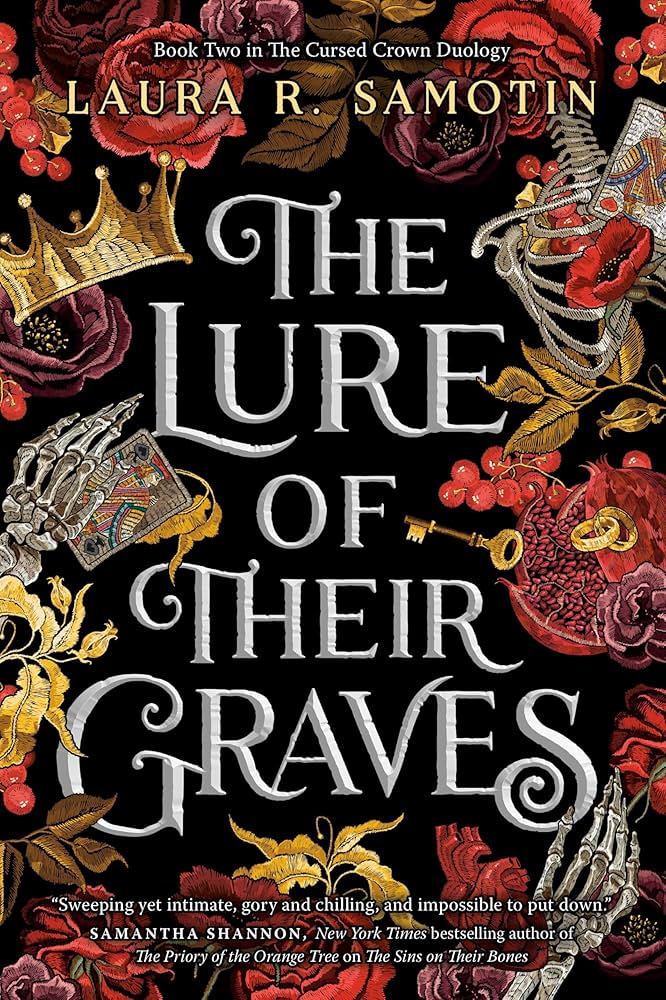
In April of last year, I reviewed Laura R. Samotin’s The Sins on their Bones, which I was sent an eArc of by a publicist. I liked it enough that I finished it in six hours and immediately ordered a physical copy of it, and while it’s been sitting on my shelves for a minute or two, I got the sequel on release day as well.
And … well, I could literally rewrite the previous review more or less word for word for this book. I finished The Lure of their Graves in an hour before going to sleep last night and a few hours across this morning and afternoon– less than a day, easily– and if I talk about it much it’s going to seem like I hated it. My gripes about the first book still apply to the sequel; everyone’s obviously Jewish but the word “Jewish” never appears; Russian only exists for the phrase moy tzar, the main character is kind of a lot, the characters in the book are supposed to be the main figures of a government but come off more like a grad school polycule, etc, etc. I’m slightly revising my initial “holy shit, this book is gay as hell” assessment; it’s gay as hell, but what it actually is is a world where literally everyone is bisexual. Sexual orientation and possibly even sexual preference effectively doesn’t exist. Dmitri Alexeyev, the Tzar from the first book (and still the tzar of the second, although he’s never going to feel like a ruler of anything at all) spends most of the book trying to decide who he should marry to keep his country and the surrounding lands stable, and the three main candidates are a man, a woman, and a nonbinary person who makes it abundantly and repeatedly clear that they are willing to swing any direction the vine can get to.
Also, I genuinely don’t get the title. It’s possible that I’m dumb, but I don’t get it.
That said, once again I enjoyed the hell out of this book and I will be reading more from Laura Samotin in the future. Yes, I know I just did nothing but complain. I contain multitudes. Deal with it.
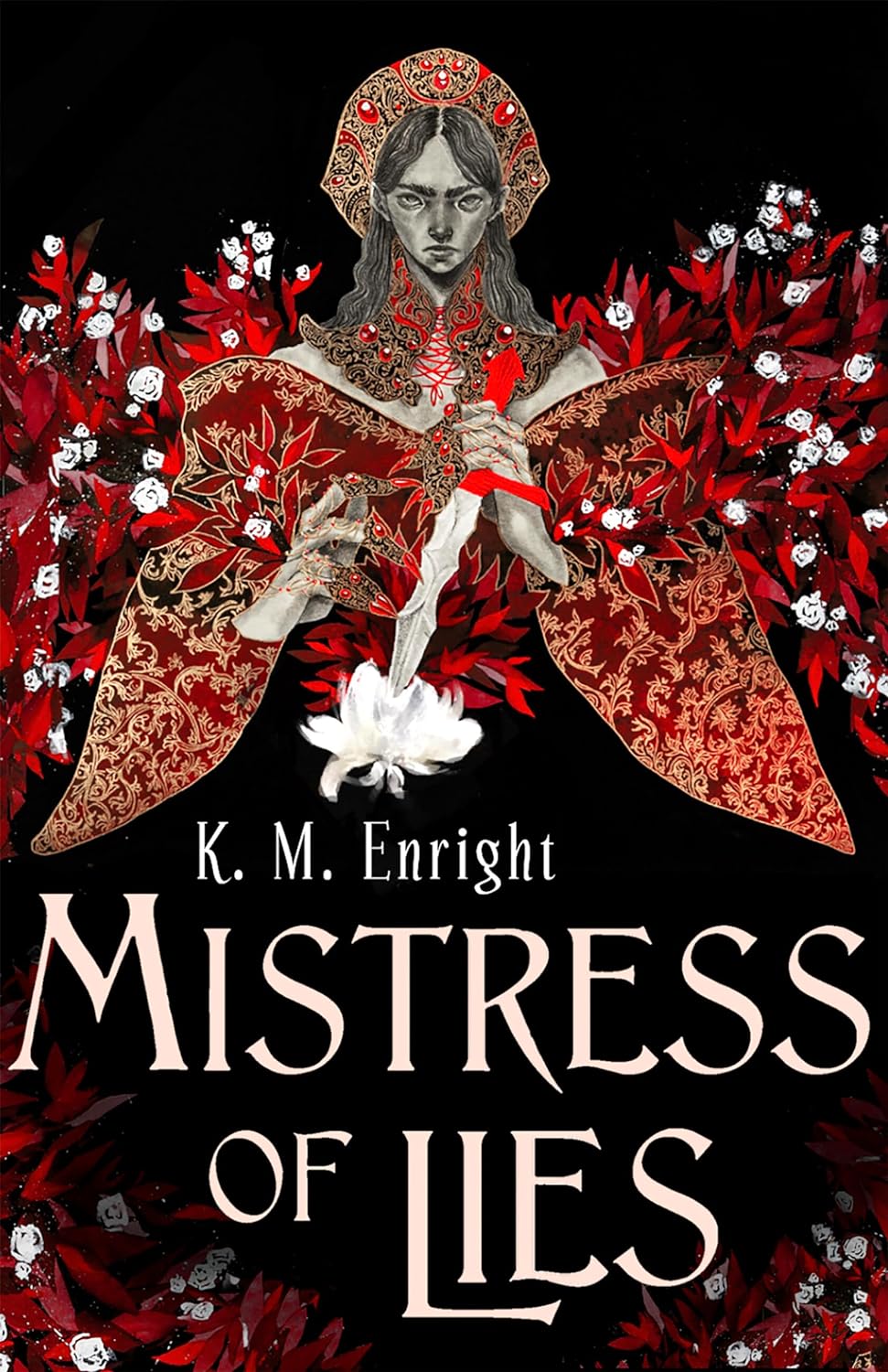
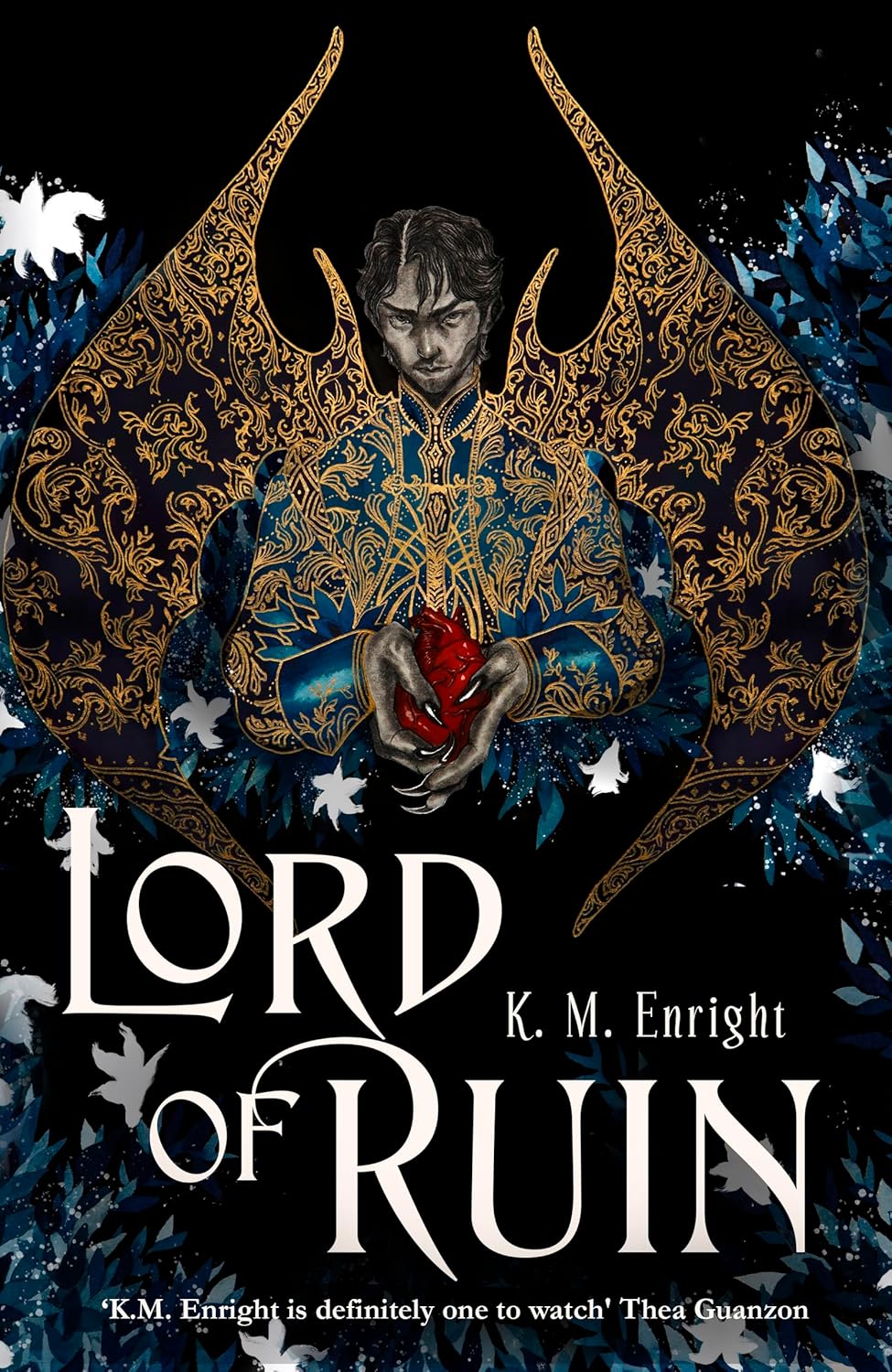
I apparently didn’t review K.M. Enright’s Mistress of Lies when I read it back in July, but I liked it quite a lot, and I finished the sequel, Lord of Ruin, yesterday, and because any time I read a Laura Samotin book I have to have weird synchronicity with the book before it, it’s also super gay and involves a spymaster and a king and an attempt at a rebellion and a fair amount of explicit sex, although this one also involves the scariest vampires I’ve ever encountered in a book (Oh, and the book before this, Coffin Moon, also involved vampires, so we’re all about the themes recently) and a Polynesian monstrosity called a manananggal that is not something that your nightmares need to be aware of in Donald Trump’s America.
Oh, and magical trans people. I’m deliberately withholding details. But transitioning at least can involve magic– it’s not clear if it has to– and you’re going to be confused at a couple of points in this book by who has what body parts, because being trans in these books does not work like it does in the real world. Just a heads-up. The Cursed Crown books are a duology that is now finished, and Enright’s series still has one more coming. I’m definitely in.
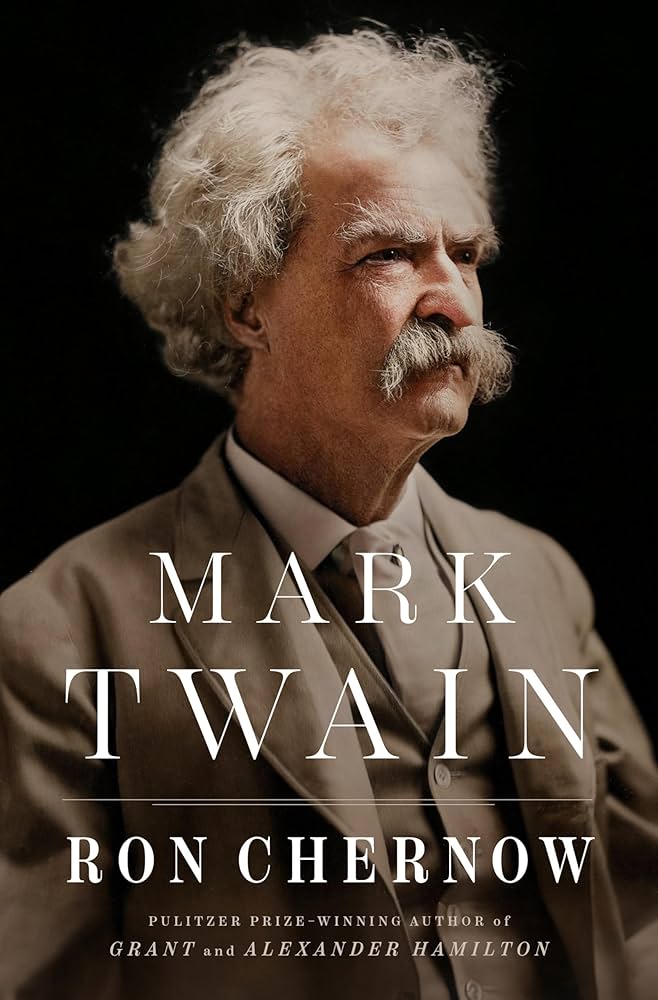
I am not quite halfway through with Ron Chernow’s 1200-page biography of Mark Twain, so it would be unfair to call this a “review” per se, but … c’mon. It’s a book by one of America’s preeminent historians about very likely the most important writer ever born on American soil. I’ve already read and loved his biographies of Hamilton and Washington, and I’ll get to the Grant and Rockefeller books sooner or later. There’s no universe where this isn’t a magnificent book, and it’s not like there’s going to be any plot twists in the last five hundred pages. This is a great biography already and it’s enormously unlikely I’m going to encounter anything that will change my mind– and if I do, it’ll change my mind about Mark Twain, and not about Chernow’s book about him.
All that said, I learned something today, and I fell down a rabbit hole looking for more information about it, and I need to share this information with you.
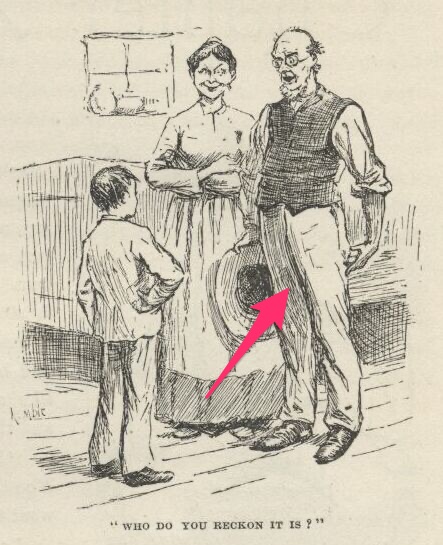
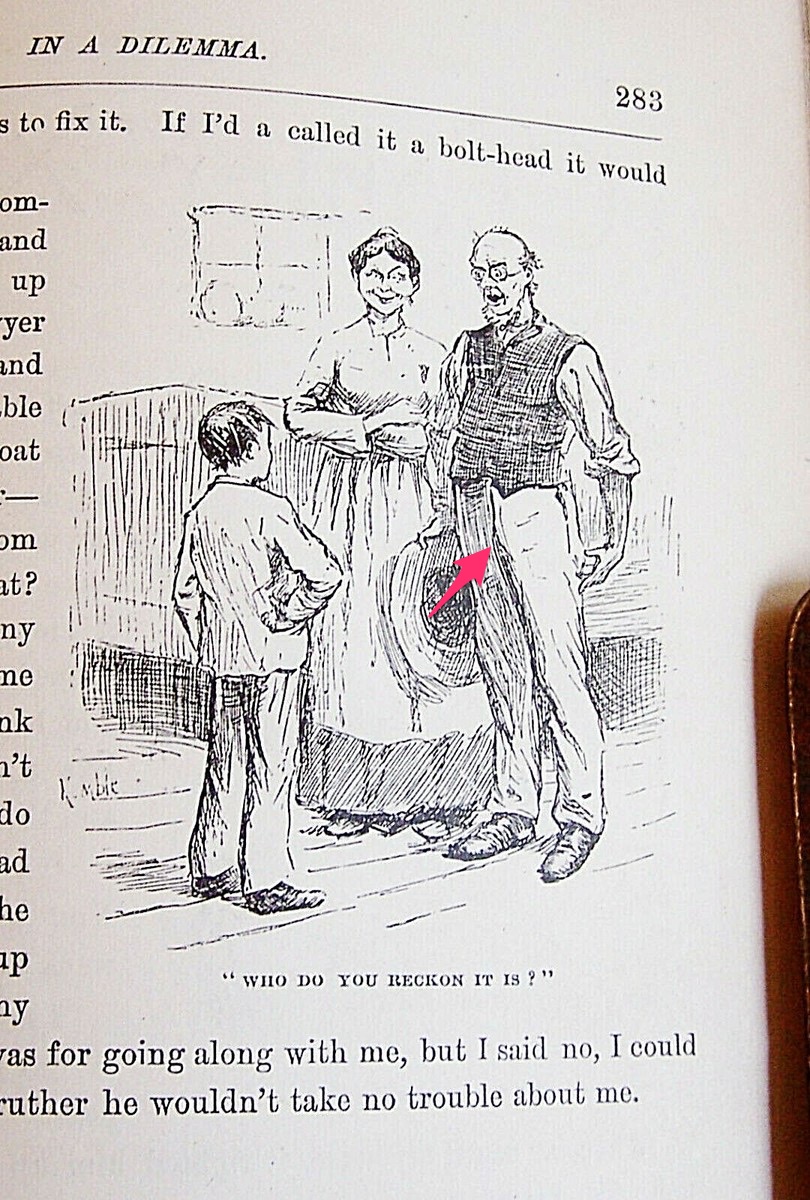
If you buy one of the approximately one billion available editions of The Adventures of Huckleberry Finn that include the original engravings, you will encounter at some point this image of Huck, his Uncle Silas, and his Aunt Sally:
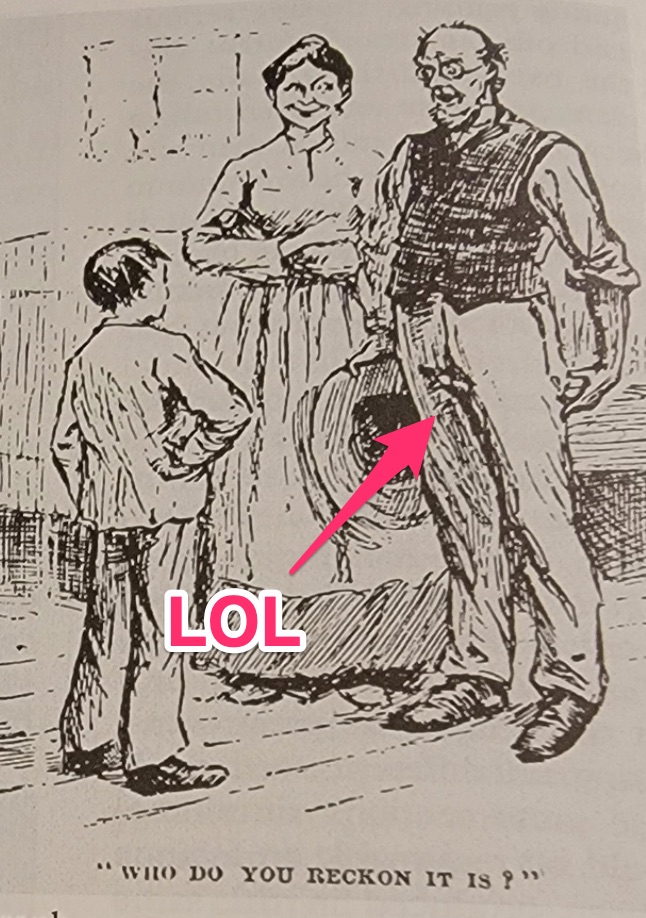
You will note the arrow pointing just underneath Uncle Silas’ crotch, and you will note the straight line of his pants. You may also note the look on Aunt Sally’s face, which I feel deserves more attention in general.
This is not the image that was in the first printing of the book. That image looked like this, known as the “curved fly” engraving:
See that curved line? That’s the original engraving by E.W. Kemble, whose name you’ll note in the lower right. Twain selected Kemble himself, and presumably did not vet this image of Uncle Silas for a single slightly, barely bulgey line in his pants.
After a few hundred copies of the first edition were printed, a salesman noticed that someone had somehow changed the engraving to … well, this:
That right there, folks, is Uncle Silas’ cock, although it appears to be growing out of his leg rather than in the usual location. Maybe that has something to do with the look on Aunt Sally’s face, I dunno. Maybe dicks were different in 1884. You’ll note that said penis is pointed directly at Huck, which isn’t relevant to the story but adds an extra little twist of creepy to it.
Anyway, the edition was very speedily recalled, and the offending pages destroyed, although an unknown number of copies remained in the wild. A book with the offending penis in it has never made it to auction or been sold publicly, and it’s not known how many might be out there. (Check out this absolutely amazing contemporary article about the controversy from New York World. The euphemisms. My God, the nineteenth-century euphemisms.)
The University of Virginia has at least one copy of the edition with the penis, which is where the image came from. They had to redo the engraving for the rest of the no-longer-“first” edition, and the new version of the engraving had a straight fly.
Copies of the “curved fly” edition (without the penis) go for lots and lots of money. My favorite detail about that $15,000 listing? Shipping is $4.00 and they accept returns within thirty days.
The person who altered the engraving was never identified.




 Welcome to infinitefreetime dot com