No, no, not a review of Ron Chernow’s book that happens to be called “Mark Twain.” I’m reviewing Mark Twain. And reading Book Mark Twain has caused me to lose a surprising amount of respect for Person Mark Twain. He gets three stars out of five.
Y’all, this dude was weird.
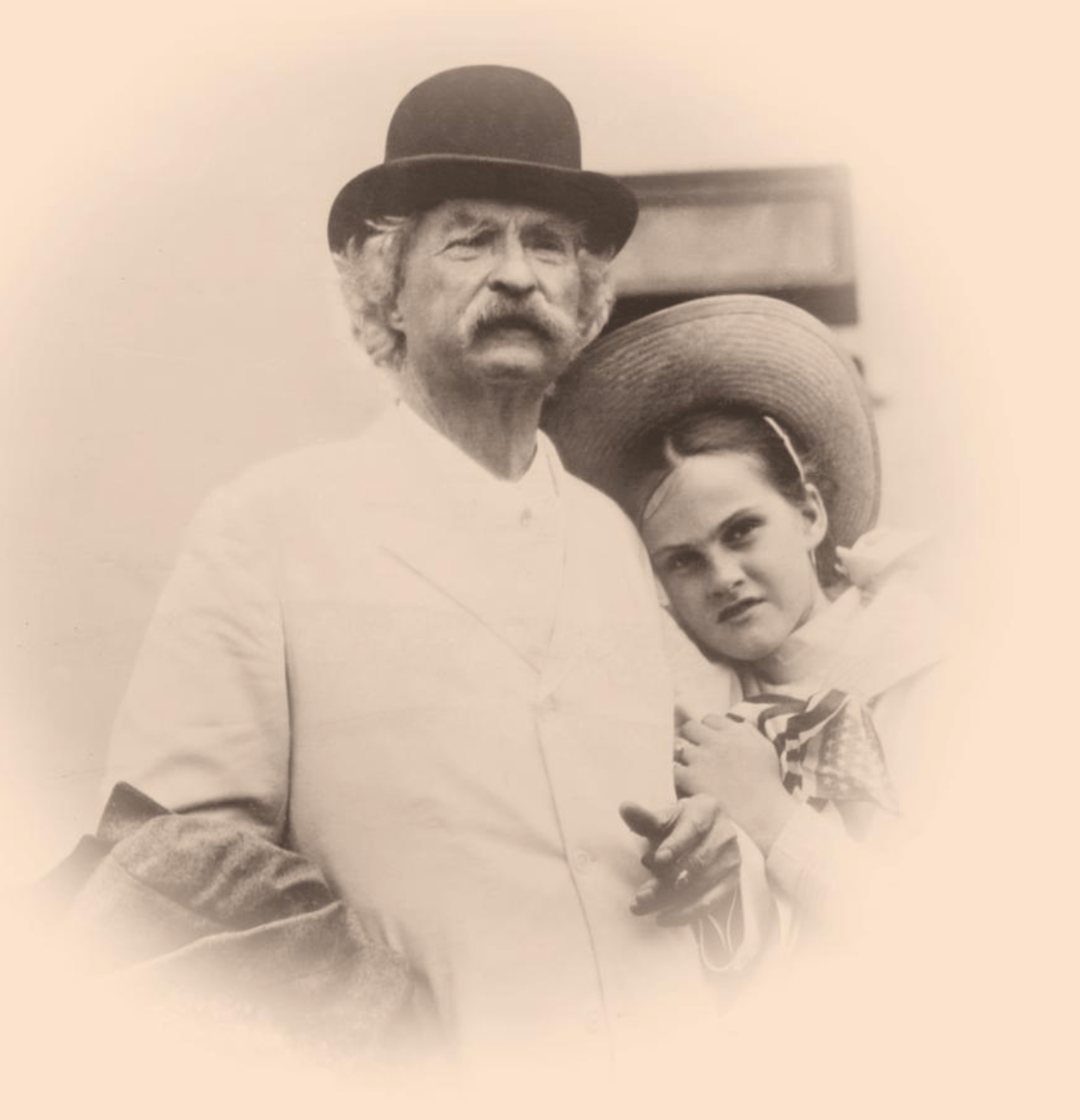
The person Twain is pictured with up there is Dorothy Quick. She is eleven years old in that picture. She and Twain were not related, and they literally met on an ocean voyage in 1907 and Twain, a man in his seventies, just decided to treat her like she was his best friend. They exchanged letters until he died, and he occasionally arranged for her parents to bring her for visits at his home. Multi-day visits.
And she wasn’t the only one. At two different points in his life Twain started a club for girls between ten and sixteen years old, and both times he was the only male member. He called the second group of girls his “angelfish.” They had membership pins. Chernow is quick to point out that there was never any kind of contemporary accusation that Twain’s relationships with these girls were sexual or predatory, but it becomes clear after a while that he recognizes how Goddamn weird the whole thing is and genuinely isn’t sure what to do about it. There’s lots of talk about substitute granddaughters– only one of Twain’s four children survived past her twenties, and his only grandchild was born after he died– but do you really need enough substitute grandchildren to call it a club? And do you stop talking to your substitute grandchildren after they get to be too old for you? Because that happened too. Once his angelfish got into their late teens he lost interest in them. This is not a joke.
Don’t even ask me about Lewis Carroll. Chernow talks about him in a throwaway sentence at one point (literally something like “at least he wasn’t drawing naked pictures of his preadolescent girlfriends, like Carroll was”) and oh my god I hate to talk about falling down a rabbit hole when literally discussing Lewis Carroll, but … yeah.
Twain was terrible at business, prone to falling for outrageous scams, deeply in debt for most of his adult life despite his royalties and his wife being ultra-rich, and held onto a grudge like Kate Winslet on a floating door. There was something vaguely Trumpian about him, where all his friends and business associates were brilliant, salt-of-the-earth, wonderful people until the moment they were no longer useful or Twain felt the need to blame them for something and then they were the worst poltroons and scofflaws in the history of poltroonery and scofflawism.
Like, I’ve read dude’s books. The fact that he was a sarcastic, irascible motherfucker is one of the things I like about him. But I feel like Chernow would have been a lot happier had he just had a chapter called “Look, this guy was a prick,” and gotten everything off of his chest.
There’s nothing genuinely damning in there. I’m never reading anything by any number of authors ever again because of their assorted bastardries and nothing Chernow reveals about Twain rises to that level. Even the angelfish thing is more of a massive ongoing WTF than something that was immoral or should have been illegal. But the last time I came out of a biography or autobiography feeling like I had less respect for its subject than I did going in was Ralph Abernathy’s And the Walls Came Tumbling Down, which I read nine years ago. The only other example I can think of is Jefferson Davis’ memoirs, and I didn’t exactly have warm feelings about that guy going into those books. It doesn’t happen all that often.
Chernow’s book is still a five-star read. Twain still has a ton of five-star books out there for you to read. Twain himself? Three. At best.
Seven years ago, in 2018, this man’s debut novel jumped off a shelf at me at Barnes and Noble. It looked satisfyingly chunky and as a science fiction book that was obviously going to be Part One of a substantial series, it was something that was immediately Aligned with My Interests.
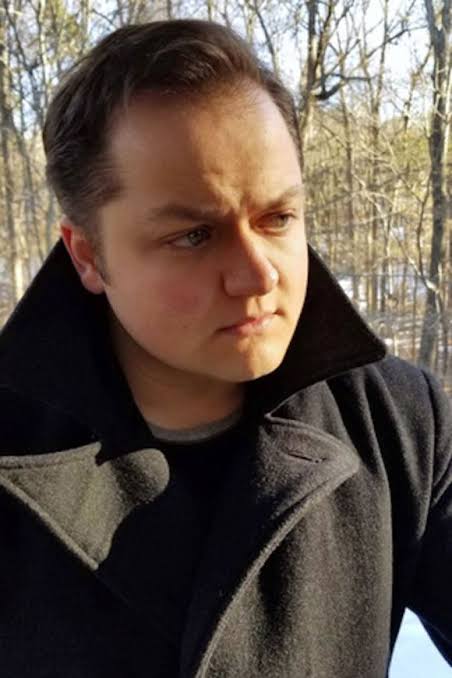
I opened it and flipped through it and looked at this author picture. And thought Jeez, that guy looks like a prick. I bet he’s a conservative.
And then I put the book down.
And, standing there in Barnes and Noble, I googled this man to see if I could find evidence of him being a prick. And, indeed, I couldn’t find any, and the closest I came was him claiming he “doesn’t talk about politics” on Twitter, which is something that only conservatives say.
And after a few minutes I started feeling bad about it! This is not how I usually work. My rule for politics in my reading has always been Don’t Want None Won’t Be None, and how it is supposed to work is you can believe whatever you want so long as you don’t go out of your way to make that information available to me, but as soon as you do I will judge you accordingly. And, to be completely clear, I’m perfectly fine with people applying that same line of reasoning to me. You can choose to not read a book– which, most of the time, costs you money— for literally any reason you want. Refuse to read a book with a blue cover. Spend a year reading only books with blue covers. I don’t care. There are way more books out there than anyone has time to read in an entire lifetime, with more coming out literally every day, so you use whatever filter you want. I don’t have anything to say about it.
Feeling guilty and kind of stupid, I bought his book. And brought it home, and read it, and really didn’t like it all that much. And it sat on the shelf for five or six years while four sequels came out, and sometime in the last couple of years I looked at it again and thought oh, what the hell, and for whatever reason the second time around I liked it a lot more, and the sequels quickly followed, along with the sixth book, on release day. The series wasn’t world-changing or anything, but it was solid and interesting, and it was also clear that barring some sort of car accident or something it was going to be finished soon.
So how do I feel about the fact that a 2018 interview has come to light recently where not only does he piss and moan about how every YA book nowadays is about a girl who “wants to be an assassin for some reason” and there aren’t any books for boys, and about his affection for Jordan Peterson?
I am, to be clear, almost certainly going to buy the last book of his series when it comes out, which should be this year or early next year. This isn’t JK Rowling or Neil Gaiman territory, where the books are forever consigned to the pit. He’s just a conservative Catholic, and frankly the fact that the interview lurked in the depths for years before exploding onto TikTok in the last couple of weeks for whatever reason means that he actually does seem to be following my DWNWBN rule. But I likely won’t bother with whatever he does next, and next time I’m gonna trust my gut when I take a look at an author and get a vibe. Because, again, there’s lots of books out there, and I don’t need a good reason not to buy one.
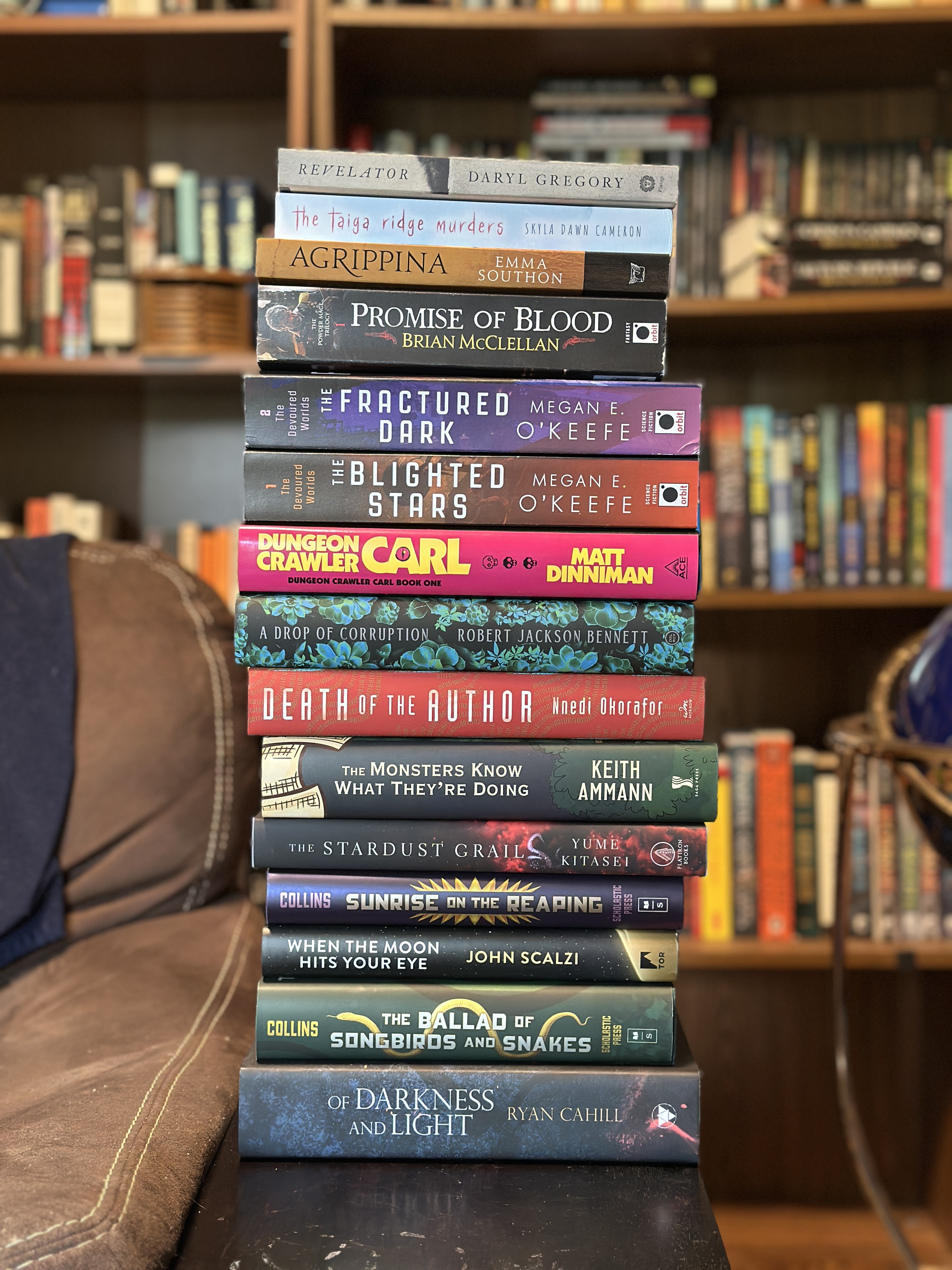
This is kind of awkwardly stapling two posts together (and there will be an addendum at the end featuring even more stapling) but I’ve been thinking a lot lately about how weirdly gendered reading seems to be getting. I have never believed that there was any such thing as “girls’ books” or “boys’ books”– I’ve told the story here a few times before about my aunt catching me with Are You There God? It’s Me, Margaret when I was ten or so, a book I picked up and read because it was there and I was bored, and her being vocally horrified, and me being completely baffled about what the problem was. But just because I don’t believe there’s any such thing as gendered books doesn’t mean that society doesn’t think so, and it feels like in the last couple of years reading has taken this weird slide into being Something Men Don’t Do, which is entirely fucking unacceptable. This is particularly clear in retail establishments that sell books but aren’t bookstores– go look at the books in Target sometime, for example, and I’ve seen pictures of Wal-Mart’s book selection and it seems to be the same thing. Target clearly doesn’t think men read.
(Do more women read than men? Sure. But that’s not the same thing as “men don’t read.”)
I think this is probably mostly BookTok’s fault, which is dominated by women, and whatever, I’m not attached enough to my own gender to be bothered if something is addressed to “my book girlies” and happens to overlap with my interests.
But did I kinda want to fight when I saw this? A little:
Anyway, one way or another, I’m not going anywhere. If that makes me a book girlie, I’ve been called worse.
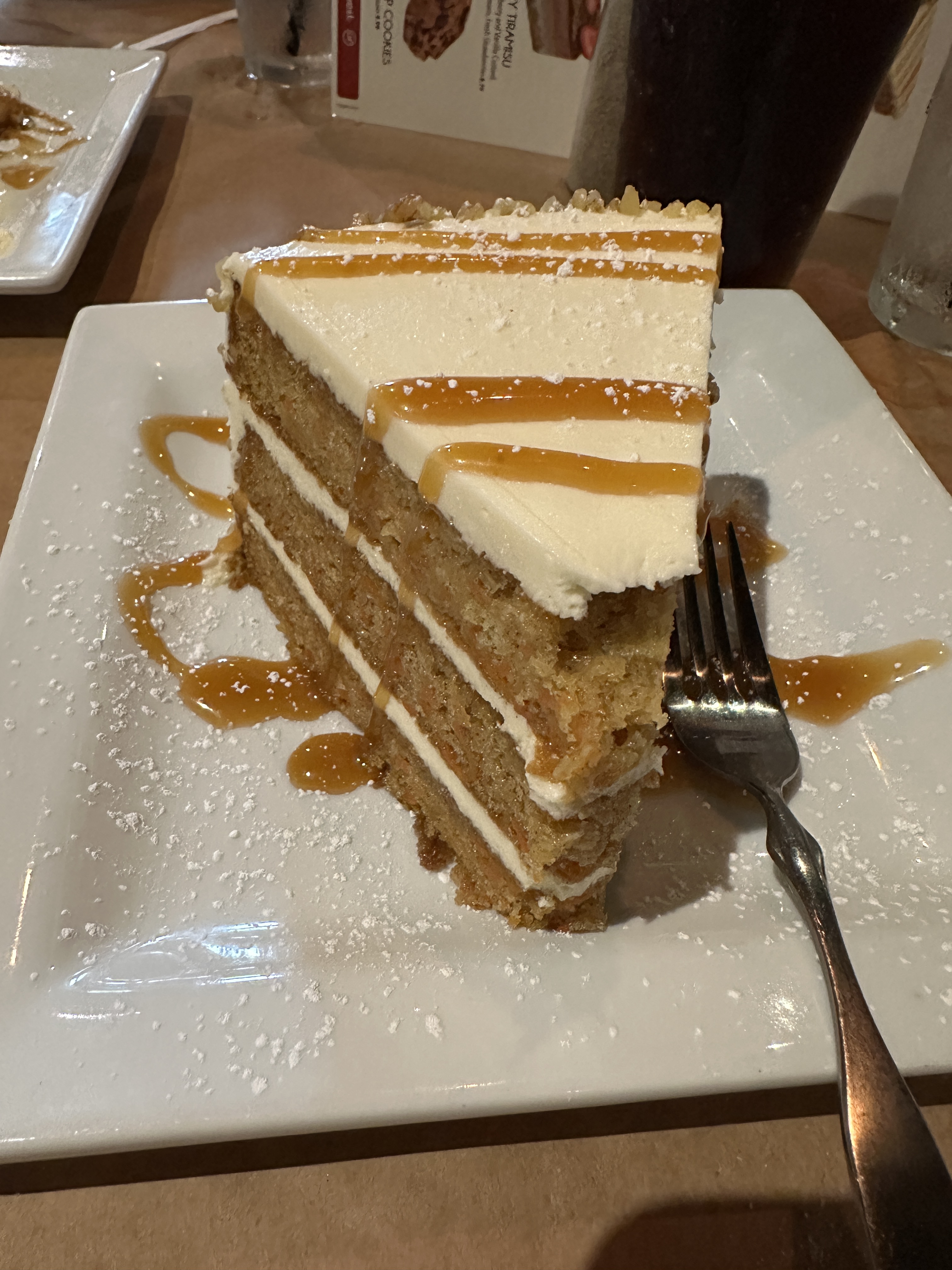
You may remember a couple of weeks ago when my family attempted to go to a specific local Italian restaurant and, in a comedy of errors, managed to end up at the wrong restaurant, eating a meal there because we are cowards, and resulting in me not getting carrot cake, which was the entire reason I wanted to eat at that place in the first place.
Well. My birthday was yesterday, but my birthday dinner was tonight:
I could only finish half of that gorgeous sonofabitch. I don’t even want to know what my blood sugar is right now. I’m getting my A1C checked later this week in advance of a regular doctor visit next week, and I may just show the doctor a picture of this cake when she jumps down my throat about how I’m so diabetic I’m legally already dead.
A confession: I am, for no clear reason, less enthusiastic about writing this post than I usually am. I’ve done this every year that this blog has been in operation, and it’s a post that I look forward to all year long. For most of this year, that has been true! And right now I’m looking at a mostly-blank screen and God, I’m so tired.
The really weird thing: the quality of these books, and my enthusiasm for them, is as high as it usually is and frankly the differential between book #1 and book #11 is lower than it has ever been; most of these books could have been top three, at least, in any other year, and more than ever this is a “don’t pay too much attention to the specific rankings” type of year. I went to 11 this year because I couldn’t leave either of those two books off of the list, and as always there’s an Honorable Mention at the end.
Also, as always, that asterisk up there means “new to me,” a lot of these books did come out in 2023 but not all of them and coming out this year was not a criteria for making the list.
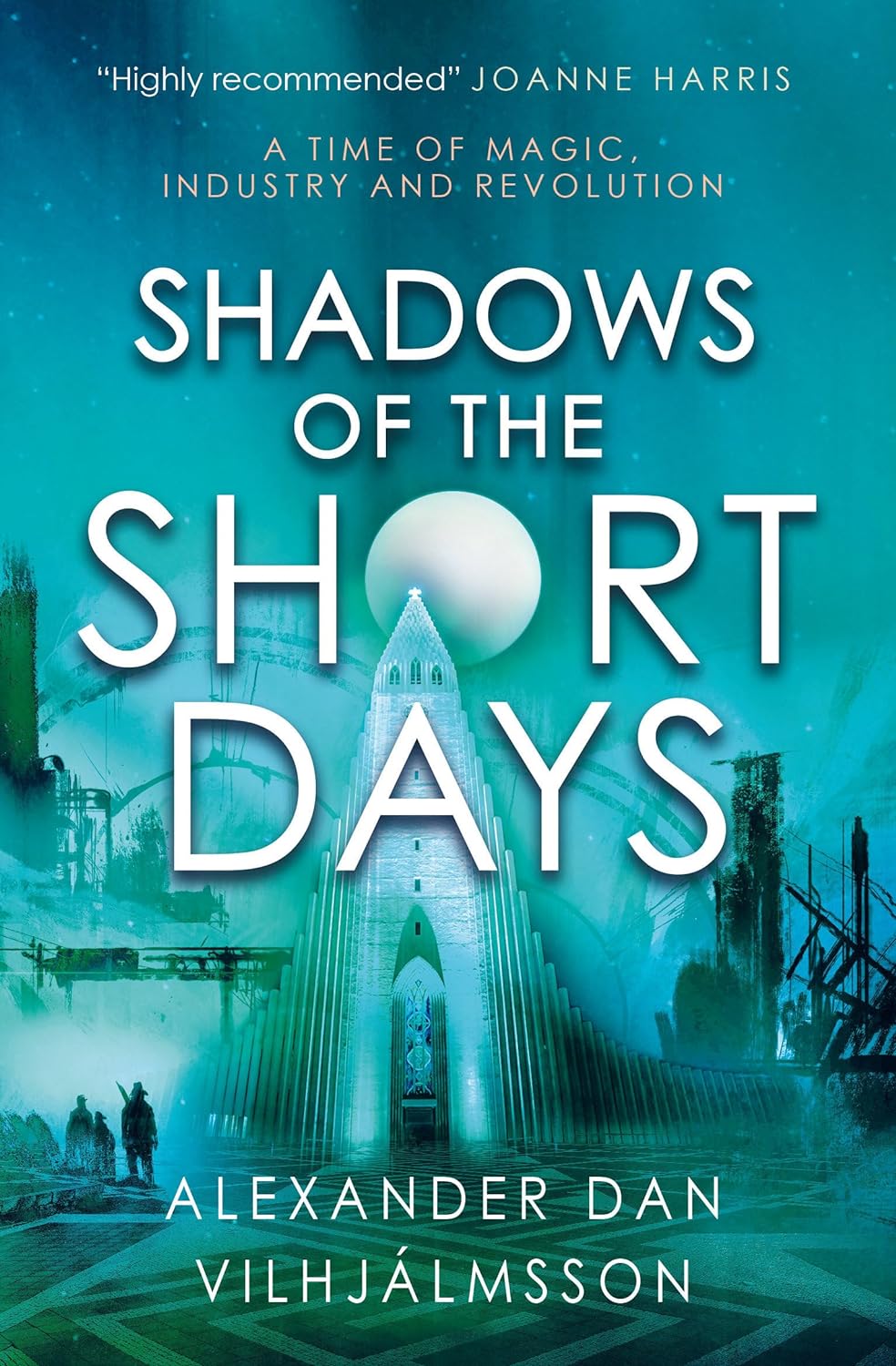
11. Shadows of the Short Days, by Alexander Dan Vilhjálmsson. You’re going to see a little bit of a theme with several of these books, which is spectacular worldbuilding and really cool magic set in places and/or times that I typically don’t see people using for fantasy books. In this case, Shadows of the Short Days is set in Iceland– Reykjavik, specifically– but not remotely an Iceland that matches the real world’s. The book sets you up nicely with a six-page glossary of terms that you cannot pronounce with letters you’ve never seen before, and it is not going to be nice to you with the vocabulary, but the end result– a dark urban fantasy with sorcerers and fascist governments and what looks like a bog-standard “brilliant wizard gets kicked out of school because he’s reckless” subplot that upends itself when the scholarly authorities turn out to have been one hundred percent correct— is just an absolute joy to read. This has a sequel sitting on my TBR shelf right now but I think it’s one of those sequels set in the same world but with unrelated characters; one way or another Shadows stands on its own very well. There are 11 books on this list because it came down to this book and the next one and I couldn’t leave either of them off.
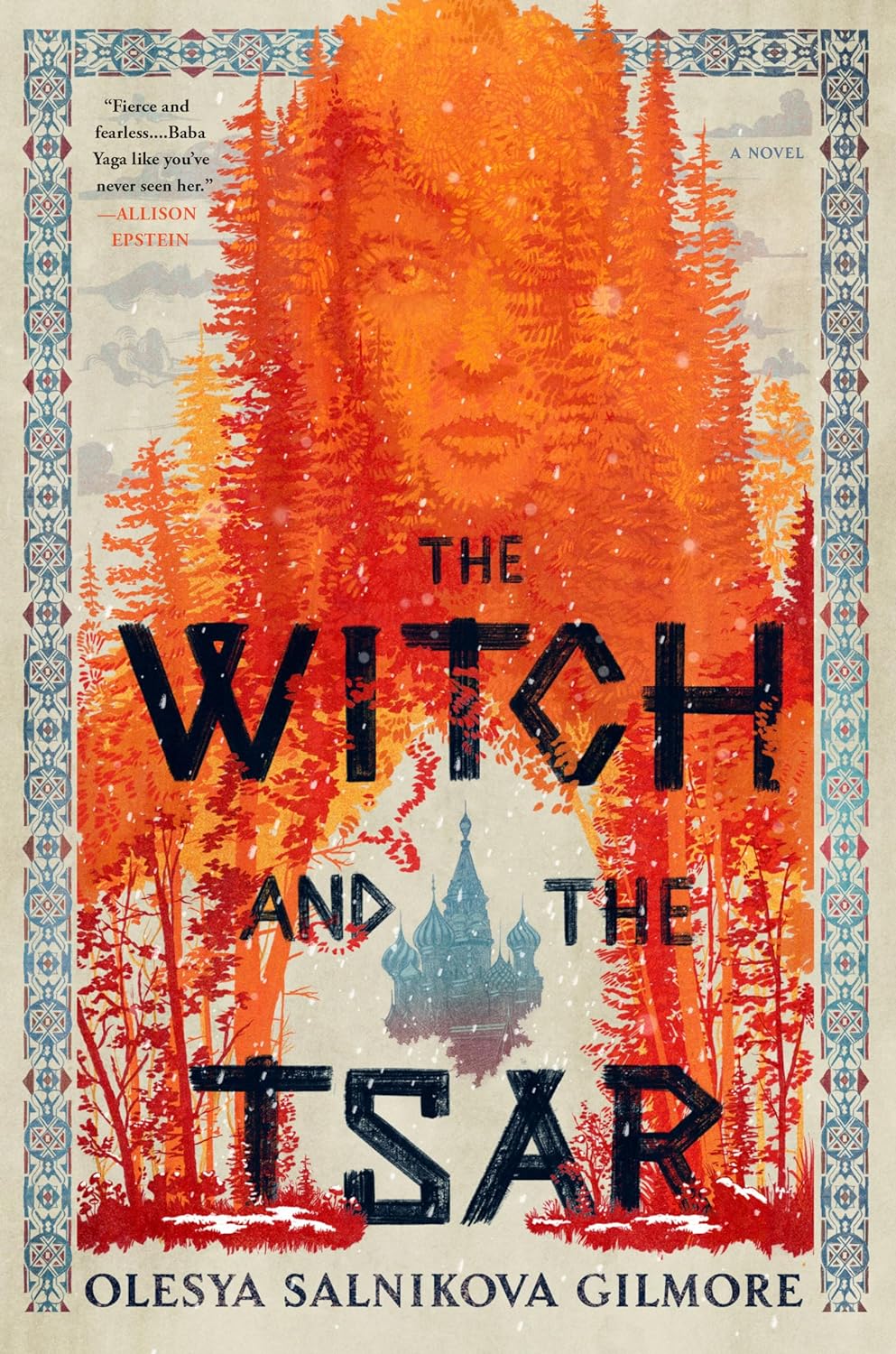
10. The Witch and the Tsar, by Olesya Salnikova Gilmore. Here’s another mini-theme: books that are sort of historical fiction, or at least feel that way, but aren’t. Also, books where I have to double- and triple-check the spelling of the author’s name. In this case, the titular witch is Baba Yaga, and the tsar is Ivan the Terrible. This can’t be historical fiction, because Baba Yaga rather inconveniently isn’t real, but it does its damnedest to feel like it; there’s a lot of Madeline Miller’s DNA in here, if that comparison helps any. At any rate, the book is from Baba Yaga’s perspective, but there’s a lot of real or at least real-feeling Russian history in here, and Russia during the sixteenth century is something I’m happy to read about to begin with, and once you throw in magic and the slow waning of Russian pagan gods in favor of Christianity (and, oh, those pagan gods are real, and they’re pissed) it ends up becoming a really interesting story. It does sort of fill the same niche as Shadows of the Short Days, but again, I just couldn’t convince myself it was okay to leave either of them off of the list.
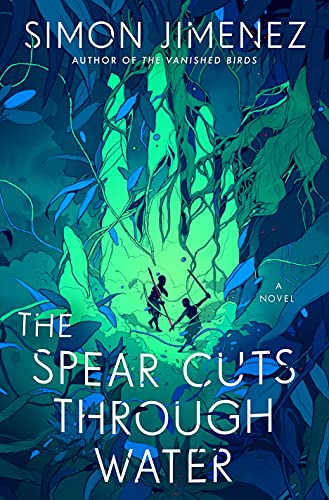
9. The Spear Cuts Through Water, by Simon Jimenez. Did I mention pagan gods? Well, okay, maybe not pagan, because this is a second-world fantasy and Christianity isn’t a thing, but this is probably the weirdest book on the list, and I absolutely mean that as a compliment. I didn’t mean pagan, I meant edible. Sorry about that.
What?
No, seriously, there are multiple places in this book where gods are eaten, and the book veers between first person, third person, and second person narrative, and apparently it’s all a play? Until it’s not? And the story is at least outwardly about a pair of warriors escorting the body of a goddess to her final burial place while alternately dodging and defeating her sons, who are known as the Three Terrors, only I’m pretty sure it’s about a few dozen things the than that. It’s inventive as hell and I loved it, and the interesting thing about it is you twist it a little bit and I’m talking about my least favorite book of the year, because this book makes a lot of choices that most of the time will kill my interest in reading something, but man, this was amazing.
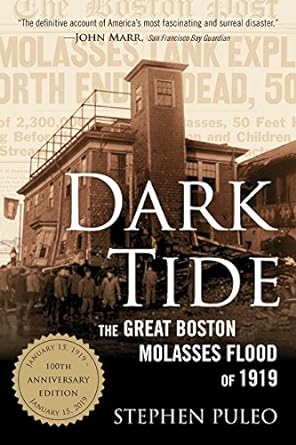
8. Dark Tide: The Great Boston Molasses Flood of 1919, by Stephen Puleo. There’s always a couple of nonfiction pieces on the list, and this is the first of two and a half (you’ll see when I get there) and I think perhaps the most broadly interesting of the three, if not specifically the most interesting to me. I only learned that Boston had had a molasses flood this year, and ordered this book within about ten minutes of making that discovery, because how can you not want to know more about that? It can be very tricky to write a micro-history like this of a very specific event, because if you just write about the event the book is ten pages long, and it’s really important to pick starting and ending points that make sense and stay interesting to the reader. This book does an exceptional job of that, and ends up being a history not only of the flood itself but of capitalism and manufacturing in New England, as well as being a half-decent courtroom drama as well. It also managed to add a brand new way that I really don’t want to die to what was already a long list; there are probably less pleasant ways to die than drowning in a literal tidal wave of molasses, but I could do without the bit where once the flood is over it hardens and everyone has to be literally chipped out of the sea of frozen sugar left behind. No thank you. Read the book, though.
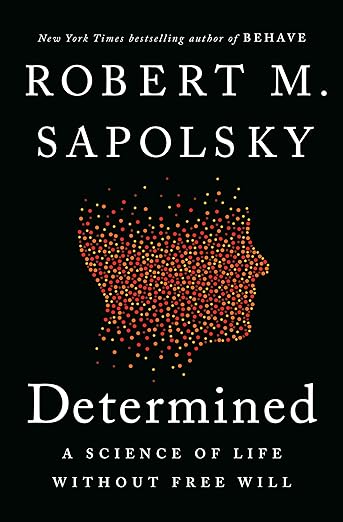
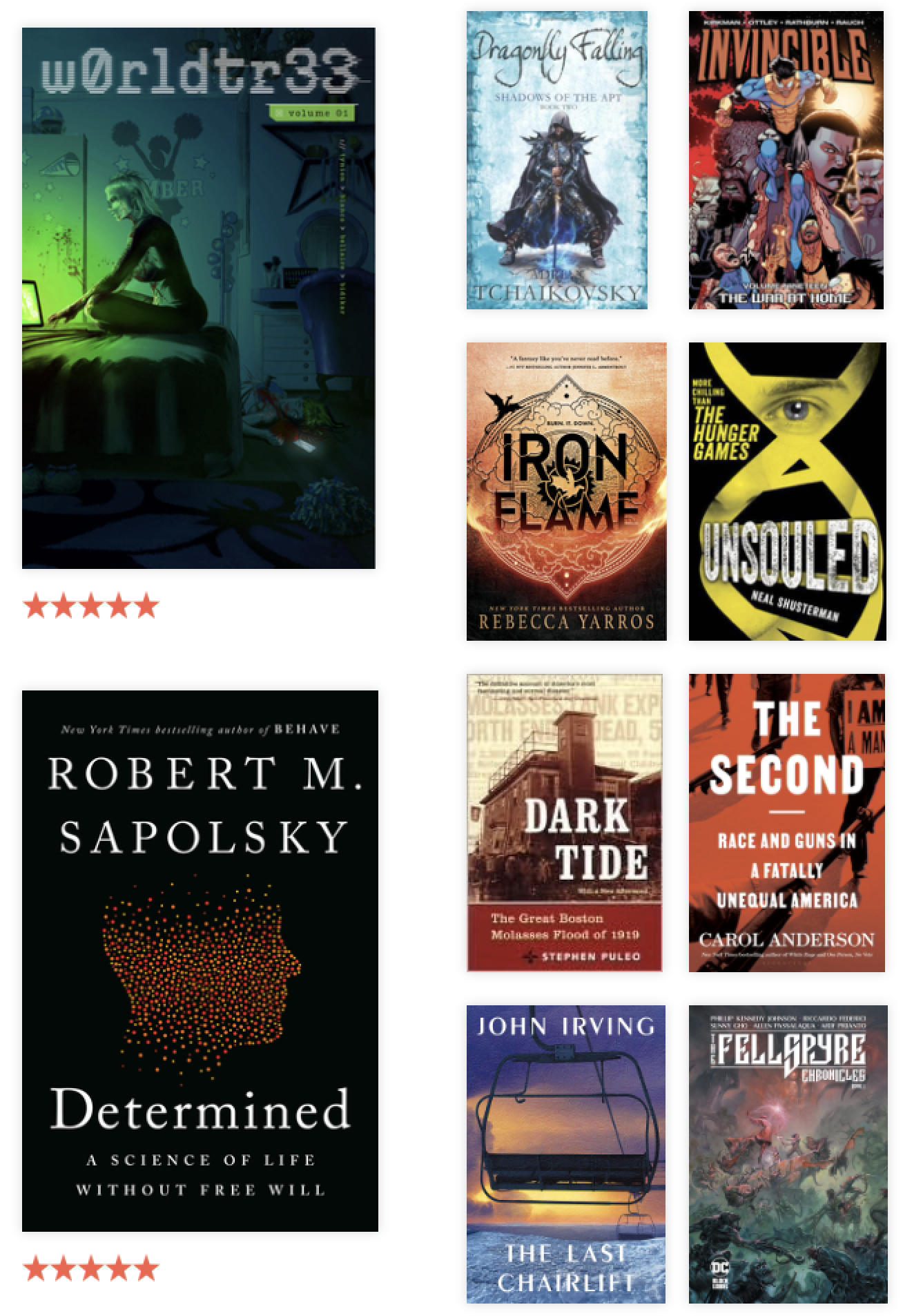
7. Determined: A Science of Life Without Free Will, by Robert M. Sapolsky. I said when I first wrote about this book that I really wanted someone else I knew to read it so that I would. have someone to discuss it with, and thus far, unfortunately, that hasn’t happened yet, although I convinced one friend to pick it up and bought it for my brother as a Christmas present, so hopefully it’ll happen soon enough.
At any rate: Sapolsky is a neuroscientist, or maybe a neurobiologist, or maybe both; I have to admit I’m not a hundred percent clear on the distinction between the two, and he’s convinced there is no such thing as free will. Entertainingly, he’s not happy about this conclusion, and his hangdog insistence that everyone is going to hate him for the arguments he’s making echo through every page of this book, which wouldn’t be half as much fun to read were it not for Sapolsky’s sense of humor. Now, I am no kind of neuro-anything, and have no especially relevant expertise to this book, so all I can say is that I read the first half without ever going “Wait, what about …” at any point and without spotting anything that felt like an obvious hole in his reasoning, and he’s exceptionally talented at making complex scientific concepts feel understandable. The second half of the book, about the societal implications of free will’s nonexistence, are not as airtight but that’s why I want to talk to somebody about the book. Please go read it and get back to me?
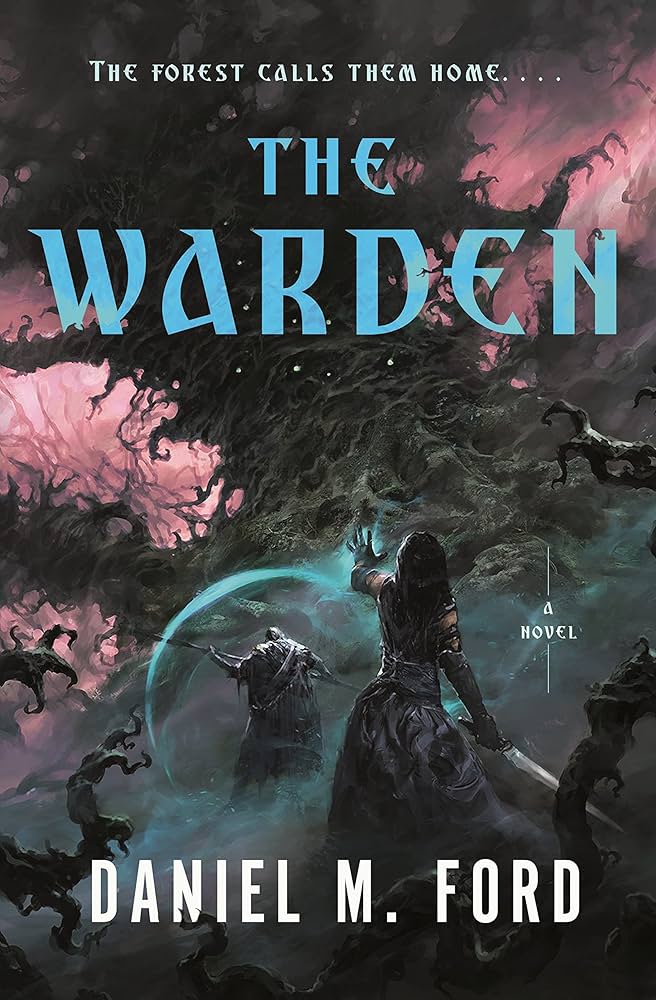
6. The Warden, by Daniel M. Ford. I always feel the need whenever I talk about Dan’s books to mention that I know him in the sort of parasocial “he let me into his Discord and knows my real name but we’ve never met” way that the Internet allows, but it’s also fair to point out that this is the sixth of his books that I’ve read and the first time one of them has shown up on my end-of-year list.
One way or another, though, The Warden is delightful, one of only two books on this list I’d apply that word to, and it is strongest in its worldbuilding and its characters. Aelis de Lenti, the titular Warden, is an absolute slam dunk of a character and one of the best arrogant assholes I’ve encountered in print in a long time. A Warden is a sort of combination of a cop, a governor, and an ombudsman, and Aelis graduates fresh from her training and gets more or less banished to a little village in the middle of nowhere with a crumbling tower to live in and a very persistent goat as a roommate. The book has a very old-school D&D feel to it without feeling like an adaptation of someone’s campaign, and there are at least two more in the series coming. I will also say that if you’re going to read one book from this list, I actually want you to pick this one up, as Tor kinda fumbled the rollout of the book and I feel like it needs more attention. Another reviewer called it “the most underrated book of the year,” and I really feel like it deserves a look.
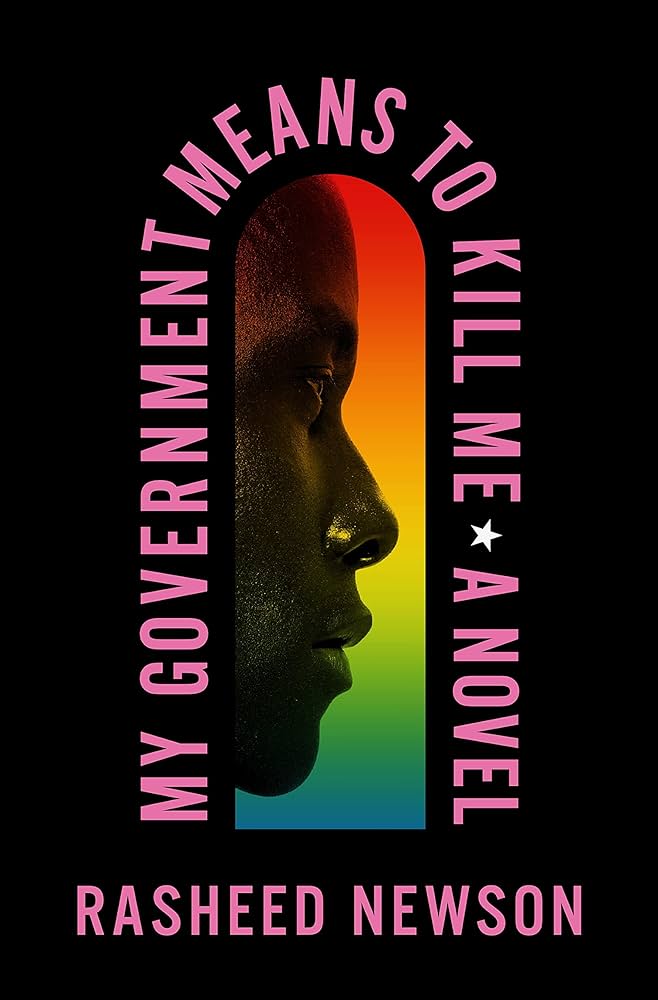
5. My Government Means to Kill Me, by Rasheed Newson. Another book from the “sorta historical fiction, I guess,” genre, Government has the words “a novel” right there on the cover in big letters and I still had to look into the author to confirm that he wasn’t old enough to have lived through the AIDS epidemic in New York in the 1980s. I get into more details in my initial write-up for the book, but this really feels like a personal memoir, and the inclusion of a number of actual historical figures as characters does nothing at all to diminish that feeling. The main character, Trey, moves to New York from Indiana and more or less immerses himself in gay bathhouse culture for the first half of the book, doing what he can to get by from day to day and filling his nights with anonymous sex, and then the epidemic hits and he begins working in an unlicensed AIDS hospice, caring for men who have fallen victim to the disease. It’s a hard book to read on a lot of levels, and there are trigger warnings galore for it, but it feels important in a way that a lot of other books I read this year didn’t, and Newson is an author I’m going to be keeping a close eye on in the future. Honestly, this book is perhaps the best example of “don’t let the rankings matter too much,” as it and basically everything that comes afterward could easily have been #1 on a different day. I’d particularly recommend it if you’re in your mid- to late forties or older and remember at least some of what was going on during that time.
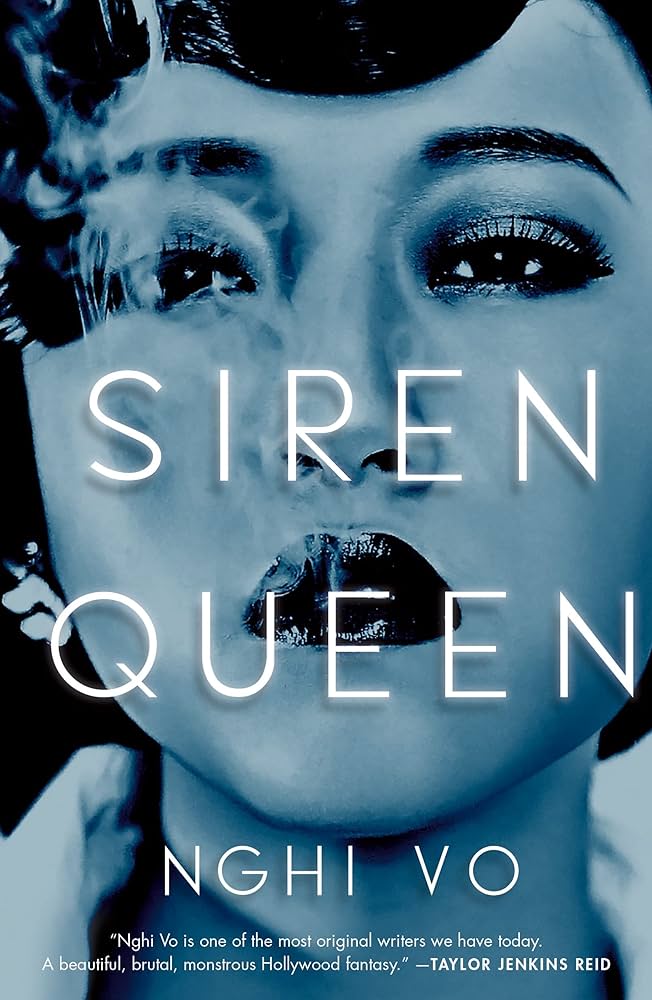
4. Siren Queen, by Nghi Vo. Third of the “Historical fiction, but …” genre, this is the second year in a row that a book by Nghi Vo has made the top 10, and in a lot of ways Siren Queen feels like it could be a loose sequel to The Chosen and the Beautiful. It’s set in the Golden Age of Hollywood, during the transition between silent films and “talkies,” and the main character is a Chinese-American actress named Luli Wei, who is willing to do nearly anything in order to break into acting, and this is a book where selling your soul for fame and fortune is literal. Much like The Chosen and the Beautiful, Siren Queen puts you into a world absolutely pregnant with magic without going to any real lengths to explain any of it– at one point in Wei’s youth a ticket-teller lets her and her sister in to a movie without paying for tickets in exchange for an inch of her hair, and the book gives you nothing to help you figure out why that might be important– and, again, much like TC&TB, the big selling point of this book is Vo’s incredibly atmospheric and immersive writing. She can do a million of these books and I’ll read all of them. I loved it.
This is where it got really, really hard to rank the books, by the way, and if you want to just call all three of them #1, I won’t bet mad about it.
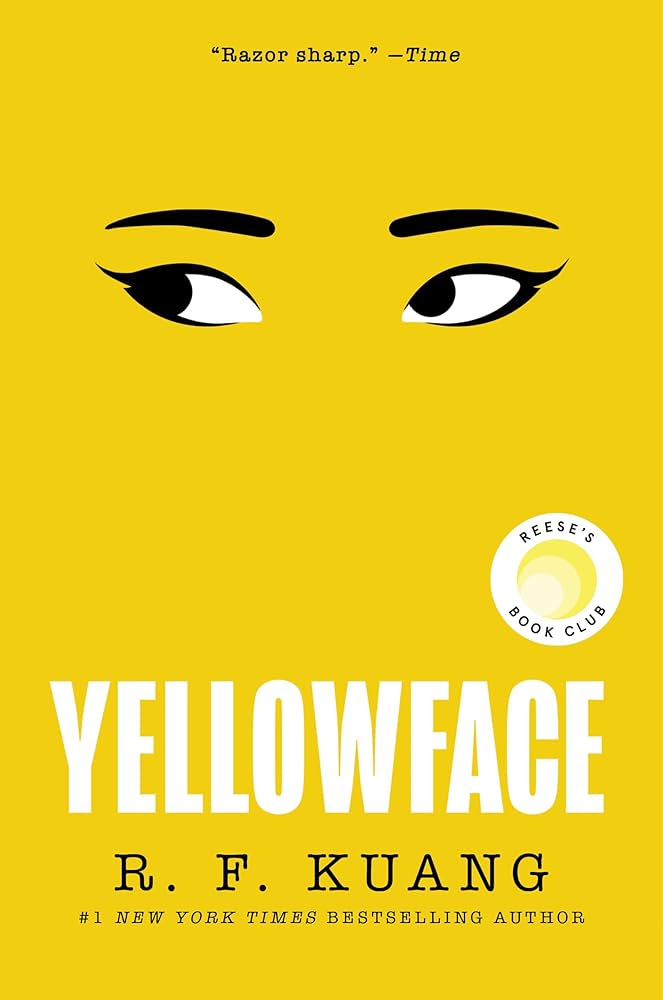
3. Yellowface, by R.F. Kuang. Speaking of selling your soul to the devil, R.F. Kuang has now written five books across three very different genres, all five of which were absolutely fucking spectacular, and she is somehow still only eight years old. Yellowface might be my least favorite of her books and it’s the third-best book I read this year! How the fuck is that even possible? I don’t know. She’s clearly a deity of some sort, and as soon as I finish this post I’m going to start working on getting the cult started.
At any rate, after writing a three-book fantasy reimagining of the war between China and Japan and a work of dark academia set at Oxford, Kuang has now written a brutal work of satire about the publishing industry, set in the modern world, with not a trace of magic or fantasy to be found, because that’s fair and one author should definitely be talented enough to be magnificently fucking good at all three of those things. It’s about a white woman who literally steals a manuscript from a dead friend and publishes it under her own name to immense acclaim and success, and even as someone who doesn’t really have a dog in this particular fight I was wincing at some of the events in this book. It’s so, so good, and Kuang is so, so good, and the notion that she’s still in her 20s and has decades of work still to come actually gives me a little bit of hope for the future.
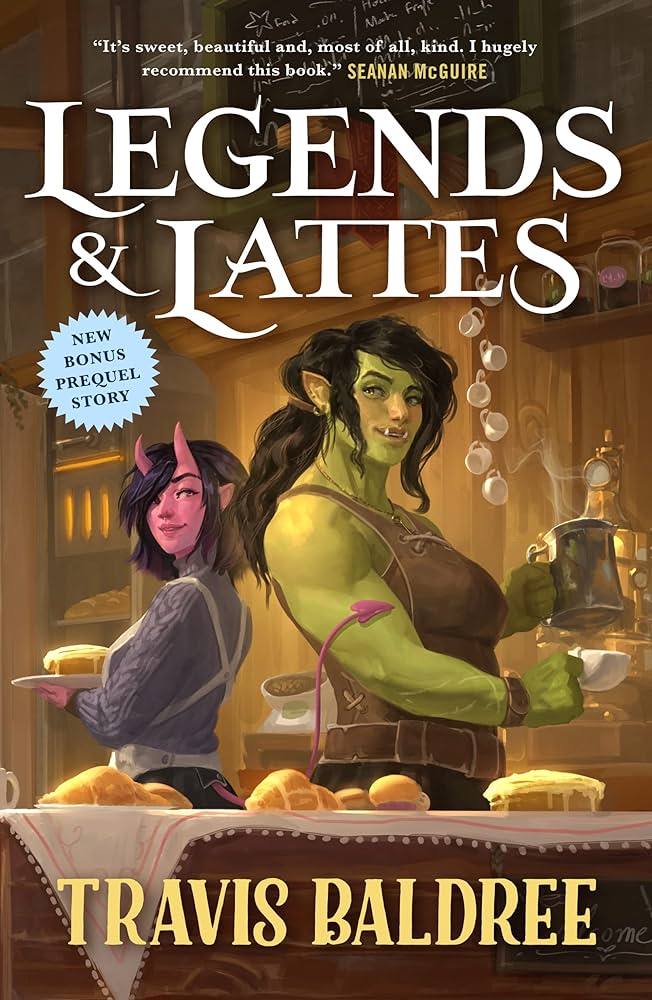
2. Legends & Lattes, by Travis Baldree. Okay, I’ll be honest: on a technical level and even on a lot of non technical levels, Legends & Lattes isn’t necessarily as good as a lot of the other books on this list, particularly after the amount of praise I just directed toward Yellowface. But for a large chunk of the year I was thinking of this as the best book I’ve read all year, or at the very least my favorite book of the year, and the reason for that is how I felt while I was reading this. Remember a thousand words ago when I said that The Warden was one of two books I’d apply the word “delightful” to on this list? This is the other one. This book is delightful. It delights. And if you’re reading that and thinking “Didn’t he say that about TJ Klune at some point?” you’re right, and yes, I mean it as that high level of praise.
Legends & Lattes is about an orc named Viv who puts down her sword and opens up a coffee shop. She hires a succubus as her barista and some sort of nonverbal rat-thing bakes scones and cinnamon rolls for her. And I loved it. The sequel is on my shelf right now and I haven’t read it yet because it’s set before Viv opened the shop and I’m not sure I’m nearly as interested in her as an adventurer. I want more of the coffee shop. I will read about Viv and Tandri making delicious coffee and being quietly and happily in love for a hundred years, and I will love every second of it. I mean, stuff happens, there’s some conflict, it gets resolved, blah blah blah. This book’s strength is in evoking emotion, and it does so magnificently, and I loved it.
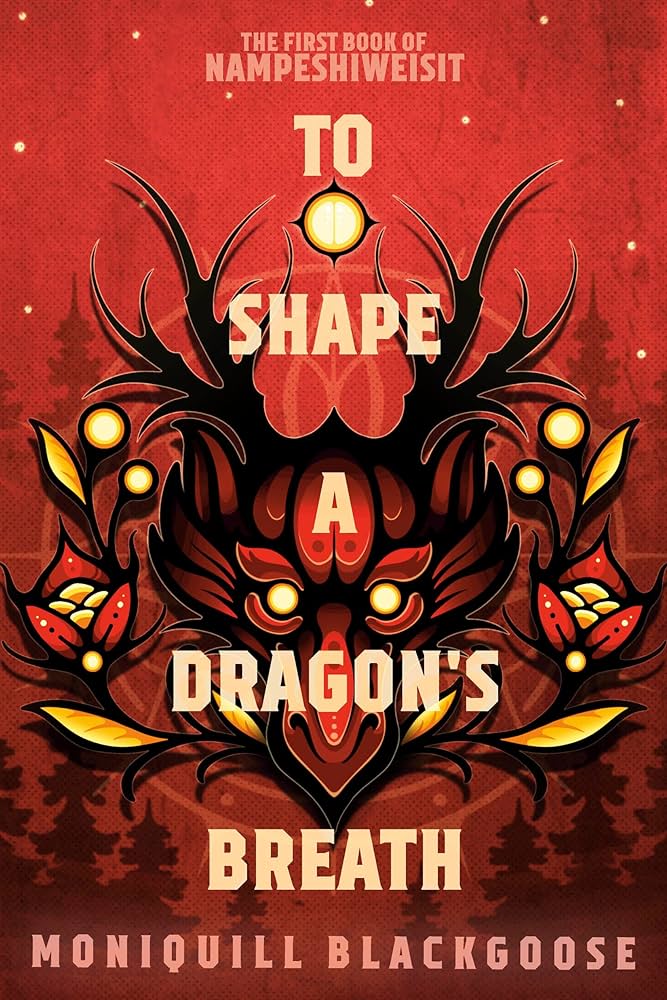
1. To Shape a Dragon’s Breath, by Moniquill Blackgoose. I really wasn’t sure, when I wrote my initial review of this book, if it was going to hold up against the initial high I was on after I read it. I used the phrase “book-drunk” in the review, and I’ll stand by that; this book is intoxicating in the best way and it is the best book I read this year. It also fits into a few of the sub-themes I had going on this list; it feels like historical fiction, as it’s set in Canada during the … 1700s, I’ll say? Colonial era? Only the English are the Ainglish, and while it doesn’t get into a ton of detail that I hope is coming later in the series, because I love nothing more than I love thorough worldbuilding, but it feels like the real world, only the Norsemen took over the world instead of the English, and also there are dragons. And dragon school. The main character is Anequs, a young First Nations girl who more-or-less accidentally bonds herself to a dragon egg early in the book, and then gets swept off to an Ainglish dragon school to legitimize her connection to her dragon in the eyes of the government.
Did you read Fourth Wing and Iron Flame? I did, and I liked them both. In a lot of ways To Shape a Dragon’s Breath is a very similar book to both of those, and if you read and liked them you absolutely need to read this book, as it’s better in nearly every imaginable way, from the characters (I compared Anequs to Rey Skywalker, and now that I’m thinking about it she has a lot of Aelis in her as well) to the nature of the school to the actual writing itself. Oh, and there’s chemistry. No, not between the main characters– actual chemistry, only magic-tinged, and at the end of the book the author manages to connect magic and chemistry and dancing in a way that is absolutely inventive as hell and when does the sequel come out again because I want it right now.
This was a great year for reading, and To Shape a Dragon’s Breath is the best book I read this year. Go buy it.
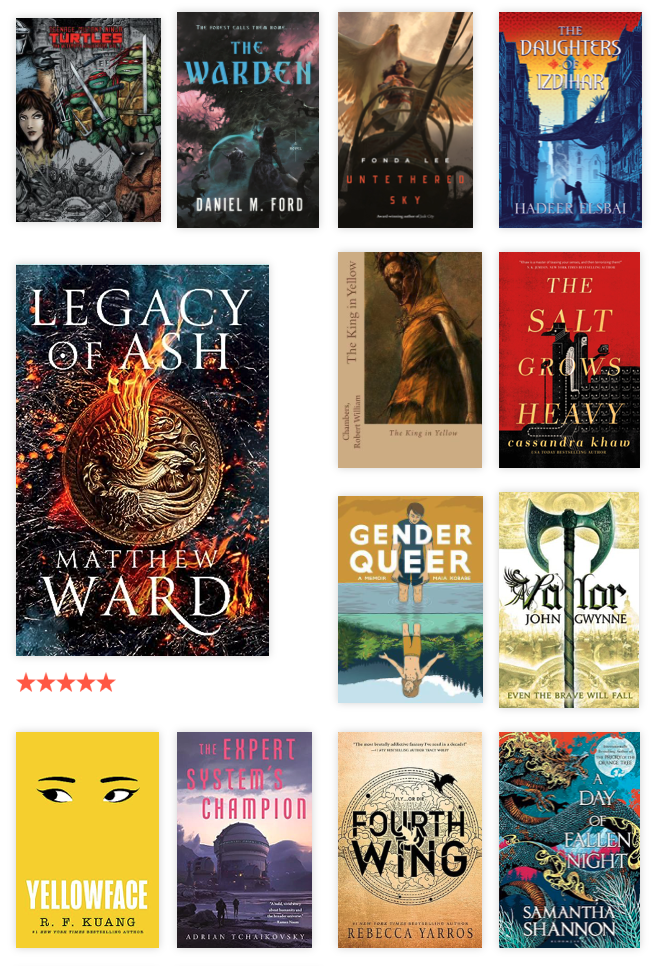
HONORABLE MENTION, in NO PARTICULAR ORDER: Ocean’s Echo by Everina Maxwell, Hell Followed With Them by Andrew Joseph White, Gender Queer by Maia Kobabe, Untethered Sky by Fonda Lee, The Daughters of Izdihar by Hadeer Elsbai, In the Lives of Puppets by TJ Klune, Into the Light by Mark Oshiro, the entire The Faithful and the Fallen series by John Gwynne, Cage of Souls by Adrian Tchaikovsky, The Dead Take The A Train by Cassandra Khaw and Richard Kadrey, and Black River Orchard by Chuck Wendig.
WHAT THE FUCK WAS THAT AWARD: Hospital, by Han Song.
I am running out of days in which to write pithy retrospectives or overly detailed nerd epics about blog stats, and I’m starting to think that I’m going to spend all of New Year’s Eve writing and generate a dozen of them. I just put together my top 11 books of the year (I couldn’t fit it into 10, but 15 felt like pushing it this year) and I’ll probably write that tomorrow, but we’ll see how energetic I’m feeling.
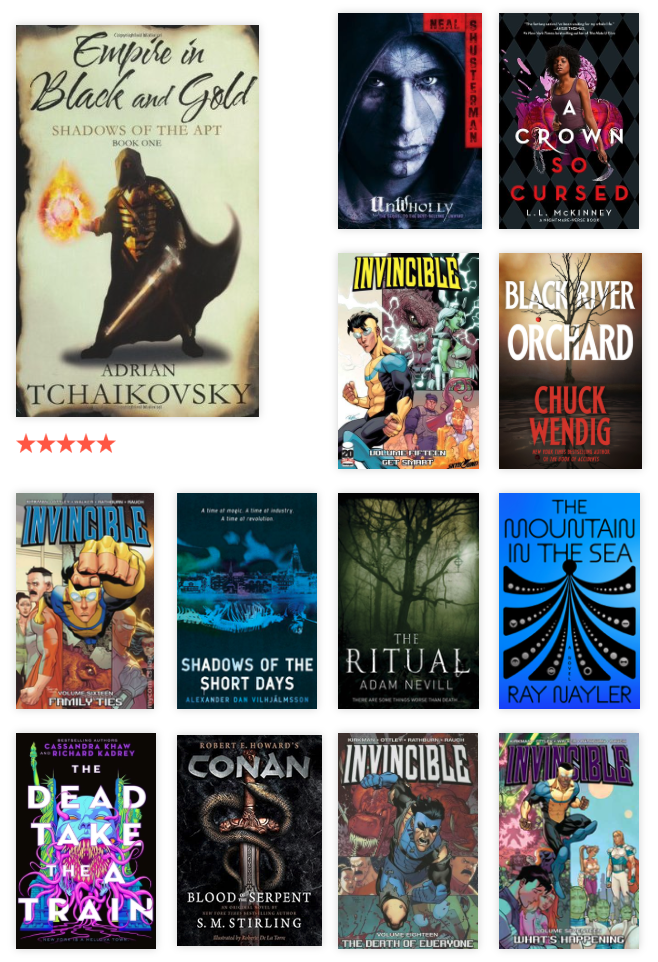
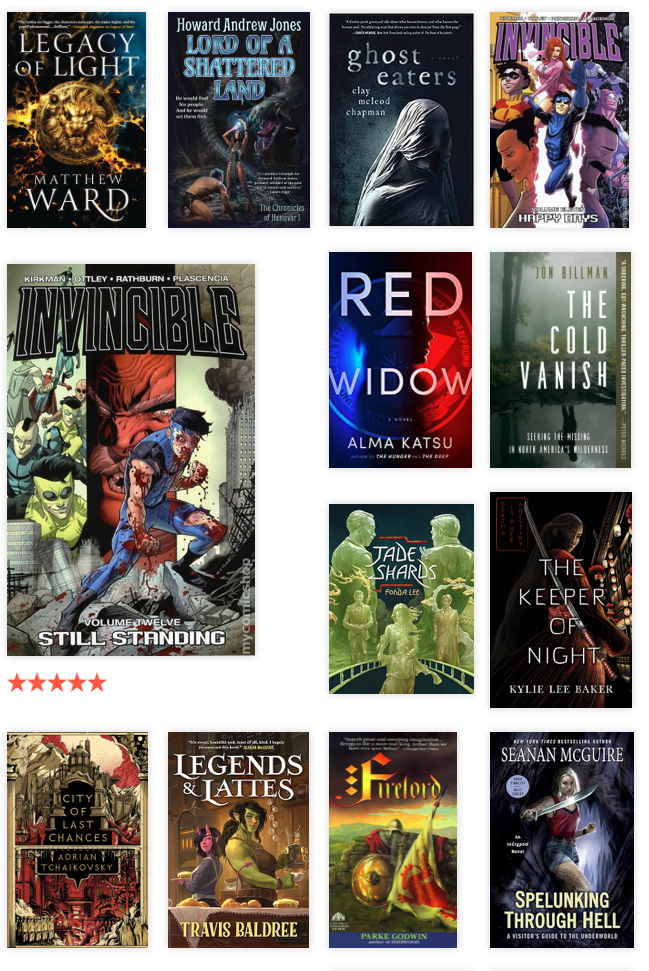
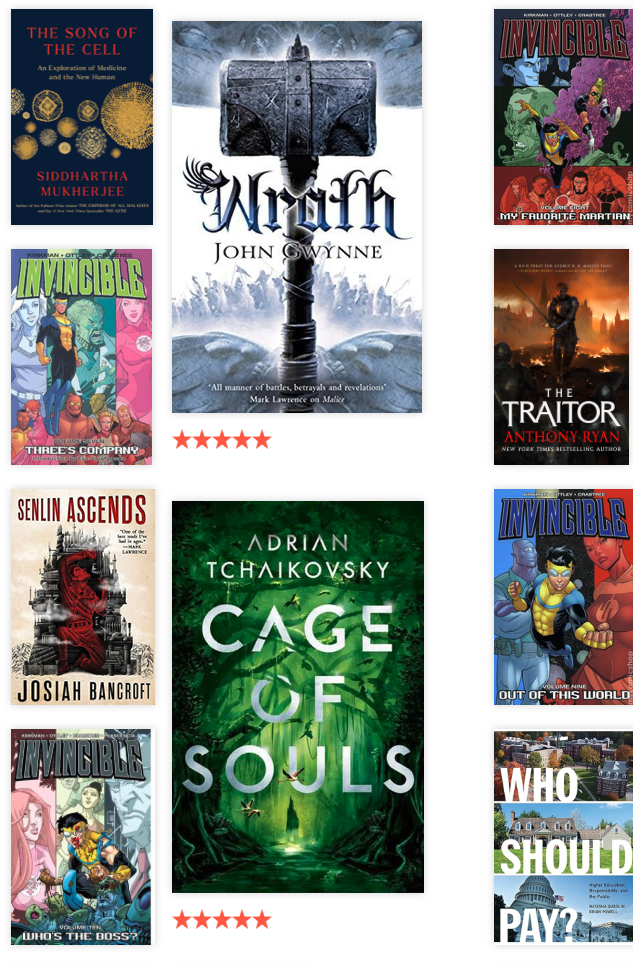
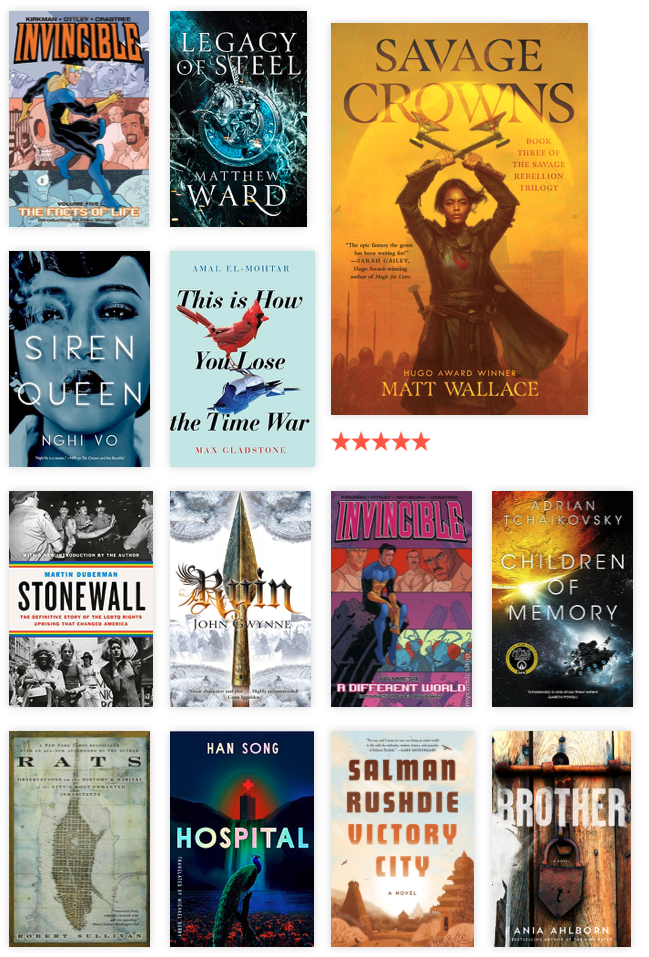
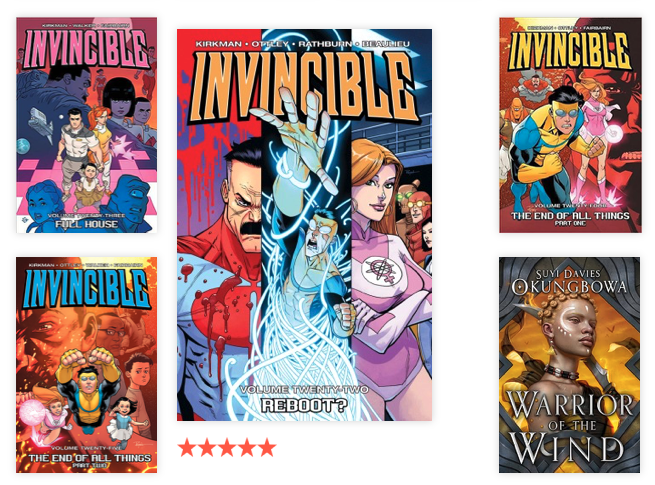
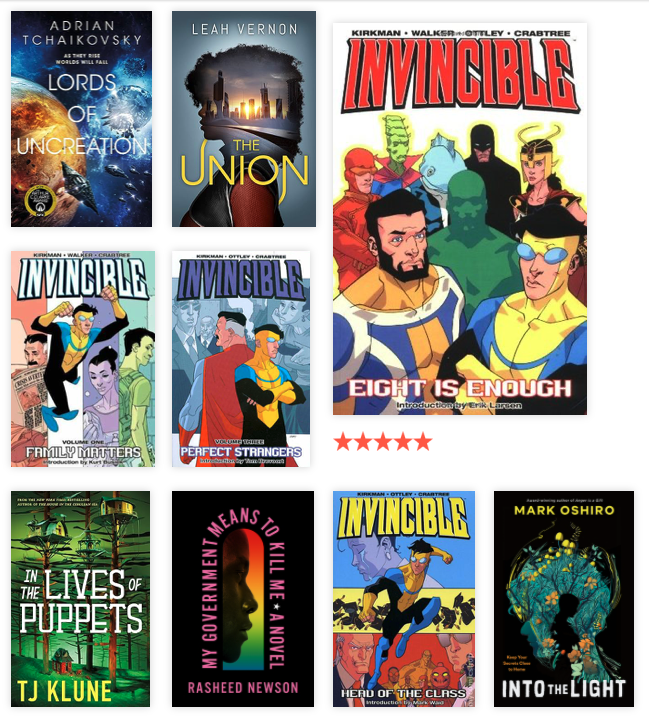
But let’s talk about what I read this year anyway. I read more this year than any year since 2015, I think, which I believe was the year where I read 200 books just to prove I could, and I’m probably not done– I started Adrian Tchaikovsky’s Blood of the Mantis today, and I can easily imagine a world where I read both that and the fourth book in his Shadows of the Apt series before the calendar year rolls over. So 140 books this year and it might end up being 141. Goodreads tells me that I’m at 52,188 pages for the year, with an average book being 372 pages long– and that’s in a year where I read all 25 volumes of Invincible, at about 160 pages each. I was about to type a sentence about how I wasn’t going to do the math to figure out what a difference the graphic novels made, but then I went and did it anyway. Without those, it’s 419 pages per book.
Which, uh, can you tell I focused on fantasy/sci-fi series fiction this year? Because holy shit. I am trying my damnedest to clear my TBR right now, and I’m seriously thinking about making a rule that I can’t buy anything other than sequels to series I’ve started until the damn shelf is either clear for the first time in several years or really close to it. I’ve got a few books on preorder that I’m not about to cancel but if I don’t make any discretionary purchases in 2024 until I’ve got it cleared … hell, that’s still probably three months, easy. Sigh.
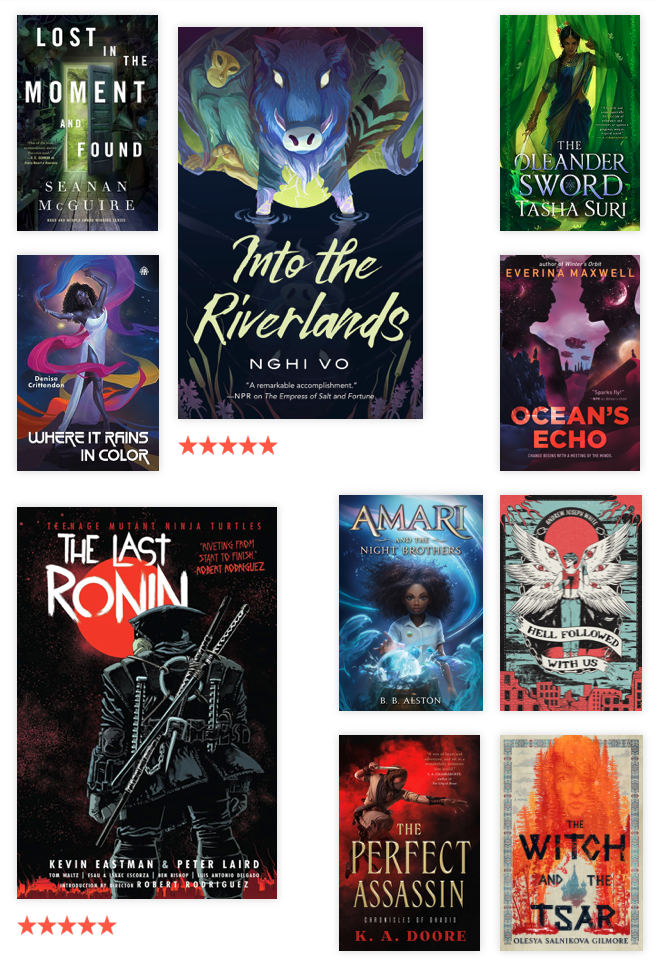
I read 48 books this year by authors who were new to me, and read more than one book by fifteen different authors. The big winner there was Robert Kirkman, who wrote the Invincible series (25 books), but beyond him there was Adrian Tchaikovsky (10, possibly 11), John Gwynne (4), Neal Shusterman (3), Matthew Ward (3), Josiah Bancroft, Kevin Eastman & Peter Laird, Cassandra Khaw, TJ Klune, Fonda Lee, Seanan McGuire, Suyi Davies Okungbowa, Christopher Ruocchio, Nghi Vo, and Rebecca Yarros, all with 2.
And my TBR has even more books from, like, half of those authors. Whee!
The total number of authors represented was 92, of which at least 37– 40%– are women or nonbinary and at least 27– 29%– were people of color. The 40% isn’t bad, although I’d like it to be higher, but the 29% is. At least 40 (43%) were white males. (Why “at least”? I can’t find a picture of every author, and I’m not going to spend a million years digging so there are a couple of assumptions in there. There are a couple of trans men in the mix as well, I think.) I’m not going to cross-reference that with the number of books because of the number of series I read; Tchaikovsky and Kirkman alone are going to skew the hell out of that and a clear majority of the books I read were by white men. I’m not going to make an explicit goal of it but I’d like to see the numbers higher next year for people who aren’t straight white men in general.
Interesting discovery earlier this week: I do a trivia question for my kids every week, right? Usually something connected to history, but not always. It’s completely optional and not for a grade; the people who get it right get a piece of candy on Friday and that’s really it. Just a little fun thing.
This month’s questions have all been about women, since it’s Women’s History Month, and this week’s was Who is the highest-selling woman author in the world? I was pretty certain I knew the answer, but I needed to double-check it before posting the question, because if I was wrong and it turned out to be She Who Shall Not Be Named, I was going to have to come up with a different question.
And I found a list— not perfect, Wikipedia admits– of the top-selling authors of all time. And it’s shocking, because of the number of authors on it that I have never heard of. Now, granted, people have been writing books for a long time, and I can’t read or know about all of them, but given how much of my life I have dedicated to reading and books, even given that several of them aren’t close to being in my genre, the fact that I haven’t ever heard of half of the top ten– half!— frankly blows my mind. Here’s the list:
William Shakespeare. And, okay, yeah. I feel like there’s an argument to be made that Shakespeare doesn’t belong on the same list as the rest of these people, since he was a playwright and not a novelist or actual prose author, but I’m not going to make that argument right now. At any rate, I’ve heard of and read Shakespeare.
Agatha Christie, meaning that my guess about the best-selling woman author was correct. Somewhere between two and four billion books sold. I have read three of them.
Barbara Cartland, who I have never heard of in my entire life despite the fact that she has written seven hundred and twenty-three books and sold a billion copies of those books. I don’t read romance, granted! But how the hell have I never heard of her??
Danielle Steel. Wouldn’t have guessed that she was this big-time, but okay. I haven’t read anything by her but at least I’m familiar with her.
Harold Robbins. No idea. 23 books, American, around 750 million sales. Never heard of him.
Georges Simenon. I’ll cut myself a bit of slack because he wrote in French and is Belgian, but there are 700 million copies of his 570 books out there and I’ve never seen one in translation? Fucking seriously? HOW??
She Who Shall Not Be Named. Whatever.
Enid Blyton. I think that maybe if you’d asked me who Enid Blyton was before I saw this list I might have been able to say she was an author. Maybe. I certainly wouldn’t have been able to provide more detail than that, and I’m willing to toss her on the “never heard of” pile.
Sidney Sheldon. Between 370 and 600 million books sold. A suspense author, so his(?) books are probably much more aligned to my tastes. No clue.
Eiichiro Oda. I’ll call him a .5, because I’ve never heard his name, but he’s the One Piece guy and I’ve heard of One Piece.
I have also never heard of #11, Gilbert Patten, #13, Akira Toriyama, but see Oda because it’s a similar situation, or #15, a Spaniard named Corin Tellado who supposedly has written four thousand books. Weirdly, after that, you have to roll through a couple dozen before I hit someone I’m unfamiliar with, and there are no American or English authors on the rest of the list who I’ve never heard of.
(Also, I just went and checked dates, and there are only three in the top 10 whose lives didn’t overlap with mine: Shakespeare, of course; Blyton, who died in 1964, and, ironically, Christie, who died six months before I was born. These are not nineteenth-century authors or anything, with the obvious exception of Shakespeare. They are all relatively modern.)
How the hell do you sell a billion books and you leave so small (or so specific) a cultural footprint that I, a person who has been reading constantly for his entire life, have never heard of you? I know I’m edging toward– if not trampling on– the idea that Nothing I Haven’t Heard Of Is Important, which I don’t believe, but books are kind of my thing, and the notion that I don’t know half of the top 10 writers who ever lived is weird, right? And not weird in a “something is wrong with me” type of way, but in a “something’s going on here” sort of way? Is romance that sequestered from every other genre of writing that this is normal?
I dunno. How many of these ten authors have you heard of? Is there anybody reading this who knows all ten of them?
Here we go here we go here we go, the post I spend most of the year looking forward to writing: my top 10 new books of 2022, where “new” in this case means “I never read it before,” and as it turns out most of them are pretty new but the oldest book on the list came out in 1977. We have, for the first time in three years, returned to the original 10-book list, mostly because I read fewer books this year than I did in the last several years and I don’t want the list to get much past 10% of my reading. Fifteen out of 101 just doesn’t feel special enough, especially when you consider that I always throw an Honorable Mention at the end. Pick five of those if you like.
Also worth pointing out: this is the tenth of these lists, and part of me feels like I should do a top 10 of the top 10. That’s not coming before the end of 2022, though; it’s going to require a lot of thought and possibly some rereading. Previous years:
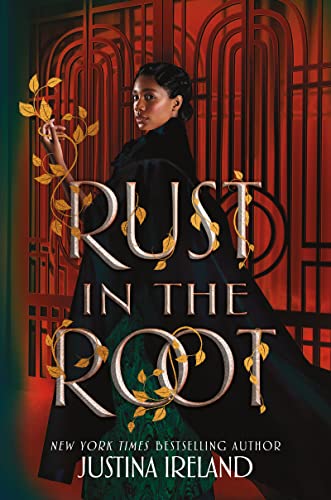
10. Rust in the Root, by Justina Ireland. This was the most recent of my reads to be added to the list, as I just finished it a few days ago. I generally like to have a few days to see if the shine wears off a book (or, as will happen later, if a book improves in my estimation or not) but I don’t see this one falling out of favor anytime soon. I don’t recall off the top of my head if Justina Ireland has shown up on this list before, but this is a great example of her style: historical fiction with a supernatural twist, told from the perspective of a person of color.
In this case, it’s 1937, and the United States is still recovering from the Great Rust, a cataclysmic event where anything created with the aid of the magical art known as Mechomancy has suddenly fallen apart. This includes pretty much anything that has been constructed, so the effects are immense and wide-ranging, although some areas have been harder hit than others. There are other schools of magic beyond Mechomancy, and the main character has some strength in several of them, including Floromancy, the ability to transform plants and seeds into other things. Branches of magic beyond Mechomancy are frowned upon and sometimes flat-out illegal, and the fact that most of their practitioners seem to be people of color doesn’t help. Laura moves to New York City at the beginning of the book and takes a job with the Colored Auxiliary of the Bureau of the Arcane’s Conservation Corps– sound familiar, by any chance?– and gets sent off to deal with a Blight, an area where the effects of the Great Rust are worse than usual. Much worse, as it turns out.
This is the first book of a series, and I’m really looking forward to the rest of it, especially as I want to know a lot more about this magic system and Ireland makes a point of only giving you as much information as you absolutely need to comprehend the story. I am, for example, dying to know why walnuts and okra seeds, specifically, are so important to Floromancy. She literally wears a bandolier full of seeds. Tell me mooooooooore.
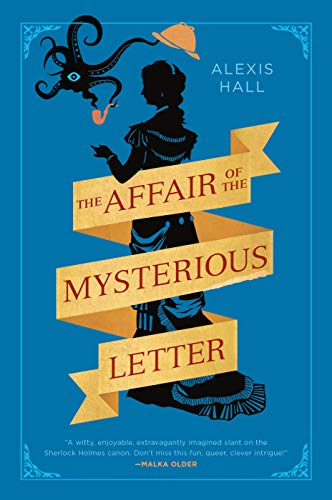
9. The Affair of the Mysterious Letter, by Alexis Hall. Sherlock Holmes is, in and of himself, a great argument for why awesome things can happen when copyright is allowed to expire. Affair is a not-very-thinly-veiled Holmes pastiche, crossed with H.P. Lovecraft, and if you know me you should already be smiling at the thought of me crawling over people and knocking over furniture in my rush to get my hands on this book. The main character, a military veteran named John Wyndham, takes up lodging at 221b Martyr’s Walk with a “consulting sorceress” named Shaharazad Haas. Wyndham’s war, by the way, was in another dimension, as opposed to, say, Afghanistan, and Ms. Haas has every bit of Holmes’ investigative acumen and invincible arrogance, combined with magical powers well beyond Holmes’ imagination. There are vampires and pirates. Wyndham gets to punch a shark at one point. It’s delicious.
The story begins with adapting A Study in Scarlet, the first Holmes novel, but continues to branch off into its own mystery as it continues. I don’t know if this is intended to be part of series or not, but I would love to see more. This combination is just too irresistible for me; I loved this book.
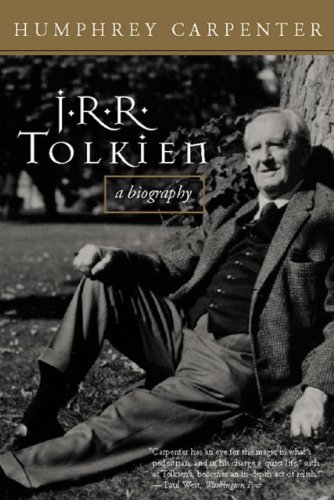
8. J.R.R. Tolkien: A Biography, by Humphrey Carpenter. I have to imagine that it’s rather difficult to write autobiographies of academics. I have some evidence to this effect, as I’ve read a handful of biographies of professors and authors that basically boiled down to “he got this degree, then he wrote this, and then he wrote that, and that made some people mad, so he wrote that after that in response to this,” and a life that was lived by someone who was objectively interesting just becomes a long list of publication credits. Tolkien himself basically was a hobbit, and his homebody tendencies add to the problem, but somehow Humphrey Carpenter makes his biography every bit as interesting as the man it’s about. Tolkien’s friendship with C.S. Lewis is covered fairly extensively as is a lot of the detail and etymology that went into the writing of The Lord of the Rings, along with Tolkien’s obsession with internal consistency and detail, which once led him to correct some details in a reissue of The Hobbit and literally blame them, in the text, on Bilbo Baggins himself.
I was light on nonfiction this year, and there will be a handful of other books showing up in the Honorable Mention, but this one was definitely the standout. It’s not like I needed an excuse, as Tolkien has been a huge influence on my life and this book came out when I was a year old, so it’s actually kind of surprising that I never read it before now, but I read this in preparation to watch The Rings of Power and then never watched The Rings of Power. Oops.
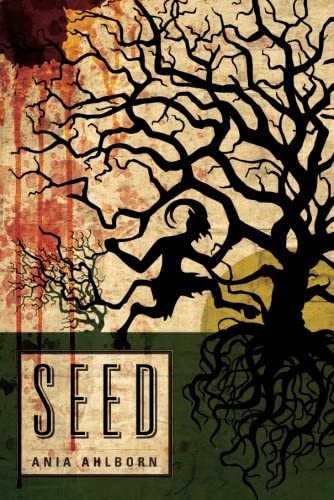
7. Seed, by Ania Ahlborn. I called this book “deliciously fucked up” when I wrote my initial review of it in October, and I absolutely stand by that, as Seed wins this year’s award for Book Most In Need of Multiple Trigger Warnings for this year. In particular, if violence against and occasionally by children is going to be something that gets to you– if you are a parent, or really if you have ever even seriously considered becoming a parent, this book is gonna fuck with you. Whether that experience is something you’re interested in or not is your call; I spent the first night of the two it took to read this book with my skin crawling, and I figured out what the ending was going to be early on in night two and spent most of the rest of the read in slowly-mounting dread that I might have been right and desperately hoping that I was wrong.
I was not wrong. This book is somewhat predictable, generally considered a weakness, but that only increases its ability to screw with you. It’s about a generational curse, and family trauma, and there’s pet murder and car crashes and projectile vomiting and and all sorts of godawful shit and it’s beautifully written and it’s scary as all hell. You may wish you hadn’t picked it up when you’re done with it and you should read it anyway. I wish I could write this scary, and that’s the highest compliment I think I can pay the book. Just be glad it’s short.
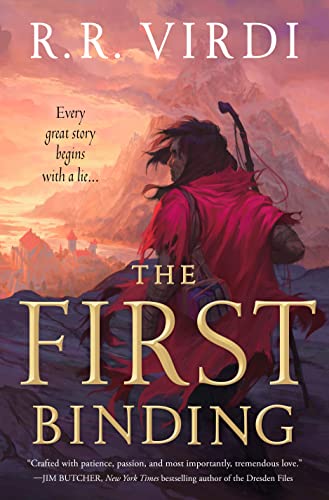
6. The First Binding, by R. R. Virdi. What was that about short books? The First Binding is 832 Goddamned pages long. It’s a doorstop. You could kill small animals with it. You could probably kill medium-sized animals with it, although reading it would probably be a better use of it. It’s the first of a series, and I have not the slightest idea how many books are planned for it but this is gonna look great on the shelf assuming the author doesn’t develop a case of Rothfuss syndrome and never finishes it.
We’ll get back to the Rothfuss stuff in a minute, but it’s worth pointing out that this book initially wasn’t on my shortlist for 2022. I added it in this week after realizing that I was still spending a fair amount of time thinking about it, so it’s a book that I gave a five-star review to initially that has managed to grow on me since I first read it.
To be wildly unfair about it, The First Binding is The Name of the Wind, only with a vague feeling of Southeast Asia about it. Or, alternatively, it’s Christopher Ruocchio’s Sun Eater Chronicles but not in outer space. It is, in other words, a first-person autobiography-style story told by an old and vastly powerful being, with occasional jumps around in time and lots of references to stuff that’s going to happen later on in the series. And, honestly, Name of the Wind crossed with Asian cultural influences really will give you a damn good idea of whether you want to read this or not; I feel pretty comfortable saying that if you (at least initially, before 10 years of Rothfuss’ nonsense) liked NotW, you’ll like this, and you should give it a look. Just, uh, maybe think about it in ebook format unless you have strong forearms.
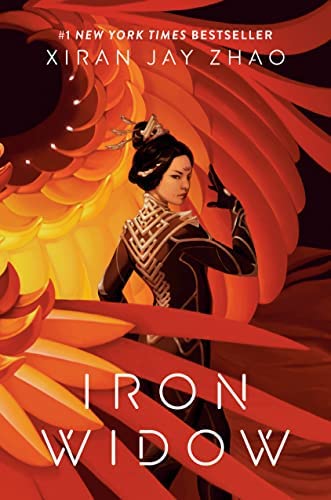
5. The Iron Widow, by Xiran Jay Zhao. I literally just now pre-ordered the sequel to this book, which unfortunately isn’t due out until August of 2023, but this is the first book on the list where drooling enthusiasm could legitimately be part of my talking about it, something that will be a theme for the rest of the list. (I never said this: in general, don’t pay too terribly close attention to the order of the books, except maybe for the top two, but I do feel like there’s a bit of a division between the top five and the bottom five. If I had waited until tomorrow to write this list they might have been in different order.) It also has, hands down and far away, the best cover of any of this year’s books, to the point that I had the wraparound without the text on it as my desktop background for a while after reading it.
Also, if you Google Xiran Jay Zhao, the author, they are wearing a cow onesie in the first pictures that will pop up, which is a reason to buy the book all by itself.
Right, the story: imagine Pacific Rim crossed with The Handmaid’s Tale: giant mechs beating the shit out of each other piloted by tiny, soft humans, only one of them has to be male and one has to be female and very frequently piloting the mech will lead to the death of the female pilot. Now make the main character one of those female pilots and make her hate men to a degree that is almost attractive. Wu Zetian is an amazing, fascinating character and even if she didn’t have the fascinating worldbuilding around her (and y’all know what a sucker for good worldbuilding I am) I’d want to read the book to know more about her. I read this back in January– I think it was one of the first books added to the shortlist– and I still think about it all the time. Absolutely madhouse brilliant. Go buy it.
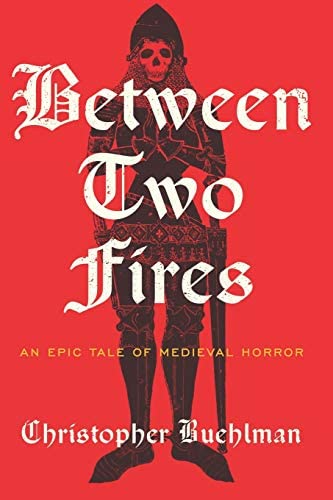
4. Between Two Fires, by Christopher Buehlman. In a world where I had never read Seed, I’d start this off by talking about how amazingly fucked up Between Two Fires is and how I don’t read enough good horror novels, but I already wrote the bit about Seed, which is both scarier and more fucked up than Between Two Fires but somehow isn’t quite as good of a book. I think the difference is that Between Two Fires is a more complex story; it’s going to scare the hell out of you and gross you out and push some buttons that generally have DO NOT PUSH on them in blinking lights, but there’s more going on with this one than with Seed.
Anyway, it says “An Epic Tale of Medieval Horror” right there on the cover, and, well, yeah, that’s what this is, only the Middle Ages were kinda a horror story all on their own, and this particular book is set at the height of the Black Death, so it’s historical fiction about what very well may have been one of the worst times and places to be alive and human in history.
The main character is Thomas, a former knight who leaves a life of wandering the countryside stealing and looting and trying to avoid sudden, horrible death when he rescues a young girl from a band of men who are more or less just like him, and if you’re getting a hint that violence against children is part of this book, yeah, maybe roll with that? Only thing is, this kid might be a prophet of God, as she’s convinced that the plague is part of Lucifer rising up against Heaven, and hey, relative stranger, would you mind escorting me to Avignon so that we can do something about the impending literal end of the world? Pretty please?
So, yeah, maybe that’s what’s going on. Or maybe she’s just sick and delirious. Either way I’m sure it’ll be fine.
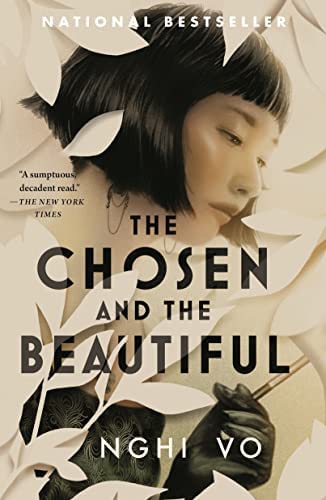
3. The Chosenand the Beautiful, by Nghi Vo. I was talking earlier about how certain things falling out of copyright protection led to (or at least could lead to) cool reinterpretations of the source material, and that leads to me wondering if The Great Gatsby is in the public domain yet. I can only assume that it is, as Nghi Vo’s The Chosen and the Beautiful makes no attempt whatsoever to hide the source material, right down to keeping all of the character names and locations the same. The mysterious Jay Gatsby is still the central driver of the book, his mansion is still across the bay in West Egg, and a certain green light and optometrist’s billboard are still there to be obsessed over by generations of English teachers.
The big difference? Vo’s Jordan Baker is a Vietnamese adoptee, and queer to boot, and she has a relationship going with not only her Gatsby lover Nick Carraway but also Daisy Buchanan herself. The book is thick with magic, too, although it’s fascinatingly expressed; where I’m usually a sucker for “magic systems” and worldbuilding and such this book has absolutely no interest in explaining things, and you’re just going to have to take that little vial of demon’s blood at face value, damn it, or (in one of my favorite scenes) the speakeasy that can only be accessed by crossing the same bridge three times in a row, or the paper doll that Daisy animates and sends to a social event that she doesn’t want to attend.
Don’t misunderstand me; I’m a big fan of Gatsby, which I haven’t reread in a while and need to get to, and the story of this book fascinated me from start to finish, but that’s not why it’s on the list. This book, more than anything else I read this year, is on this list because of the quality of the writing. I’ve read a couple of Vo’s books in the past and I didn’t quite realize she had this in her; the writing is beautiful, with sentences I wanted to lift off the paper and roll around in on nearly every page. It’s stunningly well-written, and even if you aren’t generally into speculative fiction or you haven’t read Gatsby you should allow yourself the pleasure of a night or two with this beautiful little book.
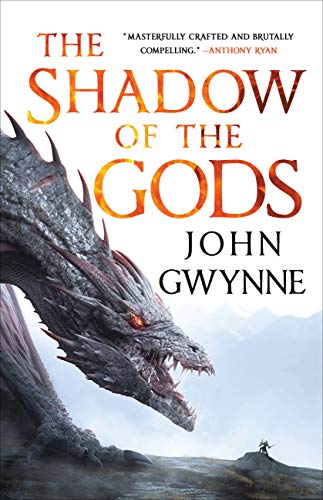
2. The Shadow of the Gods, by John Gwynne. I considered making it official that you were to consider both this and its sequel The Hunger of the Gods as both being in second place, since I read both books this year, but whatever, you get it. As you’ve no doubt figured out I read a lot of series fiction this year, more than I usually do even though that’s always been a big part of my reading diet, and this book is an amazing example of the grittier, slightly-more-reality-based side of fantasy literature. Slightly, mind you, as the cover of this one features an absolutely enormous dragon and the sequel has a wolf half the size of God on it, but it still feels like low fantasy for all that.
Shadow is Norse-themed, possibly post-Ragnarök-Norse themed, as there’s gods but they’re all dead, and the main characters are all phenomenal badasses and they all cart around lots of axes and seaxes (which is a dagger) and everybody’s cold all the damn time and there are letters like ð scattered through a lot of the words so you need to know to pronounce it like a -th. There are three main POV characters that the book cycles through, and by the end of the book none of them have even met yet although their stories have overlapped in certain ways; this was very clearly written as the deliberate first part of a trilogy and not a book that got successful so they greenlighted sequels.
This is not the most complicated nor the most literary book on the list. It is, however, an extraordinarily well-crafted example of a genre that I have loved since I was a kid, and discovering John Gwynne’s work was an amazing treat. I have another book by him that has been sitting on my shelf for a while because it’s the first book of a (completed) tetralogy and I strongly suspect I’ll be reading them close to back-to-back, so I’ve been waiting for the year to end, because I already have two books by this guy on my list and I can’t have two entire series. I loved it, and you should read it.
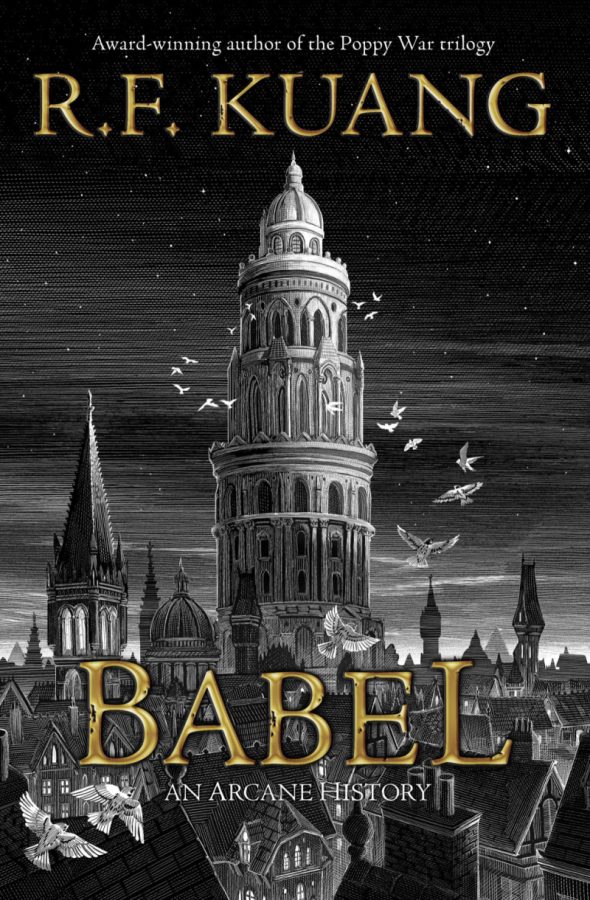
Babel, or the Necessity of Violence: An Arcane History of the Oxford Translators’ Revolution, by R. F. Kuang.
This is the part where I inevitably get pissed at WordPress, which cannot be convinced that just because I have started a line of text with a 1 does not automatically mean that I am about to create an indented list. It can not be talked out of this. It cannot be edited. It barely makes any visual impact at all, and it nonetheless drives me insane.
Anyway. Babel represents the best minor thing that happened to me all year, which is that I got a pre-publication ARC and got to read it a couple of months before it actually got released. R.F. Kuang’s name is not going to be unfamiliar to anyone who has been around here for a while; her Poppy War trilogy is one of the greatest achievements in fantasy literature of the last ten years, and she is somehow only 26 or 27 years old. I believe all three of her previous books have made my top 10 list; the second one might not have but the first and third definitely did. Babel, in all its academic colonic title glory, has absolutely nothing to do with the Poppy War trilogy, and instead represents yet another alternate history, something I’m only just now realizing was absolutely the genre of the year for 2022.
Babel is set in the 1830s at the Institute of Translation at Oxford University, a giant tower that occupies most of the center of campus and very much does not exist in the real world. The main character, called Robin Swift because none of the white people in the book can be bothered to learn his real name, is a Chinese orphan basically kidnapped by an Institute professor and brought to England to serve as a translator for the Chinese language. This world’s entire magic system (there’s that phrase again) is based on translation, and the Institute has a death grip on the technology that this magic makes possible, so Robin, along with his three friends– an Indian Muslim and two women, one of whom is Black– are put in the position of wanting to be scholars and translators but having to literally participate in stripping cultural resources from their homelands in order to do it.
It’s magnificent. It’s angry and dark and complicated and fascinating and eventually it almost turns into an espionage novel– don’t miss the bit about the Translators’ Revolution in the title– and I thought the Poppy War books were wonderful but they feel like a warmup in comparison to how confident and assured the story Kuang is telling with Babel is. Dark Academia has become an interesting subgenre in the last few years, so if you’re into that, or historical fiction, or really just into good books at all, it is the best book I read this year, and you should have read it already, so get on that.
Honorable Mention, in No Particular Order, Except for One Book: The Last Days of the Dinosaurs: An Asteroid, Extinction, and the Beginning of Our World, by Riley Black; Kings of the Wyld and Bloody Rose, by Nicholas Eames, which you should understand as the unofficial #11 on this list; The Case of the Murderous Dr. Cream: The Hunt for a Victorian Serial Killer, by Dean Jobb; Leviathan Falls, by James S.A. Corey; Under the Whispering Door, by T.J. Klune; Six Crimson Cranes, by Elizabeth Lim; Bluebird, by Ciel Pierlot; The Architect’s Apprentice, by Elif Shafak; The Doors of Eden, by Adrian Tchaikovsky; The Rage of Dragons, by Evan Winter; and Scythe, by Neal Shusterman.
It is December 30, and Adrian Tchaikovsky is just going to have to wait until next year if I happen to really love the book of his that I’m starting today. This is an interesting list to me for several reasons; several of these books are very much of the “I loved this but you really might not” type, as holy shit that was weird and awesome seems to have been a common thread for a lot of the books I really liked this year. Also, a handful of them weren’t on my shortlist, meaning that after I did my first pass on that I thought “Hey, where was book X?” and realized that at the time I read it I didn’t think it was going to be good enough to make the list at the end of the year and then it did a really good job of sticking around in my head. I read so many books that books I read early in the year are at a serious disadvantage, so it’s always neat when one creeps up on me.
Also, as I’m writing this right now I still don’t know what the #1 book is going to be, which is a sign of just how much I loved both of them. Don’t pay a ton of attention to the specific rankings until the top five or so, as usual, because if I put the list together tomorrow they might shift around a little bit.
As always, “new” means “new to me,” so although there are a number of 2021 releases on here and none of them are really old books, being read in 2021 was the requirement for inclusion, not being released.
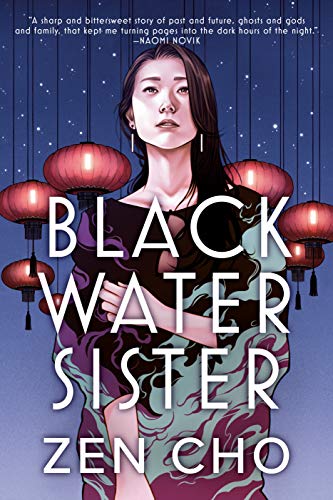
15. Black Water Sister, by Zen Cho. I have read several of Zen Cho’s books but I am pretty sure this is the first time she has appeared on this list; it’s the story of a Malaysian-American girl whose family returns to Malaysia after a series of financial setbacks and who immediately starts being visited by the ghost of her grandmother. While calling it autobiographical doesn’t really make any sense, as I’m pretty certain Zen Cho hasn’t experienced any ancestral hauntings, it’s clear that she’s drawing on her own experiences as a child of immigrants in this book, and as a result it feels more personal and intimate than a lot of her other work has. The supernatural influences don’t stop with the grandmother; Malaysian religion and Malaysian gods and an interesting (at least to me) take on Christianity are also a big part of the book, and there are enough twists and turns over the course of the narrative to keep the pages turning. Jess herself is a bit of an asshole, but having had some time to marinate on it I think it makes her feel more real. This is Cho’s best book by a decent margin, and she was already someone whose books were on my “buy automatically” list, so just start adding everything I talk about to your TBR right now.
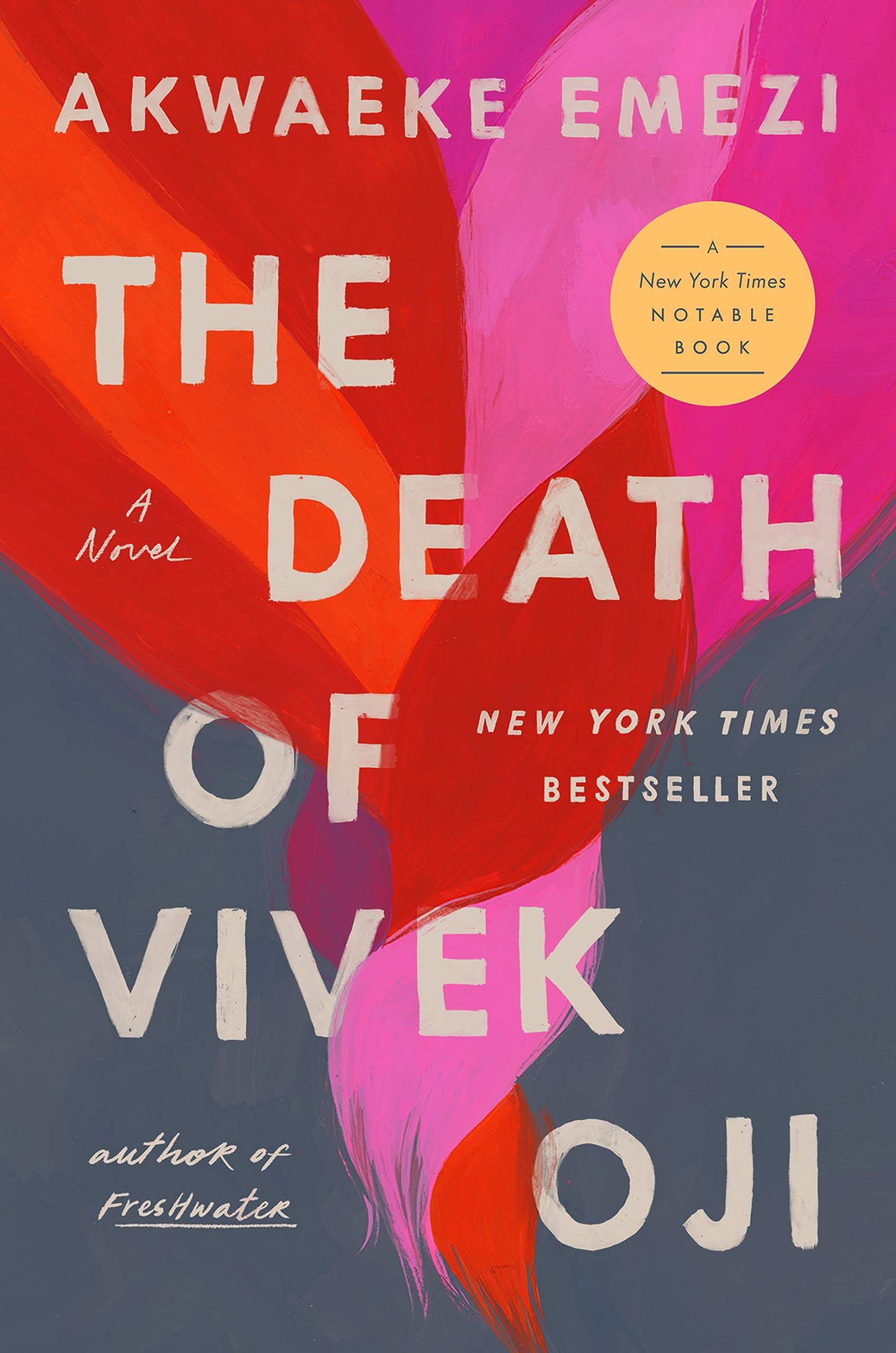
14. The Death of Vivek Oji, by Akwaeke Emezi. So, uh, spoiler alert: Vivek Oji dies in this book. The title? Not a joke.
Nigerian author Akwaeke Emezi is a superb talent, and Death is a title that is a little difficult to talk about without spoiling plot details, as, well, you kinda already know Vivek is gone at the beginning of the book and so learning about what happened is the whole point. I don’t know that this is quite a mystery story except in the broadest possible outlines; it’s more of a story about a tragedy that happens to a family than anything else, and of Emezi’s three books that I’ve read (the other two being Freshwater and Pet) this is the most assured and emotional their writing has ever been. The book jumps around in time, telling the story of Vivek’s life as well as his death, and it’s yet another piece of evidence for my oft-repeated statements that if you like to read and you’re not regularly picking up books by Nigerian authors you are seriously missing out.
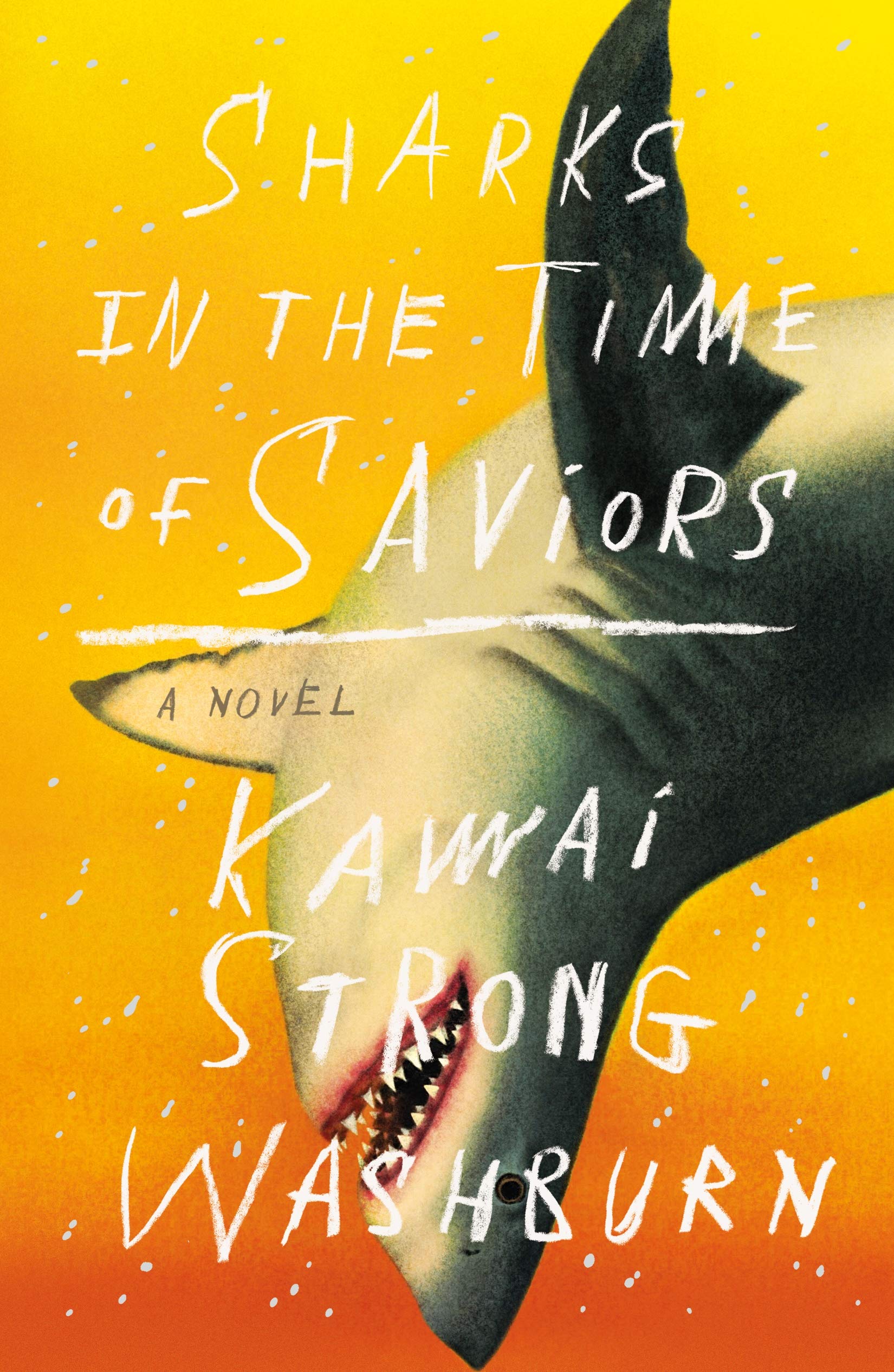
13. Sharks in the Time of Saviors, by Kawai Strong Washburn. This is the first book on the list that I would likely not have read were it not for #readaroundtheworld, and in fact I found it by sending a message to a friend of mine from high school who lives in Hawai’i now and asking her to recommend some books by native Hawaiian authors. This is another family story (another theme this year, as I look through the rest of the books) that starts when a seven year old boy falls off a boat and nearly drowns and is rescued by … sharks. Which, y’know, isn’t exactly typical. Then a friend blows part of his hand off with fireworks and the boy is able to heal him. Which, yeah, also not typical, and the narrative blasts off from there.
Most of the family members– three children and a mom, with Dad popping in for a chapter or two here and there– are point-of-view characters for some part of the narrative or another, as they go through their lives and move back and forth between the island and the mainland. This is a book about the weight of family expectations, and what happens to you when The Future is always something you thought you understood until it arrived differently than you expected.
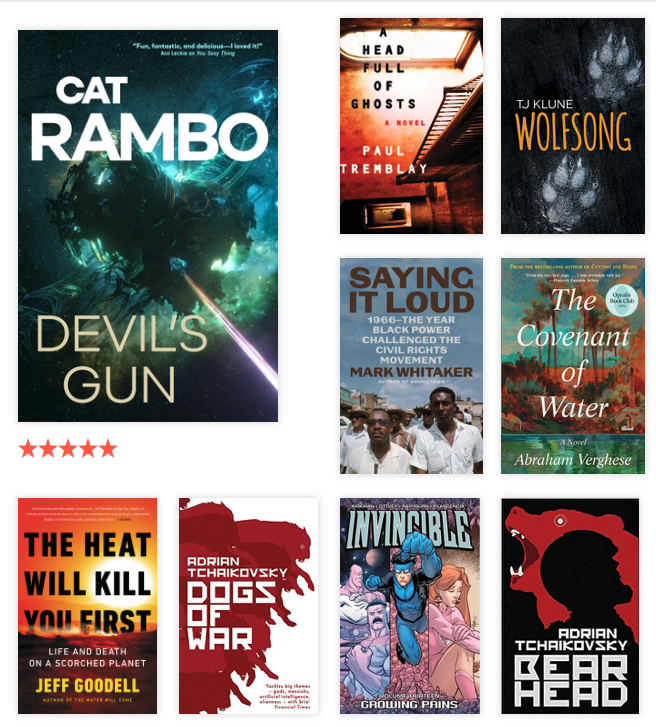
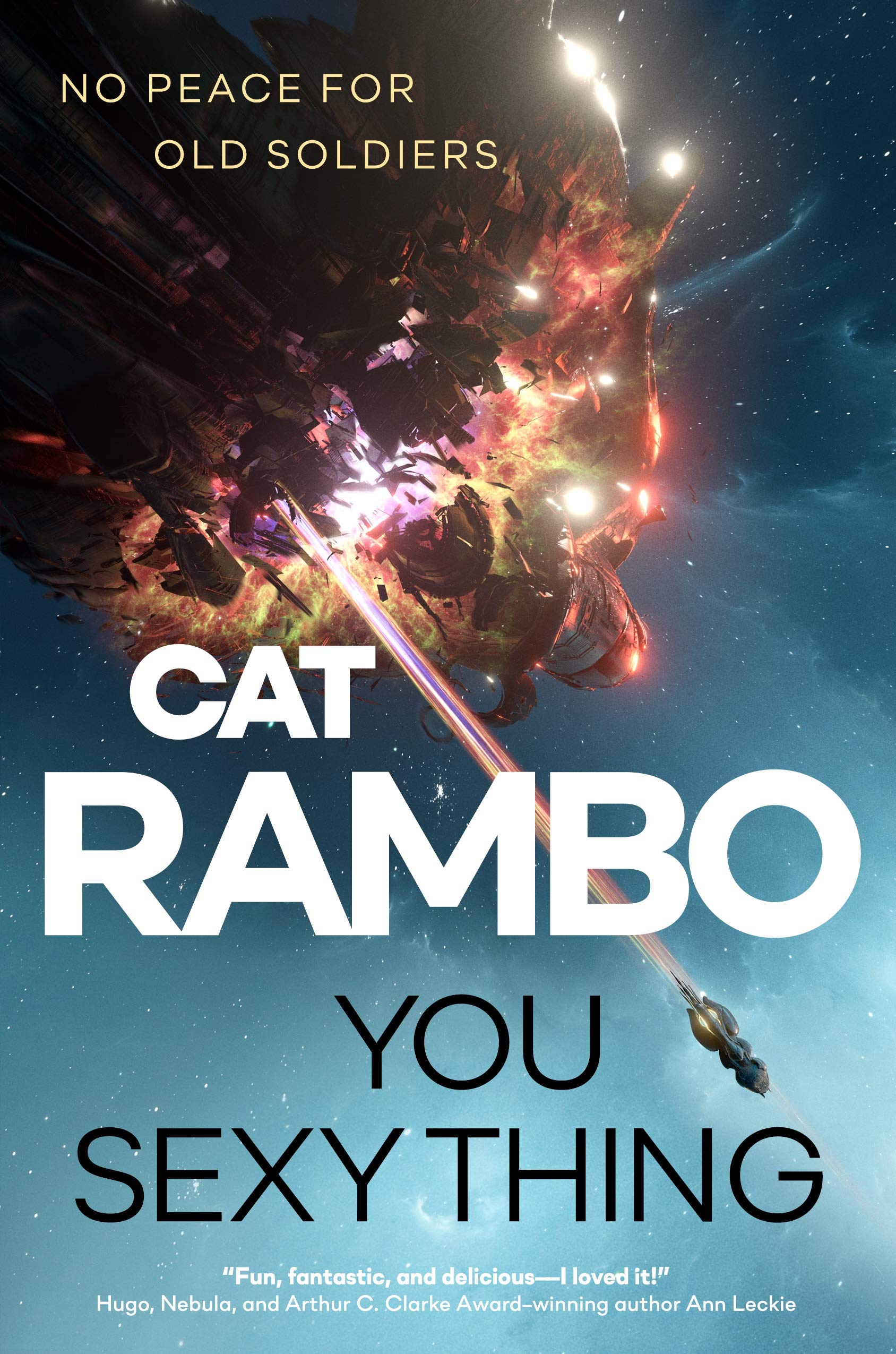
12. You Sexy Thing, by Cat Rambo. Getting sent books for review consideration has developed into a thing that happens four or five times a year now, and while I got sent early copies of two of the books on this list, I don’t know that this book would have gotten onto my radar had I not had it sent to me for free. So it’s great that it was, because the book is awesome.
This is a book where describing the setting, and assuring you that the book lives up to the setting, should be sufficient to get you to read it. The copy on the back cover describes the book as “Great British Baking Show meets Farscape,” and that is perfectly sufficient in and of itself to get me to hand over my money. The characters are all (well, mostly) members of a military unit who have retired and opened a restaurant, and as the book opens they are eagerly anticipating a visit from a food critic who has the power to award them something called a Nikkelin Orb, and … yeah, at that point I was already in, and that’s before it’s revealed that the title of the book is the name of an intelligent bioship that the characters (sort of) steal, or things like the team’s explosives expert being a chimpanzee who only communicates via sign language, or the four-armed, eight-foot-tall head chef, or the hypersexual floating squid who also makes up part of the crew. With a setting and characters like this you barely need a story, but Rambo succeeds there as well, and while I’m not a hundred percent certain there are more books coming in this series, I really really want more.
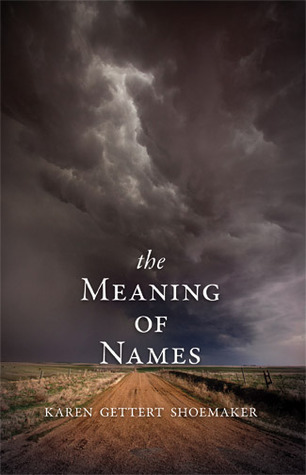
11. The Meaning of Names, by Karen Gettert Shoemaker. I said in my original review of this book that I had really liked it but I wasn’t sure I ever wanted to read it again, and while that is still true the book has really stuck around in my head– this is one of those that wasn’t originally on my shortlist for this post but forced itself onto the list anyway.
Names is set in Nebraska during World War I, in a small German immigrant community. You may already be raising an eyebrow; if you suspect that a book about German-Americans during World War I might in some way be about nativist prejudice against those immigrants, well, you’d be right, and do you happen to remember what else happened in 1918? Oh, right, a fucking global pandemic involving a respiratory disease.
This book was written well before Covid became a thing, but it has a number of really uncomfortable parallels to everything going on today, and I’d actually love to sit down with Karen Gettert Shoemaker and have a conversation with her about having written this book that was about one thing when she wrote it and now reads like a satire on American society. Because everything going on right now involving Covid happens in the book– well, no horse paste, but the rest of it is spot-on– and … yeah. It’s hard to read. But it’s damn well done for all of that, and I had to include it on the list.
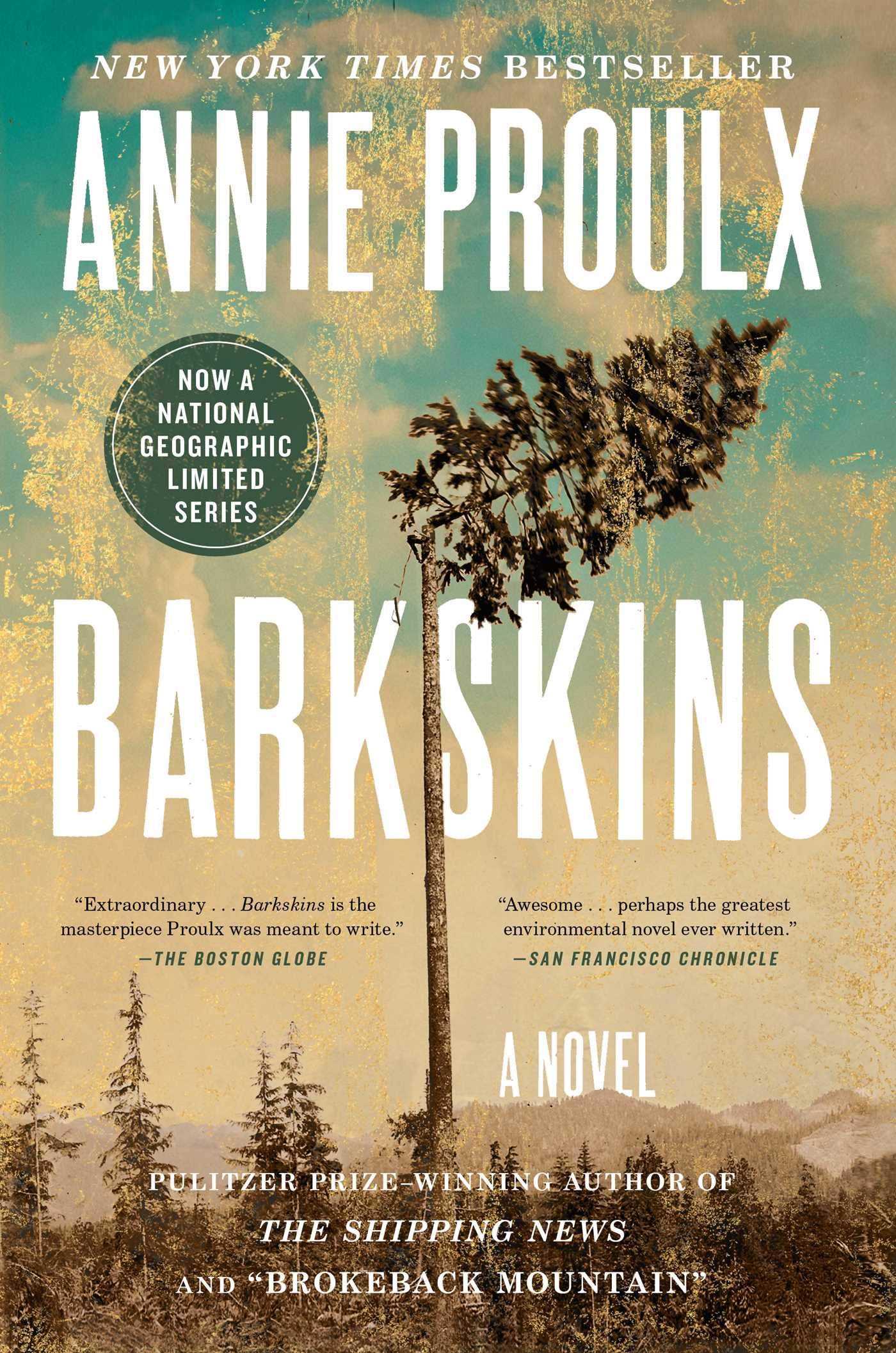
10. Barkskins, by Annie Proulx. Barkskins is another one that I originally didn’t intend to put on the list, and the third book so far that I wouldn’t have read were it not for the #readaroundtheworld project, this time for South Dakota. This is historical fiction, and insanely detailed and well-researched historical fiction, following the descendants of a seventeenth-century French indentured servant through over three hundred years of history. Part of it ends up being a history of colonialism, and part of it ends up being a (fictional) history of the logging company that the original character starts and one branch of the family keeps alive through the years. This is also very much a book about environmentalism; you can imagine that people who own a logging company might have a few ideas about what to do with trees, and the book addresses both the ideas of early white colonists that America’s forests were literally endless and inexhaustible and later attempts at conservation, and we end up with characters on both sides of that conversation. The conversation about conservation. The conservation conversation.
Oh, and because it’s a generational saga, Proulx doesn’t feel any need to be especially nice to her characters, because one way or another they’re gonna die, since the book has two hundred years and 500 pages left to go. So sometimes people have a nice interesting storyline going and then step on a nail and die of typhus a page later. God, I’m glad I live in an era with modern medicine.
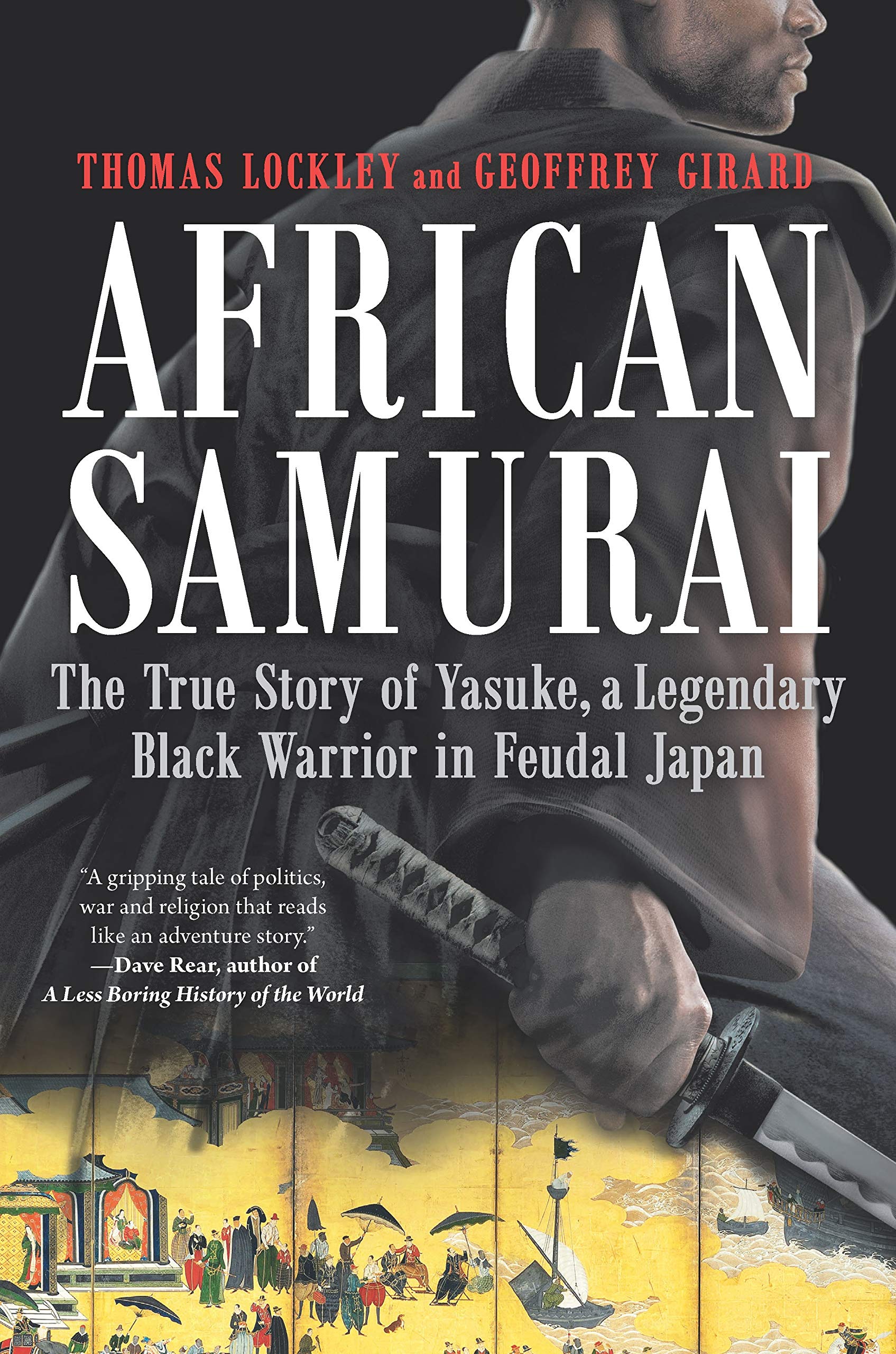
9. African Samurai: The True Story of Yasuke, a Legendary Black Warrior in Feudal Japan, byThomas Lockley and Geoffrey Girard. I read very little nonfiction this year compared to a typical year, and in fact as I’m sitting here I can’t come up with more than maybe one or two other nonfiction books from 2021. Even this one is lightly fictionalized, as Yasuke was definitely a real person and was, yes, an African samurai in sixteenth-century Japan, but the only way we know he existed is through some artwork and a series of letters from a Jesuit priest who lived in Japan at the time. Geoffrey Girard is a novelist and Thomas Lockley a historian, and I think the novelist might actually have written more of the book than the historian did, as we spend a lot of time inside Yasuke’s head and recounting day-to-day events in his life than the historical record might strictly be able to support. That said, this book also doubles as a biographical treatment of Oda Nobunaga, who was also real and also fascinating, and while it’s necessary to take specific claims with a grain of salt from time to time– we don’t know how Yasuke felt about discovering he was going to have servants in the house Nobunaga gave him, an anecdote that a couple of pages is devoted to– the book is truthy enough in the broad strokes, and it’s a fascinating read.
Just don’t expect Yasuke to have magical powers or to have his giant spirit bear attack you. That’s from video games, and it definitely didn’t really happen.
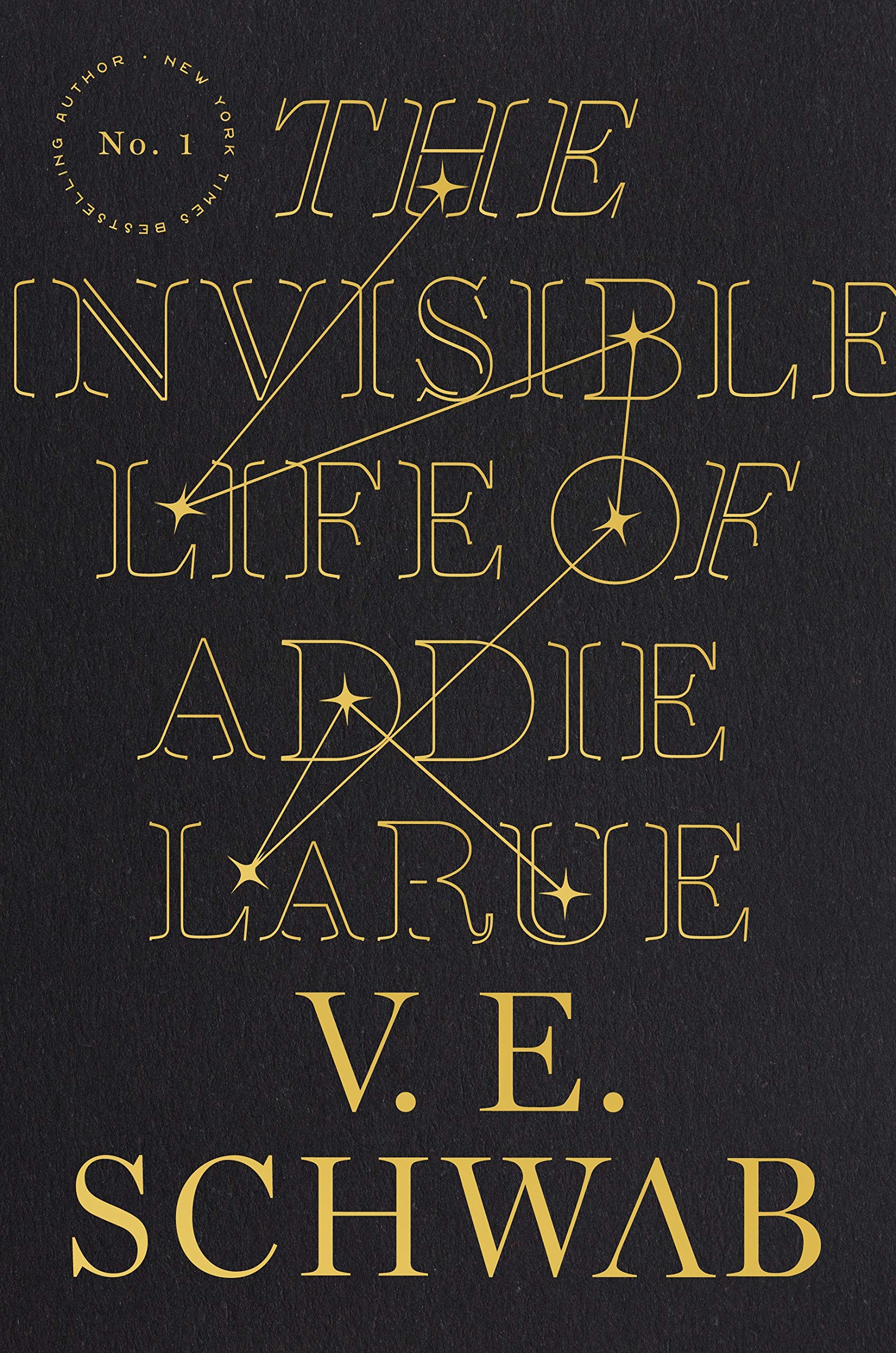
8. The Invisible Life of Addie LaRue, by V. E. Schwab. Another book that flirts with historical fiction without being historical fiction, Invisible Life starts several centuries ago in France and tells the story of Addie LaRue, an immortal woman who is cursed to not be remembered by anyone once they look away from her. While this type of lifestyle does have its advantages (it’s easy to steal from people if they literally don’t remember you exist once they lose sight of you) you can imagine that it also has massive drawbacks, and the occasional meal with the Actual Devil doesn’t do much to assuage the loneliness of being, effectively, unperceivable.
And then she meets someone who can remember seeing her, and everything changes, and the narrative takes off from there. This is, like Barkskins, a book that gets a lot of points for being something that I absolutely could never ever write, as the research alone for the book’s timeline must have been an immense amount of work, and Schwab handles it like someone who lived there. I want to take a particular moment to recommend this book to fans of Sandman, as LaRue’s story has certain commonalities with Hob Gadling’s, and he was one of my favorite Sandman characters, so chances are the similarities will hit others as well. I know book reviewers who have named this one their favorite book of all time, so expect it to make an impact.
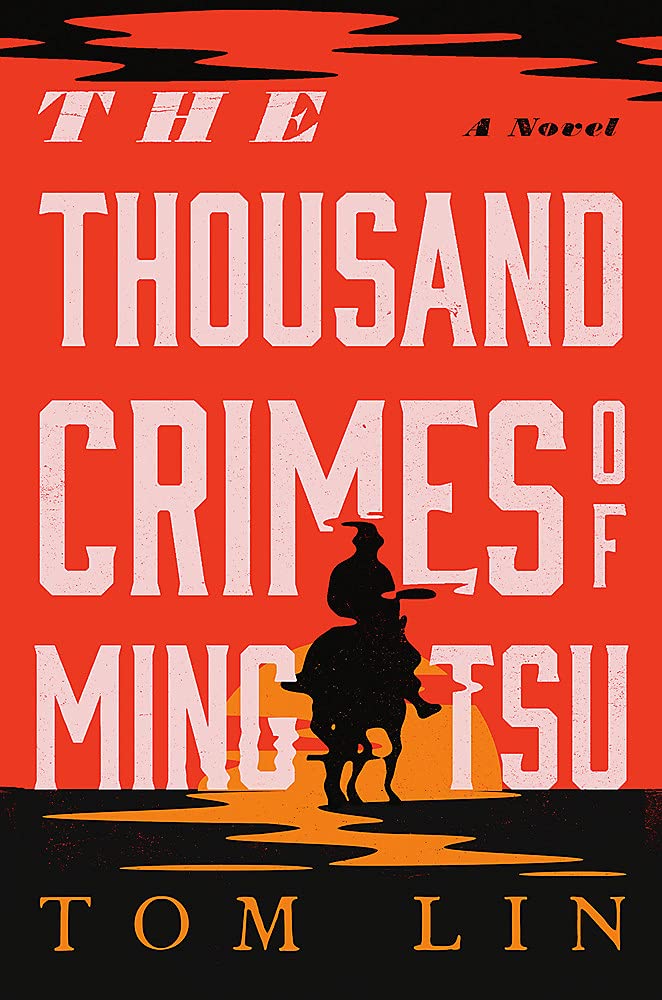
7. The Thousand Crimes of Ming Tsu, by Tom Lin. Did I say historical fiction? How about a Chinese cowboy in the American West? How about lots of shooting and killing and crime, and a prophecy and a seer thrown in just for the hell of it?
Like, I’m done talking there, because much like the premise of You Sexy Thing, you’ve already decided if you’re going to read this book, and if you’re a good person you’ve decided to read it, unless you already read it back when I originally reviewed it. And if you’ve decided to read it you are correct, and if you have not decided to read it you are wrong, so make sure you’re on the right side of history here. Westerns starring Chinese cowboys should have people reaching for their credit cards and slamming them on the table, dammit. You’ve all seen TikTok. Like that.
This is Tom Lin’s debut, and I’m pretty certain that it’s a one-off, so who knows where he’s going to head with his next book, but you can rest assured I’m going to be reading it.
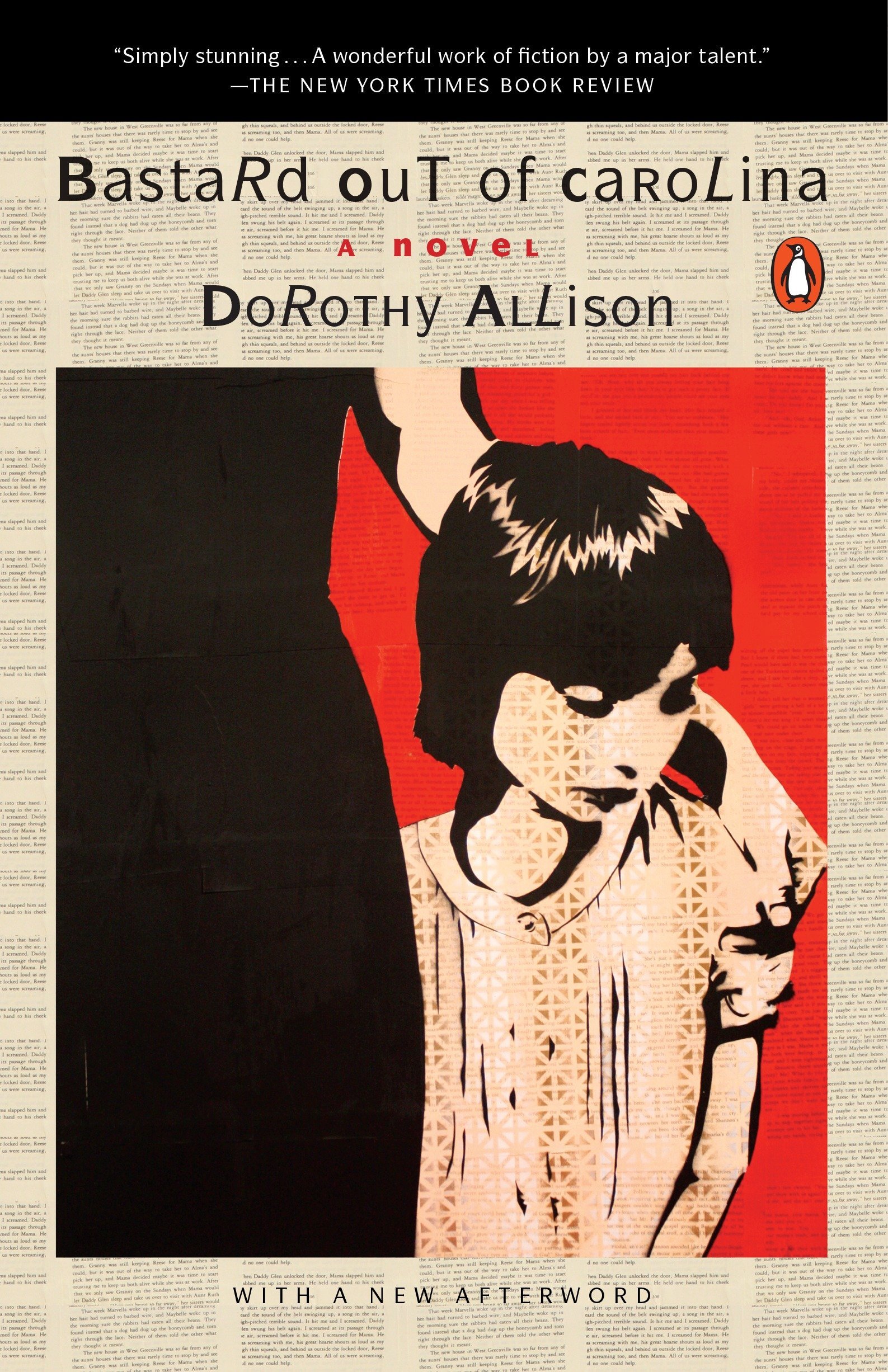
6. Bastard out of Carolina, by Dorothy Allison. This is the oldest book on the list, written in 1992, and was another book I read because of #readaroundtheworld, representing (see if you can guess) South Carolina. There’s a movie, too, which I haven’t seen, although my understanding is that it’s pretty good as well.
This is the only book on the list that I really feel needs a content warning if you’re going to read it; the main character, a young girl called Bone, is growing up fatherless and poor in a small town in South Carolina, and it is not an easy life, for her or any of her family members, particularly the women. Domestic violence and sexual assault are themes throughout the book, and there is at least one explicit rape scene.
It is a rough goddamn book to read, but it has well-earned its place in American literature and I’m really glad I read it. I can’t say I necessarily enjoyed the experience, but this is one of those books you should make sure to pick up anyway.
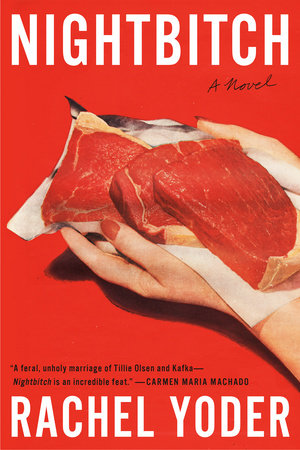
5. Nightbitch, by Rachel Yoder. This is a book where the main character abruptly turns into a dog halfway through and it’s not the weirdest book on the list. It’s definitely one of those “I loved this and you might not” books, though, and its deep and abiding strangeness is the best thing about it. The main character, referred to only as the Mother for half of the book and then as Nightbitch for the rest, is a suburban housewife, married to a man who spends most of his time out of town and is probably cheating, and she spends her day entertaining their toddler, a job that she does not respond to with joyous anticipation every day.
At all.
Frankly, she hates being a parent; hates the dead-eyed, joyless repetition of it all, hates the walks and the puréed food and the endless messes and the sleepless nights for both her and the child and the mindless fucking drudgery that any honest person will admit is part and parcel of raising, in particular, a toddler.
And then she, uh, turns into a dog for a while, and she convinces her kid to sleep without her at night by also being a doggy and sleeping in a kennel, and after that it gets kinda weird, and you should absolutely trust me and read it.
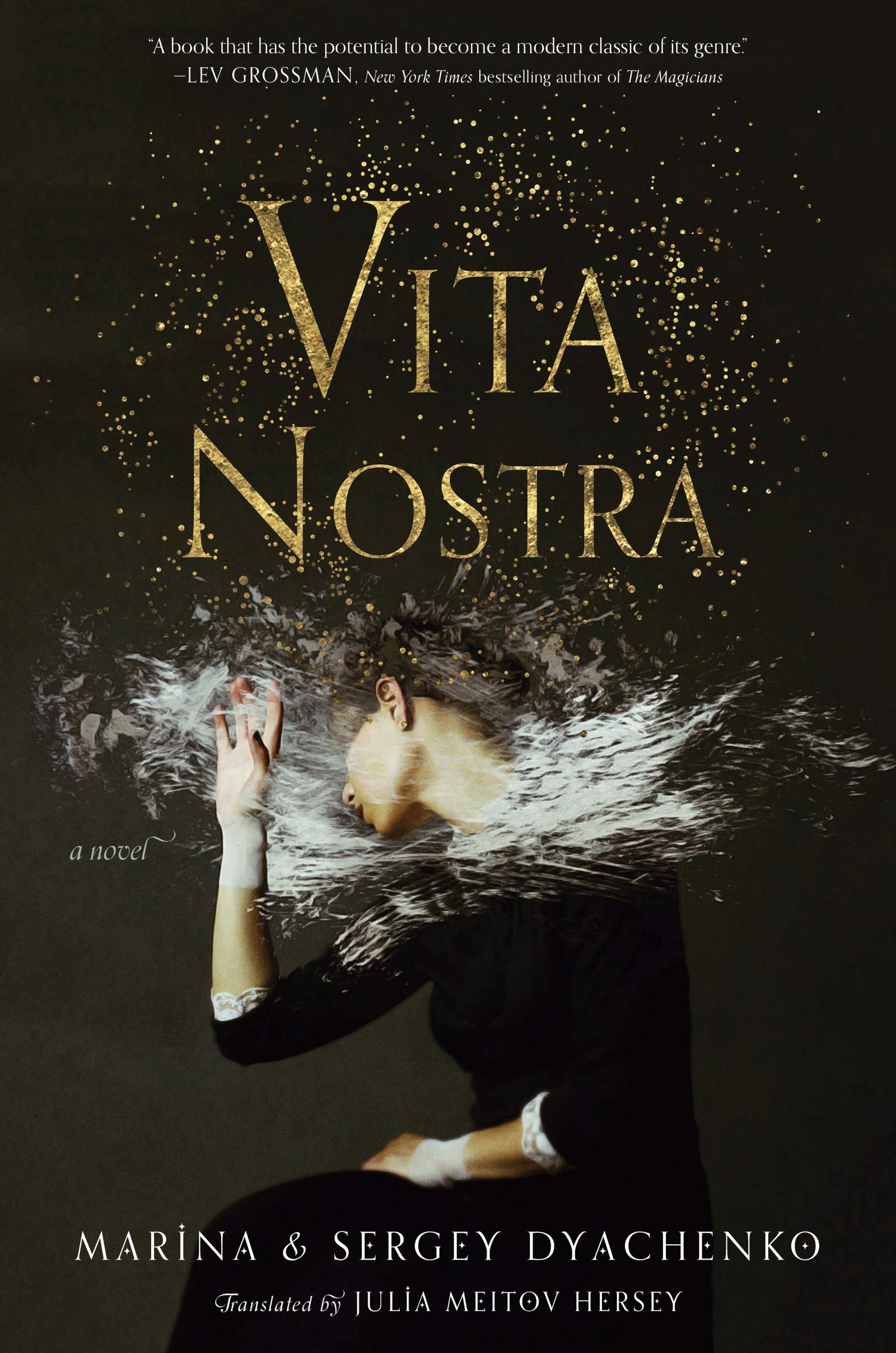
4. Vita Nostra, by Marina and Sergey Dyachenko. Okay, this is the weirdest book on the list, and I bought it because I was looking for books from Eastern Europe and from Ukraine specifically, and oh holy shit I don’t even really know how to describe it even now. I saw someone who described it as “Harry Potter, but written by Kafka,” and that’s maybe correct but I think it might be slightly more accurate if the author was the lovechild of Kafka and Lovecraft. The main character is a college-age girl who gets railroaded into college at a small school in an out-of-the-way town and begins studying, basically, eldritch horror, where absolutely nothing makes any sense at all and knowledge can’t be expressed in words and one of her assignments is to just memorize a list of nonsense words because it’s going to unlock her brain for something else and it is so fucked up and so incredibly Russian and at one point she has scales and wings just because that happens and oh my God you have to read it just so that I have someone to talk to about it. Defense Against the Dark Arts has nothing on the Special Technologies class. Nothing.
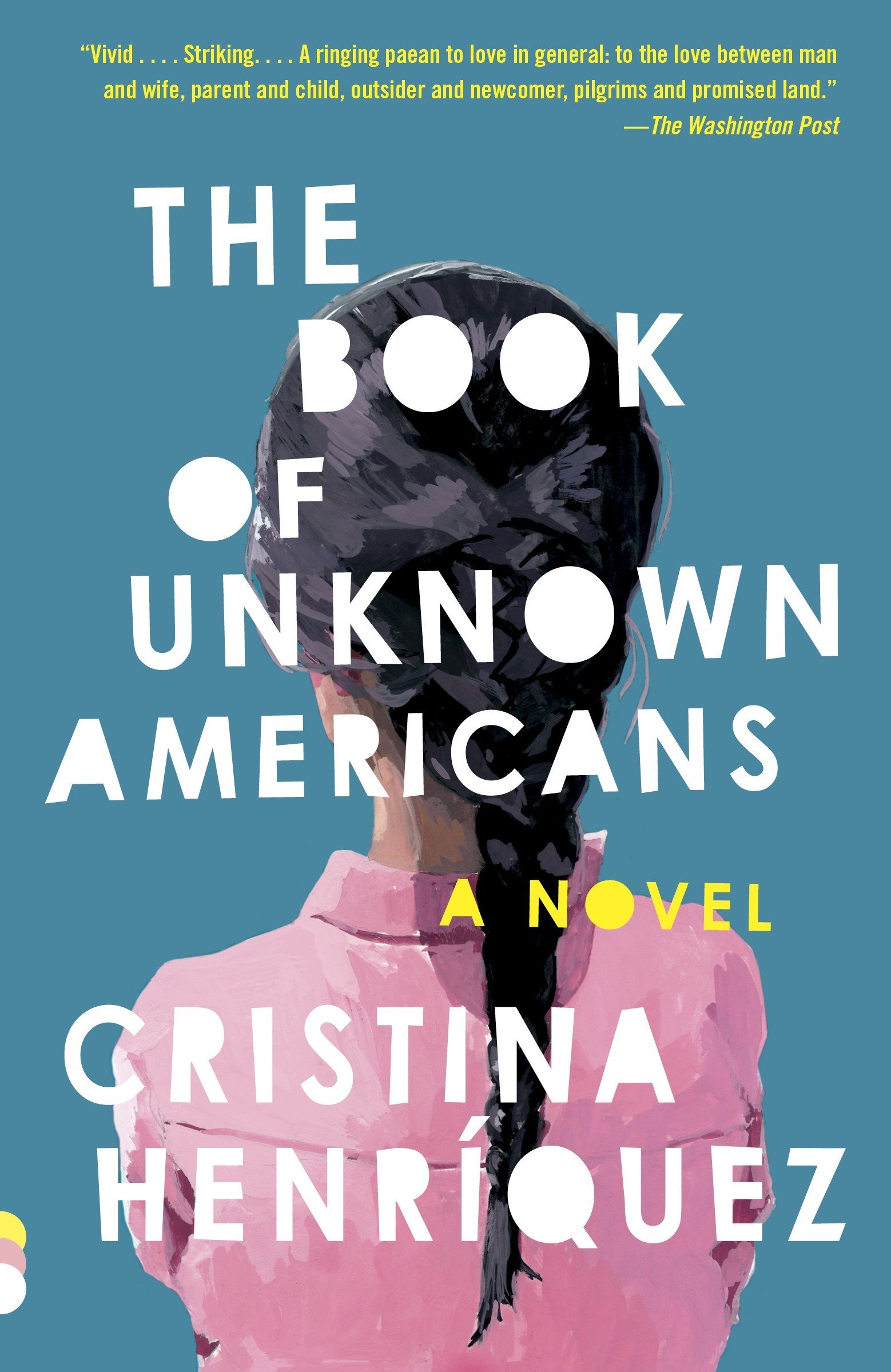
3. The Book of Unknown Americans, by Cristina Henríquez. Man, this one was really something special. The Book of Unknown Americans is set in an immigrant community– specifically, a single apartment complex inhabited by immigrants, some legal, some not, from all over Mexico and Central/South America– in Delaware. There are years where this book would have been #1 with a bullet, and it was one of the major highlights of #readaroundtheworld. It employs a rotating POV among ten or so different people of various ages, some born here, others who came as adults, and some who came as children, all Spanish-speaking but at a variety of levels of comfort with English and with American culture. The book is set in the early years of the Obama administration, and you might recall that the economy was not great during those years, so everyone is operating on a razor’s edge where losing a job or making a mistake could lead to homelessness, and the unique frustration of having been an educated, respected professional in one country who has to clean houses in America because your credentials don’t transfer and you don’t speak the language pervades the entire book. It also contains one of the sweetest love stories I’ve ever read, and even if the other characters’ stories weren’t great, the relationship between Maribel and Mayor would have gotten the book onto the list. This is a superb piece of work and absolutely everyone should read it.
Oh, and the ending is going to kill you. Maybe be ready for that.
I need y’all to understand that right now as I am typing this I am not a hundred percent convinced of the order of these last two books. One of them, if you’ve been around for a while, you can probably predict, one of them maybe you can’t. I will freely admit that I’m deciding on #1 because it makes a better story, and it would probably be most accurate to just have them tie, but they’re both absolutely outstanding and tomorrow I might rank them differently. Just FYI.
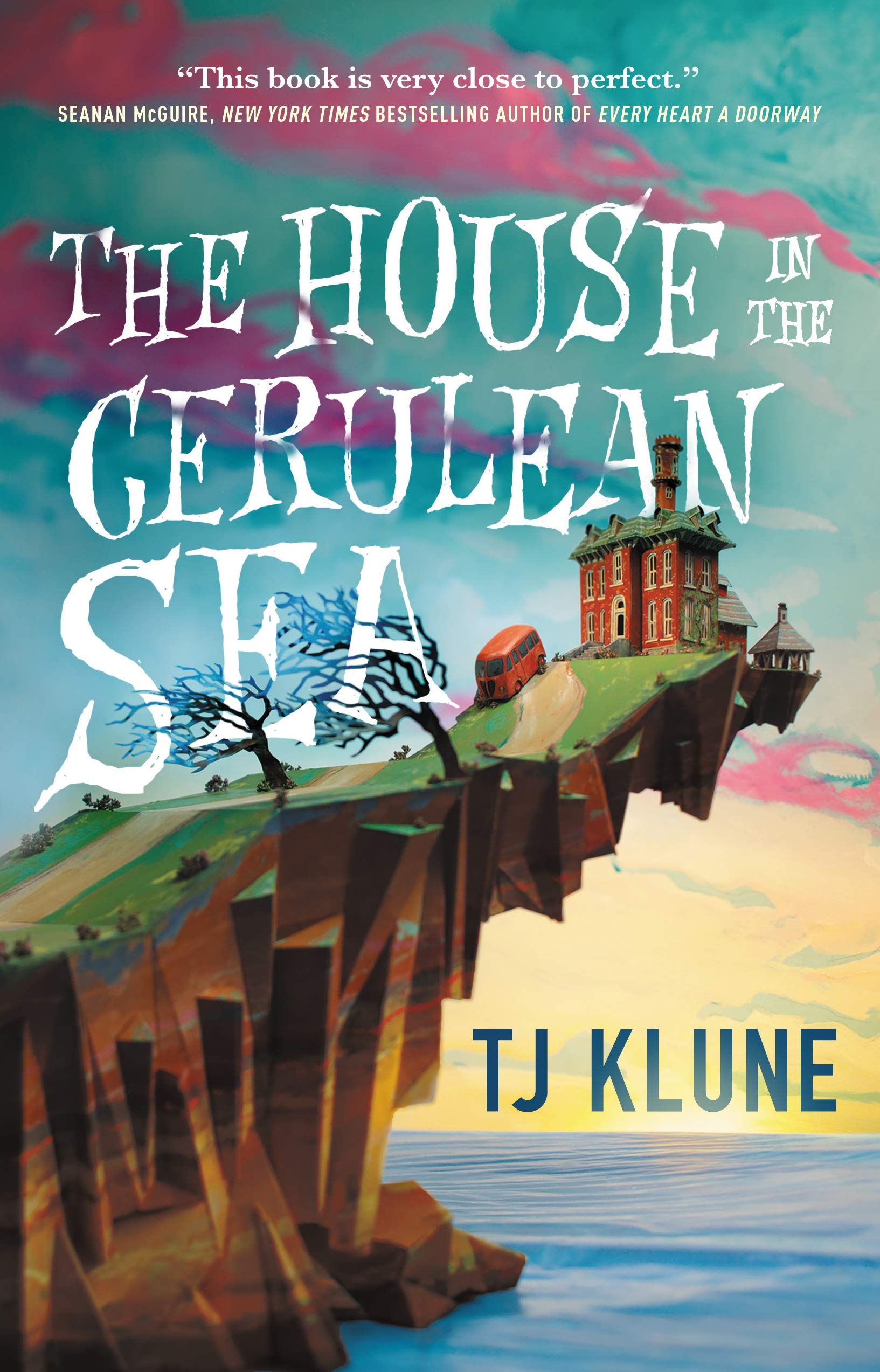
2. The House in the Cerulean Sea, by T.J. Klune. I will get into this more tomorrow, probably, or maybe even later today, but my initial post about this is my #1 post of 2021, and I have absolutely no idea why. It has literally gotten twenty times as many hits as my #2 post from this year. I have perhaps overused the word delightful in talking about this book, which is about love and found family and acceptance and optimism and taking risks for love and it was absolutely something I needed to read this year, but the simple fact is that delight is the #1 emotion I felt while I was reading it. House is about an orphanage for special children, and by “special” what I mean is that one of them is basically a gelatinous cube and another is the literal son of Satan, and the man who cares for them, and another man who is sent from the government organization that oversees the orphanages to make sure that the children are being treated well and are safe.
There is a reason that this is the only book on this list where I linked to my original piece about it, and I wrote about all of these books as I read them, and that is because of the inspiration for the book. Klune has been open about the idea that the germ of the novel came from his learning about Canada’s Residential Schools, which were absolutely horrible places, and has taken a lot of heat for that comment. The problem is that the book he has written is not about a residential school. He has taken something terrible and used it as inspiration for something that is lovely and life-affirming and beautiful, and it is an astonishingly good book. I’m not interested in arguing with someone who felt differently; your reactions to the book are your own. But I think they are objectively wrong on this one.
And, likely surprising no one, the #1 book on my list:
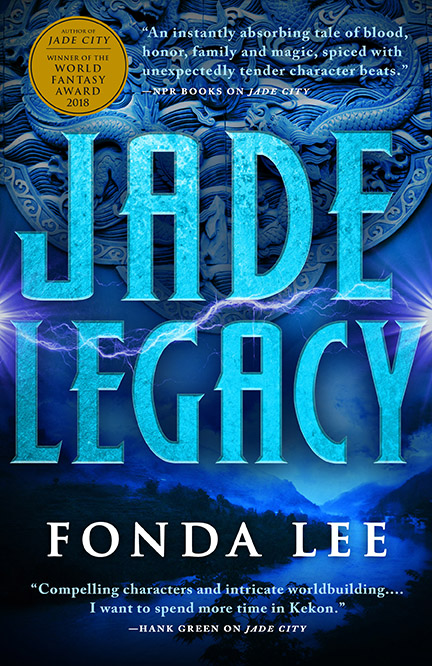
1. Jade Legacy, by Fonda Lee. To a certain extent, this was inevitable; Legacy is the third book of the Green Bone Saga trilogy, and the first book, Jade City, was my favorite book of 2018 and the second book, Jade War, was my favorite book of 2019.
Jade Legacy had a hell of a lot to live up to and a hell of a high bar to clear– sticking the landing on any story can be tough, sticking the landing on a trilogy where the second book was so good I compared it to The Godfather, Part II is even harder, and sticking the landing when you’ve decided to extend the third book over several decades as opposed to the tighter timeline of the first two books, meaning that your characters are going to age significantly and your world is going to change radically over the course of the book, is so rough I can’t even comprehend it. The fact that Fonda Lee not only managed to finish this thing but that she finished it while the world was falling apart is a towering achievement. Legacy is absolutely a worthy ending to what has become one of my favorite fantasy series of all time, vying with The Lord of the Rings and basically nothing else for that honor. It covers multiple generations and multiple continents and multiple families, and it’s about honor and death and colonialism and crime and violence and friendship and honor and yes I said honor already but it’s kind of a big thing and if you haven’t picked up this series yet after I’ve spent the last four years hollering about how good it is I don’t know why you’re even here.
(Oh, and I got it as an early ARC, which is probably the single best thing that happened to me this year; I cannot describe how excited I was when I got an email from Lee’s publicist asking me if I wanted an early copy of the book. Yes, I bought it anyway; I’d actually already preordered it when the ARC showed up, and I’ve even got another set of the trilogy that came out in a limited edition, meaning I have three copies of this book in my house.)
I cannot recommend this book any more highly. Yes, it and Cerulean Sea were very, very close this year, but Sea is a stand-alone and this is a capstone to an astonishingly good series of books. It is the best book I read this year.
Honorable Mention, in No Particular Order:The Necessary Beggar, by Susan Palwick; Island beneath the Sea, by Isabel Allende; Heartbreak Bay, by Rachel Caine; A Thousand Splendid Suns, by Khaled Hosseini; Persephone Station, by Stan Leicht; Requiem Moon, by C.T. Rwizi; The Book of Lost Saints, by Daniel José Older; Transcendent Kingdom, by Yaa Gyasi; The Searcher, by Tana French; The Witness for the Dead, by Katherine Addison; The Unquiet Earth, by Denise Giardina; Bump, by Matt Wallace; The Hidden Palace, by Helene Wecker; and The All-Consuming World by Cassandra Khaw.

 Welcome to infinitefreetime dot com