I learned a new word while reading a sex scene tonight, and I’m both surprised and a little alarmed by that. I thought I knew all the words for the different ways humans can rub their bits together! I did not.
(That’s all I’ve got. My students shit the bed on another test today. If someone can explain to me what I need to do to keep 8th graders from consistently, from year to year, underperforming on anything I call a test, I would absolutely love to hear it, because nothing I’ve ever tried has worked. You’ve seen this post before, and I’m pre-exhausted by it without even writing it.)
I’m genuinely not sure how I pulled that off, given that this isn’t a summer month– Storygraph has me at just barely under 7,000 pages for October, which looks ridiculous until you realize June was 11,500.
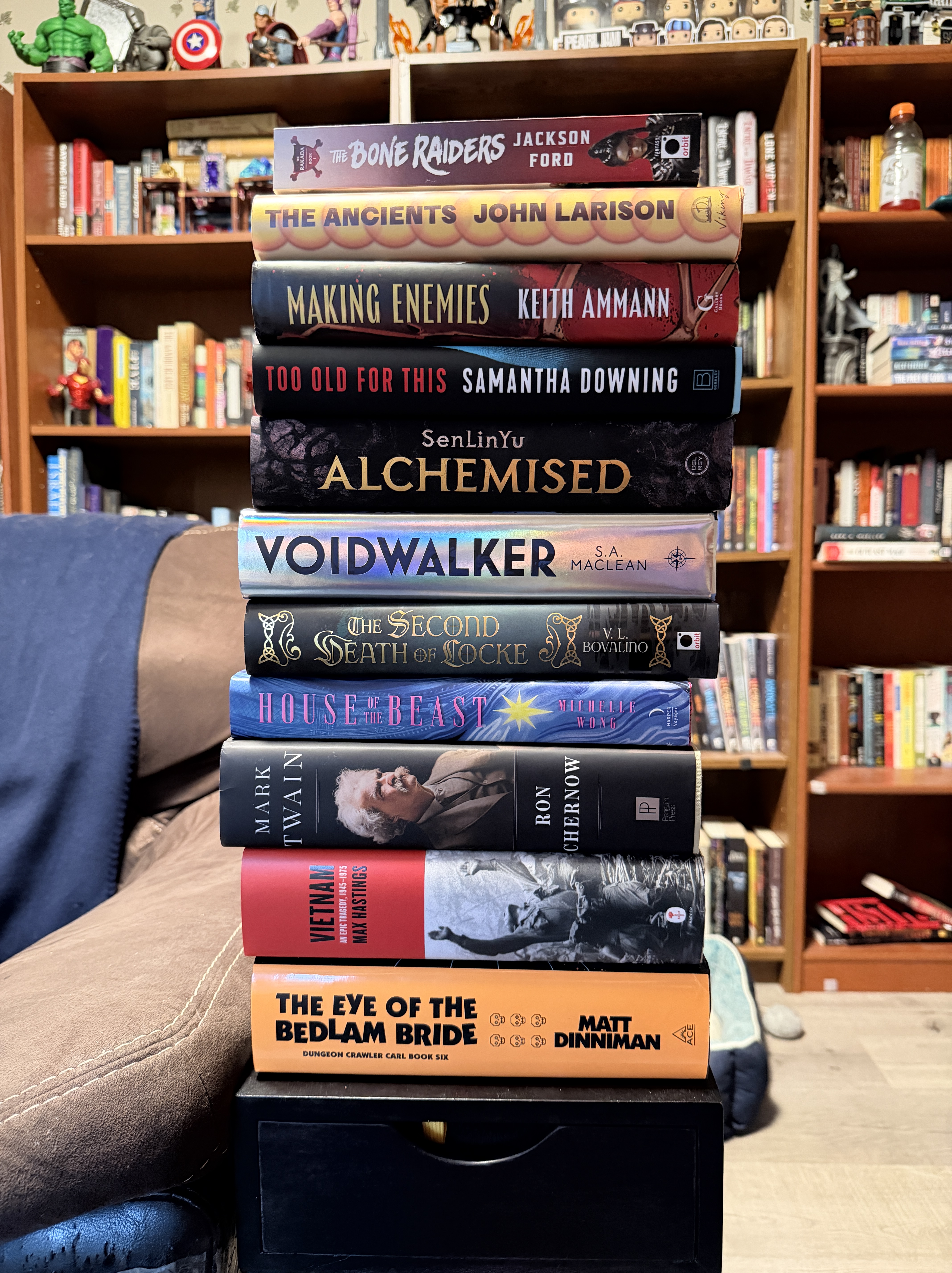
At any rate, The Eye of the Bedlam Bride is Book of the Month, followed very closely by Mark Twain. Hastings’ Vietnam book is excellent as well but I’m only about halfway through it.
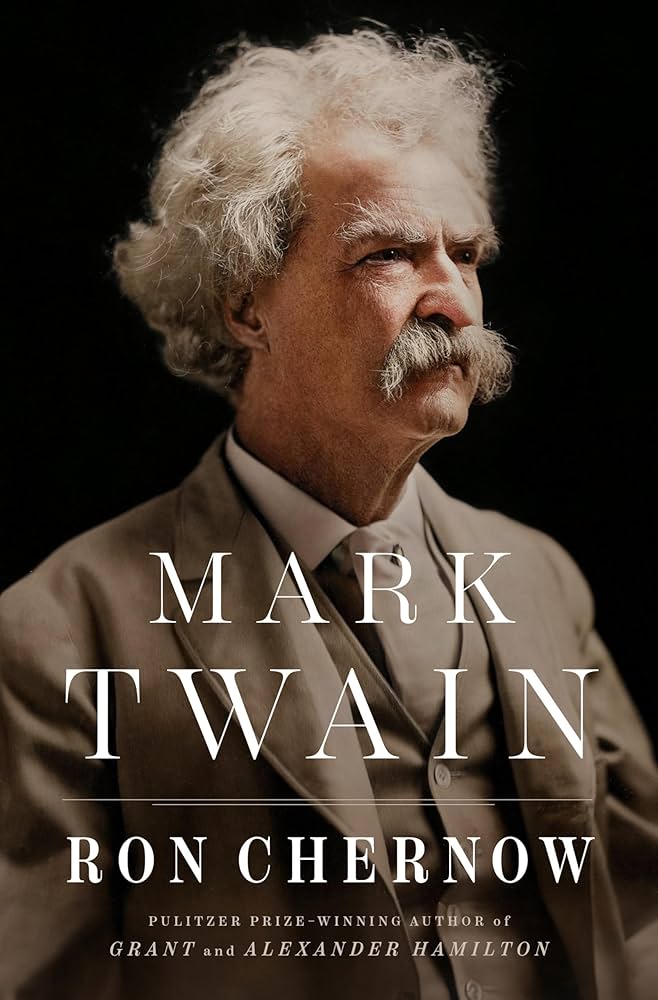
No, no, not a review of Ron Chernow’s book that happens to be called “Mark Twain.” I’m reviewing Mark Twain. And reading Book Mark Twain has caused me to lose a surprising amount of respect for Person Mark Twain. He gets three stars out of five.
Y’all, this dude was weird.
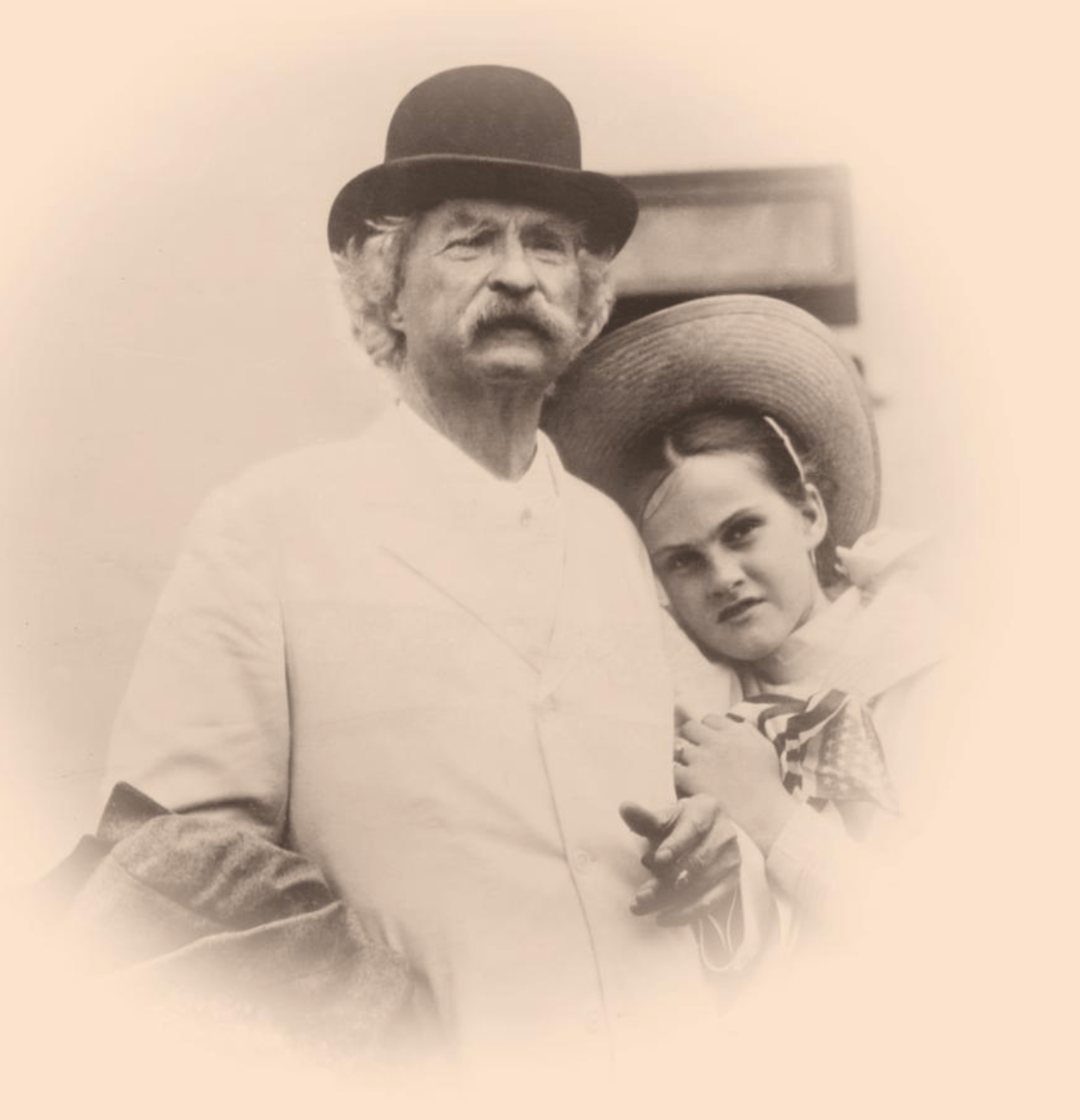
The person Twain is pictured with up there is Dorothy Quick. She is eleven years old in that picture. She and Twain were not related, and they literally met on an ocean voyage in 1907 and Twain, a man in his seventies, just decided to treat her like she was his best friend. They exchanged letters until he died, and he occasionally arranged for her parents to bring her for visits at his home. Multi-day visits.
And she wasn’t the only one. At two different points in his life Twain started a club for girls between ten and sixteen years old, and both times he was the only male member. He called the second group of girls his “angelfish.” They had membership pins. Chernow is quick to point out that there was never any kind of contemporary accusation that Twain’s relationships with these girls were sexual or predatory, but it becomes clear after a while that he recognizes how Goddamn weird the whole thing is and genuinely isn’t sure what to do about it. There’s lots of talk about substitute granddaughters– only one of Twain’s four children survived past her twenties, and his only grandchild was born after he died– but do you really need enough substitute grandchildren to call it a club? And do you stop talking to your substitute grandchildren after they get to be too old for you? Because that happened too. Once his angelfish got into their late teens he lost interest in them. This is not a joke.
Don’t even ask me about Lewis Carroll. Chernow talks about him in a throwaway sentence at one point (literally something like “at least he wasn’t drawing naked pictures of his preadolescent girlfriends, like Carroll was”) and oh my god I hate to talk about falling down a rabbit hole when literally discussing Lewis Carroll, but … yeah.
Twain was terrible at business, prone to falling for outrageous scams, deeply in debt for most of his adult life despite his royalties and his wife being ultra-rich, and held onto a grudge like Kate Winslet on a floating door. There was something vaguely Trumpian about him, where all his friends and business associates were brilliant, salt-of-the-earth, wonderful people until the moment they were no longer useful or Twain felt the need to blame them for something and then they were the worst poltroons and scofflaws in the history of poltroonery and scofflawism.
Like, I’ve read dude’s books. The fact that he was a sarcastic, irascible motherfucker is one of the things I like about him. But I feel like Chernow would have been a lot happier had he just had a chapter called “Look, this guy was a prick,” and gotten everything off of his chest.
There’s nothing genuinely damning in there. I’m never reading anything by any number of authors ever again because of their assorted bastardries and nothing Chernow reveals about Twain rises to that level. Even the angelfish thing is more of a massive ongoing WTF than something that was immoral or should have been illegal. But the last time I came out of a biography or autobiography feeling like I had less respect for its subject than I did going in was Ralph Abernathy’s And the Walls Came Tumbling Down, which I read nine years ago. The only other example I can think of is Jefferson Davis’ memoirs, and I didn’t exactly have warm feelings about that guy going into those books. It doesn’t happen all that often.
Chernow’s book is still a five-star read. Twain still has a ton of five-star books out there for you to read. Twain himself? Three. At best.
I am not quite halfway through with Ron Chernow’s 1200-page biography of Mark Twain, so it would be unfair to call this a “review” per se, but … c’mon. It’s a book by one of America’s preeminent historians about very likely the most important writer ever born on American soil. I’ve already read and loved his biographies of Hamilton and Washington, and I’ll get to the Grant and Rockefeller books sooner or later. There’s no universe where this isn’t a magnificent book, and it’s not like there’s going to be any plot twists in the last five hundred pages. This is a great biography already and it’s enormously unlikely I’m going to encounter anything that will change my mind– and if I do, it’ll change my mind about Mark Twain, and not about Chernow’s book about him.
All that said, I learned something today, and I fell down a rabbit hole looking for more information about it, and I need to share this information with you.
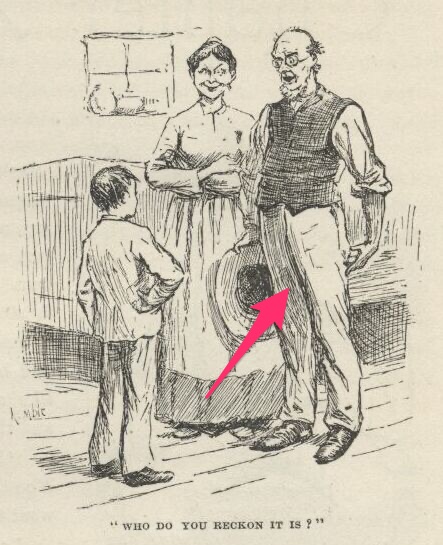
If you buy one of the approximately one billion available editions of The Adventures of Huckleberry Finn that include the original engravings, you will encounter at some point this image of Huck, his Uncle Silas, and his Aunt Sally:
You will note the arrow pointing just underneath Uncle Silas’ crotch, and you will note the straight line of his pants. You may also note the look on Aunt Sally’s face, which I feel deserves more attention in general.
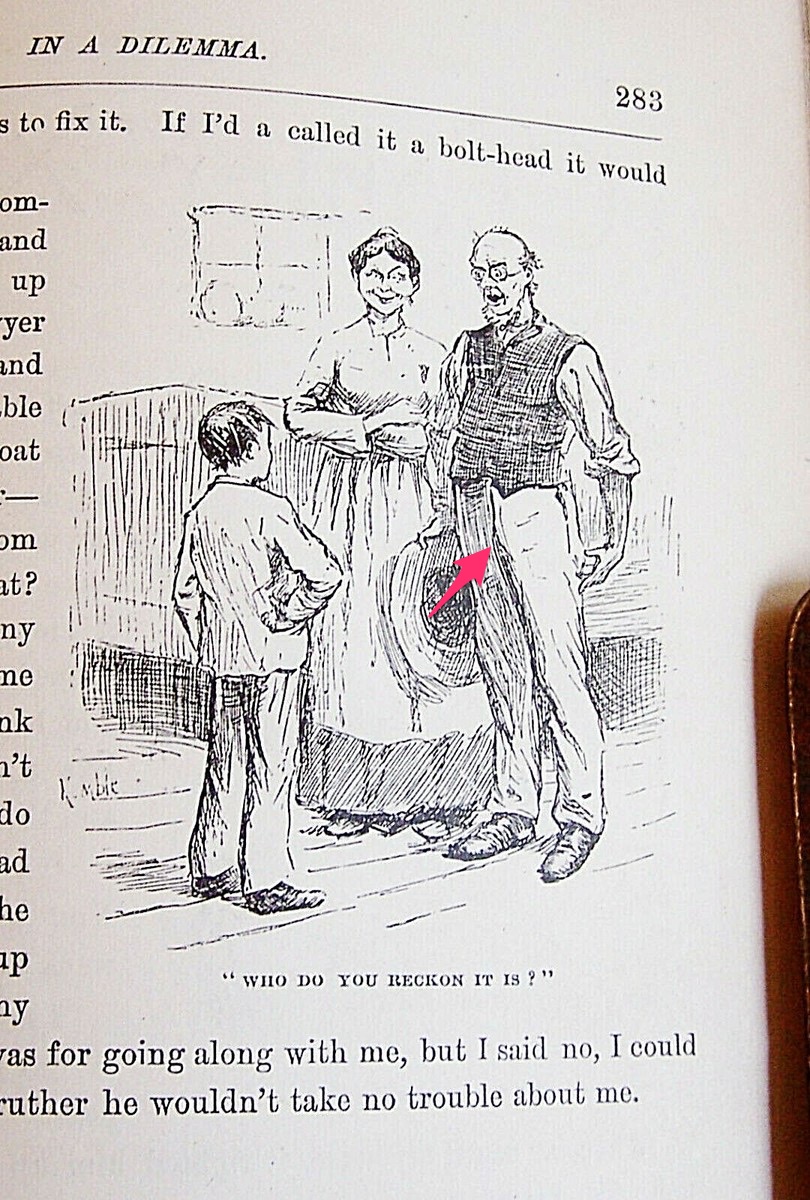
This is not the image that was in the first printing of the book. That image looked like this, known as the “curved fly” engraving:
See that curved line? That’s the original engraving by E.W. Kemble, whose name you’ll note in the lower right. Twain selected Kemble himself, and presumably did not vet this image of Uncle Silas for a single slightly, barely bulgey line in his pants.
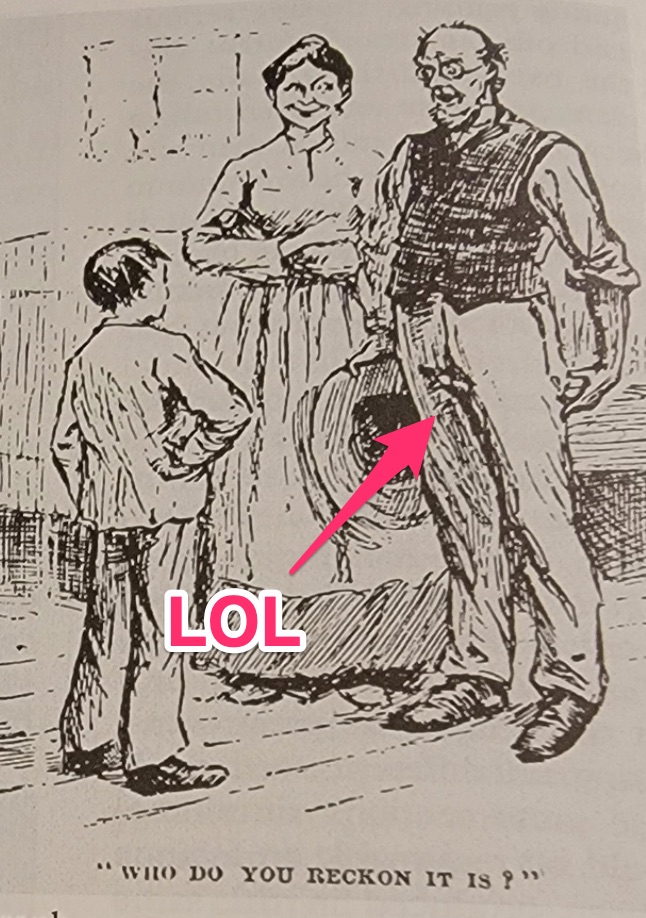
After a few hundred copies of the first edition were printed, a salesman noticed that someone had somehow changed the engraving to … well, this:
That right there, folks, is Uncle Silas’ cock, although it appears to be growing out of his leg rather than in the usual location. Maybe that has something to do with the look on Aunt Sally’s face, I dunno. Maybe dicks were different in 1884. You’ll note that said penis is pointed directly at Huck, which isn’t relevant to the story but adds an extra little twist of creepy to it.
Anyway, the edition was very speedily recalled, and the offending pages destroyed, although an unknown number of copies remained in the wild. A book with the offending penis in it has never made it to auction or been sold publicly, and it’s not known how many might be out there. (Check out this absolutely amazing contemporary article about the controversy from New York World. The euphemisms. My God, the nineteenth-century euphemisms.)
The University of Virginia has at least one copy of the edition with the penis, which is where the image came from. They had to redo the engraving for the rest of the no-longer-“first” edition, and the new version of the engraving had a straight fly.
Copies of the “curved fly” edition (without the penis) go for lots and lots of money. My favorite detail about that $15,000 listing? Shipping is $4.00 and they accept returns within thirty days.
The person who altered the engraving was never identified.
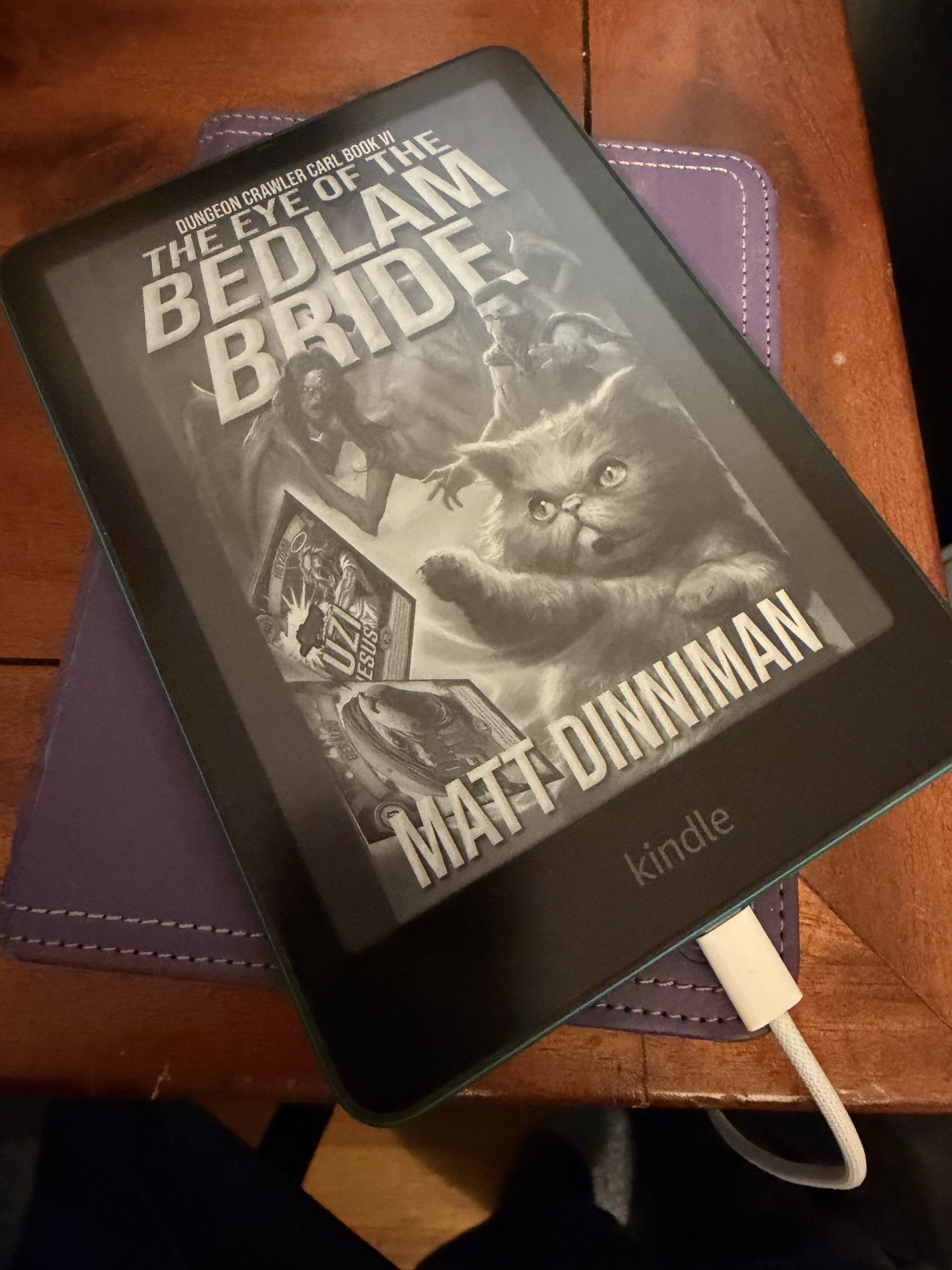
Having read an entire big-ass book on this thing (TEOTBB is 260,000 words) I can get to the meat of a review of my newest tech toy in a single sentence:
Reading a book on this thing feels like reading.
If you don’t know what I mean by that … I’m not sure how well I can explain it, to be honest. I have an earlier version of the Paperwhite– about ten years old now, so probably pretty close to the first generation– and on that device and every other Kindle I’ve ever touched, I was never able to forget I was holding a tech object with a screen and not a book. I couldn’t get into stories the same way I could with a book. I had trouble remembering details, or even keeping my place on a page. Reading short stories on the Kindle wasn’t bad, but entire books? Forget about it.
At some point in the last ten or so generations of this thing, they fixed that problem, and I’m not sure exactly what the difference is. I can say it’s tremendously faster than my old Paperwhite, which is no surprise, and since ebooks themselves haven’t really evolved all that much in that time you can really feel the speed difference in a way you might not be able to with a phone upgrade or a new laptop or something. It’s got a pleasing heft in the hand and while I wasn’t terribly happy with spending nearly $40 for a case at first, now that I have it I really like it. I got the fabric cover, and the texture is marvelous, both on the inside and the outside of the case, and the automatic wake-up/shut-off when you open and close the cover is a nice feature.
(Why did I spend $36 when I could have gotten a case much cheaper? It says “Kindle” on the cover and not some other random brand. If I’m going to put my device in a case, the case needs to be either featureless or branded for the device and not for whatever random company makes the case. Yes, I know that’s dumb. It’s how my brain works. That’s my original Paperwhite case under the new one up there, and you’ll notice there are no words on it.)
Battery life is going to be excellent– I’m not sure how long I spent reading that book, but it only ran the battery down to 81%. It says that “typical reading time” is just under 14 hours, but I don’t know if that’s how long I took in my one read or what. I was annoyed by the Kindle displaying when certain passages had been annotated by a ton of other people, but I was able to turn that off.
I spent a pleasant half-hour today rearranging my wish list on Amazon, moving fiction books by new authors into a new “Kindle Wish List” section, keeping books I know I want in print and nonfiction on my original wish list. I’m going to need to get into the habit of deciding I Shall Read A Kindle Book Now and buying the book right then from my wish list, because I still don’t like how this thing displays your library and anything I download and don’t read immediately is going to get lost. That will require a bit of an adjustment, but at least I know the reading part is going to work, and that’s good.
(Two more quick things: I just started Ron Chernow’s Mark Twain today, and it’s 1200 pages, and after holding it for a while I damn near shelled out another $17 to get a digital version that wasn’t going to torture my hands as much. I may still cave, we’ll see. Also, Bedlam Bride is unfairly fucking good; it’s the best book of the Dungeon Crawler Carl series so far, and as I’ve said repeatedly DCC already didn’t have any right to be as good as it is. I only have one book from the series left and then I have to wait for the rest of them to come out. I’m not happy about it.)
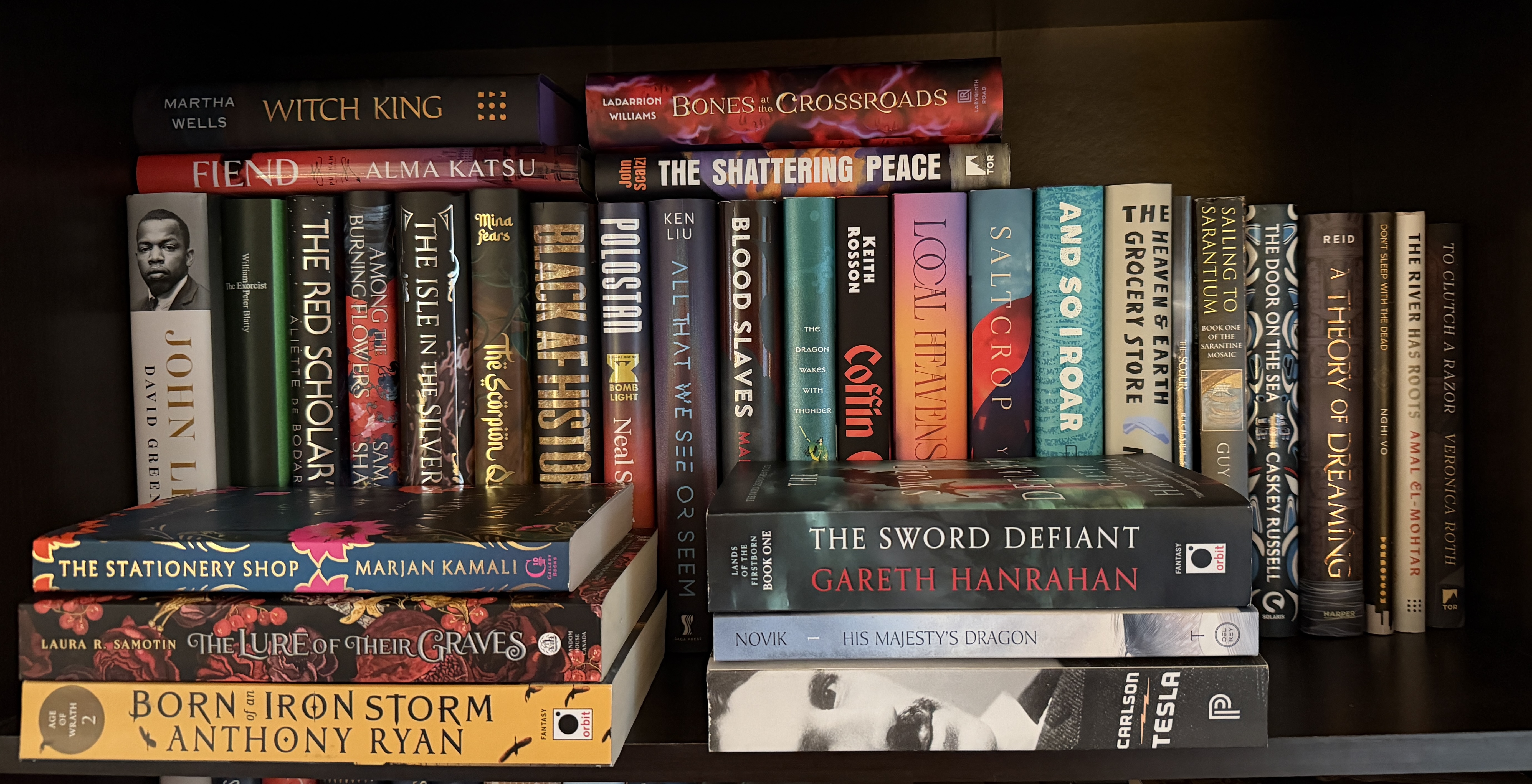
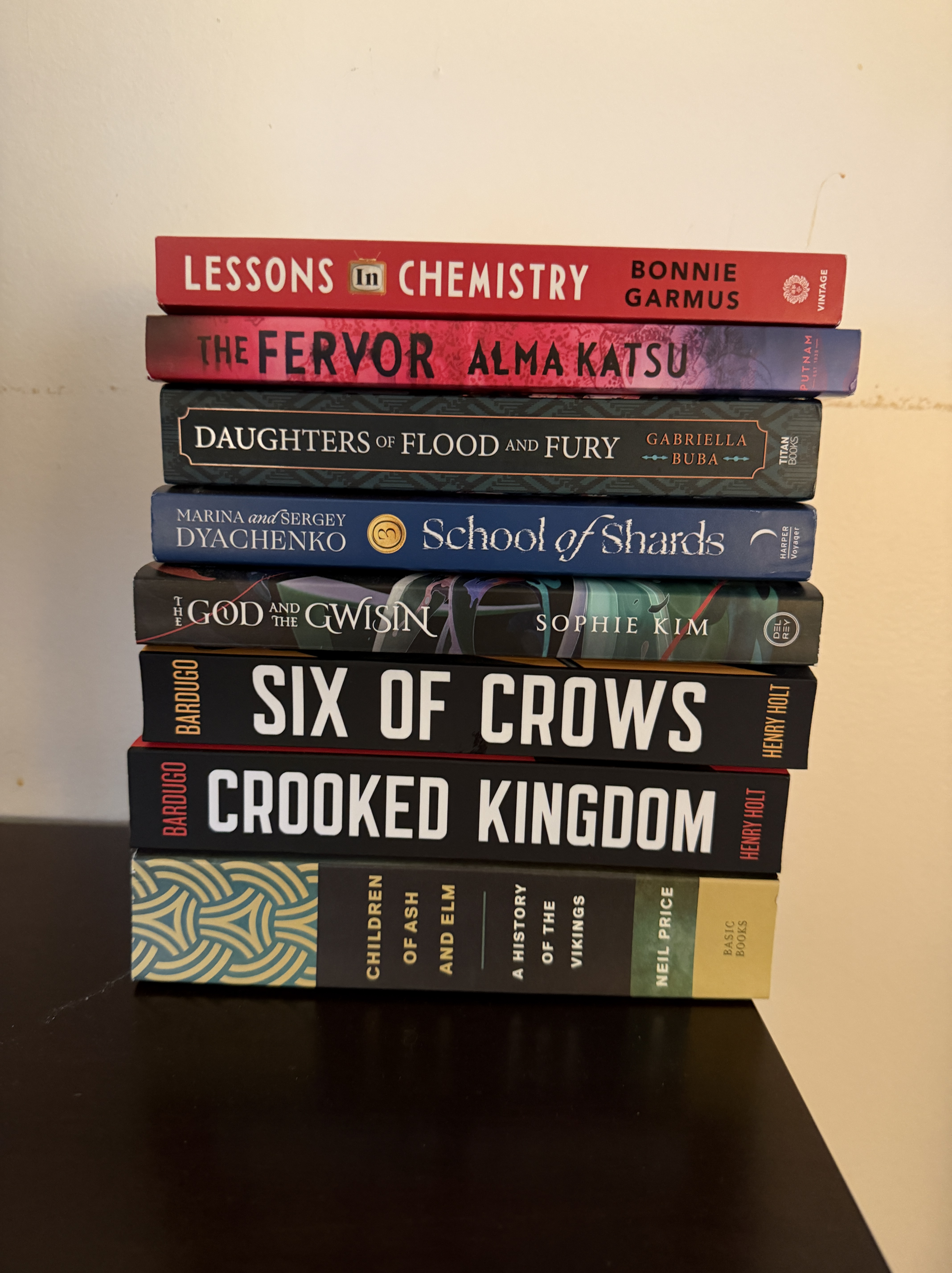
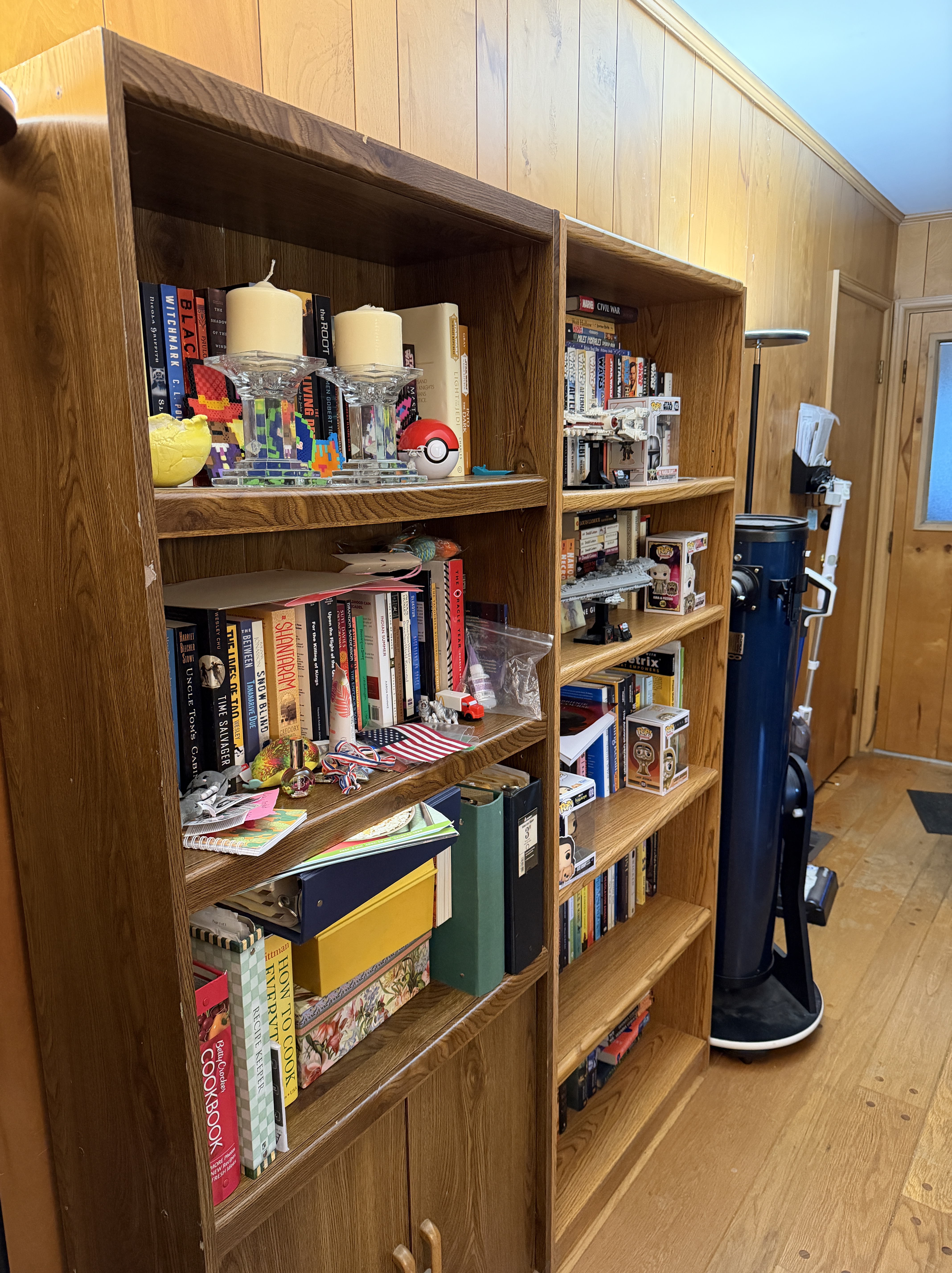
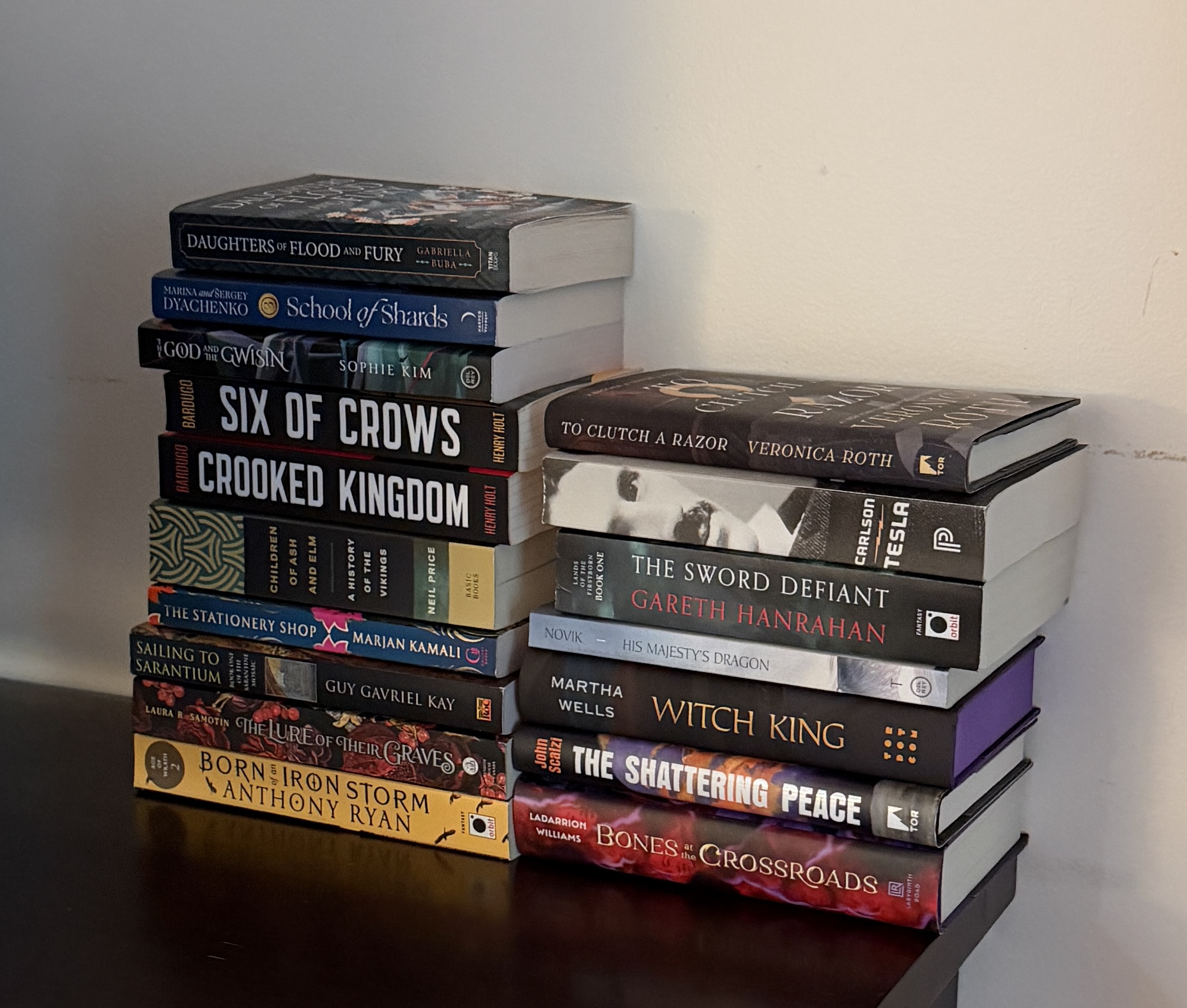
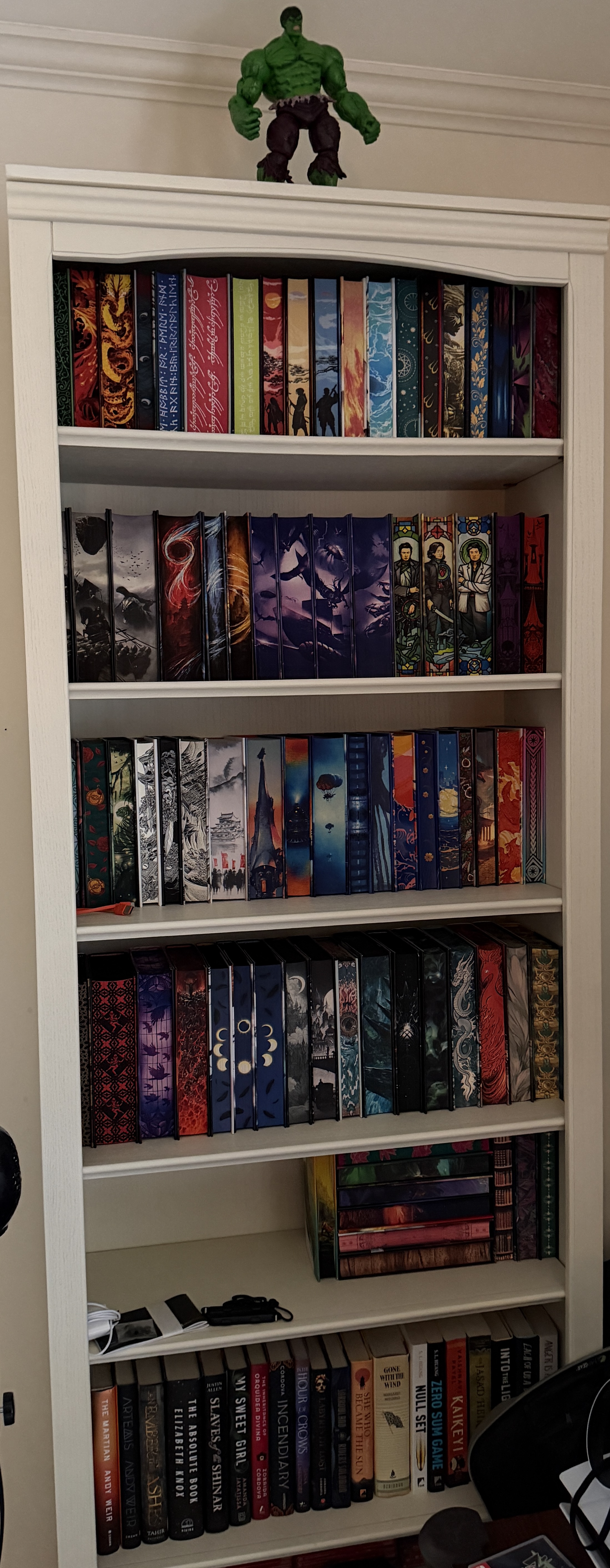
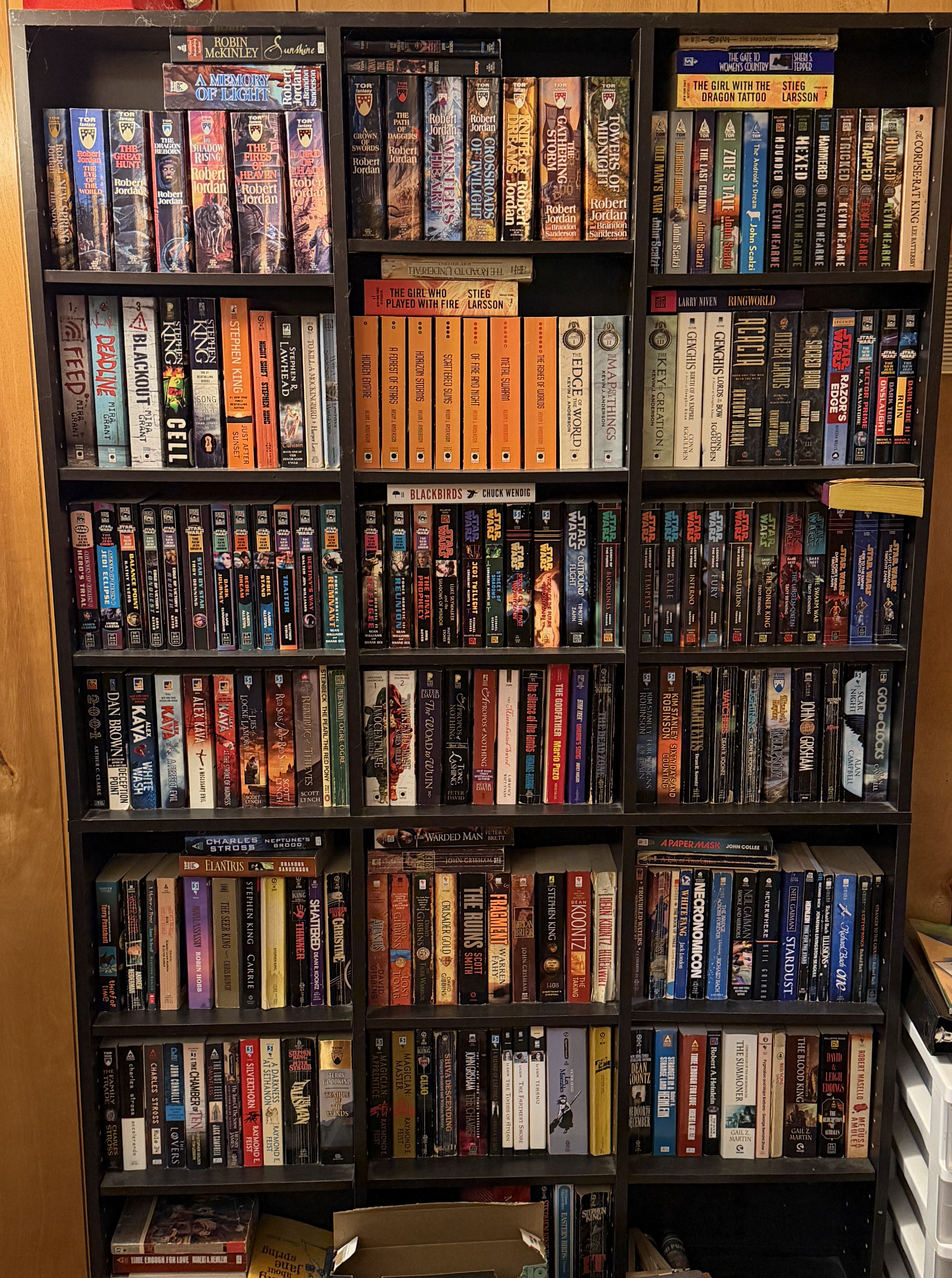
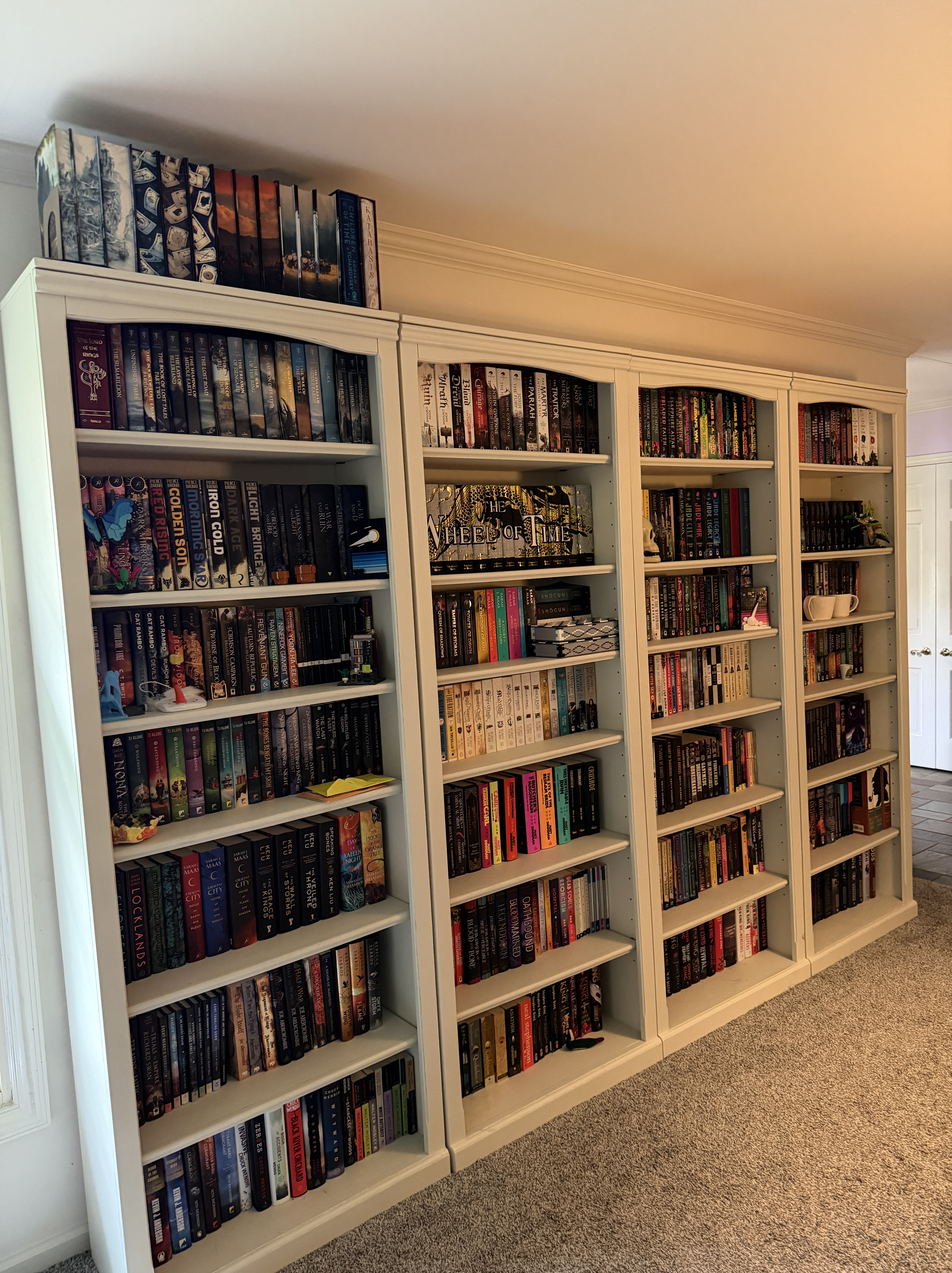
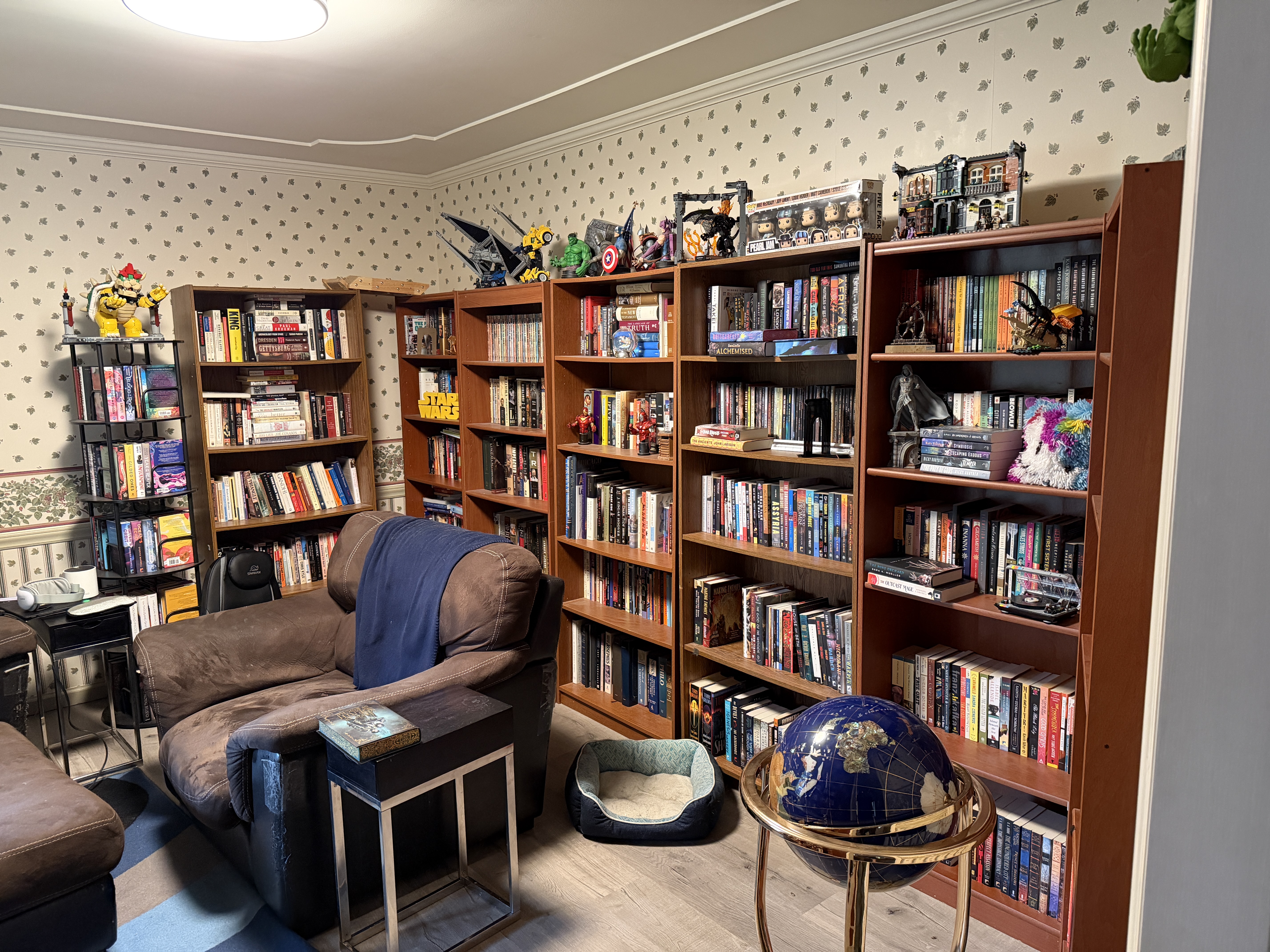
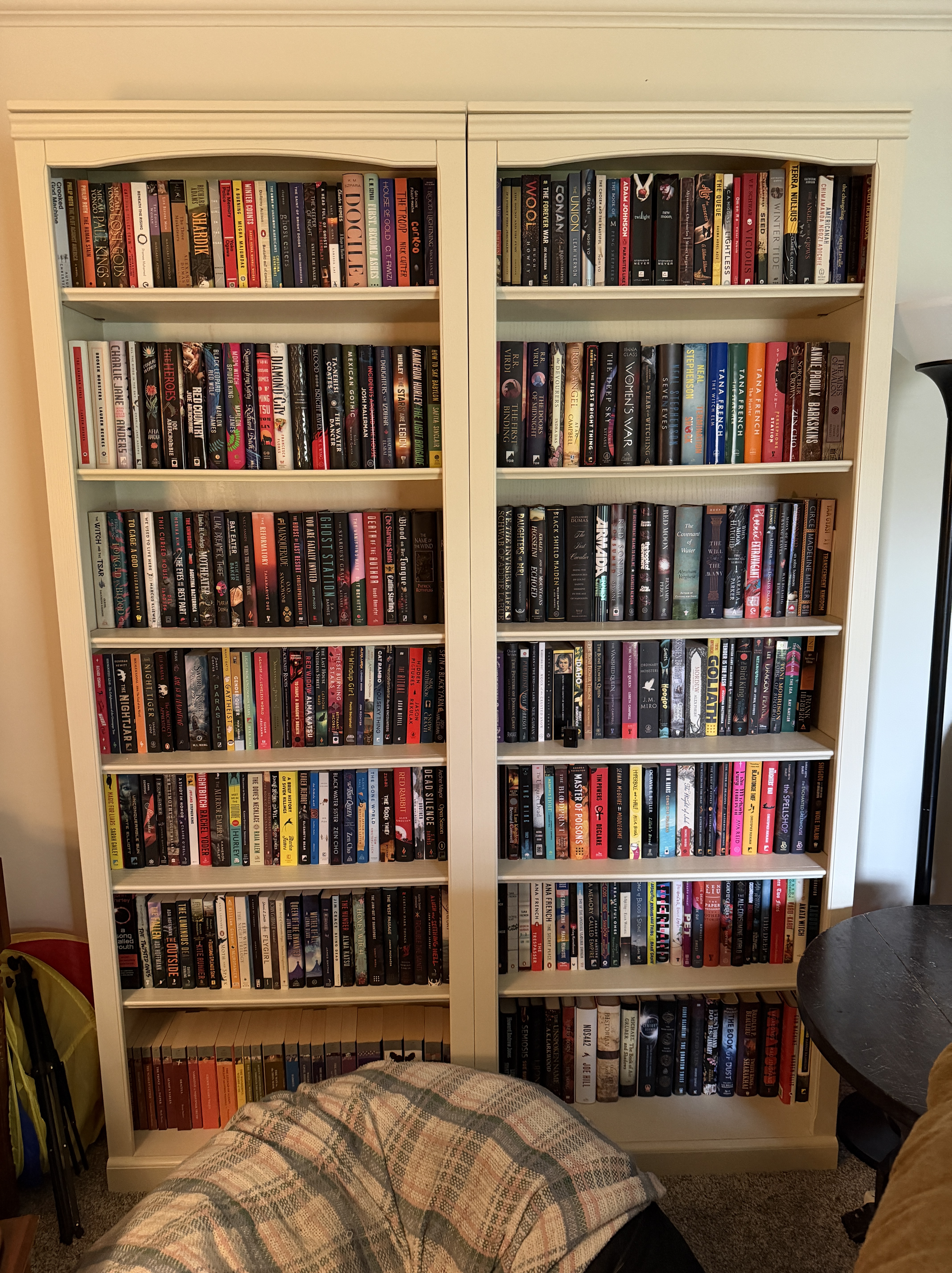
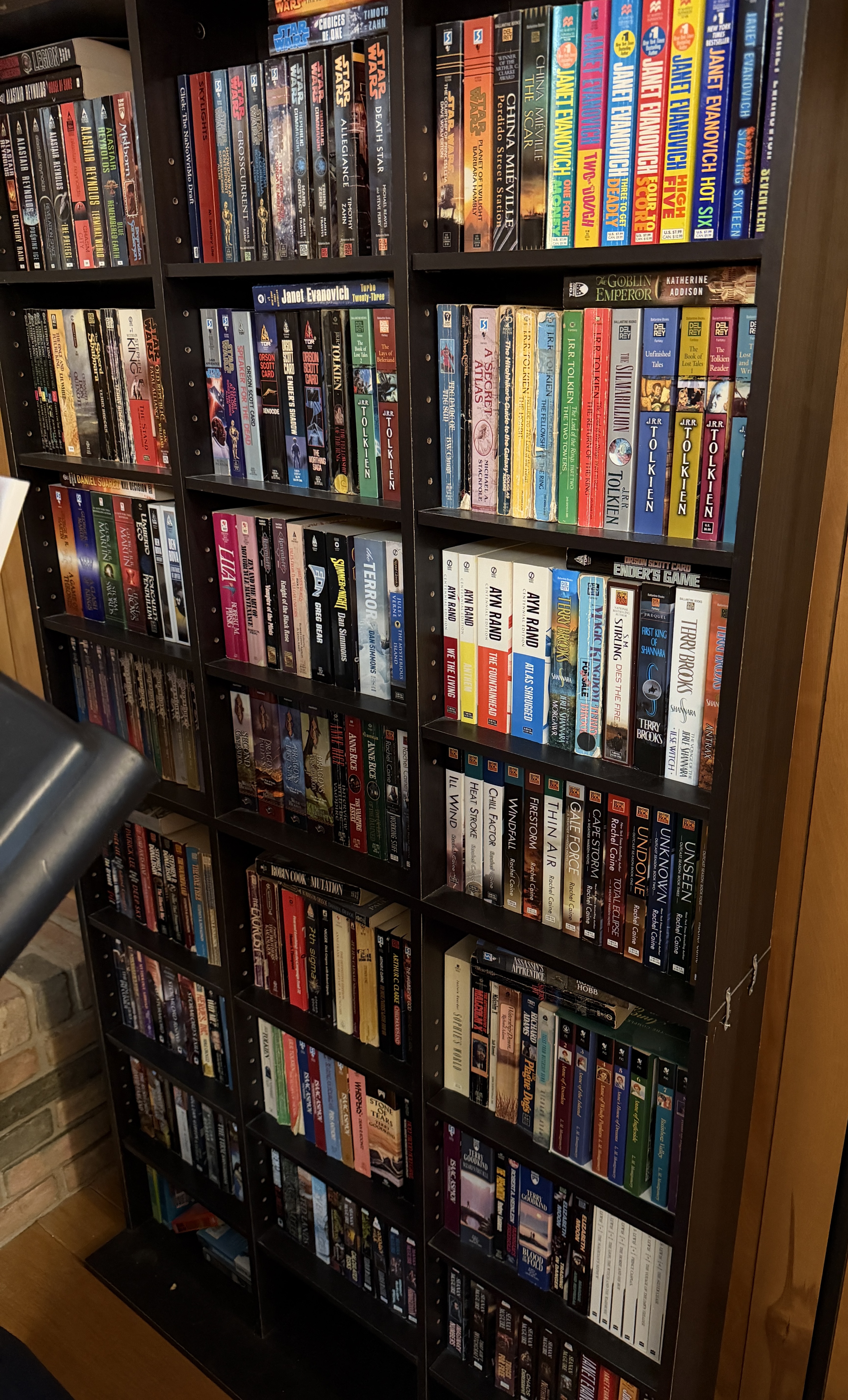
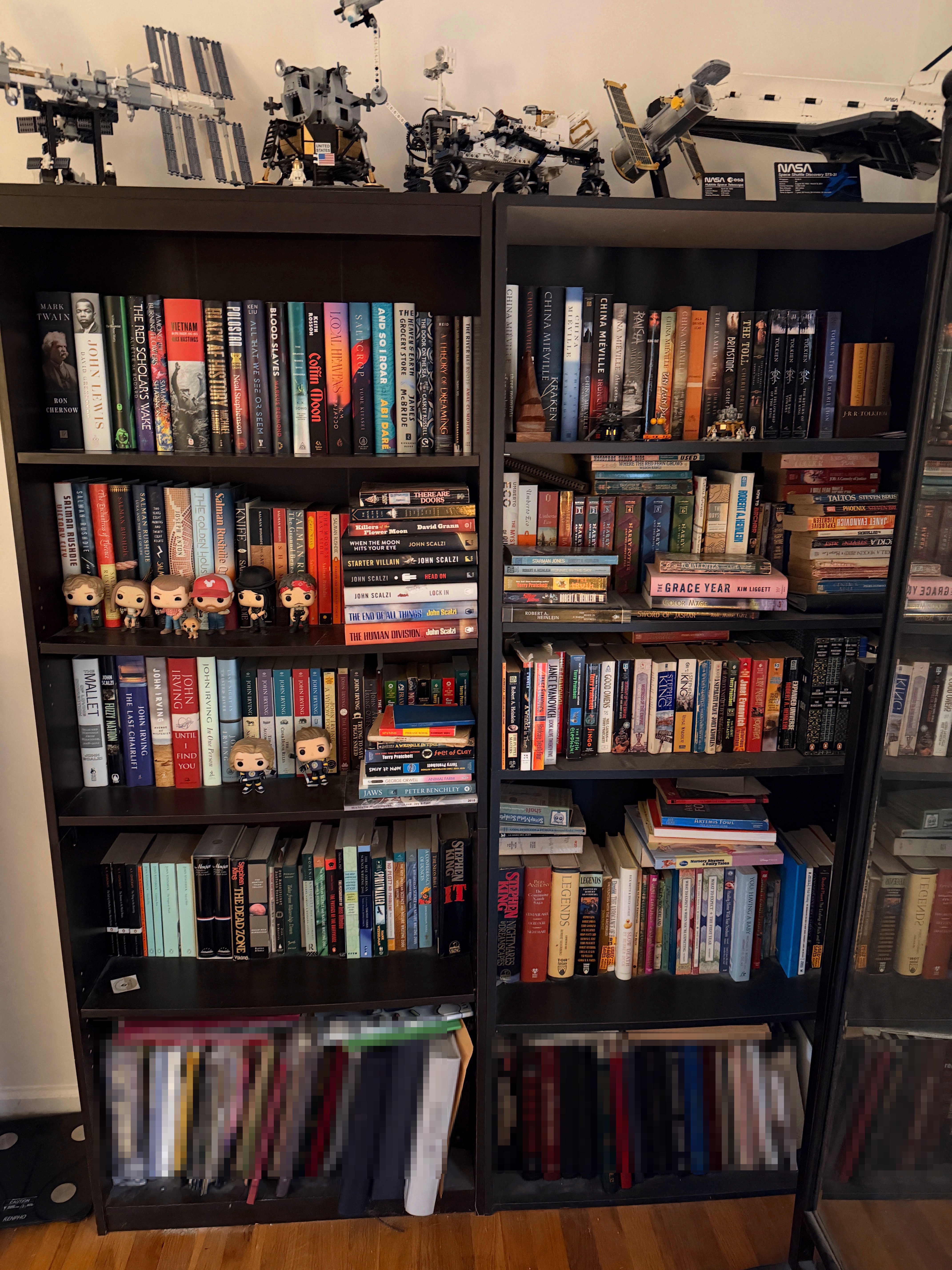
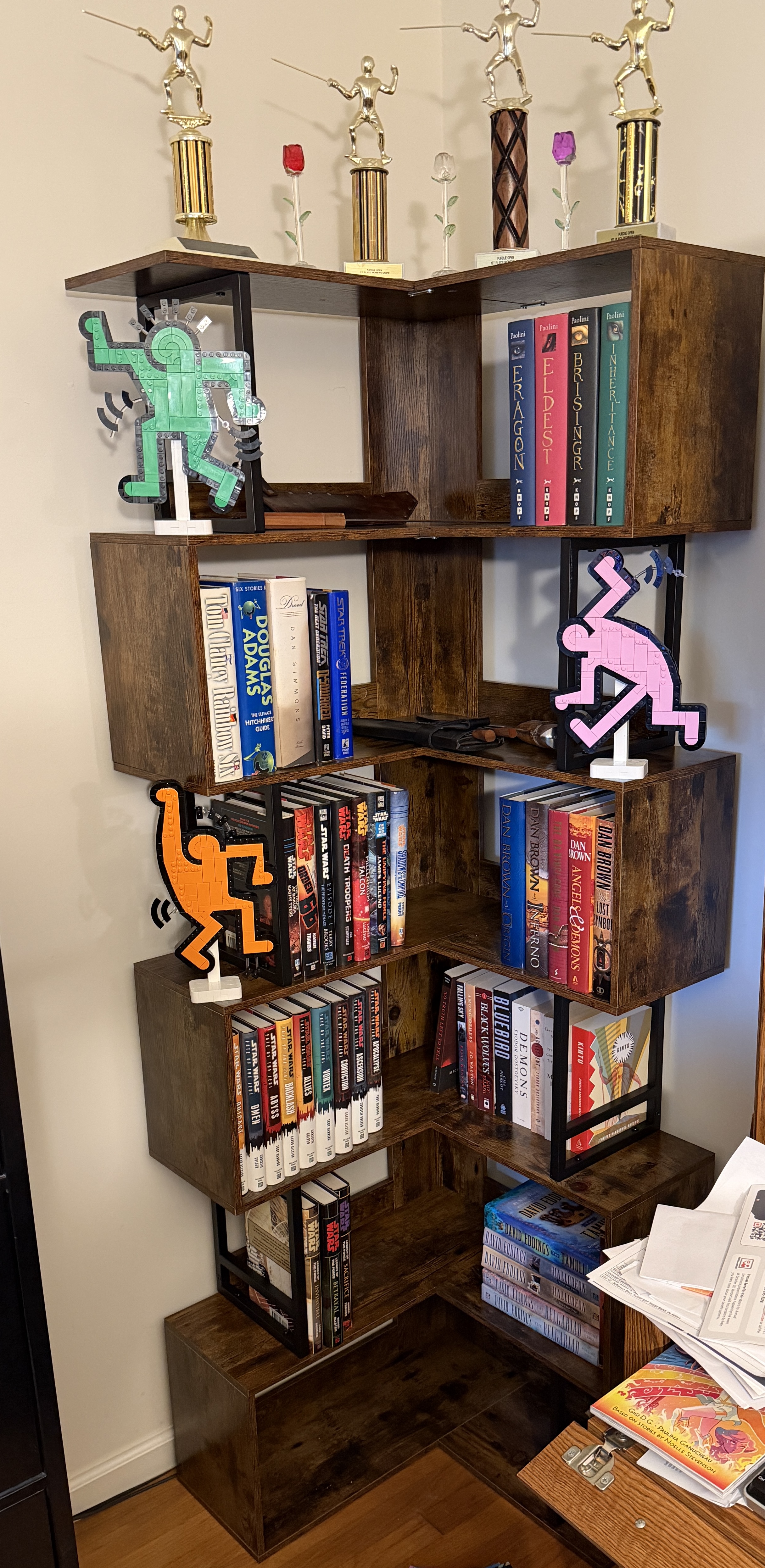
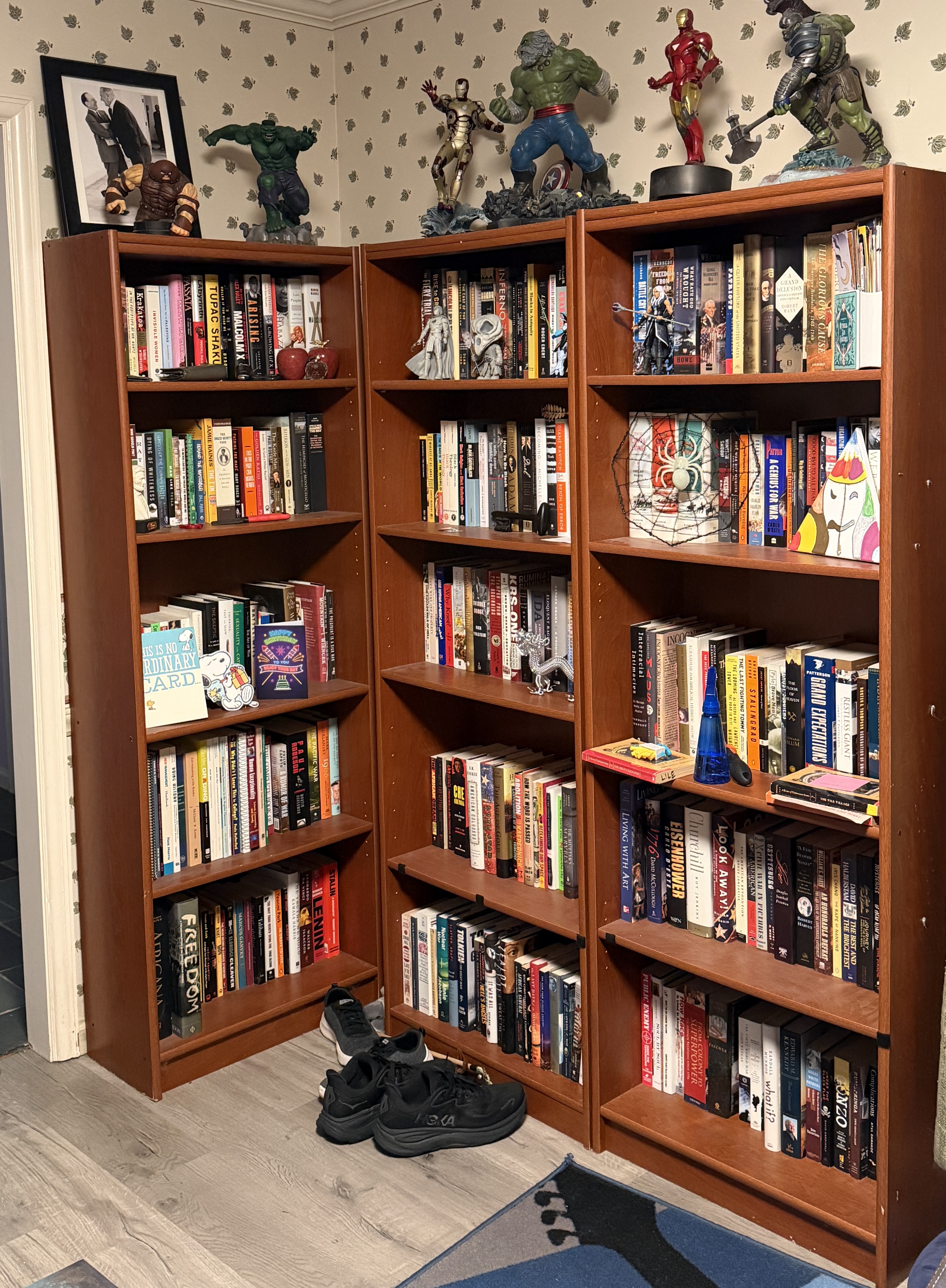
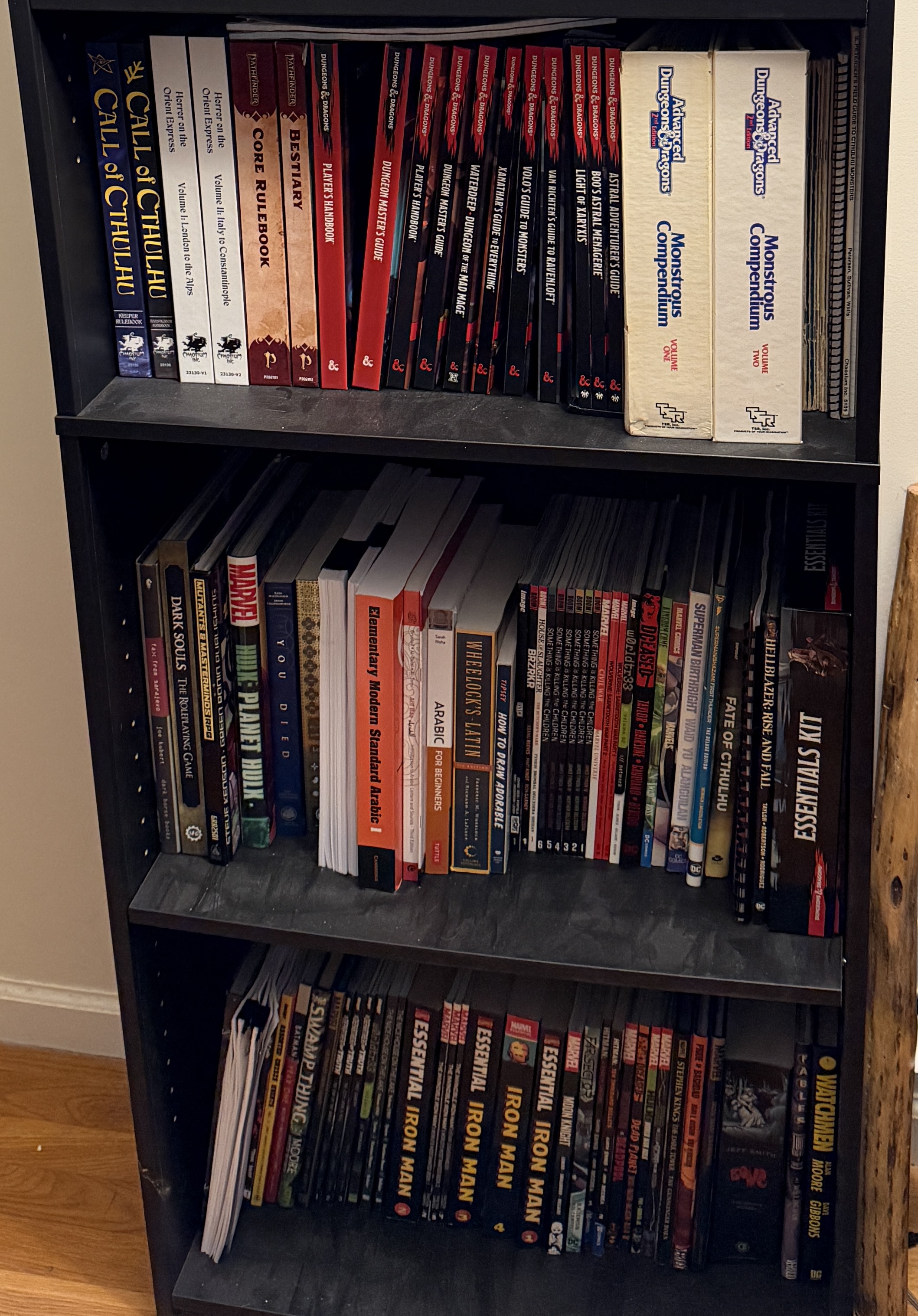
I worry that what you heard was “I have a lot of books.”
I have all the books. Do you understand?
And, as you no doubt can tell, I have lots of other shit as well. And three other people live in this house! They have stuff too, even though nearly every single object you can see in these pictures is mine. Except the Pokéballs. Those are the boy’s.
This is the second house in a row where we have eventually decided to convert what was supposed to be the dining room into a library. I am absolutely out of places to put shit and I have been reading at a 175-books-a-year clip for the last couple of years. I still have some space on top of bookshelves, especially if I get rid of some of the statues and Legos (and the statues, honestly, may be on their way out soon) but one way or another I’m no more than two years away from needing to pile shit on the floors if something doesn’t change.
So yesterday, fearing an actual intervention, I ordered this:
along with a $12-a-month subscription to Kindle Unlimited. I’m thinking about instituting a rule that any book by a new author gets bought on digital first. Does that mean I won’t get those books in physical form? Not necessarily; as you can tell, I’m not just a reading enthusiast, I’m a book collector, and those two hobbies feed into each other in obvious and terrible ways. There will be books by new authors that I feel the need to own physically. But in most years at least 30% of my books are by authors new to me– this year, right now, it’s actually just over half. Surely this will end up saving me money as well as essential shelf space, right? That Dinniman book on the cover of the Kindle there is in one of those pictures in hardcover– on the white bookshelves, a couple shelves below the Wheel of Time books– but it was free on KU so I downloaded it anyway, to see if I lose my mind trying to read a thousand-page book on an e-reader. We’ll see.
We can’t move. We got our mortgage rate on this house before the economy exploded. We’ll never see this rate again. I’ve got to do something.
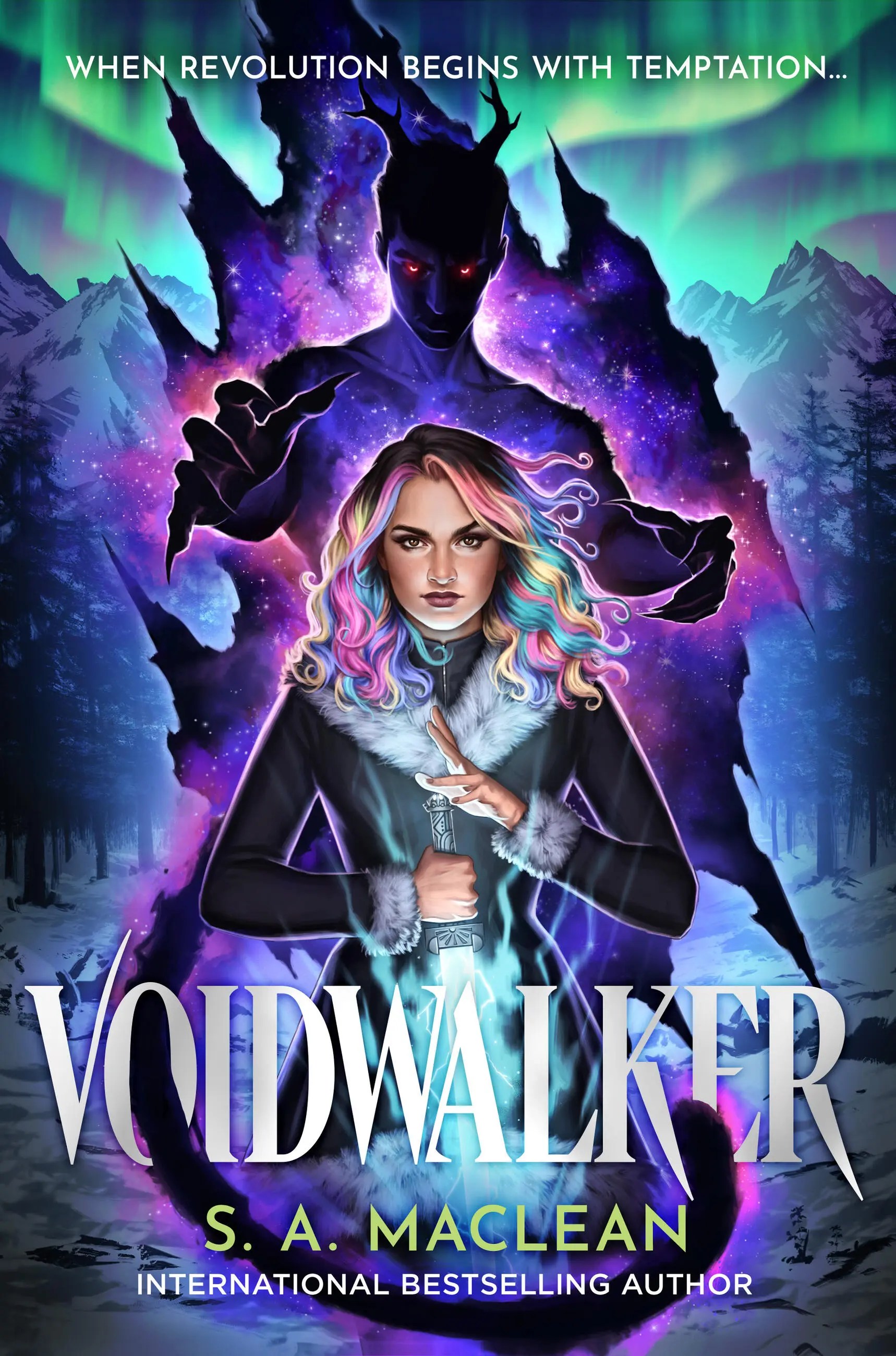
It’s nice to be surprised once in a while, although maybe this book shouldn’t have been a surprise. I’ve been losing steam with my Illumicrate book box subscriptions; I cancelled my quarterly horror box after the third book in a row that I already had, and upon reading the description of the book that turned out to be S.A. MacLean’s Voidwalker, I very nearly skipped it. To be clear, the way Illumicrate works is their boxes are semi-blind; they’ll give you a description and a theme but you’ll have to do a bit of detective work if you want to know the actual title of the book before it shows up on your doorstep. And as Illumicrate’s main subscription line has been leaning far too hard into romantasy lately for my tastes, and the brief description of Voidwalker I had felt pretty bog-standard for the genre, I was disinclined to pay for it at first. Then I learned that the author was the same person who had written the excellent The Phoenix Keeper and decided to go ahead and let it ride.
(I suddenly find myself wondering how MacLean managed to get featured in two Illumicrate boxes in less than a year; her agent may be owed a raise.)
The premise still isn’t the most original thing on the planet, even considering that romantasy is a genre ruled by the trope and its biggest fans seem to literally want a checklist of Things What Are Supposed to Happen that they can go through as they’re reading. The main character is a smuggler; there’s a turf war happening between two members of a vaguely-fascistic race of antlered and tailed humanoids who each rule a chunk of the world and, oh, also eat people; the turf war turns into a revolution, and one of the daeyari (those are the monsters; I’m picturing Nightcrawler with antlers, but not blue) turns out to be really sexy.
And … well. There’s an interesting mix of fantasy and science fiction going on here, the main character rides a Void Horse, which is a horse that is actually a lizard, possibly my favorite kind of horse; and there’s lots of hints at a wider world that I assume will pay off in future sequels. I’m being snarky, but I didn’t really expect much from Phoenix Keeper and loved it; I expected even less from Voidwalker and enjoyed it enough to write about it and recommend it. MacLean has a great grasp of character that serves this book quite well; the relationships between MC Fionamara and the other secondary characters in the book are what keeps the book interesting, and while Antal, the daeyari, initially comes off as the same Tall Dark and Scary broody big-dicked male character that I’ve read about in a thousand Sarah J. Maas books and more recently in Alchemised, he’s got enough unexpected twists to his personality that I ended up liking him by the end. And while I hate the phrase “slow burn,” MacLean takes her time with the romance angle of things, so by the time Fi and Antal start boning it feels earned and not inevitable.
Honestly, my biggest gripe is a deeply nerdy one, which is that S.A. MacLean doesn’t know the difference between antlers and horns. Do you know the difference? I didn’t until recently, but now that I do I’m going to notice every time the words are misused in books for the rest of my life. There are other differences, but antlers are shed, and horns are permanent, and what the daeyari have are horns, even though they look like what you’re probably picturing when you hear the word “antler.” This would have been less of a big deal was it not an actual plot point that daeyari horns grow throughout their entire immortal-unless-killed lives and so you can get an idea of how old one is by the number of points and bends in the horns. So they are definitely horns and not antlers.
And now you know. Even if you weren’t interested in the book, hopefully the random factoid made reading the post worth it.


 Welcome to infinitefreetime dot com