I feel like I haven’t treated Tananarive Due with enough respect.
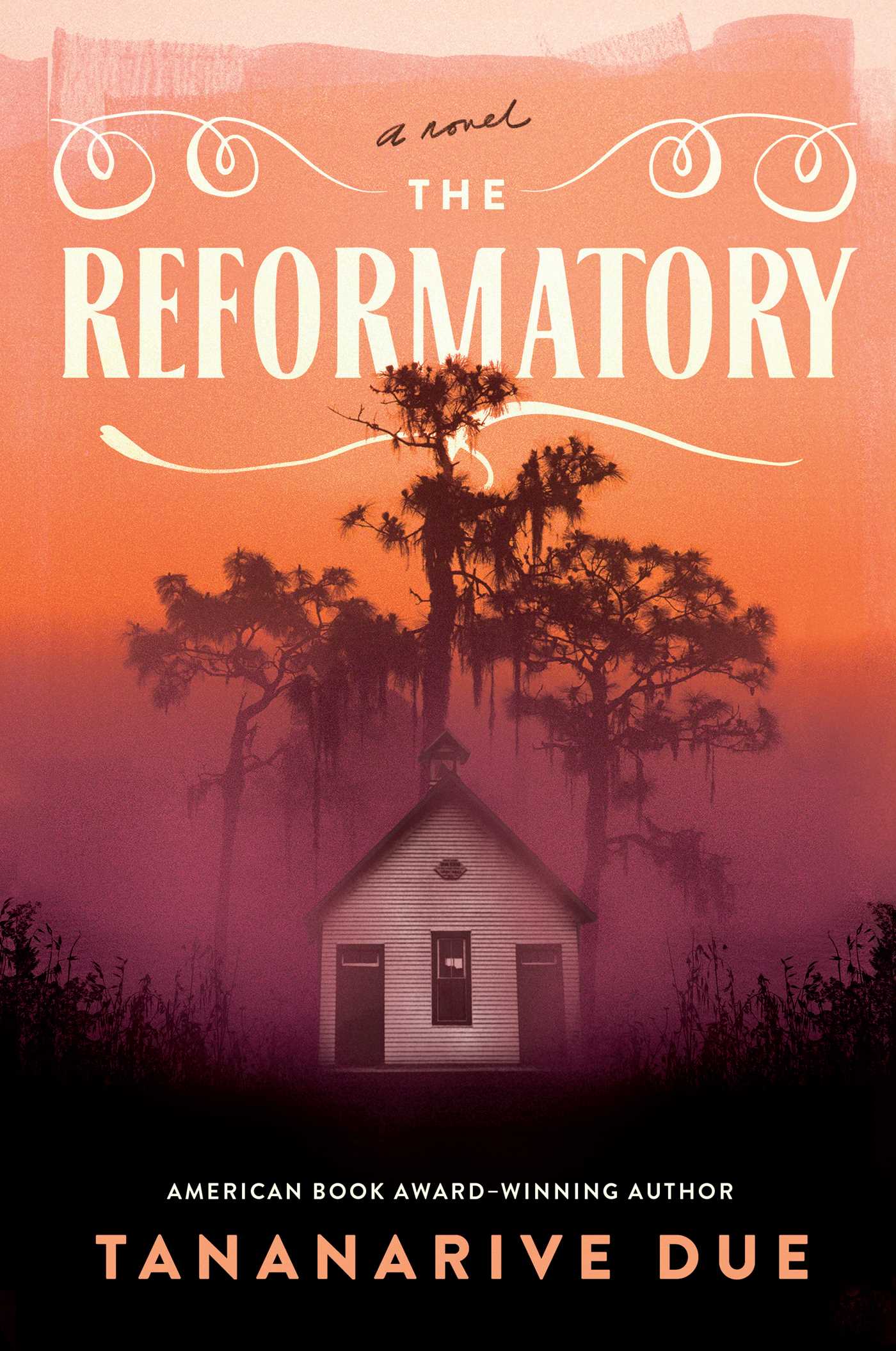
The Reformatory is the third of her books that I’ve read. I did not know that until just now! I remember reading her book My Soul To Keep way back in 2016, and at the time I really liked it, but for some reason every time I think of it now I feel like it wasn’t something I enjoyed. And I just discovered that I read her debut novel, The Between, in 2020.
When I tell you that I don’t remember anything about that book, I need you to understand that not only do I not remember any details about the story, I did not even remember the book existed. That cover looks unfamiliar. I cannot picture where my copy of it is in my house, and I surely read a print copy. I don’t know what the spine looks like. If you had asked me ten minutes ago what the name of Tananarive Due’s debut novel was, I would not have been able to tell you. My recall of books from years ago is not always great, I admit that, mostly because I read 100+ books a year. But forgetting a book existed or that I ever read it at all is not a thing that I do.
And that after my weird about-face on My Soul to Keep? I have no explanation for this phenomenon.
Anyway, The Reformatory is really good, and if six months from now I find that I’ve turned on it too, I’m gonna need someone to come get me.
The Reformatory is the story of Robert Stephens Jr., a 12-year-old boy who is sent to the Gracetown School for Boys for a supposed six-month sentence after kicking the son of a wealthy white man in the knee. The book is set in 1950 in Florida, thick in the middle of Jim Crow, and the Gracetown “school” is a segregated, haunted nightmare, run by a grotesque abomination of a man. It is widely understood that Robert won’t be getting out in six months, as the warden is renowned for finding excuses to hold on to any boy sent to him until their 21st birthday regardless of their original sentence. Beatings and torture are commonplace and the inmatesprisoners “students” are encouraged to turn on each other at any opportunity.
The book bounces back and forth between Robert’s story and his sister, who Robert was defending when he kicked the other boy. She is trying her best to get him released, which is easier said than done in any number of ways. Their father has fled to Chicago after his attempts at unionization upset the Klan, and it’s fairly clear that part of the reason Robert is being treated as poorly as he is is because the authorities can’t get at his father.
The book would be scary enough without the haints, is what I’m saying, and the presence of a large number of ghosts at Gracetown becomes almost a distraction from all of the more grounded evil taking place there. Of course, a number of them are ghosts of children who were murdered or otherwise died while incarcerated there, and, well, a whole bunch of them bear quite a serious grudge against the warden.
I won’t go into much more detail, because (as usual for books I enjoyed) you deserve to experience the twists and turns on your own, but this really is a hell of a book, and I’ve not heard a lot of people talking about it. Give it a read.
It’s entirely possible that you’re going to get a flurry of posts today; I have at least three in the hopper right now and that’s only not five because I’m planning on packing three book reviews into a single post here. One of them is a super late entry into my best books of the year post, which right now is coming tomorrow, I think. We’ll see. Anyway, off we go:
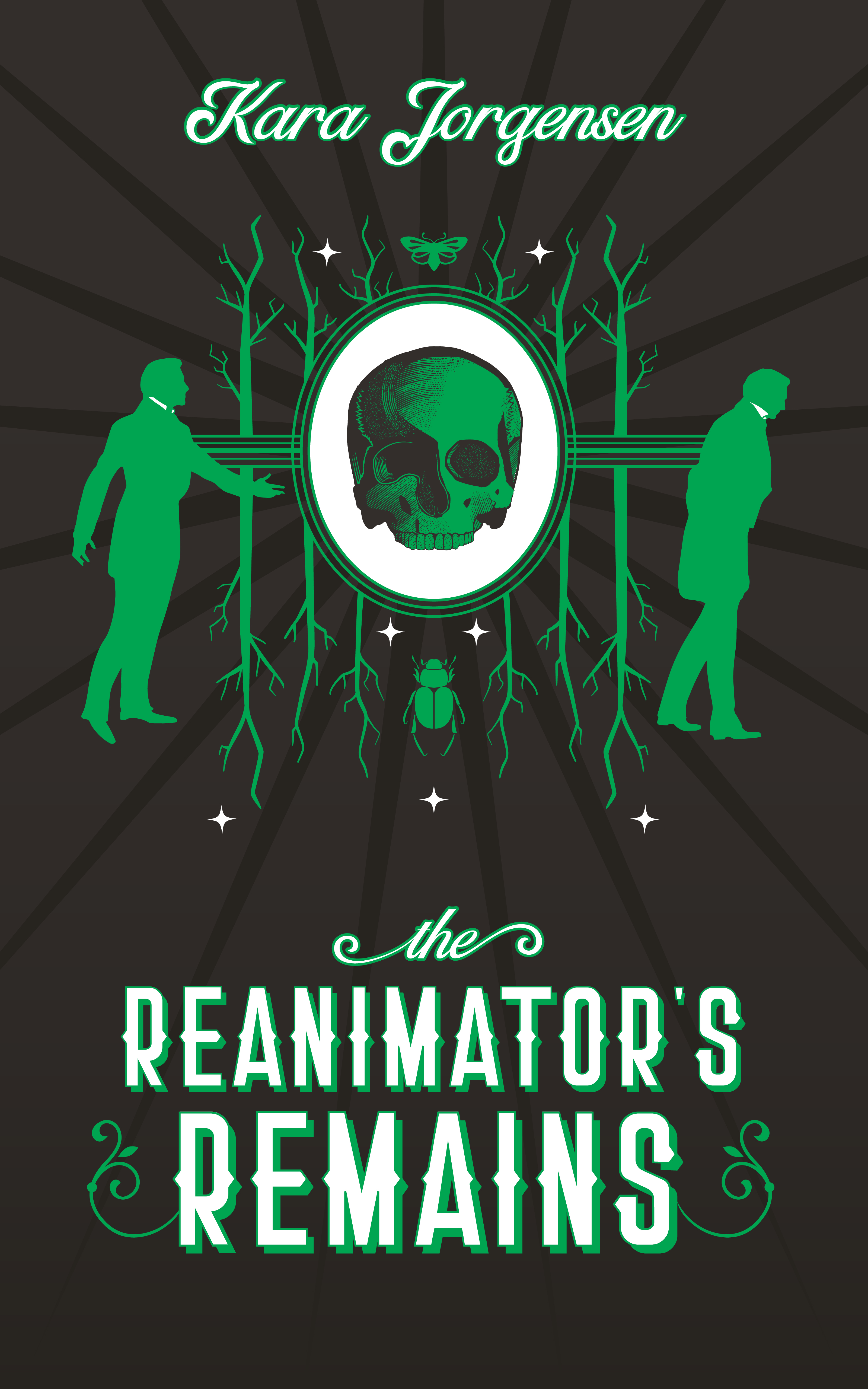
Standard disclaimers, I suppose, for whenever I review an author who I “know” online; Kara and I have been mutuals long enough that I couldn’t tell you where we met or how long ago it was, and we tend to find each other near-immediately any time a new site pops up. That said, I’m a big fan of their Reanimator Mysteries series, the third book of which came out in October and I read a couple of days ago. Kara’s books tend to be(*) queer Victorian paranormal romances, and this one concerns Oliver Barlow, an autistic necromancer who works as a coroner, and Felipe Galvan, an investigator for New York’s Paranormal Society who is, uh, dead. And resurrected by Oliver. And they’re lovers now. And they can’t get more than half a mile apart.
It’s kind of a delightful series, believe it or not. The first sentence of the third book mentions “freshly rinsed organs.” It’s that kind of book.
Anyway, this one dives into both Felipe and Oliver’s pasts, and the main mystery of the book concerns the nearby town of Aldorhaven and a sudden infestation of the risen dead. Aldorhaven is a “murder town,” a decidedly unofficial designation for a place where the number of unexplained deaths and weird paranormal happenings is way above the norm. The town, and the forest surrounding it, become characters of a sort in this book, which has more than a little of The Shadow over Innsmouth‘s DNA in it. It’s wonderfully creepy in a whole lot of ways and you should probably grab the whole series, which starts with The Reanimator’s Heart and The Reanimator’s Soul. Book IV comes out next year.
(*) Tend to be? Possibly “always are”? This is Kara’s 10th book and I haven’t read them all.
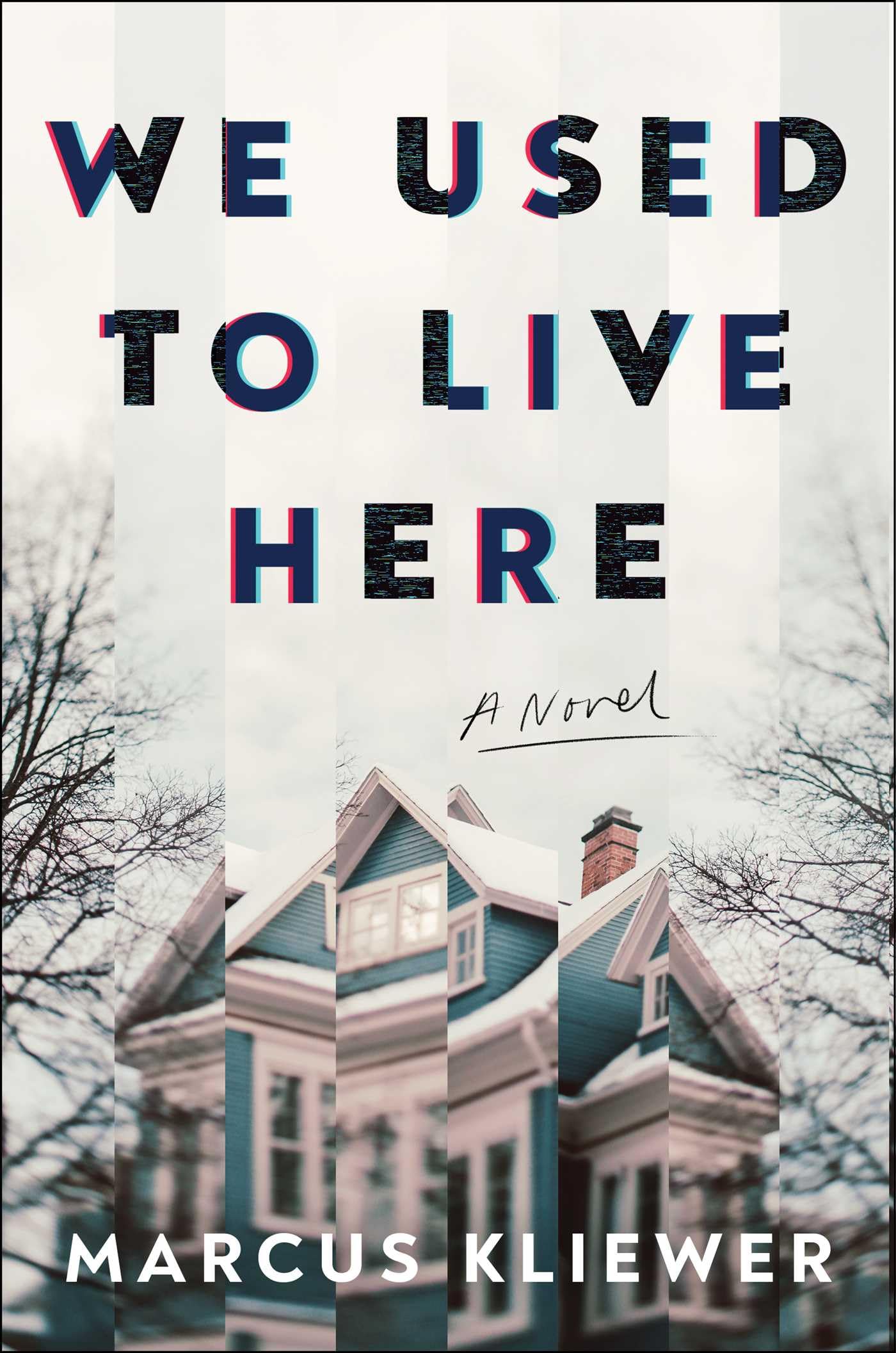
I’ve been putting off picking up Marcus Kliewer’s We Used To Live Here until it came out on paperback, but Barnes & Noble’s still-ongoing end-of-year hardback sale and a couple of Christmas gift cards pushed me over the edge. The premise of this one is that a young couple has bought an old crumbling house high up on a mountain, planning on renovating and possibly flipping it, and one night a family of five shows up on their doorstep while Eve, one of the homeowners, is at home alone. The father claims that he used to live in the house, and asks if he can have fifteen minutes to show his family around. Eve reluctantly agrees, and … well, it doesn’t go well. This is psychological horror and not the murder-and-torturefest that “it doesn’t go well” implies there, but Eve basically spends the rest of the book going slowly crazy. It’s intense.
This, I think, is the most your-mileage-may-vary of the three books, because how much you enjoy this book is going to depend on how willing you are to 1) scour the text for clues that may or may not be in there and 2) live with ambiguity about what exactly is going on. Eve ends up unable to trust her own perceptions and her own memories about literally anything, and this is the kind of book that has little interstitials throughout, clips from interviews or TV shows or message board posts that initially won’t make sense but will tie together eventually, and all of them end with Morse code. I deciphered one and got the word “and” and decided that I didn’t need to decipher the rest. Maybe you will! Maybe that whole idea kind of annoys you. I have no idea if the Morse code is important or not. I know I didn’t bother to check.
Anyway, for me, this book started off as a great slow-burn mindfuck but sort of collapsed under its own weight by the end. I four-starred it on Goodreads, but you’ll need some tolerance for gaslighting and unexplained events and a wildly unintentionally unreliable narrator. By the end of the book if Eve so much as mentioned the color of something I was flipping back to see if that thing was the same color the last time she mentioned it. I don’t mind some ambiguity in this kind of book but it went a little beyond my comfort zone. You will doubt everything by the time the book ends, but the atmosphere and the oppressive quality of Kliewer’s writing meant I more or less finished this book cover-to-cover in a single sitting. You decide if that sounds like your type of thing.
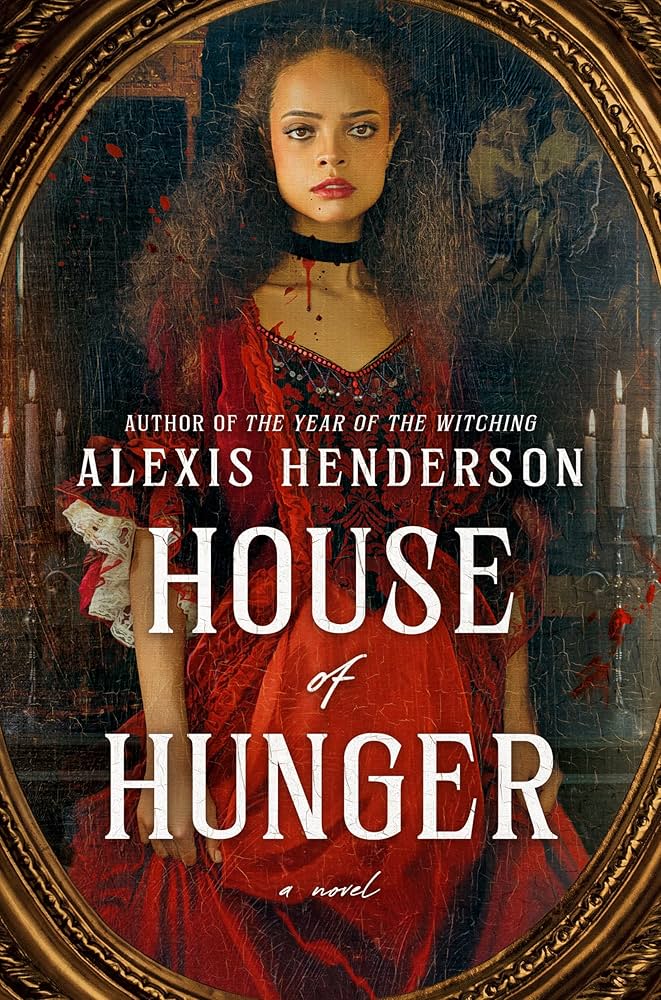
I meant to hold off until paperback on the Kliewer book and ended up grabbing a hardback; I have this one in paperback and I regret not buying it sooner. Alexis Henderson’s debut, The Year of the Witching, was an Honorable Mention for my best books of 2020 list, and House of Hunger is better than Witching. It’s a vampire book in all but name; there is, in fact, no explicit magic or supernatural powers mentioned anywhere(*) in the book, but Marion, the main character, flees a life as a scullery maid to take a position as a Bloodmaiden in the ambiguously defined “north.” Her job is to provide her blood when her obscenely wealthy patroness, the Countess Lisavet, requests it. In return for seven years of indentured service, she will receive a huge pension for the rest of her life upon her retirement.
And, yeah, Lisavet isn’t a vampire, and neither are any of the other rich people in the book– blood is extracted through needles or occasionally through bites, and even when Marion is bitten it’s made clear that Lisavet is wearing prosthetic sharp fangs in order to puncture her skin. But there’s a whole lot of blood-drinking going on, and the closest the book gets to actual magic is mentions of things like “blood lamps,” which might just be regular lamps inside a hollow globe so that the light is red but might also be powered by blood somehow? It’s unclear. One way or another, Lisavet in particular is a fascinating character, and her relationship with Marion is really well-written and interesting, and when things inevitably go to hell at the end the horror is real. This book isn’t related to The Year of the Witching, and Henderson’s third book just came out and is also a standalone, but I’d love to see more about this world. I’m genuinely not sure if this is actually going to show up on the list tomorrow, but it’s definitely in the running. Check it out.
(*) Heavily implied, maybe, but not until late in the book.

 Welcome to infinitefreetime dot com