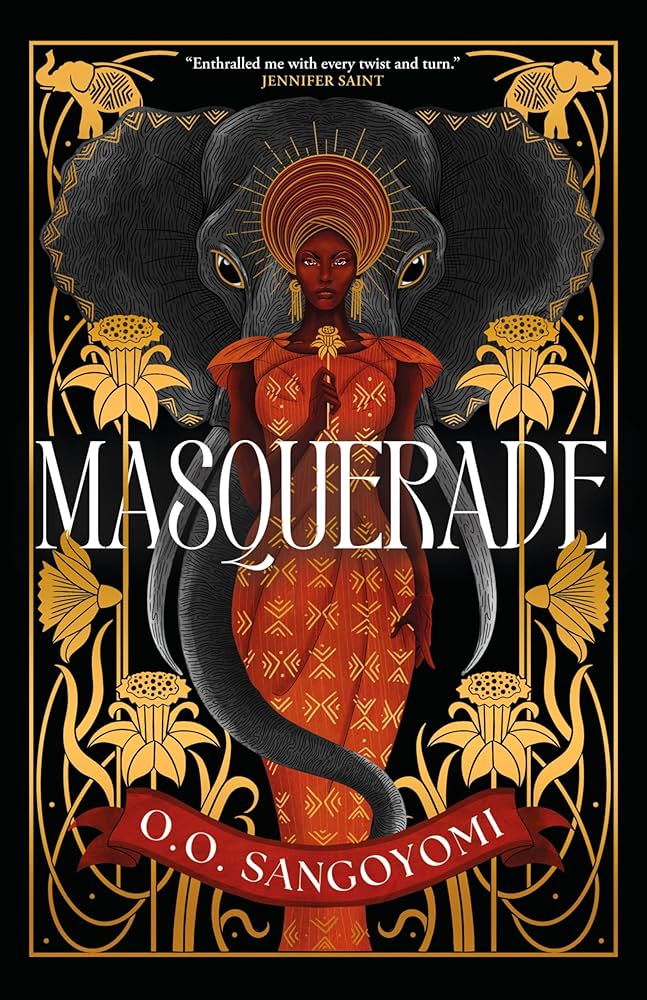
#REVIEW: Masquerade, by O.O. Sangoyomi

First things first: I’ve said this before, but if you’re not tapped into all the sci-fi and fantasy coming out of Nigerian and Nigerian-descended authors in the last five years or so, you are missing out, and you should fix that. This is going to be a somewhat mixed review of O.O. Sangoyomi’s debut novel, Masquerade, but the damned thing oozes with potential, and even if I had liked this less than I did I’d still be in for the sequel. Which sort of feels like “I like less than half of you half of what you deserve,” but I promise it’s a compliment.

The book jacket describes Masquerade as a “richly reimagined 15th century West Africa,” but I’ve got to be honest, despite what I just said about Nigerian fantasy this feels very much like historical fiction to me, and the speculative elements are minimal at best. I’m not precisely sure what’s being reimagined here. It falls under the fantasy genre because everyone is fighting with axes and machetes and spears, and when that happens we just call it fantasy regardless of how well it fits. It’s very low on the “low to high fantasy” axis, in other words.

Now, I’m not going to claim to have a lot of knowledge about West African history– I probably have more than your average American, but the average American knows nothing, so that’s not much of a brag. The book is set in Timbuktu, which was a real place, and the countries and city-states that show up as adversaries are all real, and the Yoruba are still around. If Sangoyomi has played around with history at all, it’s subtle enough that I can’t tell you about it. I can tell you that the main character, Òdòdó, is a blacksmith at the beginning of the book, and blacksmiths are consistently referred to as “witches,” but … I was never exactly clear why? Everybody’s still using smithed tools like it’s not a big deal, but they’re more or less the dregs of society for some reason.

A quick word on orthography: note all the accent marks in Òdòdó? They’re in nearly every word in the book of remotely African origin and there’s no pronunciation guide. The word I’ve rendered as “Yoruba” up there is Yorùbá in the text, for example. The city they live in is Ṣàngótẹ̀, and I don’t even know how to reproduce that S properly– I had to copy and paste it. I hope everyone will forgive me if other than the main characters’ names I don’t bother reproducing all the accents. If I knew how to pronounce them I might, but I don’t.

So anyway, Òdòdó is busy making herself a life as a blacksmith when she is abruptly kidnapped and brought to Sangote to be the wife of the Alaafin, who is basically the emperor. He’s picked her out while pretending to be a vagrant and having a brief conversation with her at her forge.

She is … surprisingly okay with this. I kind of need to rain some abuse down on the blurb-writers for this, who make the book feel like a revenge tale of sorts, and pay no attention to the “loosely inspired by the Persephone myth,” because once you get past the kidnapping there’s not a lot of there there. But no! Òdòdó is surprisingly cool with being kidnapped, she just wants her mom to be at the wedding, and her naïveté (goddammit!) at her fiancé’s (DAMMIT) insistence that he can’t find her mother to get her blessing is rather annoying. Òdòdó gets pulled into some political maneuvering, falls for a couple of truly amateurish stunts from the Alaafin’s mother, and accidentally helps touch off a revolution, and then somehow the book redeems itself entirely at the end, catching me by surprise in such a way that guaranteed the sequel was getting picked up.

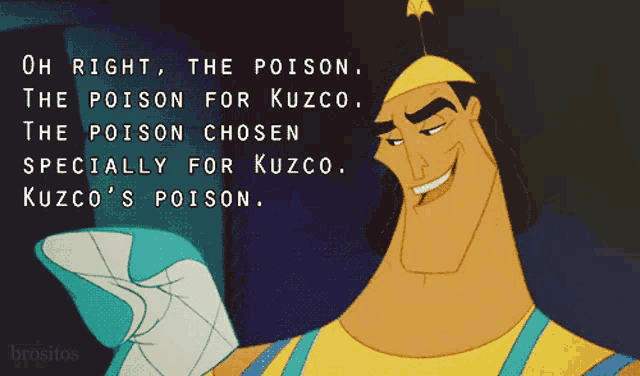
Strengths: the worldbuilding, other than the weird witchery of blacksmiths, was really interesting, and the basic novelty of the setting was great. Sangoyomi’s prose is excellent, and the book managed to include some romantic elements without descending into full-blown romantasy. The weaknesses are the characters, particularly Òdòdó herself, who careens back and forth between being a silly little girl and a seasoned political operative. It’s also unclear how much of a time frame the book takes place over, and you’d be forgiven for thinking it’s just a few months at best, which is not enough time for her to learn some of the things she learns how to do. She’s really good at anything she needs to be good at for the plot to move forward, including occasionally outsmarting actual generals (and coming up with war tactics they haven’t thought of) and defeating grown men in combat, and then she’ll turn around and drink from a cup that the mother-in-law has handed her that may as well have this on the side:
If this hadn’t landed the dismount, I’d probably have just put it on the shelf and moved on, but the ending really was well-done, if perhaps again a bit out of character, maybe? Who knows! But I’d have kept an eye out for this author’s next series. As it is, I’m in for the next book. This isn’t the best thing I’ve read this year or anything like that, but it’s solid and it’s a fast enough read, at about 330 pages, to be able to forgive its flaws.
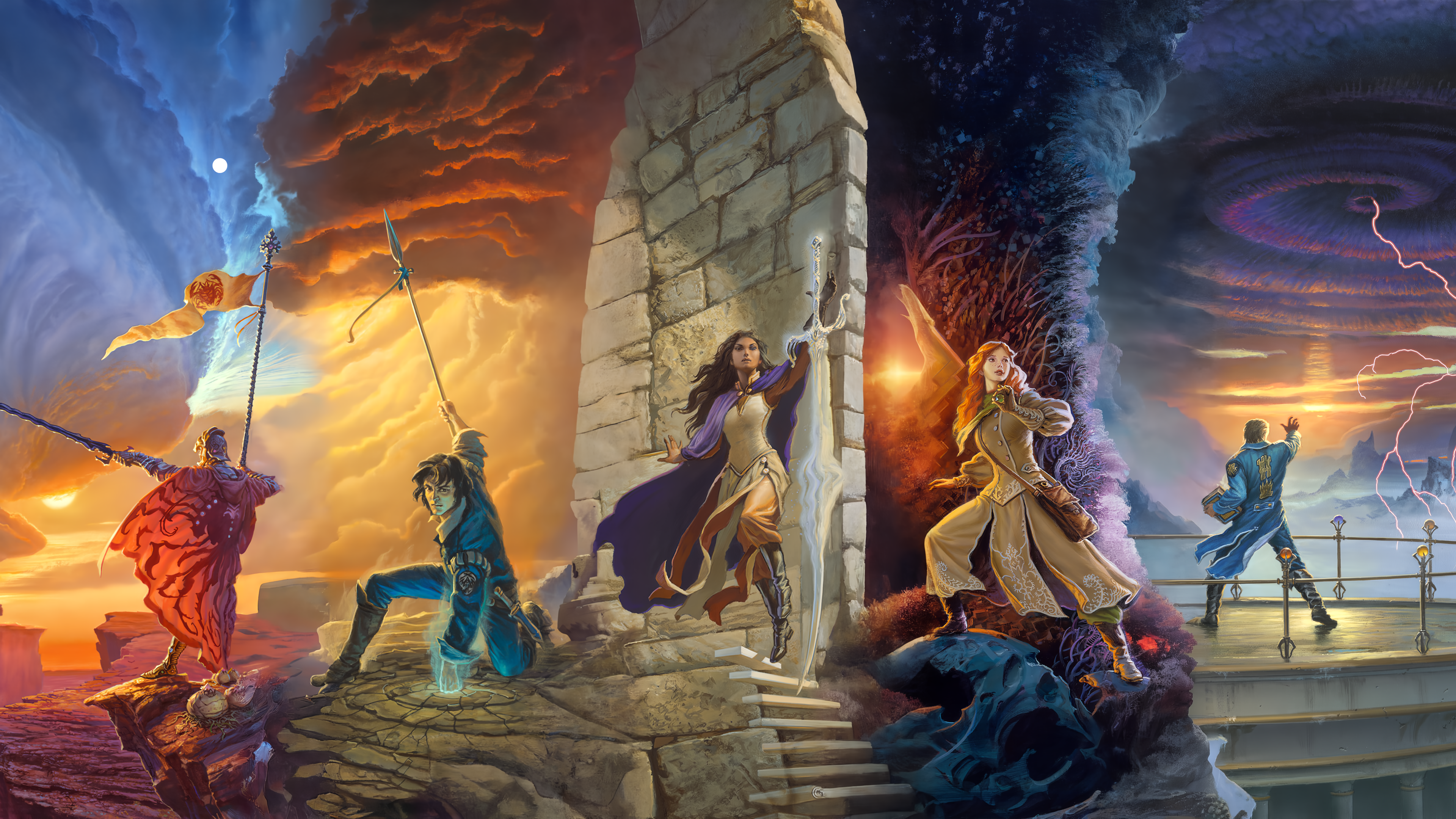
On The Stormlight Archives

My wife genuinely suggested to me, half an hour ago, as I was telling her that I had to write this and that I was not looking forward to it, that I just make the entire post a single word:

“Don’t.”

And … well, no. Perhaps the most frustrating thing about this series is how close to being remarkable it is. Most of the reviewers certainly seem to think it’s amazing; the lowest-ranked of the main Archives books is at 4.51 on Goodreads, which is hardly a failure.

And in many ways it really is remarkable. I stand by my repeated assertion that The Way of Kings is an amazing fucking book. But unfortunately the series follows what has become a sadly typical trajectory of the fantasy megaseries, that being that each book is worse than the book before it. And much like the best example of this phenomenon, A Song of Ice and Fire, the first book is so good that there’s plenty of room for the books to get worse before they even begin to approach being bad.

So let’s start off with some good stuff. The books are clearly carefully planned out. George R.R. Martin and Patrick Rothfuss are never releasing the next books in their series because they have written themselves into corners. I believe completely that Sanderson is going to deliver on books six through ten if he lives long enough, and I may even buy them if only to have them on the shelf. He’s going somewhere with this and he knows what he’s doing. And while I have some serious issues with his worldbuilding– more on that later– there is no doubt that it is both deliberate and meticulous. It’s not easy to write a five-book series in the first place! I certainly couldn’t do it! It’s even harder when each book is over a thousand pages long and all five of them come out in a fifteen-year period of time where you also write and release seven hundred other books.

By all rights, these books should be much, much crappier than they are. It’s amazing that they’re even readable, to be honest.

But about halfway through Oathbringer, a book that I abandoned early the first time I tried to read it, the books took a turn that I wasn’t expecting.

Unfortunately, that turn was directly up Brandon Sanderson’s ass.

The Cosmere has its fans, I am aware of this. I am very very much not one of them. For those of you unaware of the meaning of that term, all (perhaps most? Let’s go with most) of Brandon Sanderson’s books exist in the same universe. During the time where I was reading his work regularly, he hadn’t really revealed this little detail of his work, and any connections between different series either went unnoticed or were dismissed as Easter eggs of no particular real significance.

You can imagine my dismay when the fucking annoying talking sword from Warbreaker, by far my least favorite of Sanderson’s books, showed up in Oathbringer, and you will have to take my word for it that said dismay increased significantly when it became clear that not only was the sword not going away but it was far from the last intrusion his other books were going to make into Stormlight. It was never really explained why the sword was there. It just was. Other characters from his books showed up too, one with a pretty prominent role, others in cameos. Other planets were frequently discussed, and travel between them became a sub-theme. And after a while, every time I encountered a character I didn’t immediately recognize, I had to play this stupid game where I was wondering if it was just a minor character that after thousands and thousands of pages of narrative I simply didn’t remember, or if it was someone from another book and I was supposed to realize something about it.

Again, you may like the Cosmere. More power to you. Enjoy the wikis. It damn near destroyed the books for me.

I nearly started talking about his characters when discussing the positives of the series, and stopped; most of his characters are assassinated over the course of the series. Kaladin is amazing in The Way of Kings; he has the following exchange in Wind and Truth, which is treated like a mic drop:

“How?” Ishar repeated. “What are you?” He gestured toward Szeth.
“Are you… are you his spren? His god?”

“No,” Kaladin said. “I’m his therapist.”

Shut up, Brandon Sanderson. Mental illness is a theme of at least three if not four of the books, but it’s handled so, so poorly that I don’t even want to talk about it. Everybody’s fucked up somehow, and it becomes annoying after a while. The final book, one thousand three hundred and twenty-nine pages long, is 70% flashbacks, and the other 30% is mostly self-affirmations.

Which. Yeah. Bloat. I’m not joking about Wind and Truth being 70% flashbacks. Nearly all of the book is presented in a series of visions. What happens in Book Four? At the beginning of the book the bad guys take over a place, and at the end of the book they are driven out of that place again. The actual changes to the status quo over Rhythm of War’s 1200 pages or so could be done and dusted in 250 pages. Whole subplots just never gelled with me at all. Shallan spent two books chasing around something called the … Dustbloods? Ghostbloods! It’s Ghostbloods. They’re from Mistborn, apparently? They’re completely irrelevant to anything, as far as I was able to tell, and the entire subplot could have been cut with no damage. And it takes her away from characters who her interactions with are actually interesting. I don’t think she has a single scene with Jasnah after the third book. It’s fucking ridiculous.

The books are so thoroughly up Brandon Sanderson’s ass that it may be better to stop comparing the series to A Song of Ice and Fire and compare them instead to another megaseries written by an author so famous that he could shit on a napkin and sell a million copies: The Dark Tower.

What I’m saying is that were I to discover that Brandon Sanderson self-inserts into Book Seven, I would not be the least bit surprised.

Gah. I could keep going; I don’t want to. Like I said, I’ll probably buy the rest of the books if only because having half of the series on my shelf will annoy the shit out of me. Will I read them? Okay, I’ll probably read Book Six, because it’ll be interesting to see where he goes with what he’s calling the “second major arc” of the series. I make no promises after that, and I am absolutely not dragging myself through another reread of this monstrosity.

They aren’t terrible. They really genuinely aren’t. But there is six and a half thousand pages of this, and “not terrible” is not good enough motivation to read six and a half thousand pages, and it certainly isn’t enough to get me to recommend them. I won’t stop you, but … God, go read twenty books by other people instead.

Blech.

Three book reviews

It’s entirely possible that you’re going to get a flurry of posts today; I have at least three in the hopper right now and that’s only not five because I’m planning on packing three book reviews into a single post here. One of them is a super late entry into my best books of the year post, which right now is coming tomorrow, I think. We’ll see. Anyway, off we go:

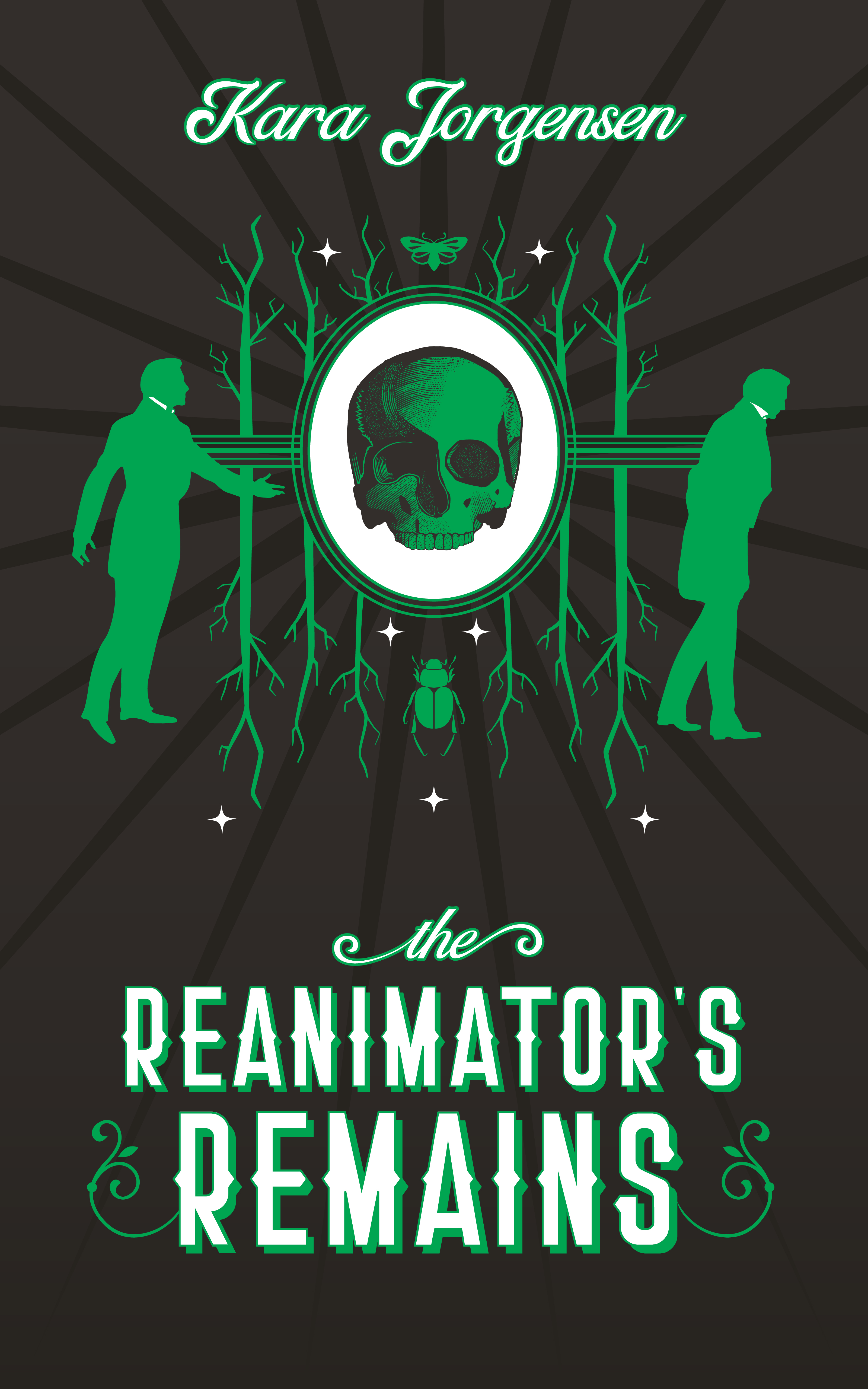
Standard disclaimers, I suppose, for whenever I review an author who I “know” online; Kara and I have been mutuals long enough that I couldn’t tell you where we met or how long ago it was, and we tend to find each other near-immediately any time a new site pops up. That said, I’m a big fan of their Reanimator Mysteries series, the third book of which came out in October and I read a couple of days ago. Kara’s books tend to be(*) queer Victorian paranormal romances, and this one concerns Oliver Barlow, an autistic necromancer who works as a coroner, and Felipe Galvan, an investigator for New York’s Paranormal Society who is, uh, dead. And resurrected by Oliver. And they’re lovers now. And they can’t get more than half a mile apart.

It’s kind of a delightful series, believe it or not. The first sentence of the third book mentions “freshly rinsed organs.” It’s that kind of book.

Anyway, this one dives into both Felipe and Oliver’s pasts, and the main mystery of the book concerns the nearby town of Aldorhaven and a sudden infestation of the risen dead. Aldorhaven is a “murder town,” a decidedly unofficial designation for a place where the number of unexplained deaths and weird paranormal happenings is way above the norm. The town, and the forest surrounding it, become characters of a sort in this book, which has more than a little of The Shadow over Innsmouth‘s DNA in it. It’s wonderfully creepy in a whole lot of ways and you should probably grab the whole series, which starts with The Reanimator’s Heart and The Reanimator’s Soul. Book IV comes out next year.

(*) Tend to be? Possibly “always are”? This is Kara’s 10th book and I haven’t read them all.

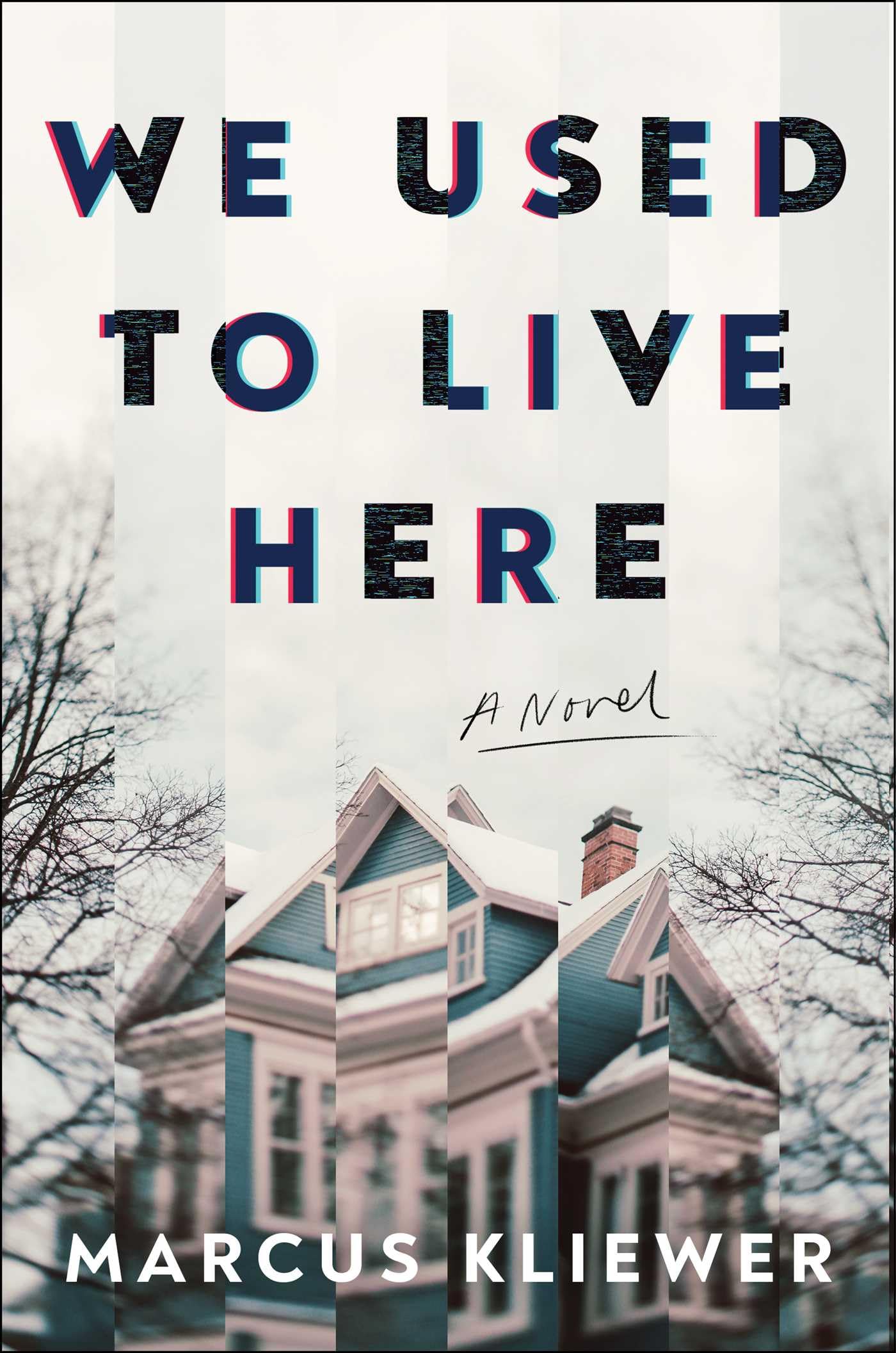
I’ve been putting off picking up Marcus Kliewer’s We Used To Live Here until it came out on paperback, but Barnes & Noble’s still-ongoing end-of-year hardback sale and a couple of Christmas gift cards pushed me over the edge. The premise of this one is that a young couple has bought an old crumbling house high up on a mountain, planning on renovating and possibly flipping it, and one night a family of five shows up on their doorstep while Eve, one of the homeowners, is at home alone. The father claims that he used to live in the house, and asks if he can have fifteen minutes to show his family around. Eve reluctantly agrees, and … well, it doesn’t go well. This is psychological horror and not the murder-and-torturefest that “it doesn’t go well” implies there, but Eve basically spends the rest of the book going slowly crazy. It’s intense.

This, I think, is the most your-mileage-may-vary of the three books, because how much you enjoy this book is going to depend on how willing you are to 1) scour the text for clues that may or may not be in there and 2) live with ambiguity about what exactly is going on. Eve ends up unable to trust her own perceptions and her own memories about literally anything, and this is the kind of book that has little interstitials throughout, clips from interviews or TV shows or message board posts that initially won’t make sense but will tie together eventually, and all of them end with Morse code. I deciphered one and got the word “and” and decided that I didn’t need to decipher the rest. Maybe you will! Maybe that whole idea kind of annoys you. I have no idea if the Morse code is important or not. I know I didn’t bother to check.

Anyway, for me, this book started off as a great slow-burn mindfuck but sort of collapsed under its own weight by the end. I four-starred it on Goodreads, but you’ll need some tolerance for gaslighting and unexplained events and a wildly unintentionally unreliable narrator. By the end of the book if Eve so much as mentioned the color of something I was flipping back to see if that thing was the same color the last time she mentioned it. I don’t mind some ambiguity in this kind of book but it went a little beyond my comfort zone. You will doubt everything by the time the book ends, but the atmosphere and the oppressive quality of Kliewer’s writing meant I more or less finished this book cover-to-cover in a single sitting. You decide if that sounds like your type of thing.

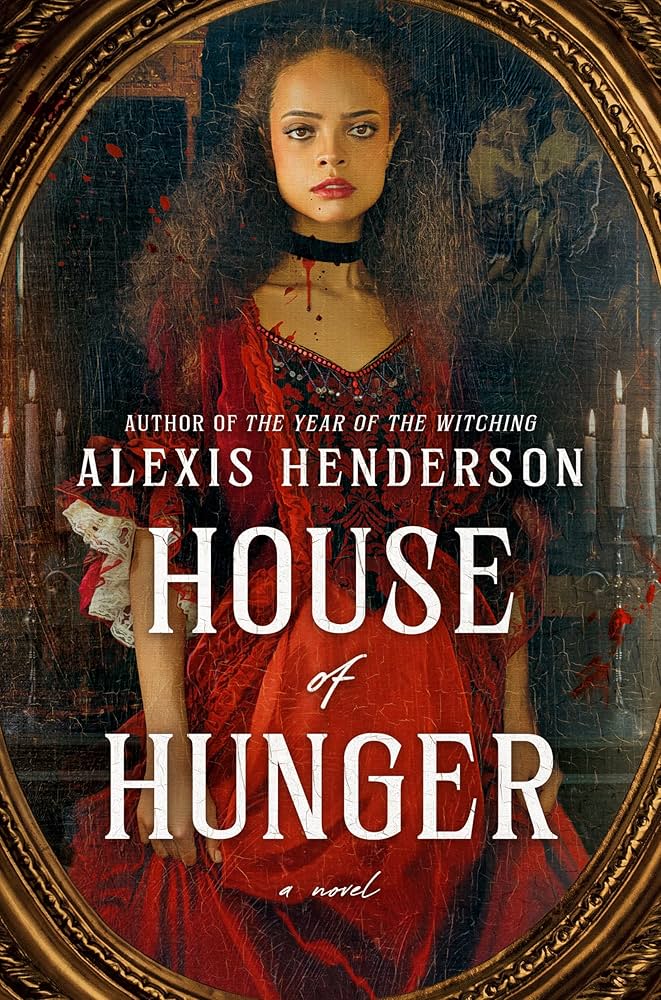
I meant to hold off until paperback on the Kliewer book and ended up grabbing a hardback; I have this one in paperback and I regret not buying it sooner. Alexis Henderson’s debut, The Year of the Witching, was an Honorable Mention for my best books of 2020 list, and House of Hunger is better than Witching. It’s a vampire book in all but name; there is, in fact, no explicit magic or supernatural powers mentioned anywhere(*) in the book, but Marion, the main character, flees a life as a scullery maid to take a position as a Bloodmaiden in the ambiguously defined “north.” Her job is to provide her blood when her obscenely wealthy patroness, the Countess Lisavet, requests it. In return for seven years of indentured service, she will receive a huge pension for the rest of her life upon her retirement.

And, yeah, Lisavet isn’t a vampire, and neither are any of the other rich people in the book– blood is extracted through needles or occasionally through bites, and even when Marion is bitten it’s made clear that Lisavet is wearing prosthetic sharp fangs in order to puncture her skin. But there’s a whole lot of blood-drinking going on, and the closest the book gets to actual magic is mentions of things like “blood lamps,” which might just be regular lamps inside a hollow globe so that the light is red but might also be powered by blood somehow? It’s unclear. One way or another, Lisavet in particular is a fascinating character, and her relationship with Marion is really well-written and interesting, and when things inevitably go to hell at the end the horror is real. This book isn’t related to The Year of the Witching, and Henderson’s third book just came out and is also a standalone, but I’d love to see more about this world. I’m genuinely not sure if this is actually going to show up on the list tomorrow, but it’s definitely in the running. Check it out.

(*) Heavily implied, maybe, but not until late in the book.

#REVIEW: The Nightward, by R.S.A. Garcia

I don’t know what to say about this one.

Now normally when I say something like that, it’s a bad sign. This isn’t that. The Nightward is a good book. But it is a good book in a very specific way, and the specific way it’s good makes it kinda hard to talk about. This is a book with lots of secrets, and lots of mysteries that may or may not be unraveled in the course of the text. In some ways it’s a very straightforward narrative and in some other ways I have absolutely no idea what the hell is going on.

Let me give you what I can: the basic narrative, as I said, is reasonably simple, and is spelled out pretty effectively on the cover: the two most prominent characters are Viella, the nine-year-old princess of the Queendom of Dun, and Luka, her bodyguard. Viella is only princess for a short time; there is a coup and her mother is killed, and the rest of the book is more or less about keeping her alive while the villains work various and sundry machinations in the background. Dun is one of six Queendoms– the book’s society is very matriarchal– and we see most of them for at least a little while over the course of the book.

(There’s a map at the beginning of the book. I probably should have paid more attention to the map. It’s that kind of book.)

Now, that doesn’t sound like much, I know. It’s R.S.A. Garcia’s worldbuilding that sets this book apart, though, and that’s part of what’s hard to talk about. There are queens everywhere and armies of badass women and pregnancy increases magical power to what appears to be a pretty substantial degree, and there are dragons and zombies and battle cats (which probably aren’t actually Battle Cat, but try and stop me) and then there’s a whole lot of other stuff going on that will make you go wait, what? and then you’ll start paying closer attention and there will be lots of hints, at first, and then later on outright blinking neon signs that Something Else Is Going On Here.

(The titular Nightward, by the way, is a book. It’s probably a spellbook of some sort, and the bad guys opening it was Definitely Bad. It … might not be a spellbook, though? Maybe.)

Do I know what the Something Else is? Nope. Not a bit.

And here’s the rub, right? I really liked this book, but it’s book one of a duology, and book two doesn’t come out until the end of 2025, and I kind of want to counsel you to put this on a wishlist and wait until book two comes out and then buy them both at once. Because I want it now, and the problem is I’m going to have read 150 books in between this one and the sequel and I’m gonna have to reread Book One anyway if I want to properly appreciate Book Two. And Garcia has an awful lot of plates spinning on poles right now, and not to mix metaphors or anything but I feel like sticking the landing properly on this is going to be challenging. If she pulls it off, this is going to be a truly remarkable series. If she doesn’t … well, you’re not going to be rereading Book One in the future if you didn’t like Book Two, right?

So. I five-starred this. I am very heavily anticipating the sequel, and I will preorder it the second I learn that it is available. And I want you to at least have it on your radar, but right now my recommendation is very much based on potential awesomeness, because there’s so much going on that’s not quite clear yet and I need a slightly clearer picture before I can start jumping up and down and waving this book over my head at people. Maybe hold off until late 2025, and then buy both of them at once. If you remember books better after a year than I do, jump in now, if only so I have someone to talk to about this. But definitely stick it in the back of your head, one way or another.

#REVIEW: Blood Over Bright Haven, by M.L. Wang

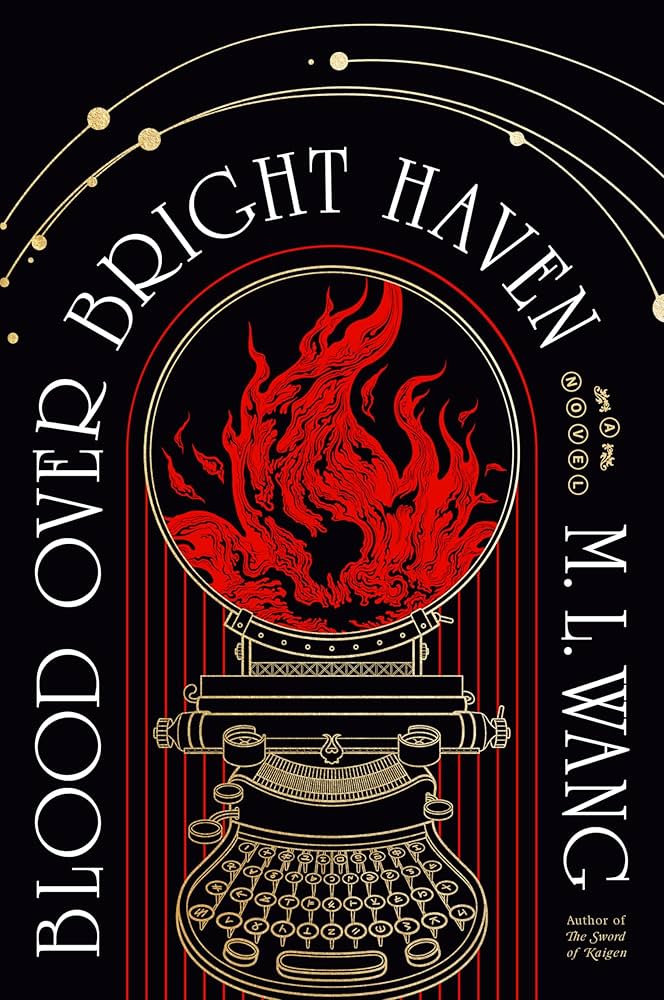
I discovered the work of M.L. Wang through BookTok, which is, by and large, convinced that her The Sword of Kaigen is one of the best books ever written. I read that one first, and … it’s not one of the best books ever written, not by a long shot, but it was good enough to get me to pick Blood over Bright Haven up and then take several months to get around to reading it. I didn’t start off well with this book either; by pure coincidence it shares a lot of plot points with Ava Reid’s A Study in Drowning, which I read immediately before it, and starting a second book in a row where the main character was a trailblazing female academic in a field where no one wanted her around and who cried all the time was a bit jarring even before it turned out that, somehow, in both books the fact that said main character was a huge fucking racist was a big plot point. Now, this is fantasy racism, which doesn’t make it a lot better,(*) mind you, but it’s a big theme of both books, so be prepared for that. Also, while we’re talking about things that might be in a content warning, Drowning has a character who is a rape survivor (although, creepily, the act in question comes off as consensual the first time it’s described) and there’s a rape attempt in Blood.

A Study in Drowning was not a great book– serviceable, but not much more– and it kind of poisoned me against Blood over Bright Haven for the first third or so. I nearly put it down. I’m glad I didn’t.

For starters, and I don’t want to get too deep into spoilers, because you deserve to experience this at the book’s pace, Sciona is very much not the main character of Blood over Bright Haven, even though it will seem like she is for most of the book.

Second, Blood over Bright Haven is one of the angriest books I’ve ever read, up there with Yellowface and Iron Widow,(**) although, again, you spend enough time in Sciona’s head that you might not realize how angry the book is at first. This is a deliberate misdirect on the part of the author and in retrospect it’s tremendously effective at prepping you for the big twist midway through the book. A bit of background: Sciona starts the book off by being named a Highmage of her home city-state of Tiran, an office that no woman has ever held before. This happens quickly; another weird similarity it has to Drowning, come to think of it; you get yourself mentally ready for her to take half the book to become a highmage and it’s, like, a chapter. Magic in this book is fascinatingly mathematical and complicated and meaty, it’s more like writing equations or geometric proofs than what for lack of a better word I’ll call “traditional” spell casting, although it’s not as explicitly mathematical as, say, To Shape a Dragon’s Breath.

Anyway, for our purposes the salient part of writing a spell is that you have to determine where the spell gets its energy from, and how much energy it might take to pull off any given magical effect. If you pull too little you’ll get partial results and if you pull too much, something is probably going to explode. Sciona is a prodigy at mapping, which is the process of figuring out where magical energy sources are and how to pull from them, and she gets put on a huge project involving pushing back the magical wall that surrounds the city, a huge … public works project, which isn’t quite what you might expect from a fantasy book but that really is what’s going on here.

Also, spells are written on magical typewriters, which is just super fucking cool.

Anyway, blah blah blah class conflict blah blah blah sexism blah blah blah plot development and then she figures out where the sources of her magic are really being pulled from, and I’m not telling you anything else, because you deserve to experience this on your own, and probably by this point if you’re like me you’ve decided you don’t like Sciona all that much. Unlikable MCs are tricky, right? First of all, you often can’t be sure if the author realizes they’ve written an unlikable main character, or if it’s just your reaction to that person (I call this “Lana Lang syndrome”) and also because the author wants you to keep reading, which can be a hard sell if you don’t like living in the head of the person you’re reading about.

I’m just going to say that it was clear quickly that M.L. Wang knew exactly what she was doing here, and that Sciona’s personality flaws are clearly intentional and are also pretty essential to the book unfolding the way it does. She has a great conversation (well, fight) with a relative late in the book where the relative just rips her to shreds and every word she says about her is true and I just kind of read it in awe of how fully in control of her characters Wang was.

Also, and I’m not going to go into details because, again, I want as few spoilers as possible, but reading this book on Thanksgiving lent the whole book a really interesting synchronicity with actual life. You’ll understand when you read it.

And, yeah, I’m about to end the second review in a row with the phrase “one of the best books of the year,” and a wish that M.L. Wang’s many fans on BookTok and elsewhere would realize which of her tradpubbed books (she has several that she published herself, and this and Kaigen were both originally indie titles) is clearly the superior one, because this book deserves the press and attention that The Sword of Kaigen has gotten. Go read it.

(*) The sole physical characteristic that the Kwen characters are given is “copper hair,” and I’m still unclear what precisely the difference between copper and red hair is, but you could take this as evidence that the despised minority in this book are white people, which is an interesting choice that ultimately doesn’t end up mattering very much since this is very much a Not Earth book.

(**) The fact that all three of the authors here are Asian women is a coincidence. It’s an interesting coincidence, but a coincidence nonetheless.

#REVIEW: The West Passage, by Jared Pechaček

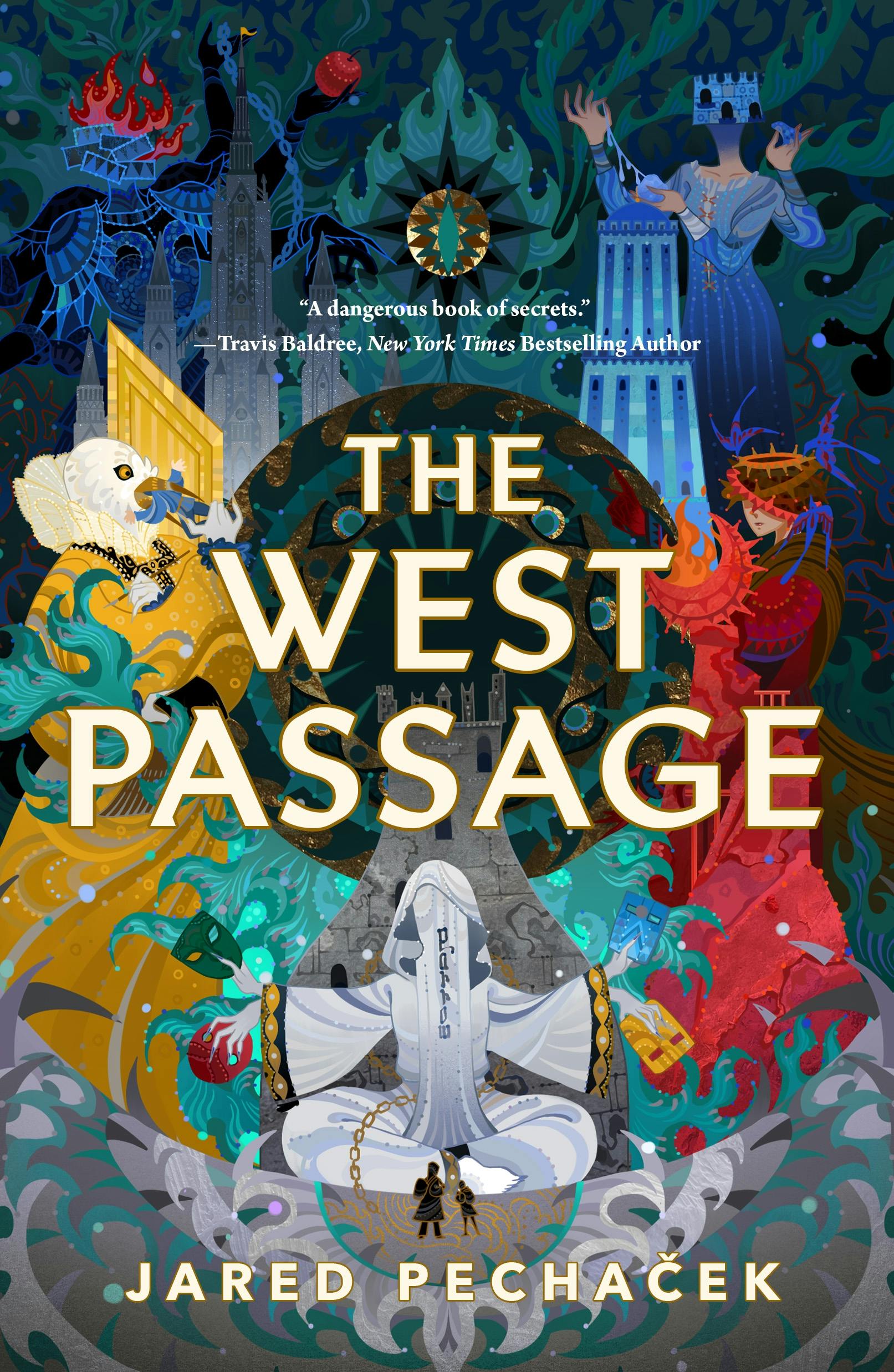
This is going to be one of those books that is difficult to review, at least the way I usually do reviews. Or maybe it won’t be. I’ve certainly written some reviews before that involved flapping my arms around like a landed fish and babbling shut up and buy it before; this will, more or less, be one of those, because despite having read this book cover to cover and having been nearly hypnotized by it throughout that process I find it difficult to describe it without a lot of comparisons that may or may not make any sense.

It’s as if you rolled Gormenghast, The Shadow of the Torturer and Through the Looking Glass into a meatball and then rolled it in honey.

It’s like Harrow the Ninth, but it makes sense.

It’s Labyrinth but the baby eats people. And the baby’s not the point. But the baby’s in there, I promise. Oh and also if China Miéville wrote Labyrinth.

This is a book that uses perfectly normal words to describe things, like “light,” only then you discover that light can be poured out of a jar. Someone’s hair is made of twigs and someone else is a rabbit, only they lay eggs. Something will be described as a beehive and you will think you know what a beehive is and then it will crouch down on the legs that you didn’t realize it had and excrete honey into a jar through a urethra, typically not a body part possessed by a beehive, which don’t even have bodies, much less body parts. Everything is larger than you think it is and has more mouths than you think it should, except for the one thing that has lots of tongues, because that thing has no mouths at all. Everything is crumbling and decrepit and falling apart and no one remembers why they are doing the things that they are doing anymore other than continuing to eke out a pointless existence in a palace that goes on forever, and the world is sort of ruled by five sisters only they aren’t really sisters and I’m not sure they’re even female, because at one point a character gets what for the sake of this sentence I’ll call a promotion and then that character is referred to exclusively with female pronouns for the rest of the book.

This is a book where on one level you will have a pretty good idea what is going on, because the page-to-page events are explained clearly and vividly, and on another hand you will have absolutely no idea what is going on, because none of the nouns mean what they think they mean and your mental picture of what is happening is probably wildly inaccurate for a reason the book hasn’t even revealed yet. It’s a book with not one big quest but two big quests that are sort of intertwined, with a knight and a squire and a Beast that must be vanquished and a Mother who is sixteen and has no children but will find a child in a sack and many Ladies, only some of them have towers for heads and some are birds and at one point a character will be revealed to have three arms and four legs and you won’t be sure if that was the case for the whole book or not, and sometimes everything is on fire, and that’s usually bad.

It’s fucking amazing and it’s one of my favorite books of the year.

I just wish I had some idea how to pronounce “Pechaček.”

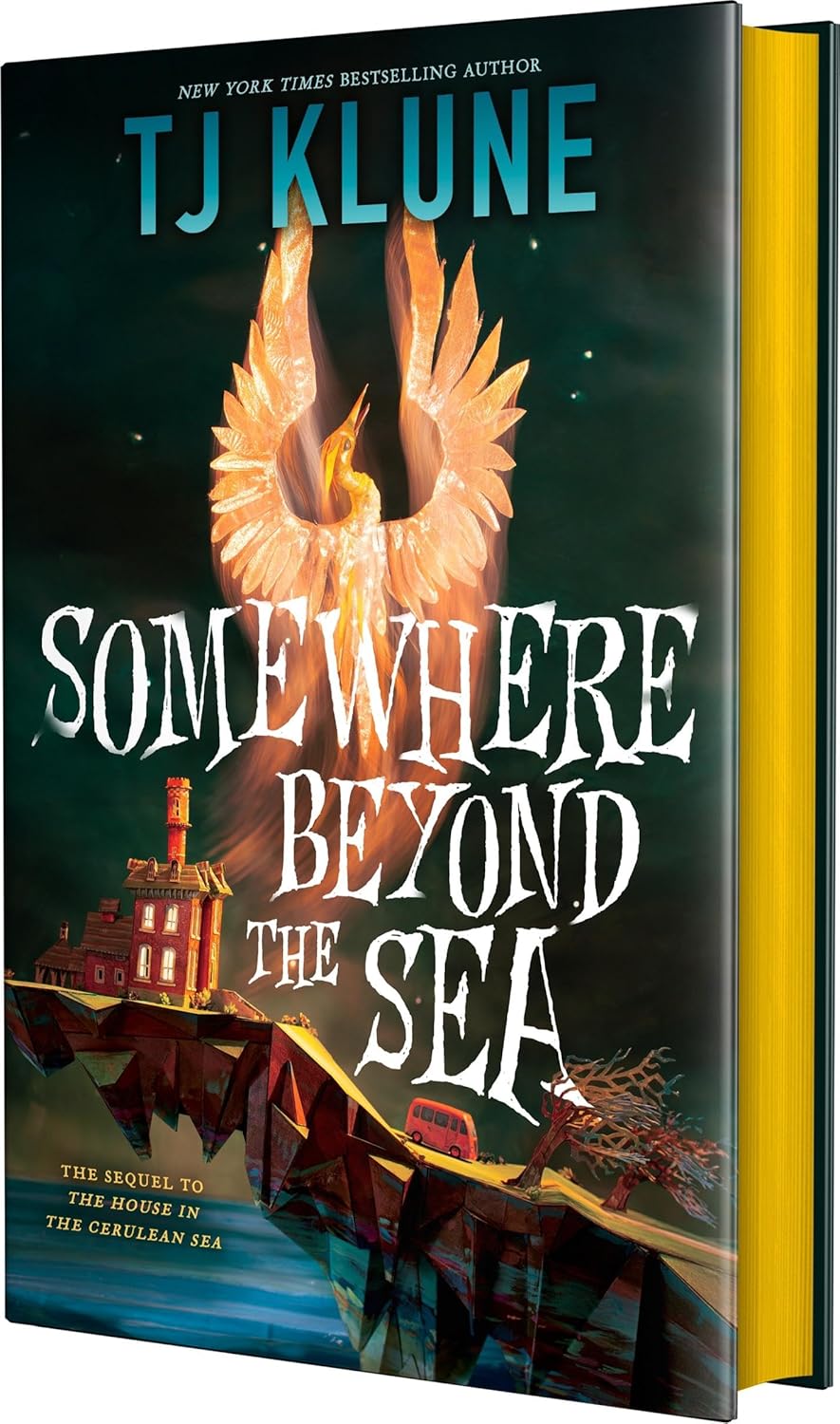
#REVIEW: Somewhere Beyond the Sea, by TJ Klune

I have to say that I kind of needed this book. I absolutely adored The House in the Cerulean Sea, TJ Klune’s first book in what we’re apparently calling the Cerulean Chronicles, and I’m really hoping that the fact that the series has a title now means we’re going to see more of it. My review of that first book has become one of my most inexplicably popular posts– my seventh most popular post in the history of the blog, in fact– and traffic for it tends to come in waves. It’ll have 40 hits over the course of a day and then trail off, and then a couple of weeks later it’ll have a hundred, and then it happens again. I don’t know why! I don’t get enough information about referrers from WordPress and if there’s something else I can use to look up where views are coming from, I don’t know how to use it. Feel free to enlighten me in comments, if you have a suggestion.

Anyway, Somewhere Beyond the Sea returns to the orphanage on Marsyas Island, and the magical children and their two caretakers, who continue to have one of the most adorable relationships in all of literature. This book lives in Arthur Parnassus’ head, though, instead of Linus Baker, the main character and POV of the first book. While the switch makes perfect sense in the context of the series, Arthur is a darker, angrier character than Linus, and some of the gentleness and charm of the first book is lost in the switch. This book also introduces a couple of actual villains, as DICOMY, the Department In Charge of Magical Youth, Linus’ employer from the first book, turns on the orphanage and in particular on one of the children who live there. There is another DICOMY inspector, this one very much cut from the “I pretend to be here to help the children and am absolutely not here to help the children” cloth that I was so pleased to see Linus was not in the first book.

The first book was about a family forming. This one is about threats to tear that family apart, although the addition of a new child to the orphanage adds another new perspective that isn’t as negative as the two representatives of DICOMY.

Ironically, while the book isn’t quite the cozy “big gay blanket” of the first book, I found that I related to Arthur more than I ever did to Linus, which wasn’t something I was expecting on the way in. Arthur has a traumatic past– that’s not the bit I relate to, mind you, as I can’t really make that claim– but he spends much of the book struggling with his temper, as he has the ability to simply make the threats to his family go away in the most violent and retributive manner possible and repeatedly chooses not to, as that’s not the person he wishes to be.

Let me just say that it is not difficult for me to relate to a character who is a father and an educator who occasionally struggles with preventing his rage at the injustice and unfairness of the world from affecting the way he lives in it. Not difficult at all. I lack the ability to set things on fire with my mind, however, so his struggle has a touch more immediate salience than mine might.

Most interestingly, I think with Arthur and particularly Arthur’s past, and the fact that this book does dwell on trauma in a way that Cerulean Sea did not, Klune is in some ways addressing the criticisms of his first book, which I won’t go into here, but you’re welcome to click on that link up there. It turns out that Arthur Parnassus ending up the Master at Marsyas Island was not an accident. I’ll leave it at that.

I can’t issue quite as strong a recommendation for this book as I did Cerulean Sea, but that was one of my favorite books of the year it came out and remains my favorite of Klune’s books, so that’s not saying a lot. This is still a comfortable #2 in his body of work, and you should give it a read.

#REVIEW: The Drowning Empire series, by Andrea Stewart

Brace yourself, if you wish, for the rarest of all things from me: a mixed review of a book series. The majority of the time if I write a review of something it’s because I enjoyed it. After a lifetime of reading, I like most of the books I read, mostly because I know my tastes by now, there are lots of books, and for better or for worse I simply don’t experiment enough to be buying a lot of books that I’m not going to enjoy. I don’t like shitting on authors, either, so I’m not likely to write a review of a bad book unless I really hate it, or at the very least I think my dislike of it can be entertaining to someone. So mixed reviews simply don’t happen that often because I don’t feel the need to bother. The thing is, I read this entire series, all 1800 pages or so of it, over the course of October and I feel like it’s worth talking about.

Here’s the tl;dr: I enjoyed these books enough to read all three of them, and they’re certainly not bad, but worldbuilding and character issues drag the series down.

Spoilers, but only as necessary, and I’ll try to avoid mentioning major twists.

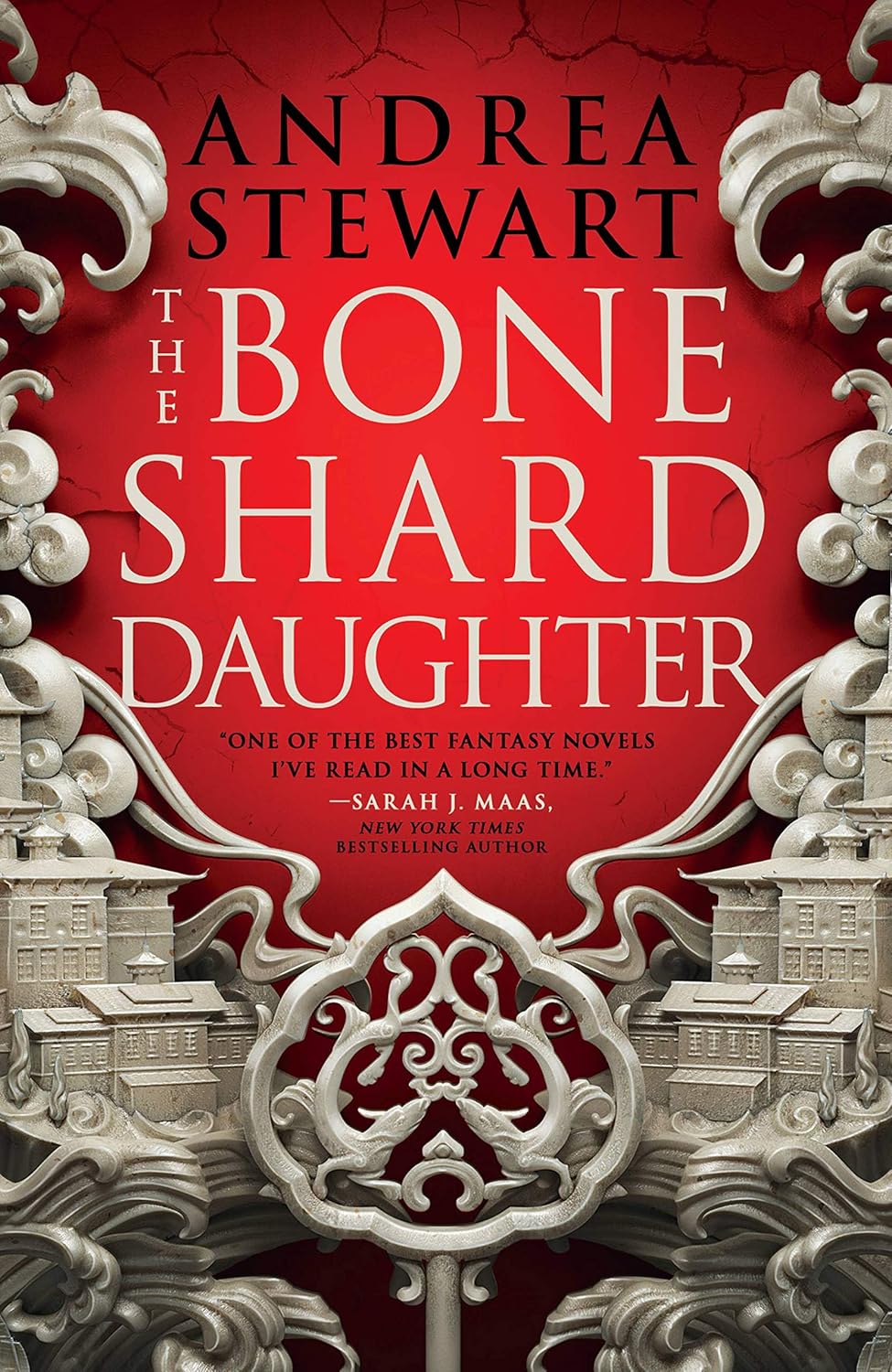
The series starts off well with The Bone Shard Daughter, easily the strongest of the series. Lin is the daughter of the emperor, who has been ruler of the Phoenix Empire for decades. The Phoenix Empire is a series of islands, and if this world includes any sort of mainland it’s never really mentioned. The emperor is a master of bone shard magic, which involves taking a small piece of the skull (!) of every citizen once they reach early adolescence. The shards are used to make constructs, which are basically Frankensteined animals. Instructions are written on the shards that basically constitute programming for the constructs; some simple ones only have a few but others can be much more complicated. Also, if your shard is used to power a construct, it will eventually kill you, and the construct will stop working once you die. Minor problem. I know. The emperor is stubbornly refusing to either name his daughter his heir– he has a male student who is also a candidate for the role– or to teach her bone shard magic, and a lot of the first book is dedicated to Lin sneaking around and teaching herself magic.

Oh, and Lin has lost a lot of her memory, as has the student, and the fact that he seems to be working harder to regain his memories is one of the points in his favor for some reason.

Also, occasionally the islands just … sink. Killing everyone on them, as you might imagine. It’s bad. But the main conflict of the first book, despite the presence of four other POV characters, is Lin’s relationship with her father and her attempts to get him to take her seriously. And the first book is genuinely good! I five-starred it, and I don’t regret it; it’s not until the second and third books that the series’ problems become more apparent.

Specifically, Lin becomes emperor through means I won’t reveal, and … it becomes real clear real fast that Lin doesn’t really know why she wants to be emperor, and she’s not very good at being emperor, and there are a whole lot– a whole lot, the refusal of the series to settle on a single villain is one of its problems– of people who think the entire dynasty just needs to go away. Lin ends the tithe (the process of taking bone shards) and in the process the book kind of unceremoniously abandons a lot of what made it cool.

The constructs are part of the problem. The book makes it clear (at first, at least) that the emperor is the only person who really understands bone shard magic, right, so the fact that there are thousands and thousands of constructs out there is kind of a problem, because you really feel like the guy didn’t have time to do anything but churn out constructs all the Goddamn time, and despite the constant harping about ending the dynasty there really seems to be very little that the emperor needs to do. Stewart seems to be aware that the islands need some sort of economy so that the emperor can worry about trade, and she’s invented two things: a stone called witstone and caro nuts.

It was never clear exactly what witstone was or how it was used other than people were constantly whining about needing to mine it (there is a running theory that overmining is related to the islands sinking) and it occasionally powering boats. Sometimes they’re very upset about running out of it. It feels like Stewart wants you to think that witstone is magical (and calling it witstone will never make any sense) but it’s basically just … coal. Like, I have no idea why she didn’t just call it coal, and if it’s different from coal somehow it’s never made clear how.

Caro nuts. God, caro nuts. Caro nuts are mentioned, conservatively, a couple hundred times across the trilogy. Islands need more caro nuts. Islands sink that were a source of caro nuts. Okay, I’ll do this, but you have to share your caro nut stash. Oh no they have stolen our caro nuts.

“Caro nuts” can cure “bog cough.” If they’re useful for anything else I’m not aware of it.

Bogs, by the way, are an ecological niche typically found in cooler northern climates– Scotland, for example– and not tropical islands.

No one will get bog cough at any point in the series. In fact, I’m pretty sure there is literally never an actual caro nut touched, handled, stolen, eaten or sold by any character during the series. We’re repeatedly told bog cough can be fatal and that people off-camera are getting it because it’s the rainy season. It’s completely off-camera. We don’t even meet any side characters with it. No survivors. No characters are, like, nurses or doctors or anything. The book just talks about caro nuts fucking endlessly because the emperor needs to be responsible for something and sure let’s make distribution of caro nuts a huge fucking deal.

One of the POV characters spends the entire first book searching for his (presumably dead) wife, who will never be mentioned or thought about again after the first book. By the third book he spends most of his page time hating himself, and really I didn’t blame him because he was annoying the piss out of me.

The first half of the third book is spent in a quest for a magical (sort of) sword, one of, we’re told, seven, even though only about four ever show up. The sword is tossed into the ocean in a standoff about five pages after it is found, and they were very much not looking for it so that they could destroy it.

Eventually two of the characters will adopt a “gutter orphan.” Every orphan mentioned in the book is a “gutter orphan,” which starts to feel really squicky after a while. I would think if Lin wanted to get the people behind her maybe opening up some orphanages might be a good idea, but the book is so unconcerned with the lives of actual people that it’s hard to really know how many of them there are. At any rate, the massive refugee problem caused by the sinking islands, which simultaneously kill everyone on them and create refugees, is probably adding to the number of orphans.

I dunno, y’all. The first book really isn’t bad at all, but none of the problems that you might find in it are going to go away, and while some of the mysteries get explained none of them really get explained in a way that helps— every unraveled mystery just leads to more questions, and the decisions the characters make get more and more inexplicable as the series goes on. Lin herself goes from being easily the most interesting character, to the point where I haven’t even really named anyone else yet, to someone who constantly makes the wrong decisions and then endlessly second-guesses herself about them. She changes her mind about something at the end of the series that she has literally been arguing against for two and a half books.

But there’s still some compelling stuff here– a lot of the characters eventually get animal companions of a sort, and they are universally a lot of fun, just for example– or I’d not have finished the series, and it wasn’t really a case of good will from the first book lingering on. Frankly, I’m looking for excuses to bail on books right now– my unread shelf remains entirely out of control. The verdict, ultimately: The Bone Shard Daughter is very much worth reading, but let it sit for a month or so after you read it, and if you’re still thinking about it, go ahead and pick up the rest of the series. Just be aware that you’ve hit the high point already.