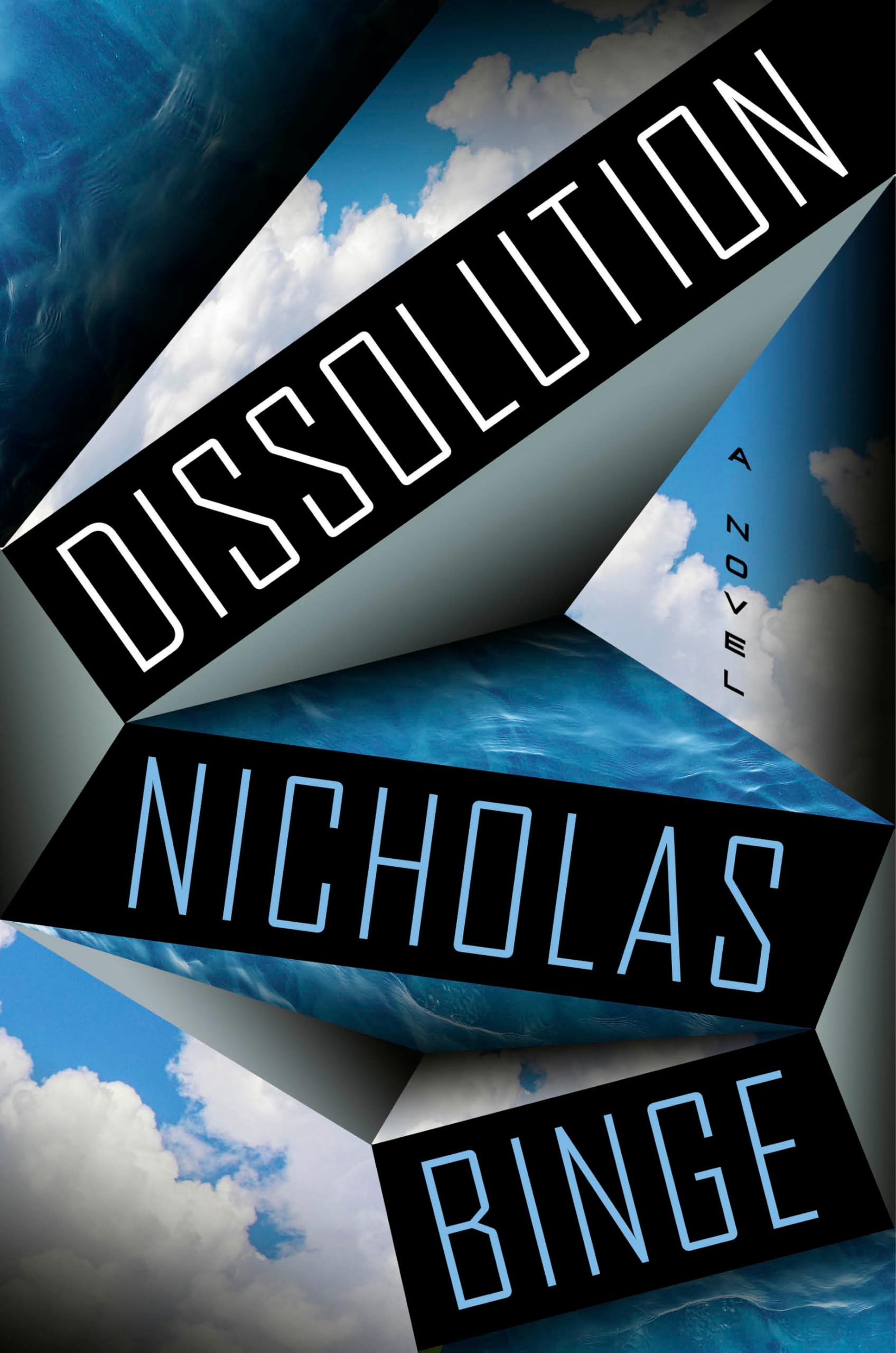
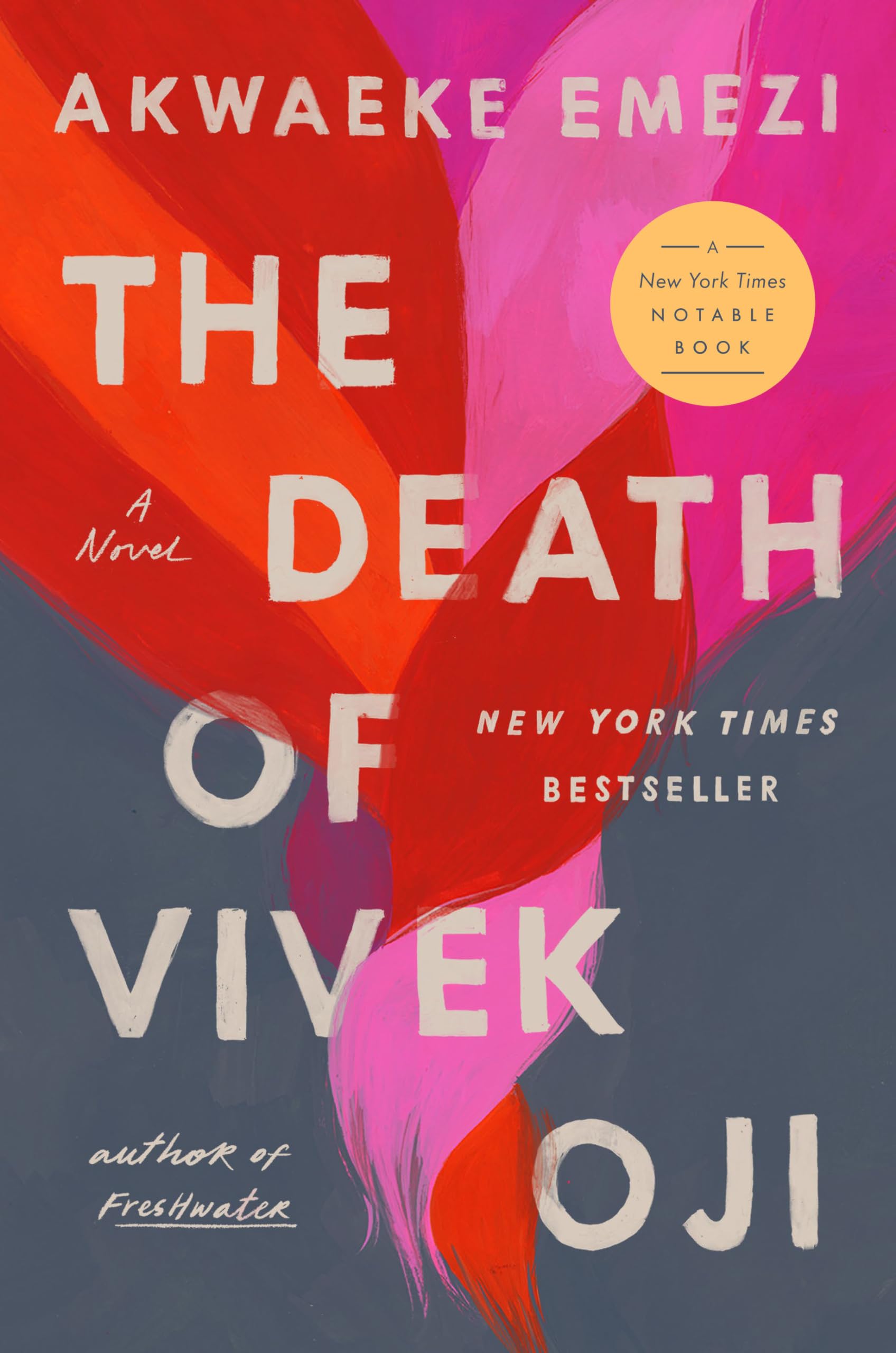
Are you familiar with Aardvark Book Club, by any chance? For $17.99 a month, assuming you’re in the US, you’ll have a choice of one of six different new (and sometimes unreleased) books across a bunch of genres. The books will be hardcover and are generally of solid quality, so you’re already getting a decent deal, because you can’t sneeze at a hardcover for $18 anymore. Then you can order up to two more from the current month or any previous month for $10 each. I’ve been a member since January, and I have yet to have a month where I didn’t order three books. Most of the time they’ve been from new-to-me authors and there have definitely been more hits than there have misses. I ordered Nicholas Binge’s Dissolution in June basically just because I could.
And … damn.
I’m going to let you know now: this is one of those “trust me” books, because it’s all about the mysteries and twists and turns, and I ain’t spoilin’ nothing. The main character is Maggie Webb, an 84-year-old woman whose husband of fifty years, Stanley, has been disappearing to Alzheimer’s over the past several years. Only one day a Mysterious Stranger (TM, pat. pending) shows up at her door, and, uh, it turns out that maybe it’s not Alzheimer’s. Someone is actively and deliberately removing Stanley’s memories.
And, uh, that person might be Stanley.
Like, you already know, right? You know if you want to read this or not, and if you’re somehow still on the ledge, maybe if I told you that this book was a bizarre combination of the modern-day parts of Assassin’s Creed, the “insane professor” bits of The Poppy War, the movie Memento, and a self-help book about the memory palace, would that help?
Yeah. I picked this up before bed last night, it kept me up until midnight, and I was reading again by 8:30 this morning. You should check it out.
Seven years ago, in 2018, this man’s debut novel jumped off a shelf at me at Barnes and Noble. It looked satisfyingly chunky and as a science fiction book that was obviously going to be Part One of a substantial series, it was something that was immediately Aligned with My Interests.
I opened it and flipped through it and looked at this author picture. And thought Jeez, that guy looks like a prick. I bet he’s a conservative.
And then I put the book down.
And, standing there in Barnes and Noble, I googled this man to see if I could find evidence of him being a prick. And, indeed, I couldn’t find any, and the closest I came was him claiming he “doesn’t talk about politics” on Twitter, which is something that only conservatives say.
And after a few minutes I started feeling bad about it! This is not how I usually work. My rule for politics in my reading has always been Don’t Want None Won’t Be None, and how it is supposed to work is you can believe whatever you want so long as you don’t go out of your way to make that information available to me, but as soon as you do I will judge you accordingly. And, to be completely clear, I’m perfectly fine with people applying that same line of reasoning to me. You can choose to not read a book– which, most of the time, costs you money— for literally any reason you want. Refuse to read a book with a blue cover. Spend a year reading only books with blue covers. I don’t care. There are way more books out there than anyone has time to read in an entire lifetime, with more coming out literally every day, so you use whatever filter you want. I don’t have anything to say about it.
Feeling guilty and kind of stupid, I bought his book. And brought it home, and read it, and really didn’t like it all that much. And it sat on the shelf for five or six years while four sequels came out, and sometime in the last couple of years I looked at it again and thought oh, what the hell, and for whatever reason the second time around I liked it a lot more, and the sequels quickly followed, along with the sixth book, on release day. The series wasn’t world-changing or anything, but it was solid and interesting, and it was also clear that barring some sort of car accident or something it was going to be finished soon.
So how do I feel about the fact that a 2018 interview has come to light recently where not only does he piss and moan about how every YA book nowadays is about a girl who “wants to be an assassin for some reason” and there aren’t any books for boys, and about his affection for Jordan Peterson?
I am, to be clear, almost certainly going to buy the last book of his series when it comes out, which should be this year or early next year. This isn’t JK Rowling or Neil Gaiman territory, where the books are forever consigned to the pit. He’s just a conservative Catholic, and frankly the fact that the interview lurked in the depths for years before exploding onto TikTok in the last couple of weeks for whatever reason means that he actually does seem to be following my DWNWBN rule. But I likely won’t bother with whatever he does next, and next time I’m gonna trust my gut when I take a look at an author and get a vibe. Because, again, there’s lots of books out there, and I don’t need a good reason not to buy one.
This is kind of awkwardly stapling two posts together (and there will be an addendum at the end featuring even more stapling) but I’ve been thinking a lot lately about how weirdly gendered reading seems to be getting. I have never believed that there was any such thing as “girls’ books” or “boys’ books”– I’ve told the story here a few times before about my aunt catching me with Are You There God? It’s Me, Margaret when I was ten or so, a book I picked up and read because it was there and I was bored, and her being vocally horrified, and me being completely baffled about what the problem was. But just because I don’t believe there’s any such thing as gendered books doesn’t mean that society doesn’t think so, and it feels like in the last couple of years reading has taken this weird slide into being Something Men Don’t Do, which is entirely fucking unacceptable. This is particularly clear in retail establishments that sell books but aren’t bookstores– go look at the books in Target sometime, for example, and I’ve seen pictures of Wal-Mart’s book selection and it seems to be the same thing. Target clearly doesn’t think men read.
(Do more women read than men? Sure. But that’s not the same thing as “men don’t read.”)
I think this is probably mostly BookTok’s fault, which is dominated by women, and whatever, I’m not attached enough to my own gender to be bothered if something is addressed to “my book girlies” and happens to overlap with my interests.
But did I kinda want to fight when I saw this? A little:
Anyway, one way or another, I’m not going anywhere. If that makes me a book girlie, I’ve been called worse.
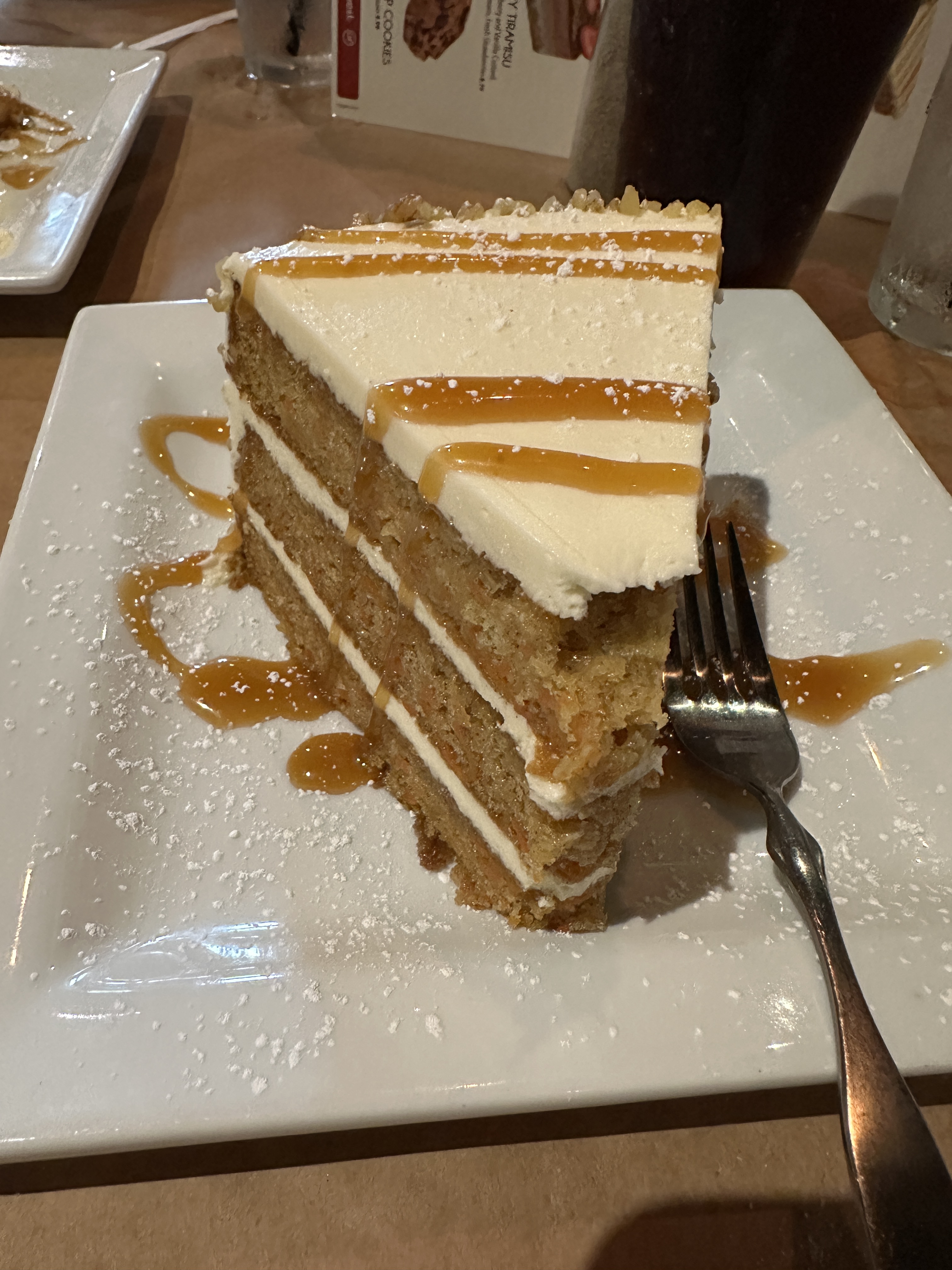
You may remember a couple of weeks ago when my family attempted to go to a specific local Italian restaurant and, in a comedy of errors, managed to end up at the wrong restaurant, eating a meal there because we are cowards, and resulting in me not getting carrot cake, which was the entire reason I wanted to eat at that place in the first place.
Well. My birthday was yesterday, but my birthday dinner was tonight:
I could only finish half of that gorgeous sonofabitch. I don’t even want to know what my blood sugar is right now. I’m getting my A1C checked later this week in advance of a regular doctor visit next week, and I may just show the doctor a picture of this cake when she jumps down my throat about how I’m so diabetic I’m legally already dead.
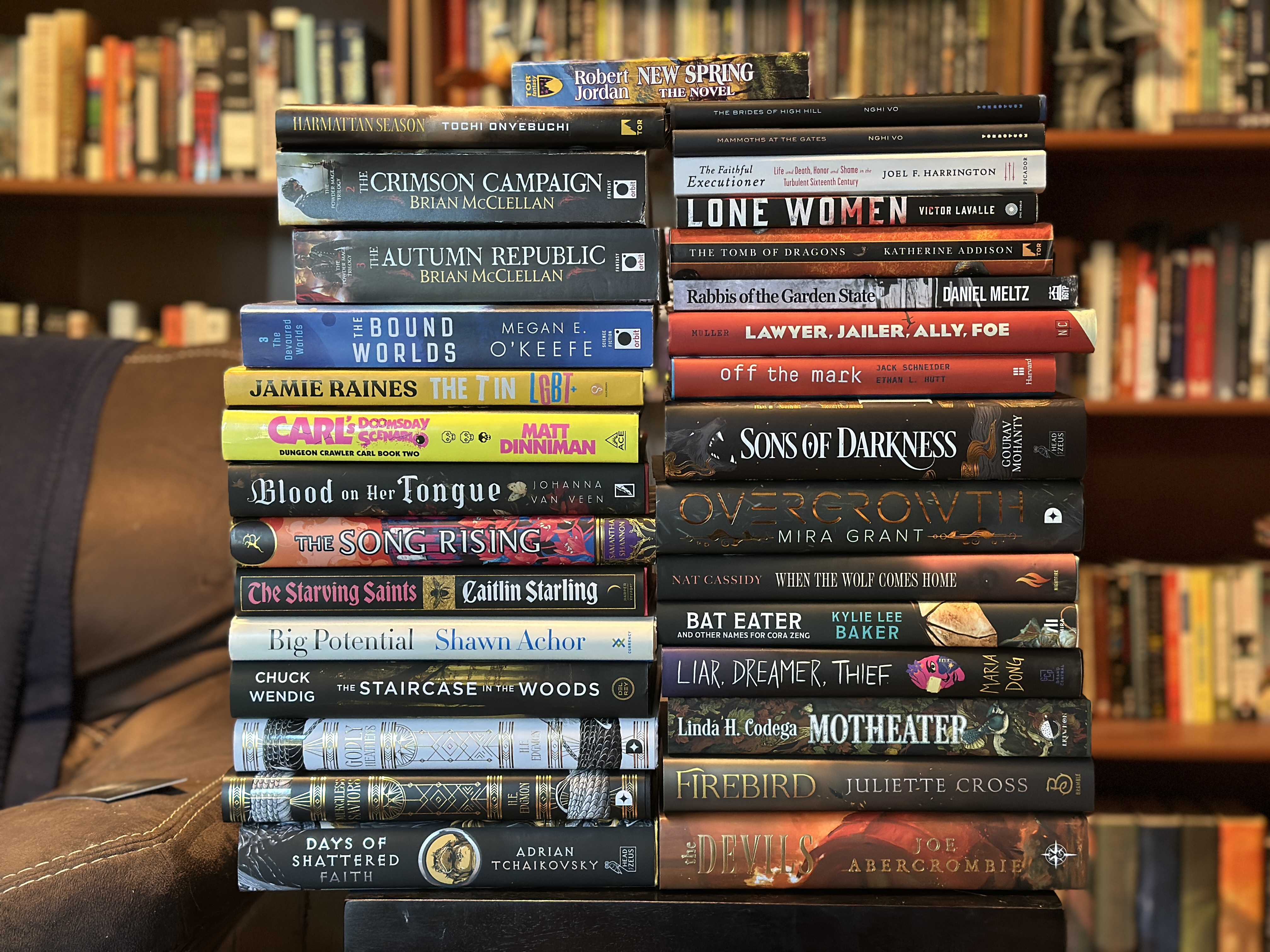
Storygraph tells me this is 11,505 pages. That’s not completely accurate as there are a handful of DNFs in there, so let’s say 10,500. Either way, can you tell I did nothing but read in June?
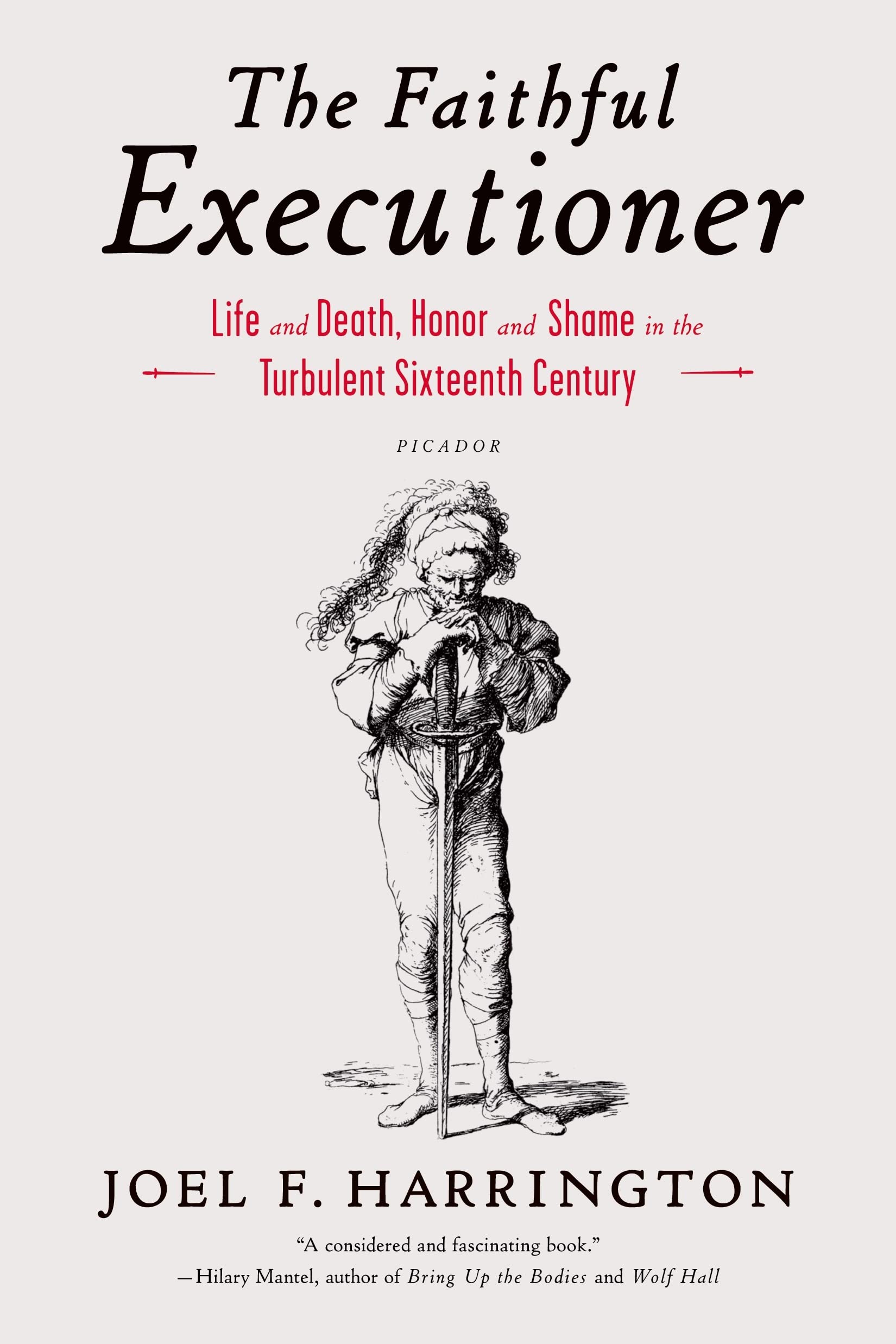
Book of the Month is gonna be The Faithful Executioner, by Joel F. Harrington.
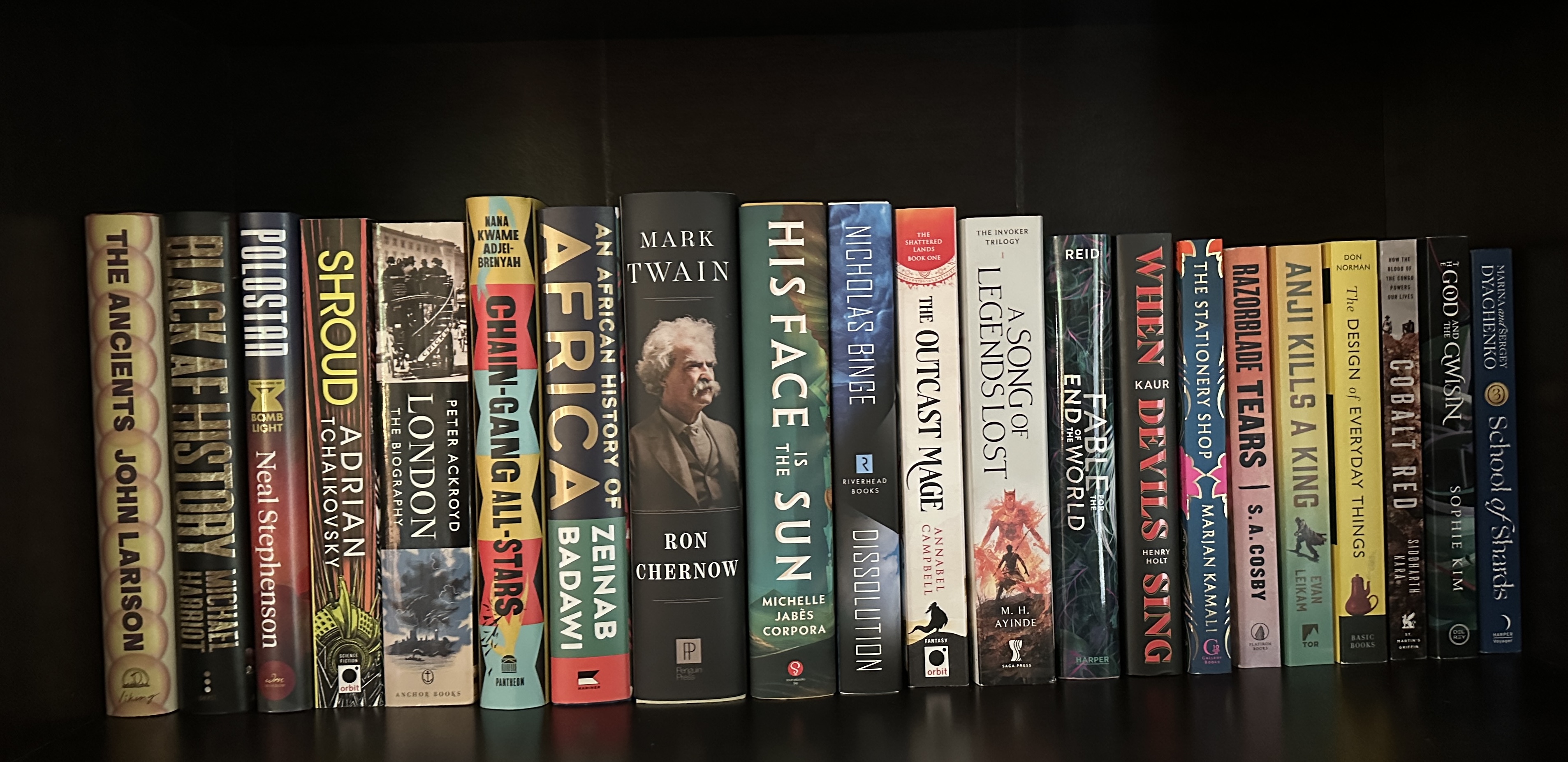
Pretty sure this is the lightest the shelf has been in months (EDIT: It’s been a year.) I can make a significant dent in this next month if I’m disciplined about not spending a ton of money. LOL.
Tomorrow’s Monthly Reads is going to be insane.
Picking on church billboards is such low hanging fruit that it’s not even worth it most of the time, but I drove past this … message on my way home today, and I needed to preserve it. I may have the verbs slightly wrong (I was driving, after all) but the weird part is preserved correctly:
Trust in The Lord Delight in “ Commit to “
… with fucking quotation marks, just like that. The quotation marks were red, though.
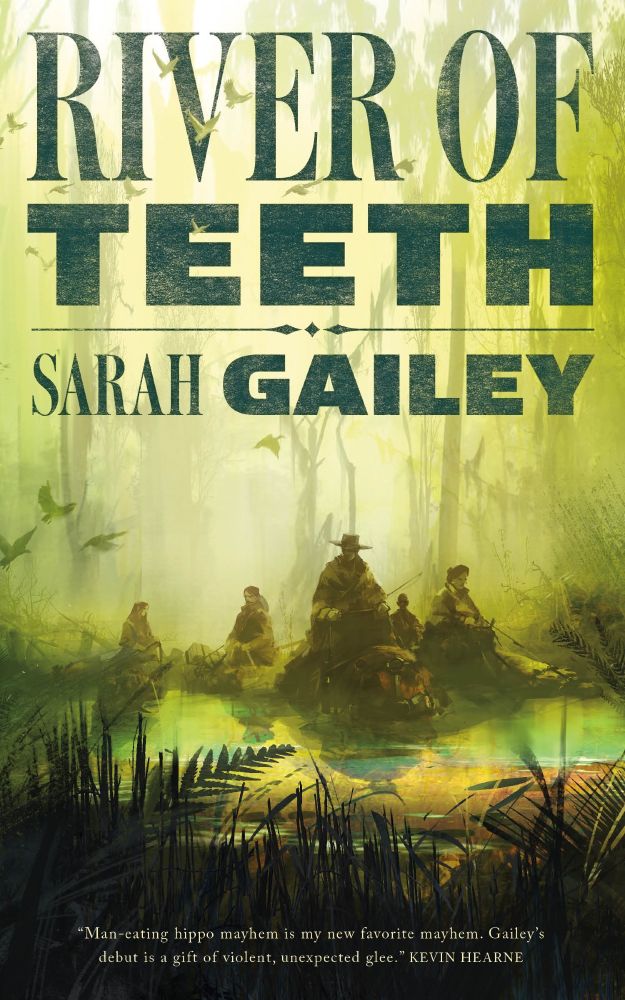
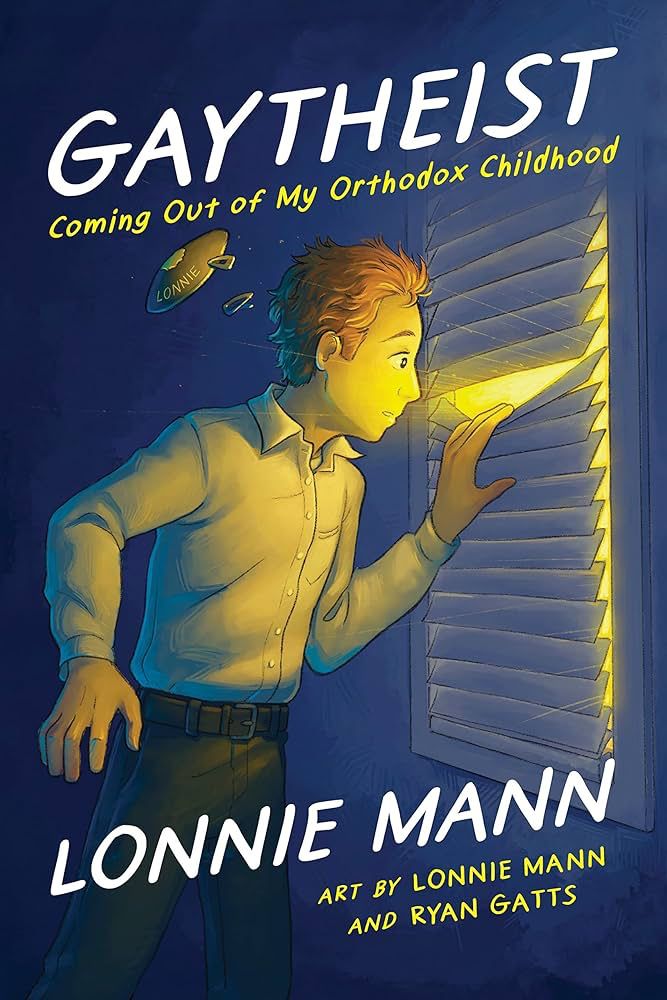
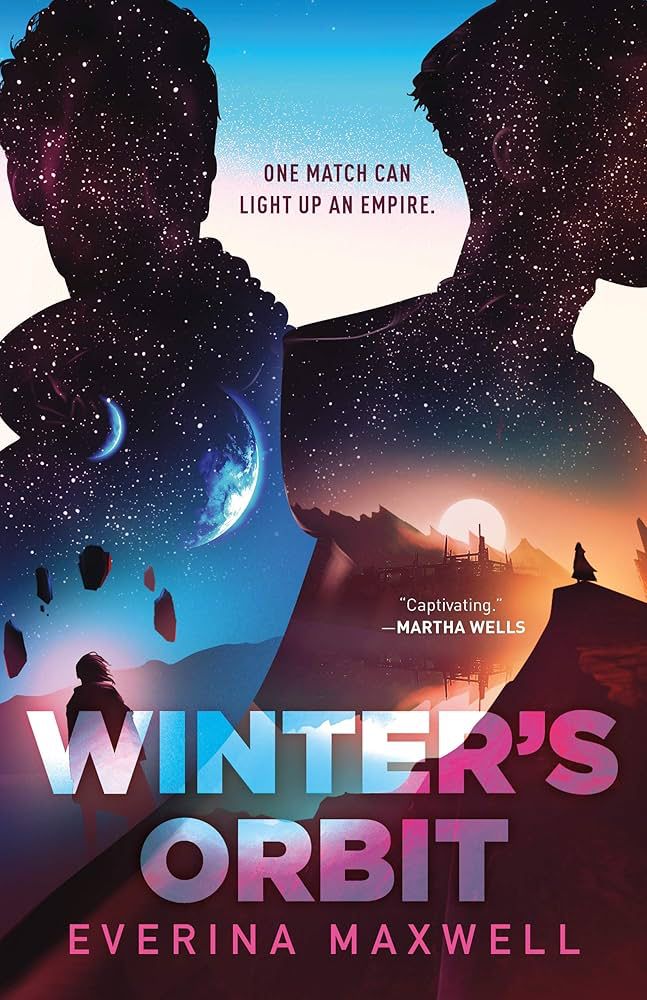
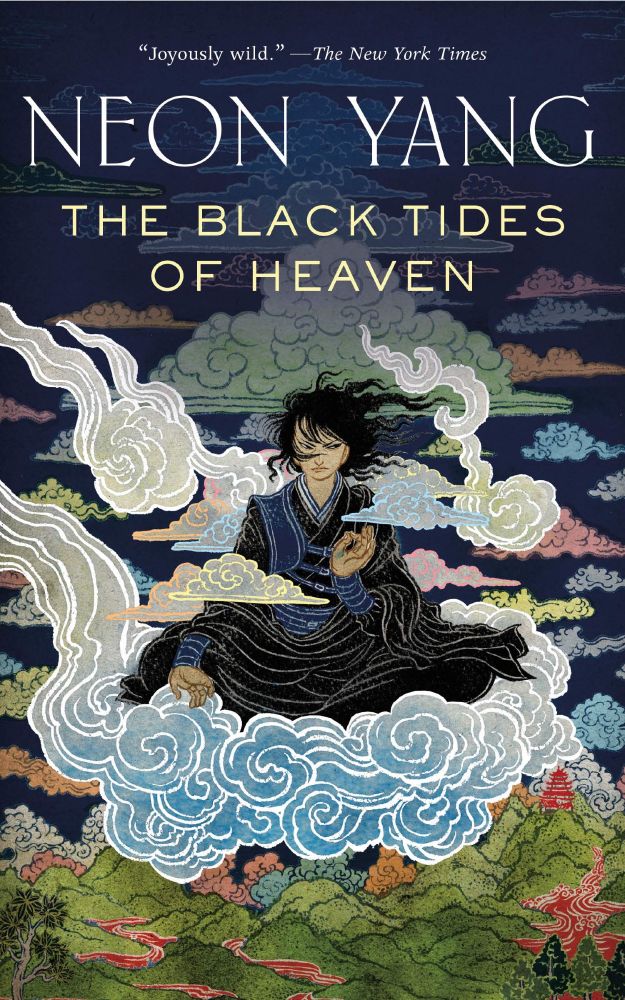
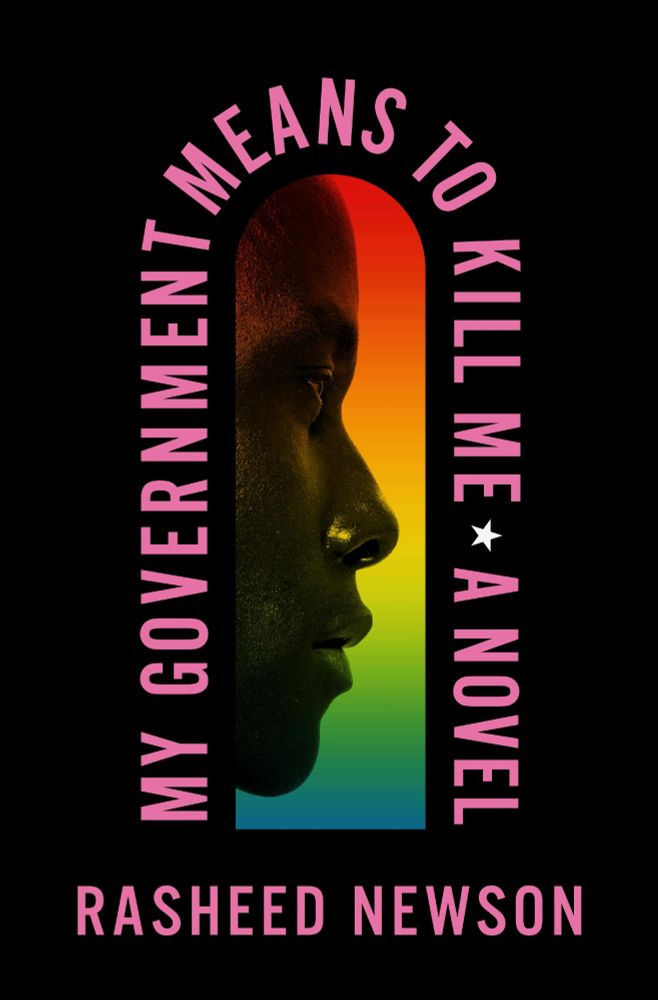
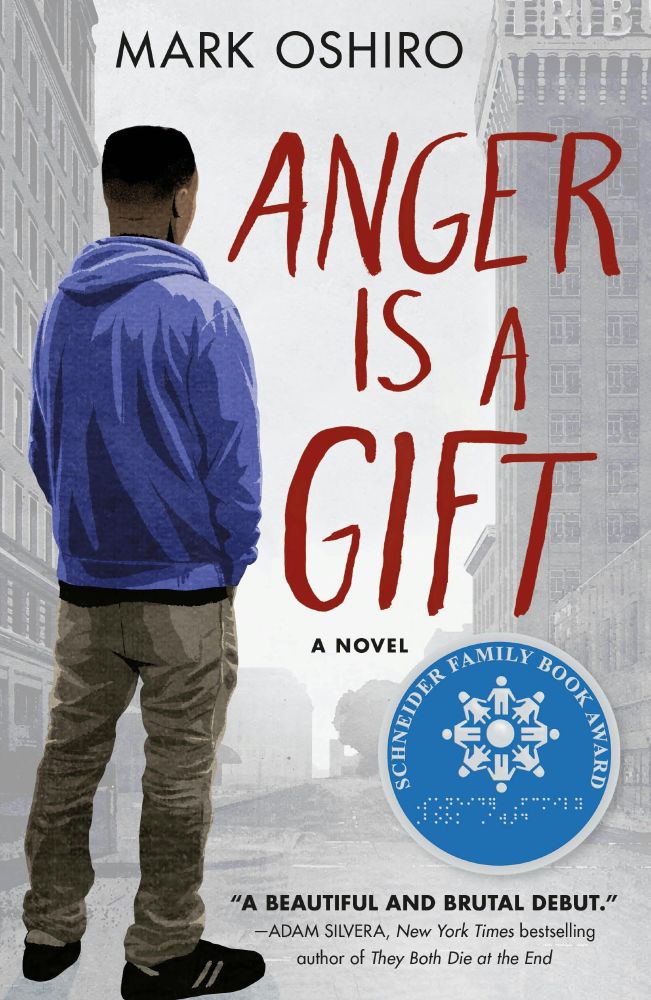
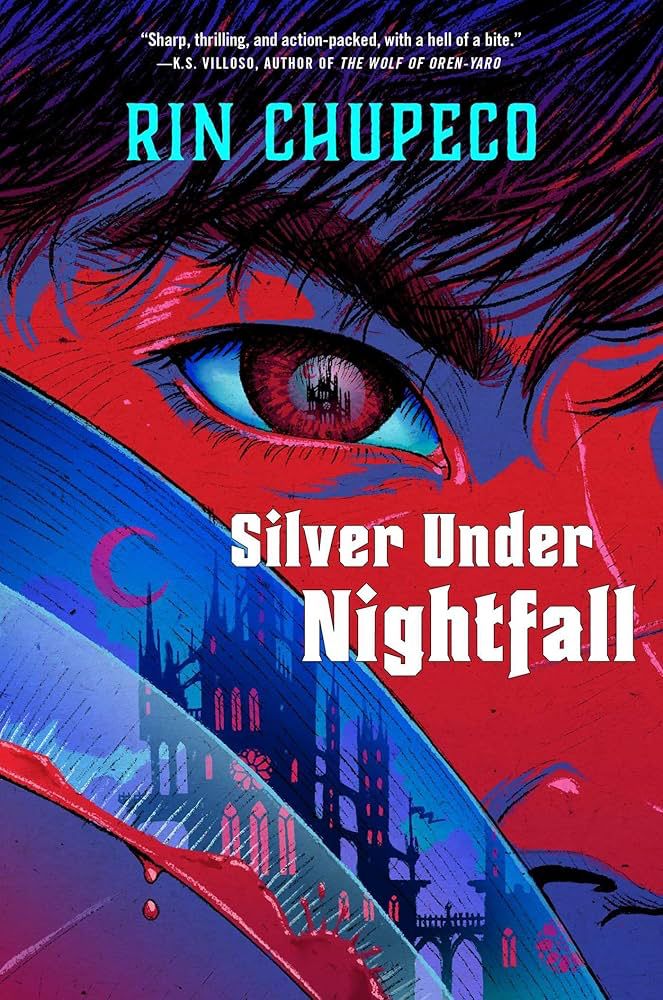
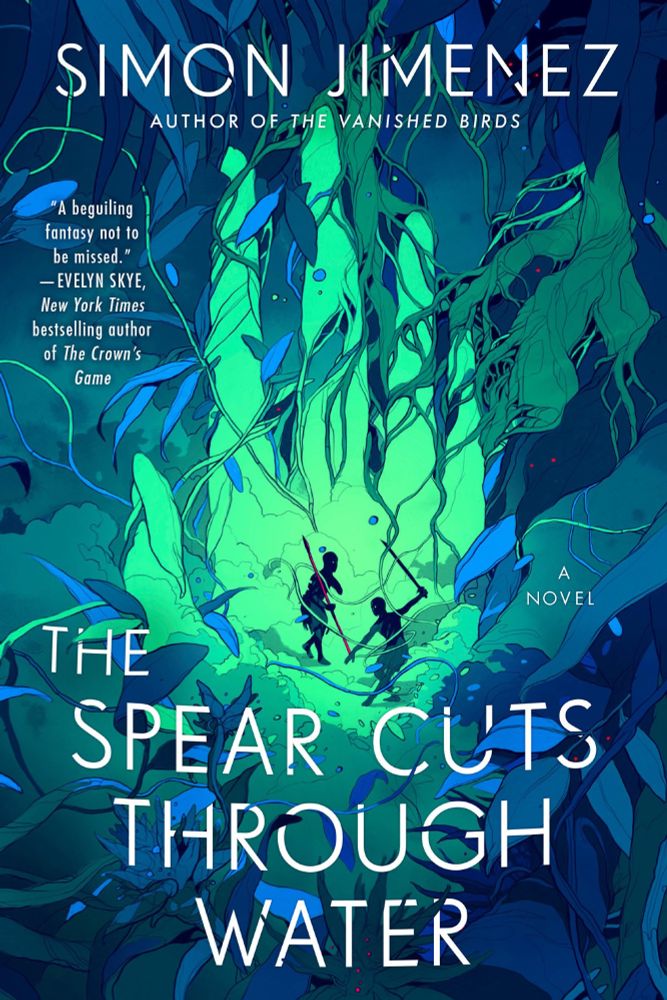
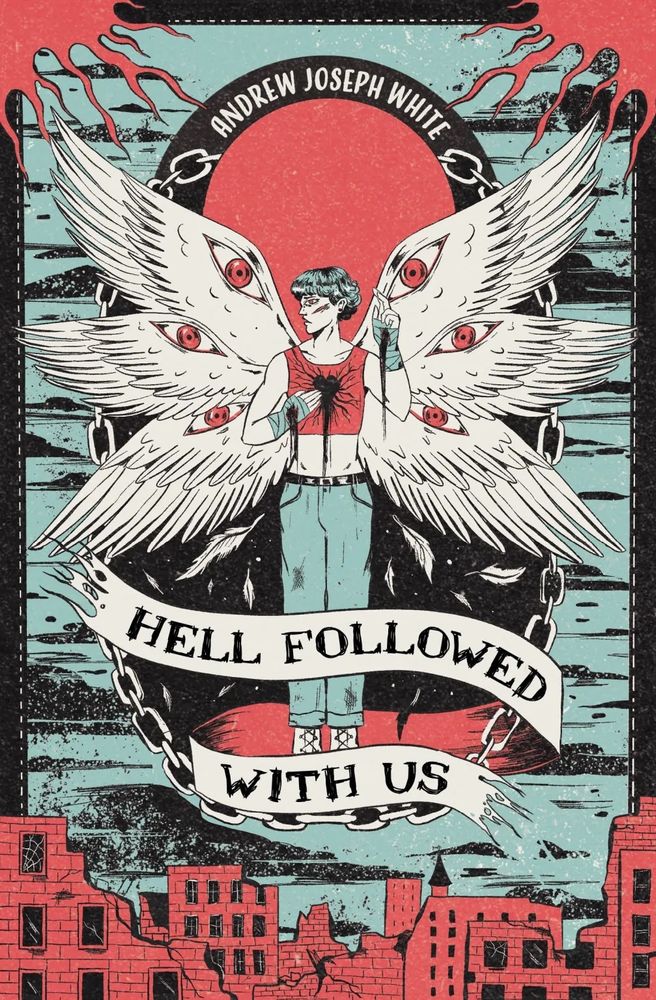
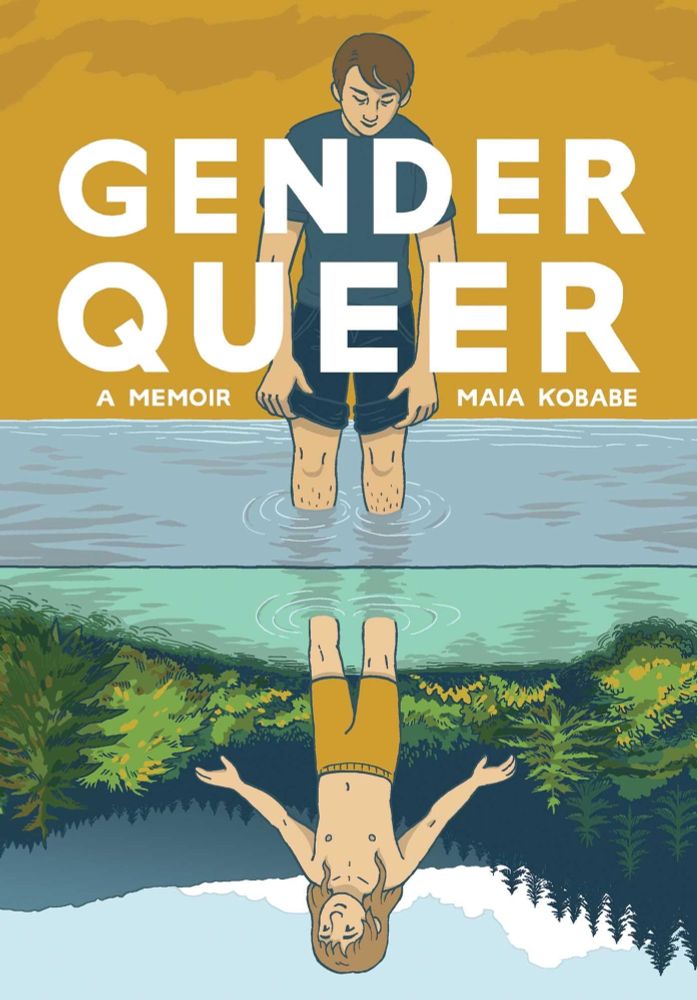
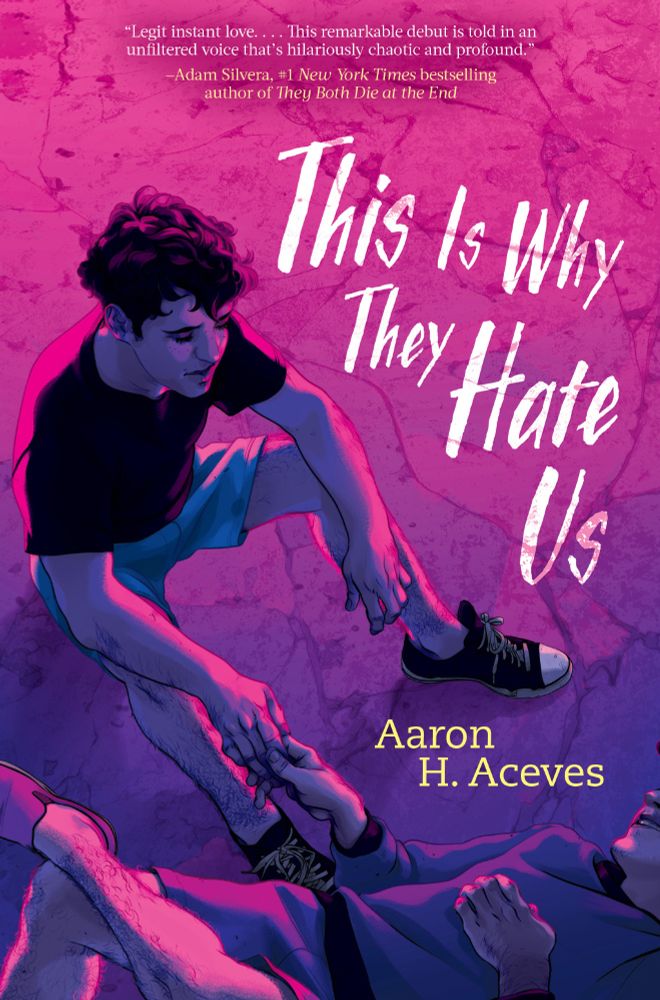
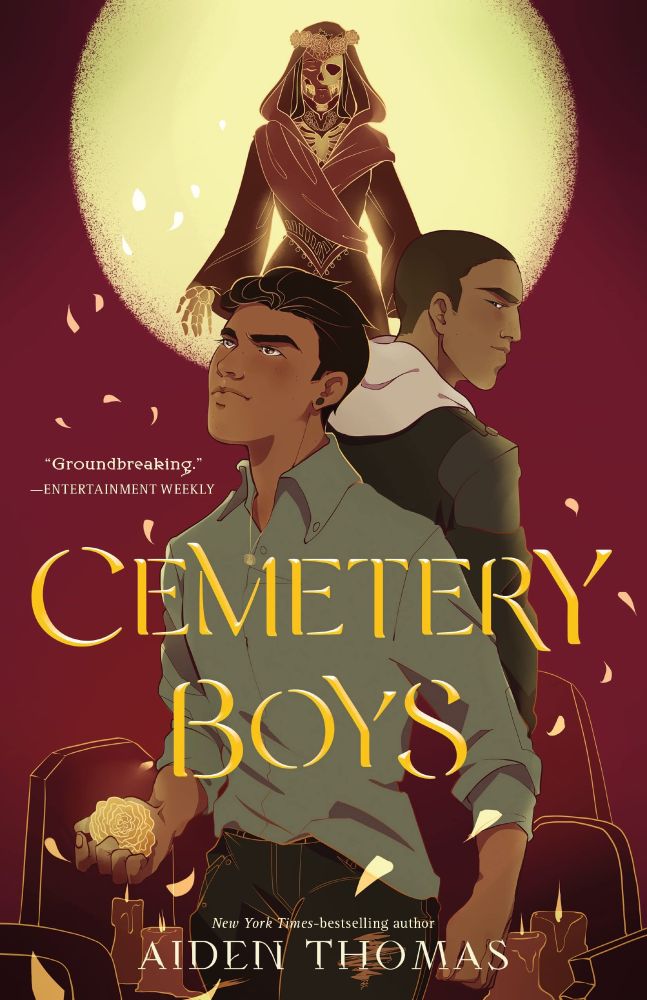
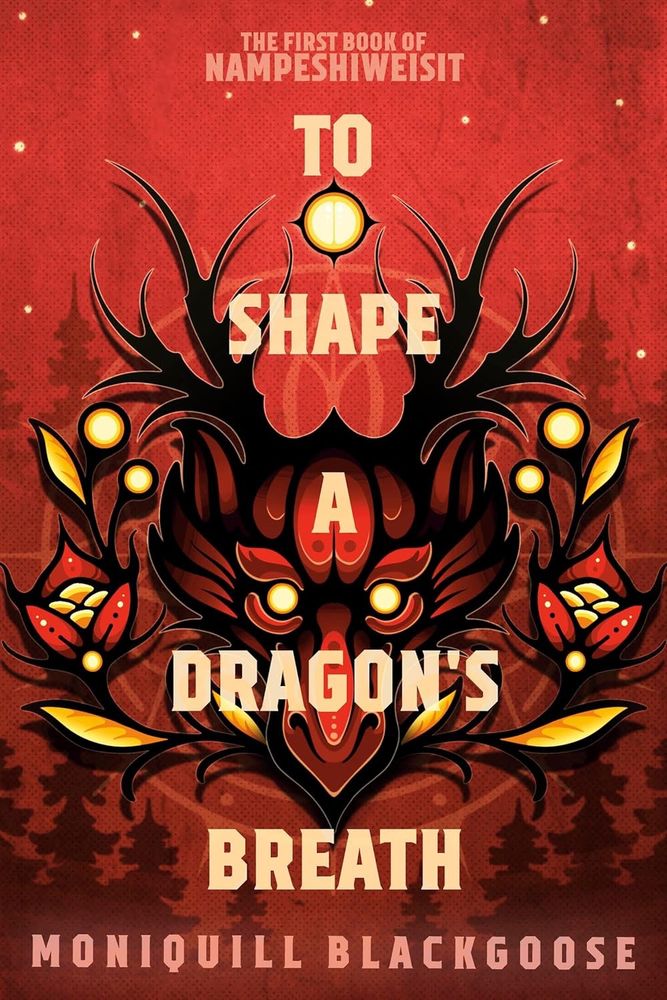
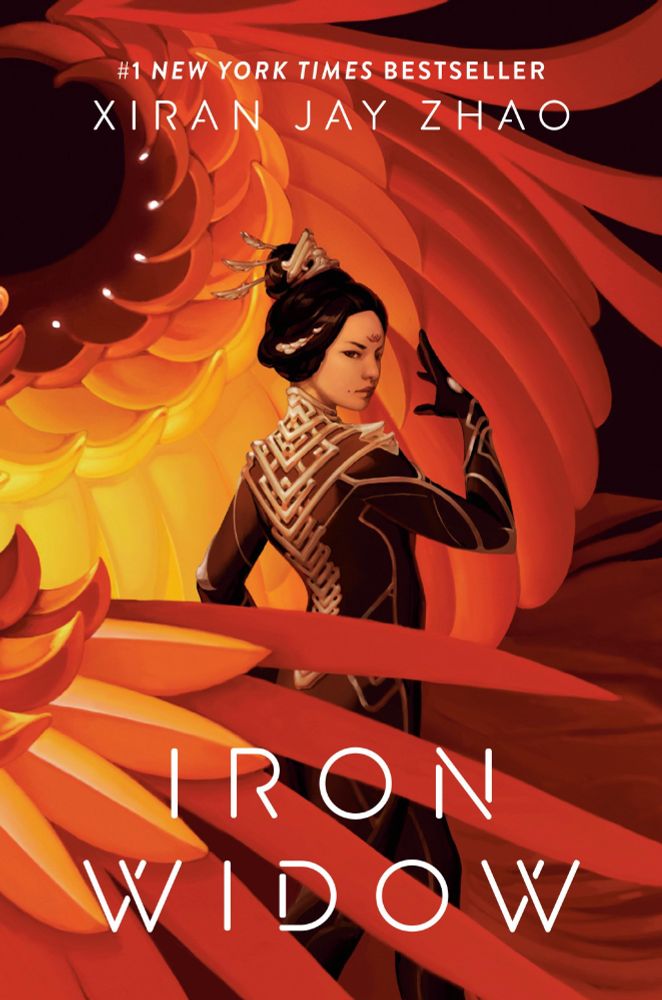
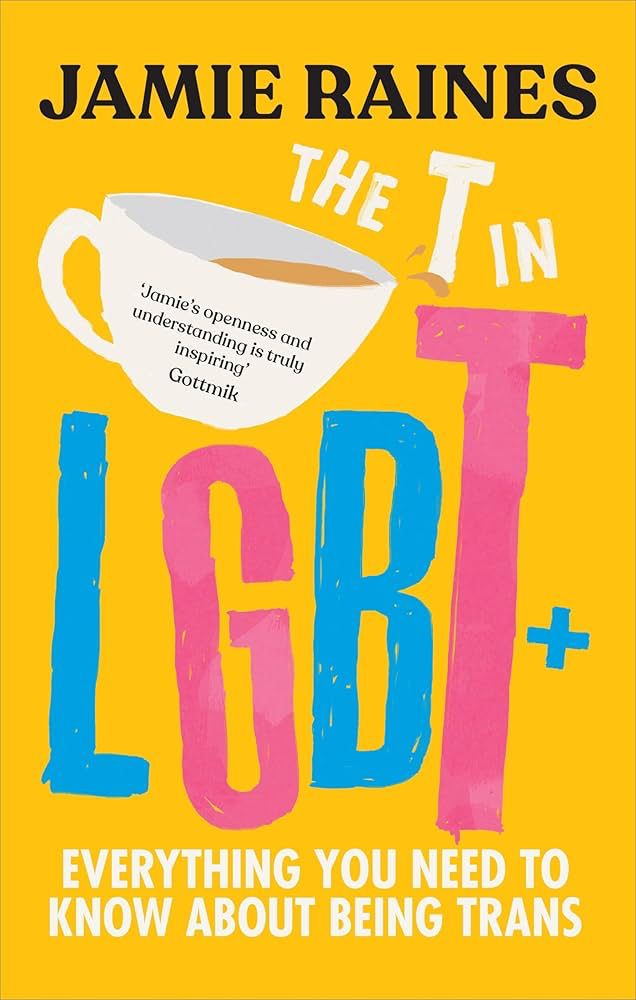
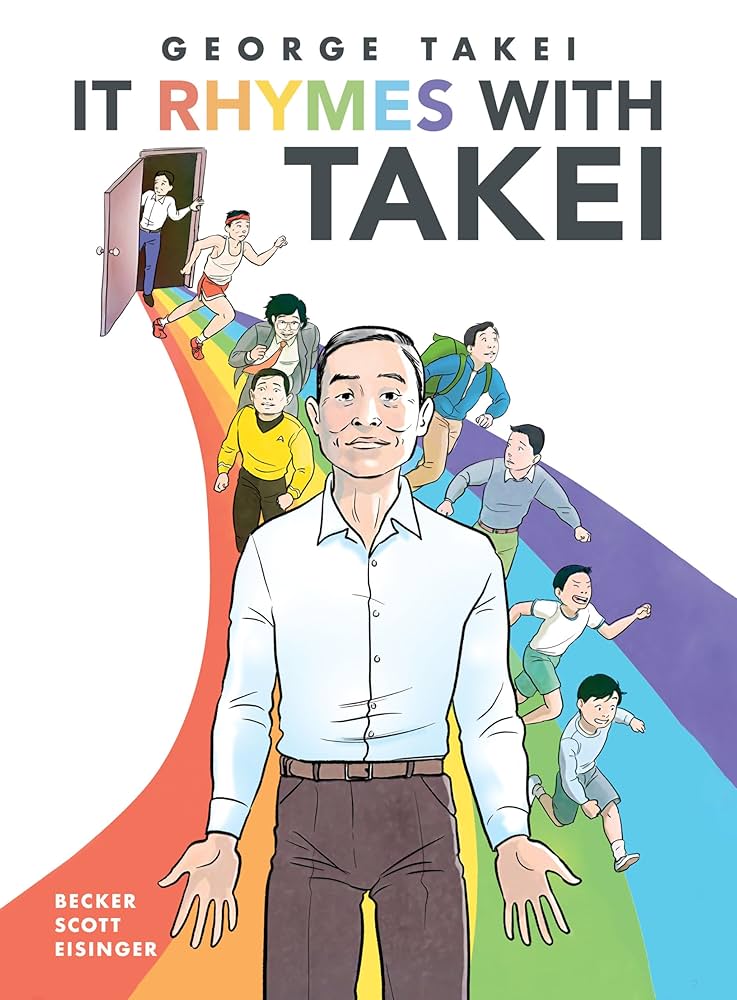
I’ve been doing this thing over on BlueSky all month, and while, okay, there’s technically one more day left in Pride, I already know what I’m going to post for tomorrow. Since the last day of the month is reliably preprogrammed and I’m still feeling sickish, I figured I’d take all thirty posts (so you can get a sneak peek for tomorrow, if you’ve been paying attention) and put the books here for posterity. I’ve read all but two of these, and I may have one of them finished by the end of the month anyway. The 30th is on its way here. Check ’em out:
Well, that was a fun little rabbit hole to fall into at 10:00 in the morning.
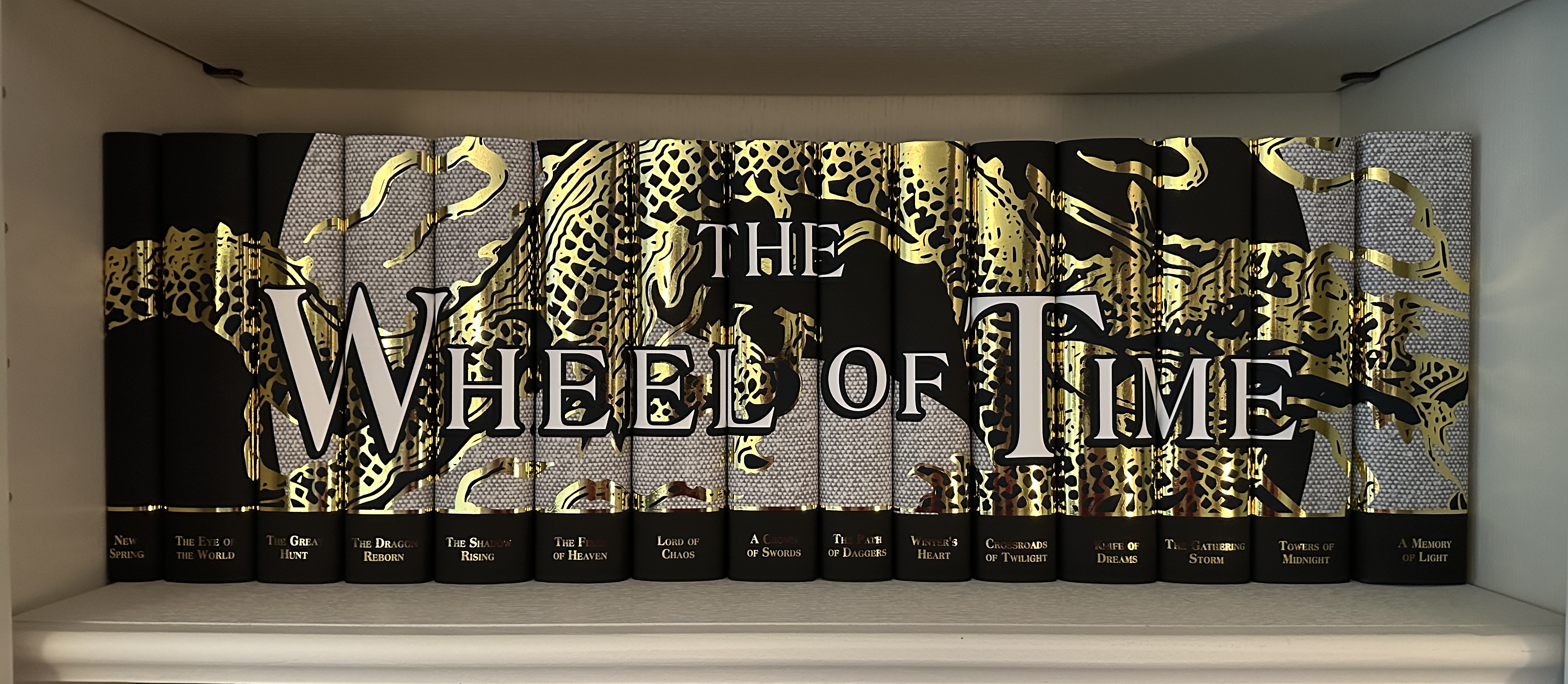
I posted these beauties not long after buying them, and they make me happy each and every time I walk past them, which was how I justified the $Jesusdon’task cost. The problem: despite their status as one of the non-negotiable canon series of fantasy literature, I haven’t finished the damn series. I’ve read the first … five? Six? and tried to reread/finish them a few years ago and had to tap out after the second book.
I’m doing this, damn it. I’ve spent a lot of money on this damn series and I’m stuffing it into my brain whether I want it there or not. I’m not stupid enough to try and read them straight through, though; I’ll commit to one a month (still over a year!) and try to go at least a little faster than that in practice.
(I plan to start with New Spring, the prologue, which I haven’t actually read yet. If you have strong feelings about whether I should hold off until later, let me know, but do keep in mind that I’ve read the first two books twice each already. You have, like, an hour or two until I’ve started it and can’t be stopped.)
I recognize that “I started a book!” maybe isn’t the most compelling blog content ever, but I wanted to mark the first date in something less ephemeral than Bluesky. So.
Anyway, that rabbit hole: I thought that I had posted about these books when I got them, and I couldn’t find the post at first. It took me a minute to track the post down, because the words “Wheel of Time” didn’t actually show up in the post title. I went to Google and searched “infinitefreetime wheel of time” and this bullshit happened:
Other than the first half-sentence of the second paragraph, none of that is fucking true. Those quotes? Not real. The AI made the whole thing the fuck up. I hate this fucking useless-ass, destructive-ass technology with every fiber of my being and I cannot wait for it to die, hopefully taking a large chunk of the stupider element of our tech sector along with it.
So, yeah. I’m starting up on Wheel of Time again, and fuck GenAI straight to Hell.
I’ve been on a little nonfiction kick lately, and I want to talk about two of the books. One of them I can pretty much recommend without reservation, and the other … well, you’ll see.
Anyway, The Faithful Executioner: Life and Death, Honor and Shame in the Turbulent Sixteenth Century is pretty Goddamned interesting. The book covers will take up more space than the words on this post, as this is very much a “you already know if you want to read this” book, but if reading a history book based on the journal of a Nuremberg executioner over the 45 years that he killed people for the state is interesting to you? Go forth. Right now.
Author Joel Harrington literally found this man’s journal in a bookstore, by the way, so this whole book came by almost by accident. The text was effectively lost; he was able eventually to track down an earlier (and thus, presumably, somewhat more reliable) version of it, but the whole book starts with this historian just literally stumbling upon a copy of this manuscript in a store. Meister Franz Schmidt executed people from 1573 to 1618, and kept records of varying detail of every execution or punishment he undertook on behalf of Nuremberg and several smaller towns in the area. At first the journal is more or less a dry record, but eventually Schmidt began recording the executions in greater and greater detail, eventually including his own feelings and opinions about the crimes committed by his … is victims the right word here? Clients? The poor bastards who got got at his hand. Those people.
I learned a lot from this book, and it feels like something I’ll be rereading in the future, which isn’t something I do very often with nonfiction. There’s lots of myths and nonsense attached to executioners, and this book does a great job of being a history of this one specific profession in this one specific place in time. Definitely check it out, if you think you can stomach it– the book isn’t gory, necessarily, but when beheadings are a big part of someone’s job, there’s no way to avoid some gross bits.
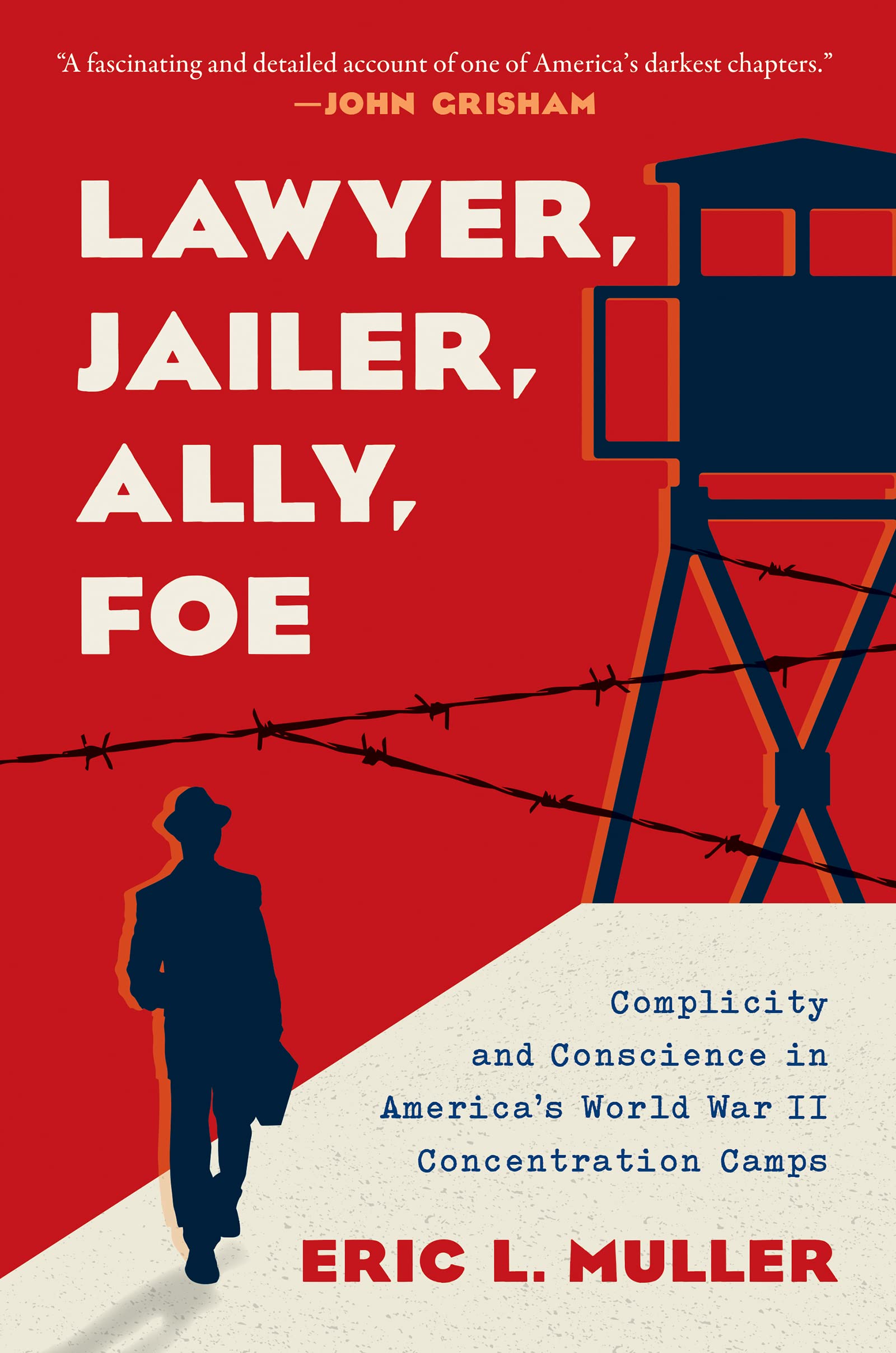
Notice how the lead quote on this book is from John Grisham, a novelist, and not from a historian? That’s kind of right on point. I’ve had this book on my Unread Shelf for way longer than it deserved, but having finished it, I’m kind of dissatisfied. Muller’s book follows three men who worked as “Project Attorneys” for the WRA– the War Relocation Authority– during World War II, acting as chief legal counsel at three of the concentration camps relocation centers that we herded Japanese Americans into. All three men are white, of course, and there’s a fourth who is himself “relocated” but is a trained and barred lawyer who works closely with the Project Attorney at his … uh … center.
Muller is a law professor, not a historian, and you can tell. The book is less pure history than historical fiction, as only one of the four men who are covered in the book was alive when Muller was writing, and it doesn’t look like he interviewed him intensively. The book repeatedly commits the cardinal sin of getting into the private, internal lives of these men with no particular documentation, and Muller freely admits that some of the events in the book are invented, but “consistent with his understanding” of the kinds of men these were. There’s an Author’s Note at the end that gets into what happened and what didn’t; the way he puts it is that nothing “of historical significance” was made up, so if he says a hearing took place, the dialogue is probably based on transcripts, but the bit where the white guy brings his Japanese colleague a pie is made up.
This isn’t a bad book by any stretch of the imagination, but I feel like it’s a bit too generous to its subjects. I’m willing to believe that at least some of these guys took these jobs out of a sincere if misguided belief that they could make a bad situation better, but when half of one guy’s narrative is him trying to cut the legs out from underneath a Japanese attorney who he thinks is developing too much influence in the camp, y’know, I’m comfortable with saying these were not good people!
On top of that, centering the feelings and experiences of the white lawyers who had the option (which some of them took) of simply walking away from this bullshit just doesn’t feel right. I’d love to have known more about Thomas Masuda, the Japanese attorney who gets about half of one of the chapters, or Kiyoichi Doi, who gets treated like a bad guy in a book where he is unquestionably in the right. And Muller doesn’t seem to have spoken to any actual internees while writing this.
I dunno. I didn’t hate the book, but it’s misguided.
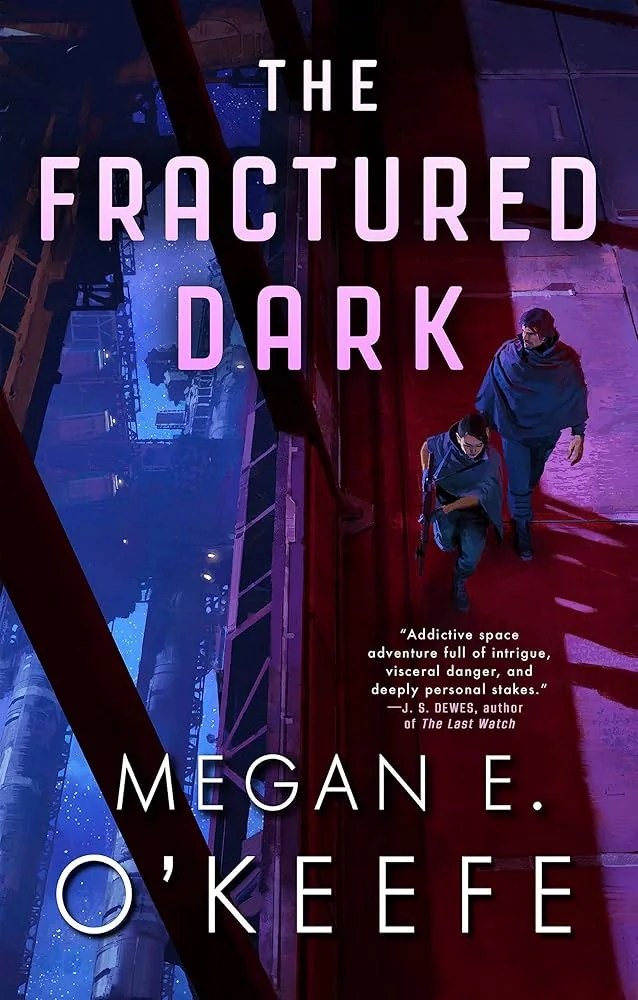
The first book of this trilogy sat on my Unread Shelf for way too long, mostly because I knew it was book one of a trilogy and if I read it and liked it I was locking myself into the next two books. And, well, yeah, in accordance with prophecy, I ordered The Fractured Dark and The Bound Worlds within the first couple hundred pages of The Blighted Stars, and … well, yeah. This is real good stuff.
The Blighted Stars starts off as a combination of a corporate espionage book (it’s one of those worlds where five big ultra corps control basically everything, and the leaders of those corporations are basically royalty) and an eco-disaster book. The Mercator corporation holds a monopoly on mining a material called relkatite, which is more or less completely essential to human civilization; it powers starship drives, for one thing, and it’s essential in printing human bodies as well.
… yeah, roll with that for a minute, I’ll come back around, I promise.
The two main characters are Tarquin Mercator, the scion of the family, who would prefer to not actually have anything to do with the family business and just study geology for a living, and Executor Naira Sharp, a monstrous badass who acts as a personal bodyguard, more or less, to Tarquin’s father. She’s also a revolutionary who wants to tear down the entire system from the inside. The Mercators are battling a major problem on their mining planets; a fungus that they’re calling the Shroud has begun appearing anywhere relkatite is mined, and it’s been overwhelming entire planets, rendering them more or less biologically sterile and preventing further mining from taking place. There are not many planets where humanity is actually able to live and thrive (the Earth has been rendered inhabitable a long time ago by the start of the series) and so the Shroud’s spread poses a genuine threat to the further existence of humanity.
That’s where it starts. It gets really fucking wild after a while, trust me.
For me, though, the most interesting thing about the series is the whole “human printing” thing. Basically nobody is in the body they are born in; if I understand the process correctly, once a kid comes of age they can be reprinted into new bodies that are more to their tastes, and people back up their own minds with some regularity, so that if they die the body they get reprinted into will have memories that are as close to “up to date” as possible. This isn’t necessarily unlimited; for one, it’s quite expensive, and especially traumatic deaths (or too many of them) can lead to a psyche being “cracked,” which basically drives the person irretrievably insane. The same will happen if someone is accidentally (or deliberately, as it turns out) double-printed, so that their mind is in more than one body at the same time. The fact that a cracked mind cannot simply be restored from a backup sounded like a weird sort of cop-out at first and ended up being really important later on.
The thing I like the most about this plot device is that O’Keefe really appears to have carefully though through its implications on society, to the point where I spent the whole first book trying to poke holes in this idea and make it retroactively dumb and every time I came up with something she’d anticipated it and dealt with it. Society is completely queernormative, for one thing; when you can simply reprint yourself into another body any time you want it’s hard to be against trans or gay people, and it’s heavily hinted that Tarquin was not born into a male body. There are a couple of prominent gay married couples as side characters as well.
The second thing, and I suspect some people might really be bothered by this, is the wide acceptance of suicide. Because you’re not really killing yourself; you’re just killing that print (the word “print” is used much more often than “body,” if not, possibly, every time) and you’ll be back soon anyway. In fact, a quick and clean suicide is a much better idea than several other ways you could be killed, because remember, really traumatic or messy deaths can lead to cracking. I feel like slitting my own throat might be kind of difficult, but it happens repeatedly across these books.
This blasé attitude toward death extends to murder as well, which is probably still illegal but not as much? This is probably a bigger deal for the poor, who can’t afford what are called “phoenix fees” to reprint, but all of the book’s main characters effectively have access to infinite money and so the characters kill each other with astonishing regularity. There is at least one point in the book where a character gets killed at the end of one chapter and then is the POV character of the next chapter after being reprinted in between the chapters.
My two biggest critiques of the series are both connected to reprinting. One, shit can get really confusing when a character dying does not have any actual impact on whether that character continues to show up or not. There are also occasional jumps forward or back in the timeline– not a ton of them, but they happen– and when you aren’t the world’s most careful reader (ahem) there can be a lot of rereading happening because something confusing has happened and you’re not sure if you missed a detail or not.
Second– and literally as I’m typing this I’m realizing what the answer is, but I’m going to do it anyway– is the notion that reprints are literally being loaded back into bodies from a “map,” which is their word for a personality download or backup, and maps can be altered through various nefarious means, but no one is against this whole idea, which I would think would be a thing. It’s the Star Trek problem– is the transporter really moving you from one place to another, or just killing you at location A and reconstructing you at location B? Personally, I’ve always been of the “killed then rebuilt” school, but people in this world really just treat reprinting as an inconvenience that might cost them some memories– and that’s occasionally even used strategically from time to time.
(The book does answer this, but kind of obliquely, to the point where I really did just realize what was going on, and I think they’re just relying on the tech having been around for so long that nobody thinks in these terms any longer, much like by the time Star Trek: The Next Generation rolls around absolutely no one is fighting against using transporters.)
I really enjoyed this series, and Megan O’Keefe has been around for a while, so there’s a bunch more where this came from, although these are currently the only books in this series. Strong recommend, especially if you’re in the mood for some complex, twisty sci-fi.











 Welcome to infinitefreetime dot com